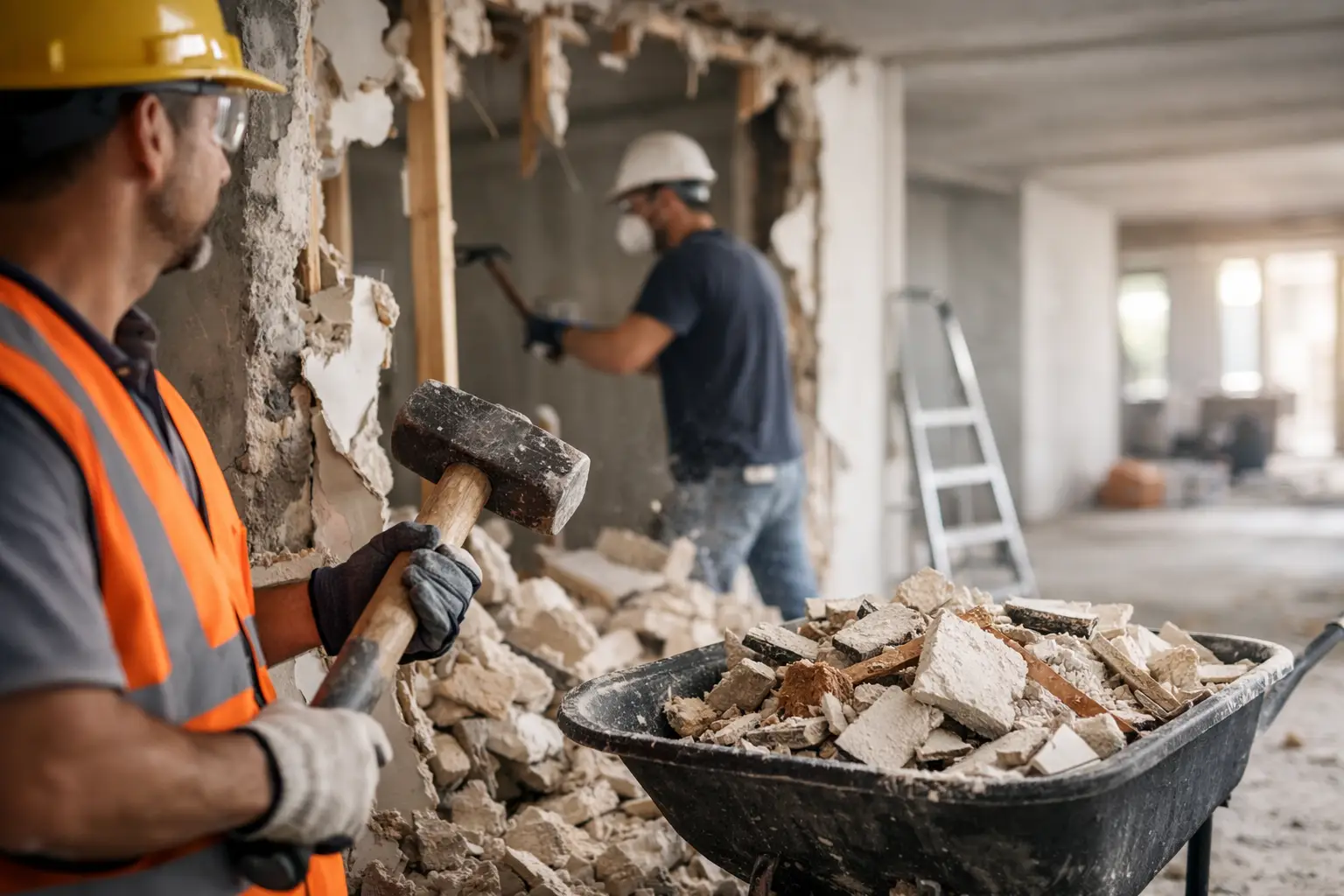

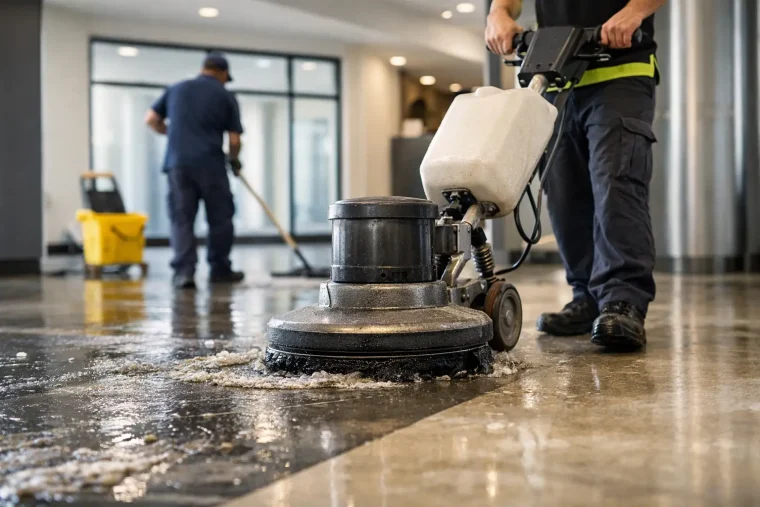
Old flooring rarely goes quietly. What looks like a simple lift-out can turn into glued vinyl that tears in strips, tile bedding that hangs on like concrete, or timber that leaves the slab covered in stubborn adhesive. That is why floor stripping Brisbane property owners book is not just about removing what is on top. It is about getting the surface underneath properly prepared for what comes next.
If the strip-out is rushed, the problems show up later. New flooring can sit unevenly, adhesives can fail, and installers lose time fixing a surface that should have been ready from the start. Whether you are renovating a house, updating a tenancy, or preparing a commercial fit-out, the real goal is not demolition for its own sake. The goal is a clean, safe, renovation-ready site.
What floor stripping in Brisbane really involves
A proper floor strip starts with the material, but it does not end there. Tiles, vinyl, cork, carpet, timber, epoxy and old coatings all come off differently. Some lift cleanly. Some break apart. Some leave behind glue, screed, paint, waterproofing residue or a rough slab that still needs grinding before another trade can move in.
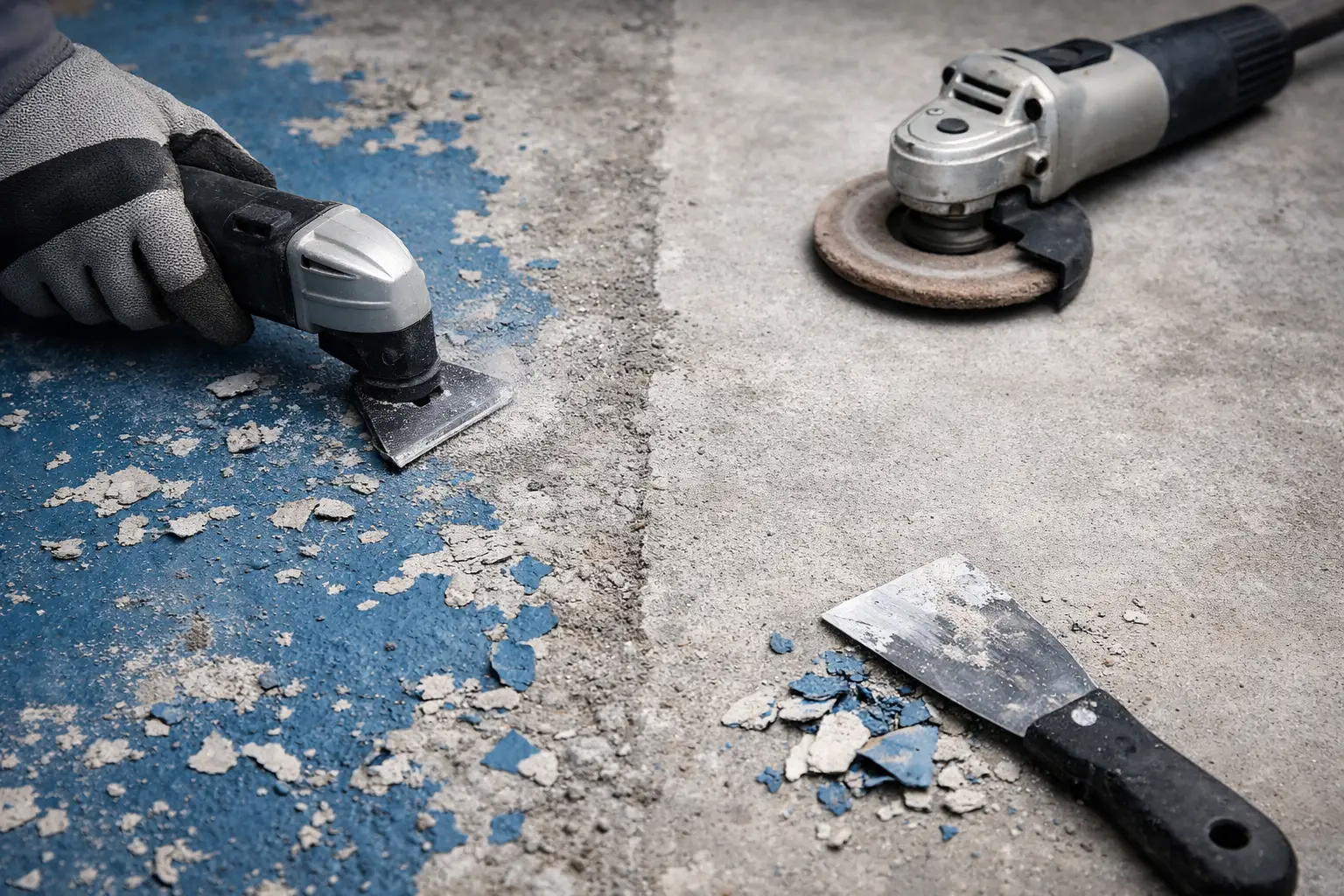
That is where experience matters. A specialist team knows how to match the right removal method to the floor covering and the substrate underneath. On one job, that might mean controlled mechanical tile removal. On another, it might mean stripping vinyl and then grinding adhesive off the slab so the next installer is not dealing with contamination.
For homeowners, that means fewer renovation hold-ups. For builders and project managers, it means less downtime between demolition and installation. For commercial operators, it means less disruption and a clearer path back to business.
Why some floors are harder to strip than others
The biggest mistake people make is assuming all floor removal is roughly the same. It is not. A small ceramic tile floor in good condition is a very different job from old terracotta on thick mortar, or glued timber over a slab that has already been patched more than once.
Adhesives are often the real issue. Older glues can bond aggressively and leave a residue that is harder to remove than the floor covering itself. Once that residue is spread across a large area, the job shifts from basic removal to surface preparation. If the slab is not cleaned properly, new finishes may not bond the way they should.
There is also the condition of the slab to consider. Cracks, previous repairs, moisture issues and uneven sections all affect how stripping should be handled. Pulling up the covering is one part of the work. Leaving a substrate that is sound, even and ready for the next trade is the part that saves time later.
Floor stripping Brisbane projects need to keep moving
In renovation work, delays spread fast. If floor removal takes longer than expected, every trade after it feels the impact. Tilers, floor layers, cabinet installers and painters all end up waiting on a site that should already be prepared.
That is why speed matters, but only when it is backed by control. Fast work is useful when it is done cleanly, safely and with the right equipment. It is not useful if the site is left full of dust, rubble and adhesive ridges that somebody else has to fix.
For residential clients, the pressure is usually about getting the home back into use. For investors, it is vacancy time. For commercial sites, it is trading disruption, access coordination and keeping other works on schedule. In each case, the best strip-out is the one that clears the problem without creating new ones.
What to expect from a specialist strip-out team
A professional floor stripping team should be able to assess the covering, identify likely challenges and explain what is needed to get the substrate ready. That includes the removal itself, but also the follow-up work that often gets overlooked – grinding, adhesive removal, edge clean-up and site preparation.
Dust control should be taken seriously. Floor removal can get messy fast, especially on larger commercial jobs or older residential sites where brittle materials break apart under machinery. Good containment and extraction are not extras. They are part of doing the job properly, particularly in occupied properties or shared buildings.
Safety is just as important. Removing floor coverings means dealing with sharp fragments, heavy equipment, uneven surfaces and, in some sites, confined work zones. A disciplined operator works efficiently because the process is organised, not because corners are cut.
Residential jobs need a different approach
In homes, people are often living around the renovation or trying to minimise disruption to neighbours, tenants or family. That changes how the work should be handled. Access, noise, dust and timing all matter.
A bathroom strip-out, kitchen renovation or full-home floor removal needs more than brute force. It needs planning. The sequence matters, especially when multiple rooms are being tackled and other trades are booked straight after. A good team works in a way that keeps the site moving and avoids unnecessary damage to surrounding areas.
This is especially important in units and townhouses. Shared access, lifts, body corporate requirements and close neighbours all mean the work has to be efficient and controlled. There is no room for a messy, drawn-out job.
Commercial floor stripping is about downtime
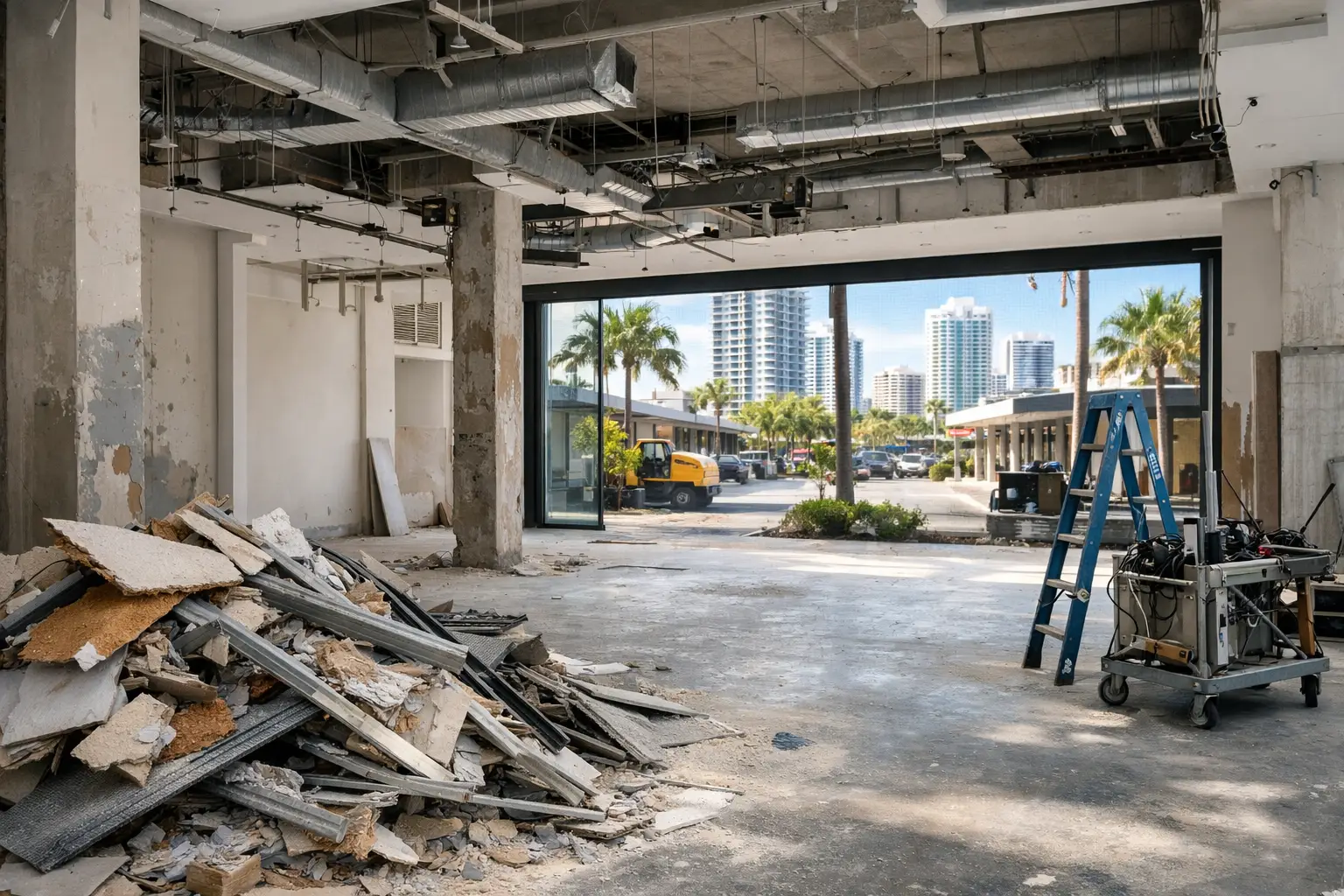
On commercial sites, floor stripping is often judged by one thing – how quickly the area can be handed back ready for the next stage. Offices, retail sites, hospitality venues and tenancies cannot afford open-ended removal work.
That is why specialist equipment and an experienced crew make such a difference. Larger open areas, stubborn finishes and tighter turnaround times need a team that can remove coverings at pace while still protecting the slab and keeping the site manageable. The difference between a general demolition approach and a targeted strip-out approach is usually obvious by the end of the day.
It also helps when one contractor can handle more than the floor itself. If the job includes a broader strip-out, such as kitchens, bathrooms, offices or full tenancy preparation, coordination becomes simpler and the site is easier to manage.
The slab matters as much as the covering
A lot of floor removal jobs are only half-finished when the old material is gone. If the slab is still coated in adhesive, scarred by tile bedding, or uneven from previous work, the next floor layer inherits the problem.
Surface preparation is where the job is won or lost. Slab grinding can remove residue, smooth high spots and help create a better base for new finishes. It is not always required to the same extent – it depends on what was removed and what is being installed next – but it is often the step that separates a quick rip-up from a professional handover.
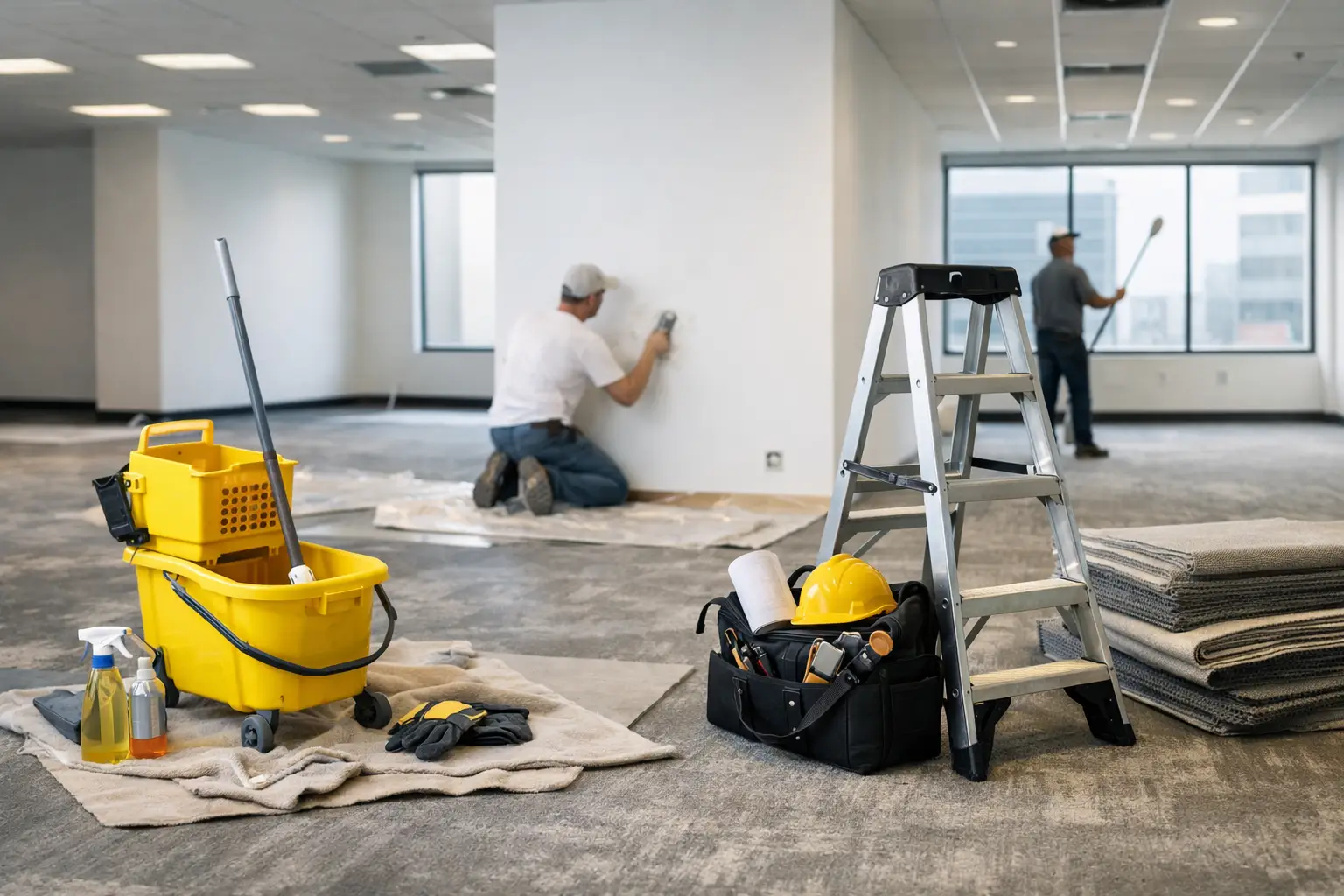
That handover matters. When the site is left clean, level and ready for installation, the whole renovation runs better. There is less patching, less rework and less blame-shifting between trades.
How to tell if your site needs specialist floor stripping
If the flooring is heavily glued, the material is brittle or layered, or the site has a strict turnaround, specialist removal is usually the safer choice. The same applies if you are dealing with large areas, difficult access, or a substrate that needs to be preserved rather than smashed up.
It also makes sense when there is more at stake than just the removal itself. If every day counts, if other trades are booked, or if the site needs to stay as clean and controlled as possible, experience is not a luxury. It is what keeps the programme intact.
For many renovation and fit-out projects, the best result comes from treating floor stripping as preparation work, not just demolition. That mindset changes the standard of the finish and the pace of the entire job.
Good floor stripping is not about making a mess quickly. It is about removing the old surface, managing the tough parts properly and leaving behind a site that is ready to move. If you get that part right, everything after it gets easier.