
Tiles rarely fail because of the tile itself. Most problems start underneath – loose bedding, leftover adhesive, dust, moisture, movement in the substrate, or a slab that looks flat until the first row goes down. That is why surface preparation before tiling is not a side task. It is the part that decides whether the new floor or wall goes in cleanly and stays that way.
If you are renovating a bathroom, kitchen, shopfront or office, the temptation is to get the old surface out and push straight into the new install. That is usually where delays, rework and poor finishes begin. A properly prepared surface gives the tiler a stable, clean base and removes the hidden issues that cause cracked tiles, hollow spots and lifting later on.
Why surface preparation before tiling matters
Tiling needs more than a surface that looks clean at a glance. The substrate has to be sound, level enough for the tile type, free from bond breakers, and suitable for the adhesive system being used. If any of those conditions are off, the tile may not bond as intended.
This matters even more on renovation work. New builds usually start with a cleaner slate. Renovations come with old tile bedding, vinyl glue, paint overspray, self-leveller remnants, waterproofing failures, slab cracks and uneven patches from previous repairs. Each one affects the next stage.
Good preparation also protects the schedule. When a tiler arrives and finds adhesive ridges, flaking concrete or moisture issues, the job slows down fast. Fixing the substrate properly before installation keeps the project moving and avoids having multiple trades stepping on each other.
What a tile-ready surface actually looks like
A tile-ready surface is solid underfoot or under hand, depending on whether it is a floor or wall. It should be clean, dry where required, and free from contaminants such as grease, dust, silicone, paint, curing compounds or adhesive residue. It should also be reasonably flat, not just roughly even.
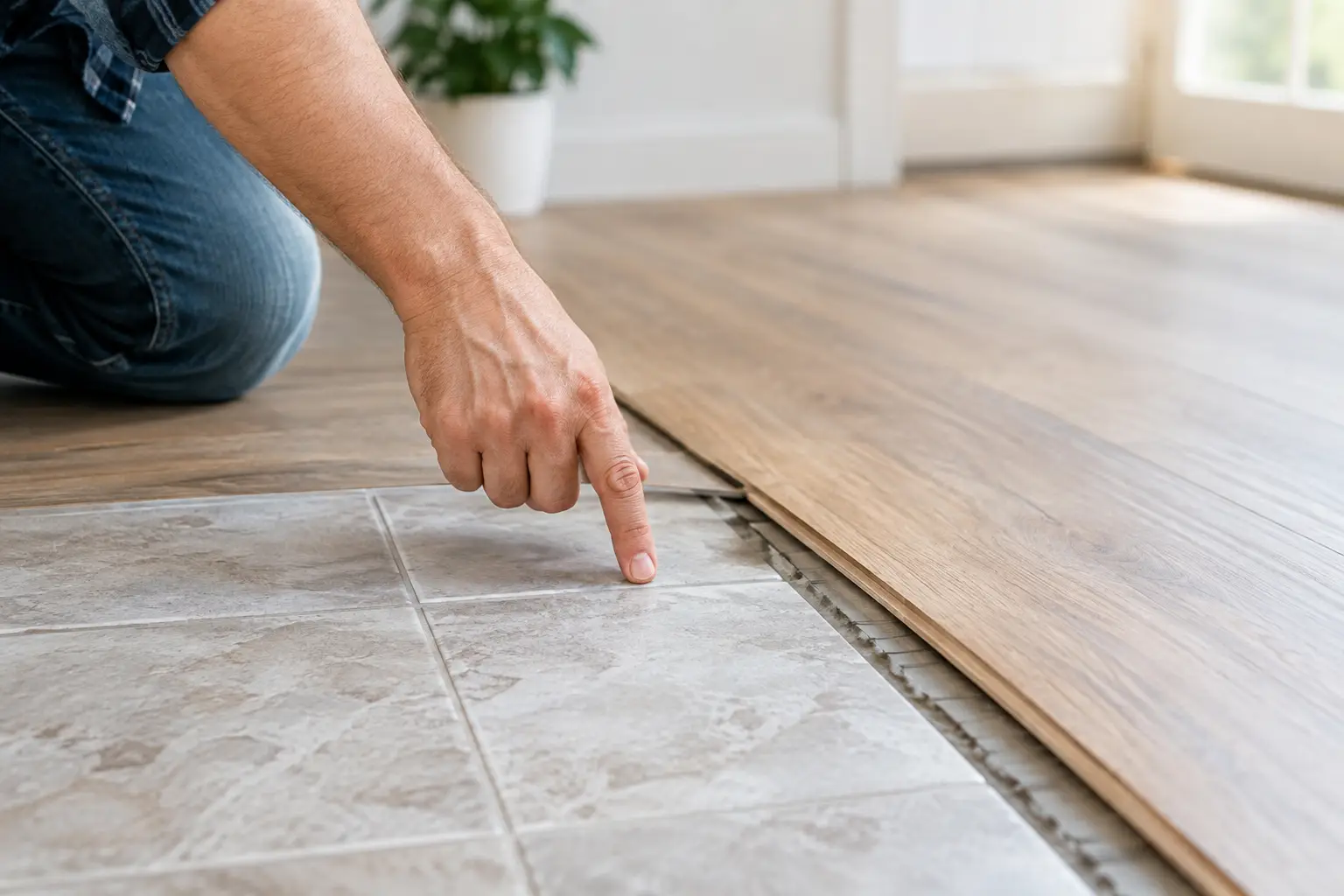
Flatness matters because tile size changes the tolerance. Small tiles can handle a bit more variation. Large-format tiles are far less forgiving. Any high spots or low spots become obvious once they are laid, and lippage quickly becomes a problem.
The substrate must also match the location. A concrete slab in a living area is one thing. A bathroom floor, balcony or commercial kitchen is another. Wet areas, heavy traffic areas and spaces exposed to movement need more careful preparation and sometimes added treatment before tiling starts.
Clean is not the same as prepared
This is where many jobs go wrong. Sweeping up rubble and giving the floor a quick vacuum does not mean it is ready. If old glue is still smeared across the slab, if the tile bedding has left high ridges, or if flaky paint remains on a wall, the surface is not prepared. It is just tidy.
Proper preparation often involves mechanical removal, grinding, patching and moisture checks. It is physical work, but it is precision work too.
The main issues that need to be dealt with first
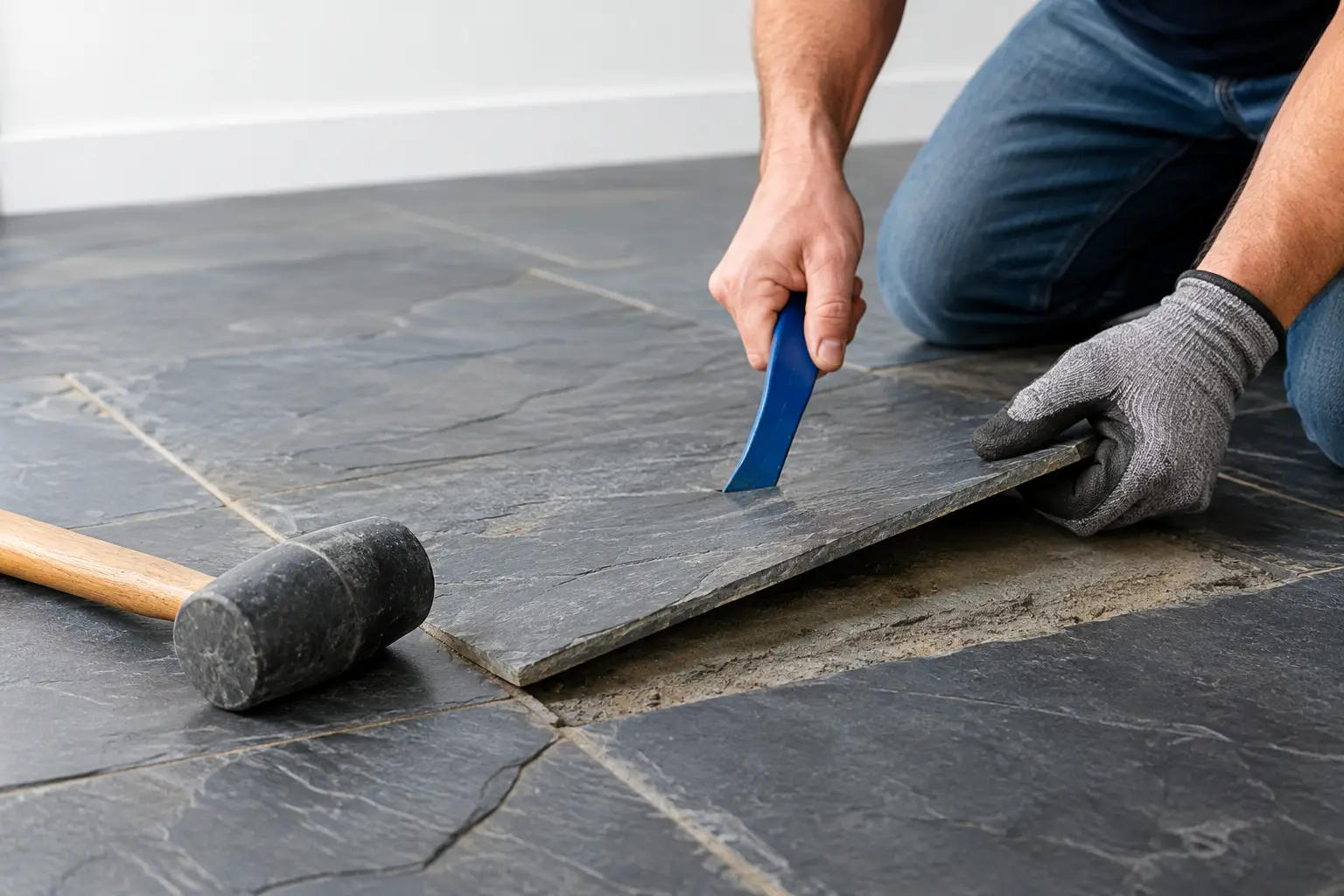
Old adhesives are one of the biggest problems. Vinyl glue, carpet glue and tile adhesive can all interfere with the new bond. Some residues soften under moisture. Others create an uneven film that stops adhesive from grabbing properly. In many cases, complete removal is the safest path.
Uneven slabs are another common issue. After old tiles come up, the slab often has remnants of bedding and random surface damage. If the floor is left like that, the tiler spends valuable time trying to work around it, and the finish may still suffer.
Cracks also need proper attention. Not every crack is structural, but none should be ignored. Hairline cracking may be manageable with the right treatment. Ongoing movement is a different story and needs assessment before tiling goes ahead.
Moisture is the quiet problem that catches people off guard. A slab can look dry and still hold enough moisture to affect adhesives or finishes. In wet areas, failed waterproofing or poor falls can also show up during preparation, not after tiling.
Surface preparation before tiling on concrete slabs
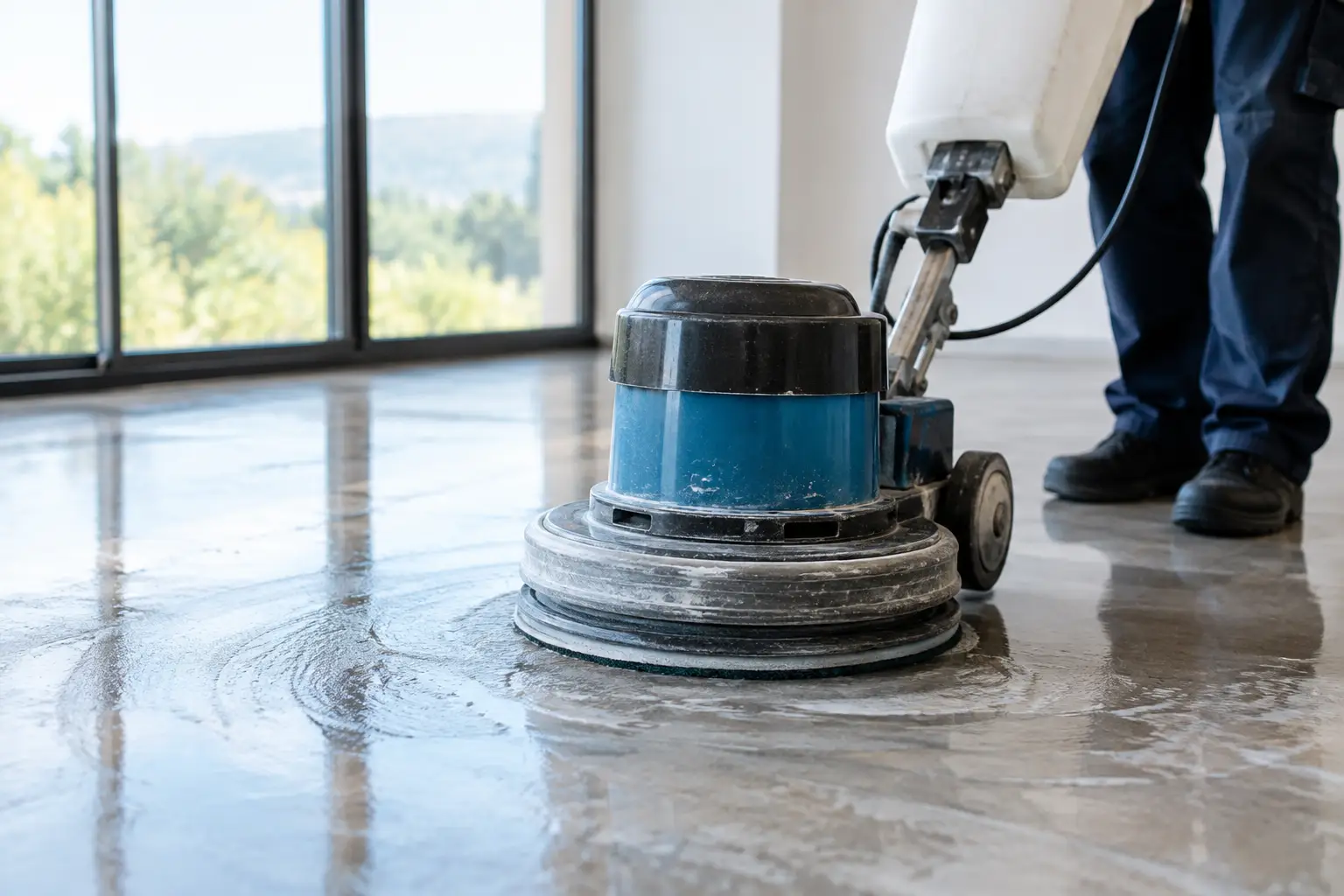
Concrete is a common base, but it is not automatically ready for tiles once the old covering is removed. Residual adhesive, paint, levelling compounds and surface laitance can all affect adhesion. Mechanical grinding is often the most reliable way to get back to a clean, sound surface.
Grinding also helps expose problem areas. It reveals weak patches, high spots and previous repairs that may need more work. For renovation projects, this step can make the difference between a clean install and a floor that fights the tiler the whole way.
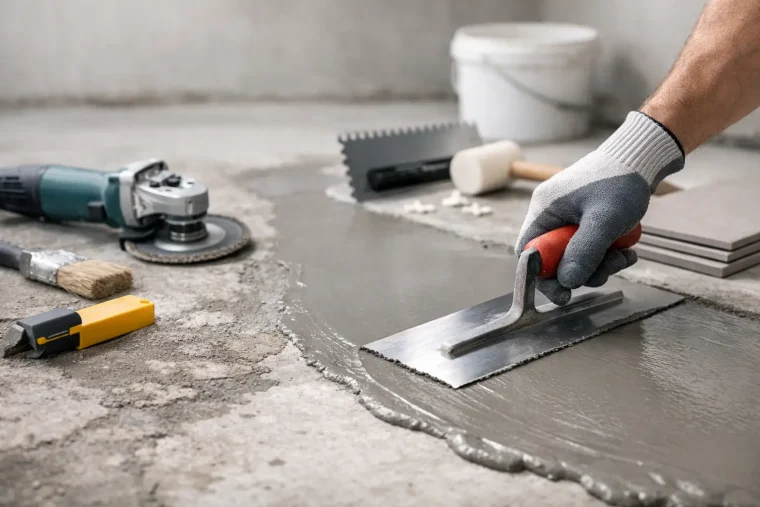
Where the slab is out of level or badly uneven, patching or levelling may be needed after grinding. The right approach depends on the tile size, the room use and how much variation exists. There is no point laying quality tiles over a floor that has not been properly corrected underneath.
Adhesive and bedding removal matters
Tile removal is only half the job. The bedding and glue left behind are often harder to deal with than the tile itself. Chipping at it by hand can be slow, inconsistent and rough on the slab. Specialist removal equipment and slab grinding produce a cleaner result and a more predictable surface for the next stage.
That is especially relevant in tight renovation windows where the site needs to be handed over ready for the tiler, not half-ready with another round of prep still hanging over the project.
Preparing timber, fibre cement and other substrates
Not every tile job goes over concrete. Timber floors, compressed sheeting and fibre cement surfaces can all be tiled, but they need the right build-up and support. Movement is the key issue here. Timber expands and contracts more than concrete, so the substrate system has to account for that.
Loose boards, squeaks, flex and water damage need to be rectified first. If the base moves too much, the tile system above it will usually show the damage sooner or later. Preparation on these surfaces is less about brute removal and more about creating a stable underlay that suits tiling.
Walls also need checking. Painted plasterboard, old render and patched surfaces can all create bonding issues if not treated properly. A wall can look straight enough until large-format tiles highlight every dip and hump.
The role of dust control and clean execution
Surface preparation is a messy trade when it is done badly. It does not have to be. Dust control matters for safety, site cleanliness and the quality of the finished prep. Fine dust left across a slab can interfere with priming and adhesion, and uncontrolled dust creates problems for everyone else on site.
That is why disciplined prep work matters. Proper extraction, controlled grinding and a clean handover are not extras. They are part of delivering a site that is ready for the next trade without unnecessary disruption.
For occupied homes, retail spaces or offices, this becomes even more important. Fast work means very little if the place is left coated in dust or if the handover still needs hours of cleanup.
When to call in a specialist
Some prep jobs are straightforward. Others are not. If the old floor has multiple layers, stubborn adhesives, damaged tile bedding, epoxy coatings or heavy slab contamination, specialist equipment and experience usually save time and reduce risk.
The same applies when the project has a tight turnaround. Builders, renovators and property managers often do not have room in the programme for trial and error. They need the removal done properly, the slab cleaned back, and the surface left ready for the next crew.
A specialist team also knows what to look for while the surface is being opened up. That can include hidden cracks, substrate weakness, moisture concerns and previous patch jobs that are likely to fail. Finding those issues early is far better than discovering them once the new tile is already on site.
A better result starts before the first tile
The best tiling jobs usually look easy once they are finished. Straight lines, even heights, solid bonding and a clean finish all give that impression. What you do not see is the groundwork underneath. That is where the job is won.
Surface preparation before tiling is about more than getting rid of what was there before. It is about handing over a stable, clean and properly corrected surface so the new installation has every chance of lasting. If the substrate is right, the tiling stage runs better. If it is wrong, the problems rarely stay hidden for long.
If you are planning a renovation, treat preparation as part of the main job, not a quick add-on. It will save time, protect workmanship and give the next trade the solid starting point they need.