
You can lay new flooring over a concrete slab in the morning and still have the whole job stalled by lunch if adhesive residue concrete floor issues have not been dealt with properly. Old glue looks harmless until it starts clogging grinders, rejecting levelling compounds, or telegraphing straight through the new finish. If the slab is not clean, sound and properly prepared, the next trade inherits the problem.
That is why adhesive removal is not a small clean-up job. It is part of surface preparation, and it directly affects how well the new floor bonds, levels and lasts. Whether you are renovating a house, fitting out a tenancy or preparing a commercial site, the goal is the same – get back to clean concrete without damaging the slab or wasting days on the wrong method.
Why adhesive residue on a concrete floor causes problems
Not all adhesives fail in the same way. Some stay tacky, some go brittle, and some soak deep into the slab surface. Carpet glue, vinyl adhesive, black mastics, timber flooring glue and epoxy-based products all behave differently under removal equipment. What works on one site can be completely wrong on the next.
The main issue is contamination. Residue left behind can interfere with tile glue, vinyl installation, hybrid flooring, epoxy coatings and self-levelling products. Even where a new covering appears to stick at first, weak bond points often show up later as lifting, cracking, bubbling or uneven wear.
There is also the flatness problem. Old adhesive often traps fine debris and creates ridges, high spots or patchy build-up across the slab. On a bare concrete floor that may seem minor, but once you start laying a new finish, those imperfections matter. Good preparation is what gives the installer a surface they can actually work with.
Adhesive residue concrete floor removal is not one-size-fits-all
The right approach depends on the type of adhesive, the condition of the concrete, the age of the installation and what is going back over the top. That is why quick fixes can create bigger problems.
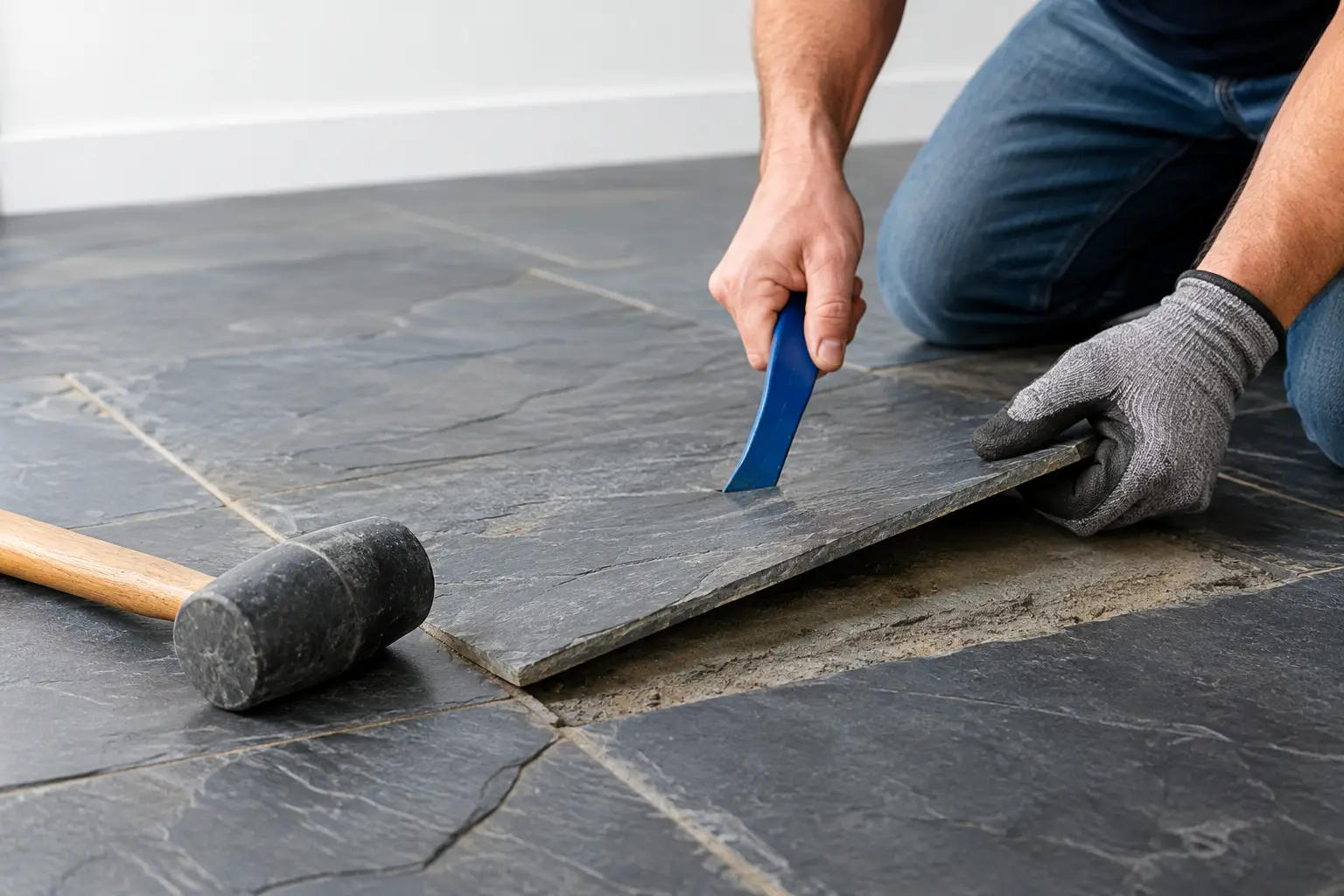
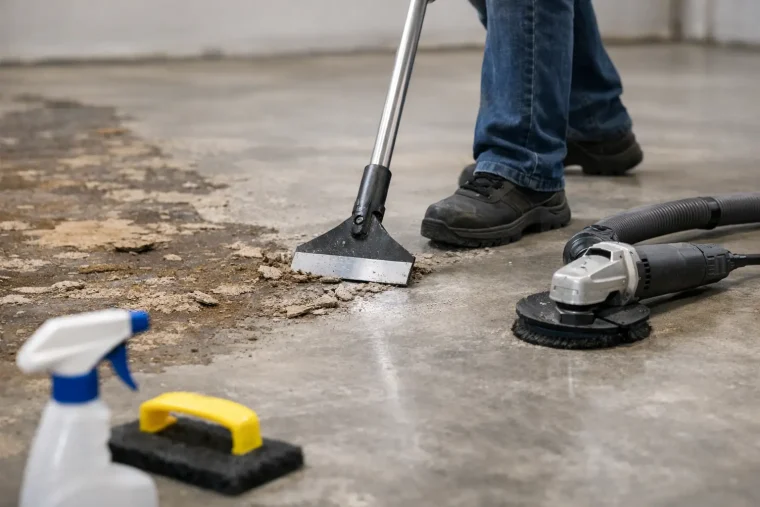
Scraping may be enough for loose or brittle residue, particularly after old carpet has been lifted. But where glue is heavy, rubbery or bonded hard into the slab, hand scraping becomes slow and inconsistent. Solvents can soften certain products, but they can also smear the adhesive, push contamination deeper into the surface or leave chemical traces that affect the next stage of installation.
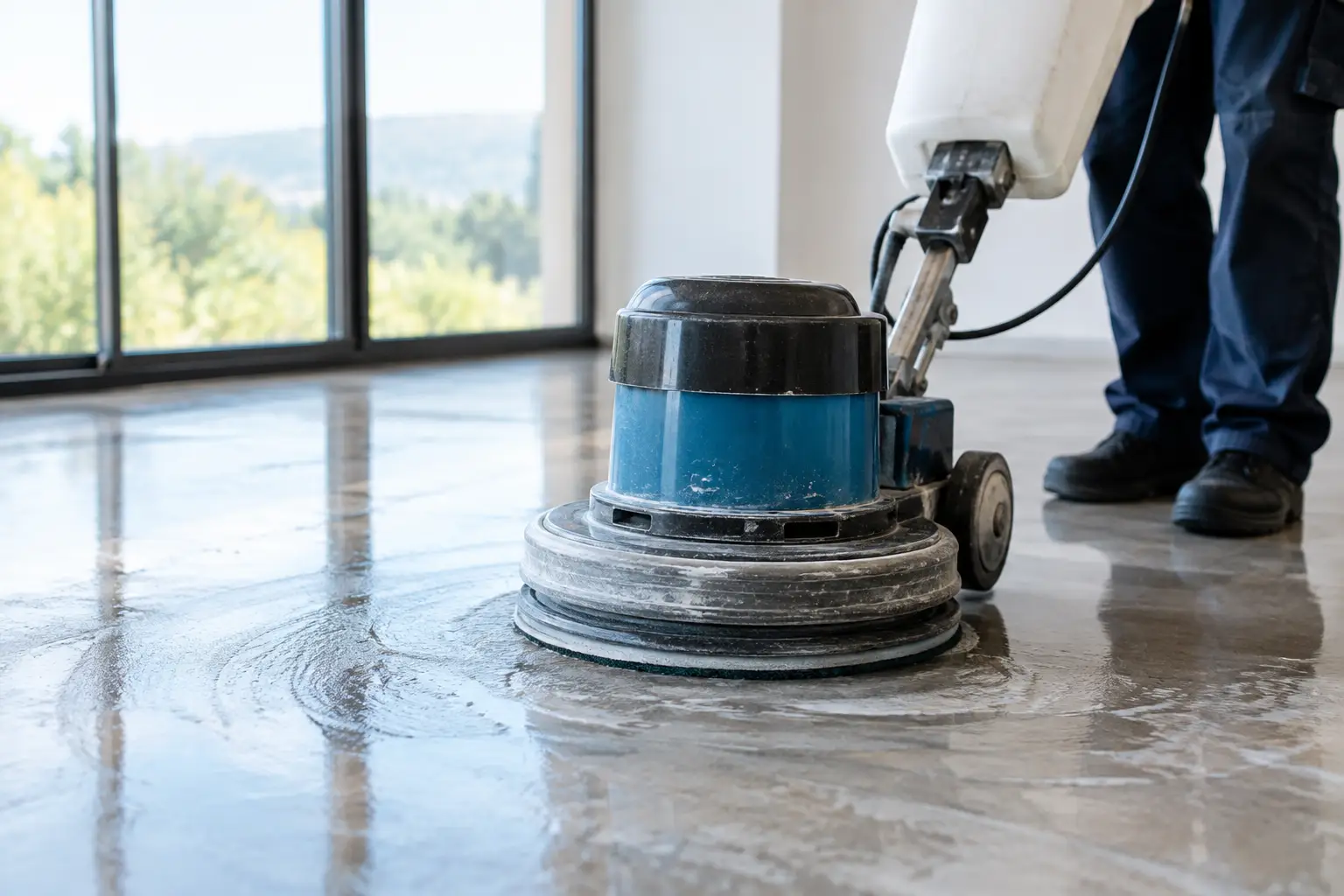
Grinding is often the most reliable way to remove stubborn residue and bring the slab back to a clean, uniform profile. Even then, it needs to be done properly. Too aggressive and you risk gouging or unevenness. Too light and the slab still carries contamination. The skill is knowing how much removal the slab needs and choosing equipment that gets the result without turning the site into a dust problem.
Common adhesives found on concrete slabs
Most problem jobs come back to a handful of materials. Carpet adhesives are common in homes, offices and rental properties, and they can range from flaky and dry to soft and sticky. Vinyl adhesives often leave broad areas of thin residue that seem easy until they heat up under equipment and smear across the slab.
Timber flooring glues tend to be tougher and more localised, but they bond aggressively and usually need mechanical removal. Tile bedding residue mixed with adhesive can leave the floor uneven and hard to level. Older black adhesives need extra caution because the age and makeup of the material can change how it should be handled.
This is where experience matters. Identifying the material early helps avoid wasted time and avoids using a method that makes the job worse.
What usually works best
For light residue, mechanical scraping followed by grinding may be enough to get the floor ready. For heavier glue, a combination of floor stripping equipment and slab grinding is usually the cleanest path forward. On commercial sites or larger residential renovations, that can save a lot of downtime because the removal and preparation happen as one coordinated job instead of separate stages.
Dust control also matters more than most people expect. Adhesive removal without proper dust management creates a mess that spreads well beyond the work zone, especially in occupied homes, retail spaces or office tenancies. Professional setups use the right extraction and containment so the job stays controlled and the site remains workable.
There is also a practical trade-off between speed and finish. If the slab only needs to be clean enough for further grinding or another prep stage, the removal can be more direct. If it needs to be left ready for a thin-set tile system, vinyl installation or coating application, the finish standard needs to be tighter. The method should match the end use, not just the removal itself.
When DIY stops making sense
A small patch of old glue near a doorway is one thing. A whole house, unit or commercial floor is another. The problem with DIY adhesive removal is not just labour. It is consistency, equipment limitations and the risk of preparing the slab badly enough that the next floor fails.
Hire machines can help in some situations, but they are rarely enough for heavy residue across larger areas. Many people start with scrapers, chemical removers or a basic grinder and quickly hit the same issues – slow progress, smeared glue, clogged tooling, airborne dust and an uneven finish. By the time they call in help, the site is often harder to rectify.
If timing matters, specialist removal is usually the better decision. A professional crew can assess the substrate, strip the residue, grind the slab where needed and leave the surface ready for the next trade with far less disruption. That is especially important when builders, tilers, floor installers or painters are booked to follow straight after.
Signs the concrete needs professional preparation
If adhesive covers a large area, sits in patches of varying thickness or has soaked into the slab, it is already beyond a simple scrape-and-sweep job. The same applies if the floor has multiple old coverings removed over time and the residue is layered.
You should also be cautious where the concrete is soft, cracked, previously patched or out of level. Removal in those conditions is not just about taking glue off the top. It is about preserving the slab, correcting the profile where possible and making sure the substrate is suitable for what comes next.
On renovation projects across homes and commercial sites, this is often where specialist operators like Rapid Stripped add value. The removal is only half the job. Leaving a clean, workable slab without unnecessary delay is what keeps the project moving.
How proper slab prep protects the next stage
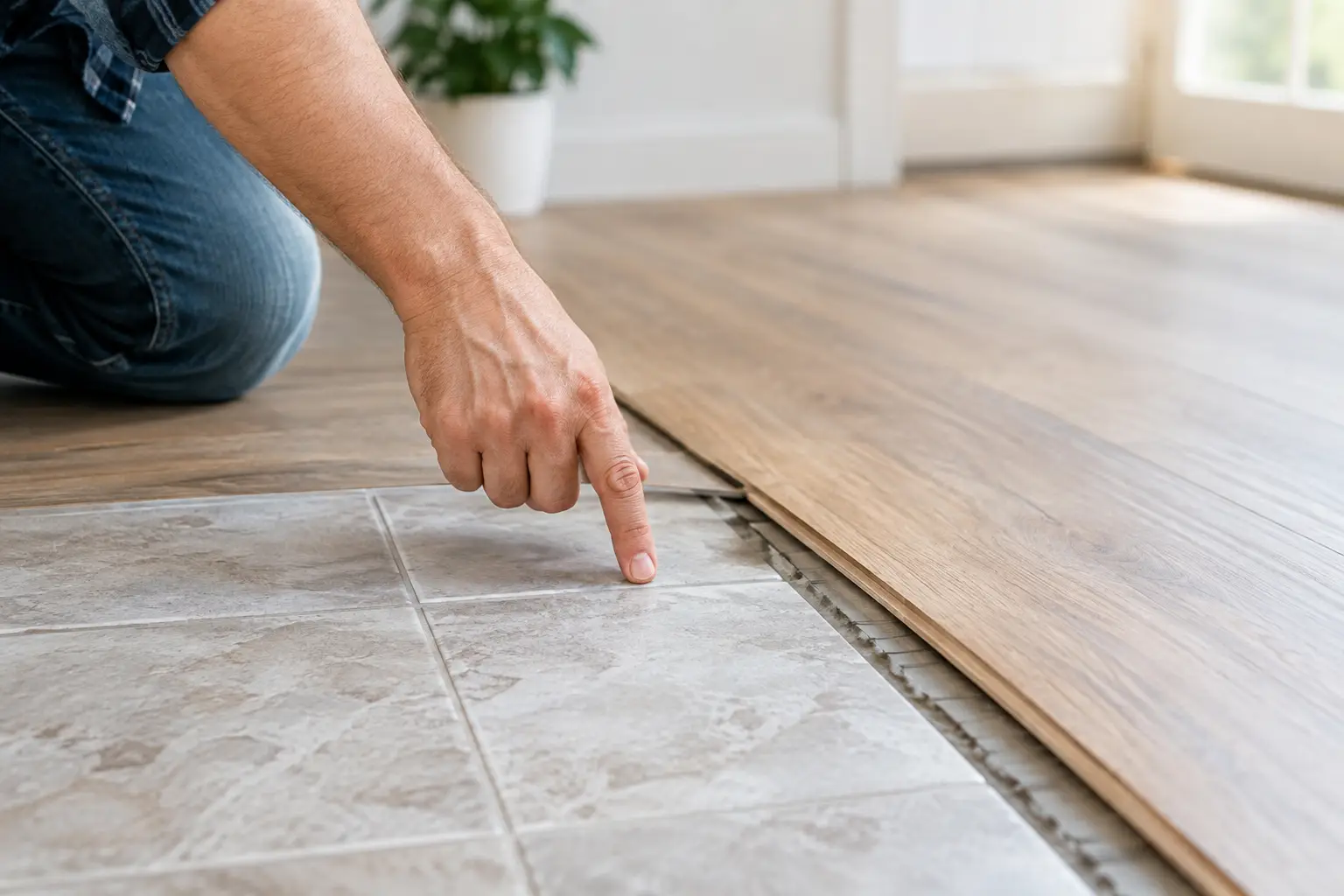
Flooring systems are only as good as the surface underneath. Tiles need reliable adhesion. Vinyl needs a smooth, contaminant-free base. Hybrid and timber products need flatness. Coatings and epoxies need a prepared profile that promotes bond rather than fights it.
If adhesive residue is left behind, every one of those systems is at risk. Sometimes failure shows up immediately. More often it appears months later, after the site is handed over and people are using the space. At that point, fixing the problem is harder, more disruptive and more expensive in time and rework.
Good slab prep avoids that. It gives the next installer a clean start and removes the uncertainty around hidden contamination, weak spots and inconsistent texture. That is why serious renovators, builders and property managers do not treat adhesive removal as an afterthought.
The smarter way to handle adhesive residue concrete floor issues
The best result comes from looking at the whole floor, not just the visible glue. What was installed there before, how the adhesive has bonded, what condition the slab is in and what finish is going down next all shape the right removal method.
Sometimes the answer is straightforward stripping and grinding. Sometimes it involves more detailed slab preparation to deal with rough patches, bedding remnants or surface damage. Either way, the aim is clear – remove the residue properly, control the mess, and hand over a surface that is genuinely ready for renovation.
If your floor still has glue on the slab, do not assume it is a minor issue that can be covered up later. The cleanest jobs usually start with the hardest part being done right first.