
A floor can look stripped until the old adhesive is exposed. That residue is often what decides whether new tiles bond properly, vinyl lies flat, timber flooring stays stable or a coating fails early. Mechanical versus chemical adhesive removal is not a one-size-fits-all choice. The right method depends on the adhesive, the substrate underneath, the floor finish going back down and how quickly the site needs to be ready.
For renovation work, the objective is not simply to remove visible glue. It is to leave a sound, clean and suitably profiled surface without damaging the slab, spreading contamination or creating avoidable delays for the next trade.
Mechanical versus chemical adhesive removal: the main difference
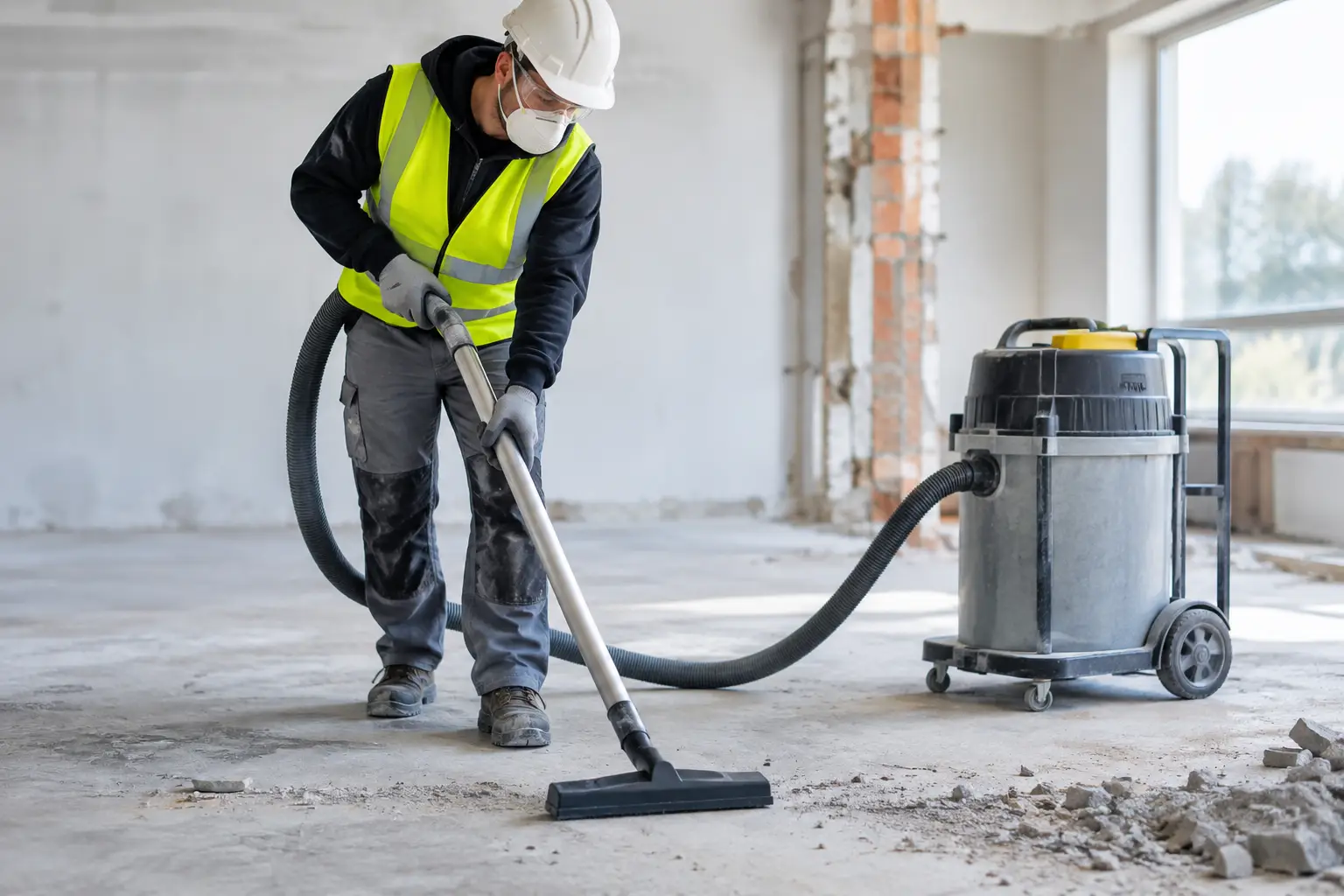
Mechanical removal uses equipment and abrasion to physically break, scrape, shave or grind adhesive from the substrate. Depending on the job, this can involve floor scrapers, ride-on or hand-operated stripping machines, diamond grinders, carbide tooling and dust-control systems. It is the direct approach: remove the adhesive and prepare the surface at the same time where possible.
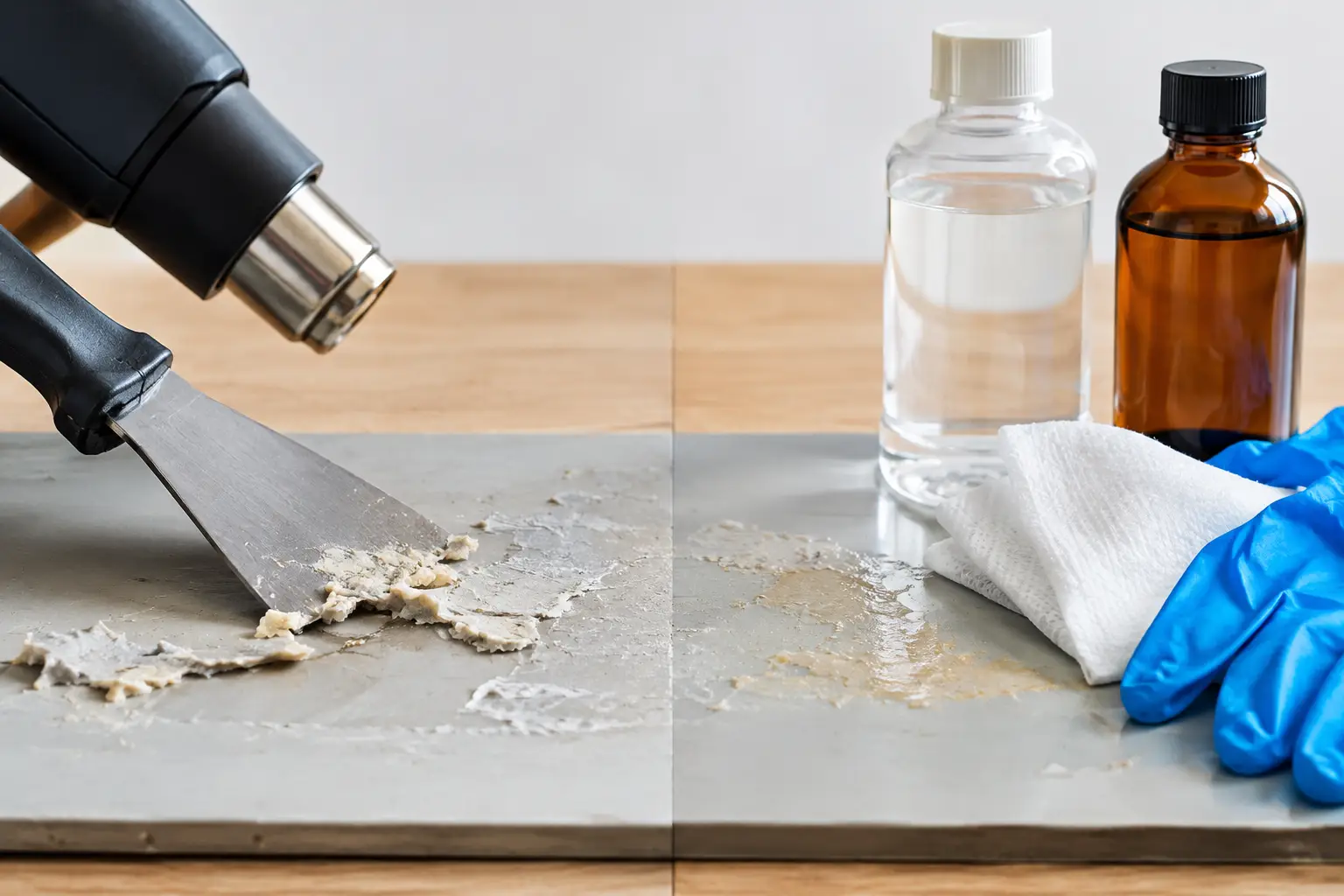
Chemical removal relies on products that soften, dissolve or emulsify adhesive so it can be lifted from the floor. These products can be useful for certain residues, particularly where aggressive mechanical work may damage a sensitive substrate. But chemical stripping is rarely as simple as applying a product and wiping the floor clean. It requires correct product selection, controlled dwell time, physical removal of softened material and thorough cleaning afterwards.
Neither method is automatically better. A concrete slab covered in hard, brittle tile adhesive calls for a different approach to a timber subfloor with pressure-sensitive vinyl glue. The finish planned for the room also matters. A surface being prepared for epoxy has tighter cleanliness and profile requirements than a floor receiving carpet tiles.
When mechanical removal is the stronger option
Mechanical removal is generally the preferred method for thick, hard or widespread adhesive on concrete. Tile bedding, cement-based glues, old levelling compounds, hardened construction adhesive and stubborn vinyl residue usually respond best to the right scraper or grinding setup.
The biggest advantage is speed across larger areas. Instead of waiting for chemicals to work in small sections, a properly matched machine can remove bulk material quickly and consistently. On many projects, it also produces a more dependable surface for the next stage of works. Diamond grinding can take off residual adhesive while opening and evening the slab, helping flooring installers work from a cleaner base.
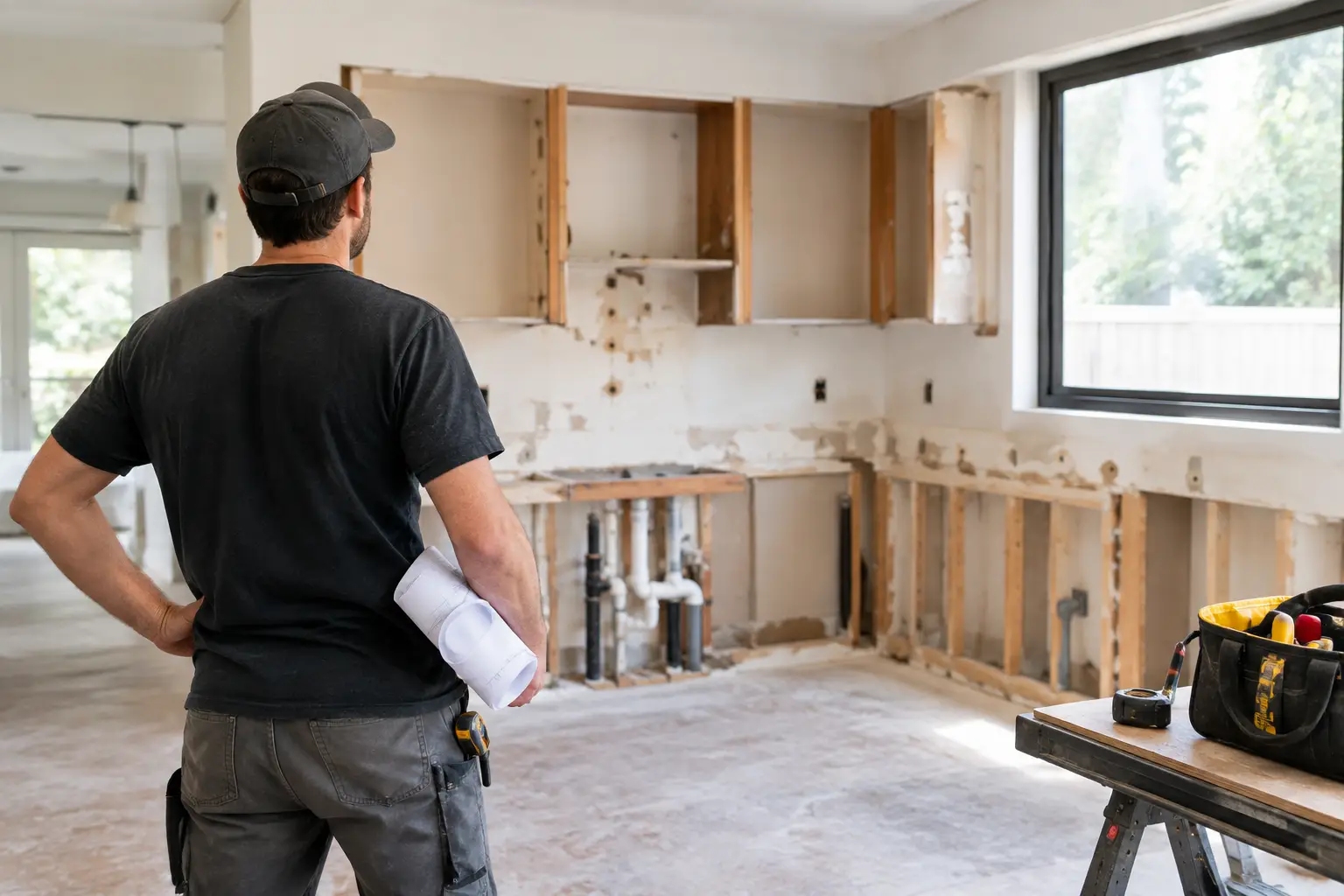
Mechanical methods are particularly practical when a property needs fast turnaround. For a kitchen renovation, retail refit, office strip-out or unit upgrade, removing flooring and adhesive in one coordinated operation can keep the programme moving. It reduces the chance of a new installer arriving to find hidden glue, loose material or an uneven slab that still needs attention.
There are limits. Aggressive tools in inexperienced hands can gouge concrete, scar timber, expose weak patches in a slab or damage services and edges. The machine, tooling and operator need to suit the substrate. Dust also needs serious control. Grinding adhesive without proper extraction can spread fine dust through the site, create a cleaning problem and interrupt nearby work.
At Rapid Stripped, the focus is on selecting removal equipment that gets through difficult material efficiently while keeping the work area controlled and ready for the next trade.
Common mechanical applications
Mechanical removal is often the sensible choice for ceramic and porcelain tile adhesive, hardened carpet glue, old vinyl adhesive on concrete, epoxy residues, black mastic requiring controlled assessment, and thick glue left after timber or cork flooring has been lifted. The exact tooling changes with the material. A scraper may remove the bulk cleanly, while grinding deals with the thin residue that remains bonded to the slab.
That final pass matters. Adhesive ridges can telegraph through thin vinyl, create high spots under hybrid flooring or compromise the bond of new tiles. A floor may appear clean from the doorway but still be unsuitable for installation.
Where chemical adhesive removal can make sense
Chemical adhesive removal can be useful where the adhesive is soft, tacky or sensitive to heat and abrasion, or where the underlying surface cannot tolerate heavy mechanical action. Some timber floors, delicate surfaces and tight detailed areas may call for a carefully selected remover as part of the process.
The key word is carefully. Adhesive removers vary widely. A product that works on a pressure-sensitive glue may do very little to a cured construction adhesive. Some leave oily or waxy residues that must be fully removed before new flooring, levelling compounds or coatings are installed. If that cleaning stage is skipped, the new product may not bond as intended.
Chemical methods can also slow a project down. Dwell times change with temperature, adhesive thickness and ventilation. The softened material then has to be scraped up, contained and disposed of correctly. On a large commercial floor, that can mean a significant amount of wet, sticky waste and multiple cleaning passes.
Ventilation, personal protective equipment and occupant safety are non-negotiable. Strong odours and vapours may make chemical removal unsuitable in occupied homes, offices, hospitality venues or enclosed rooms. It can also be a poor fit where other trades are working nearby or where a site must be handed back quickly.
The substrate decides more than most people expect
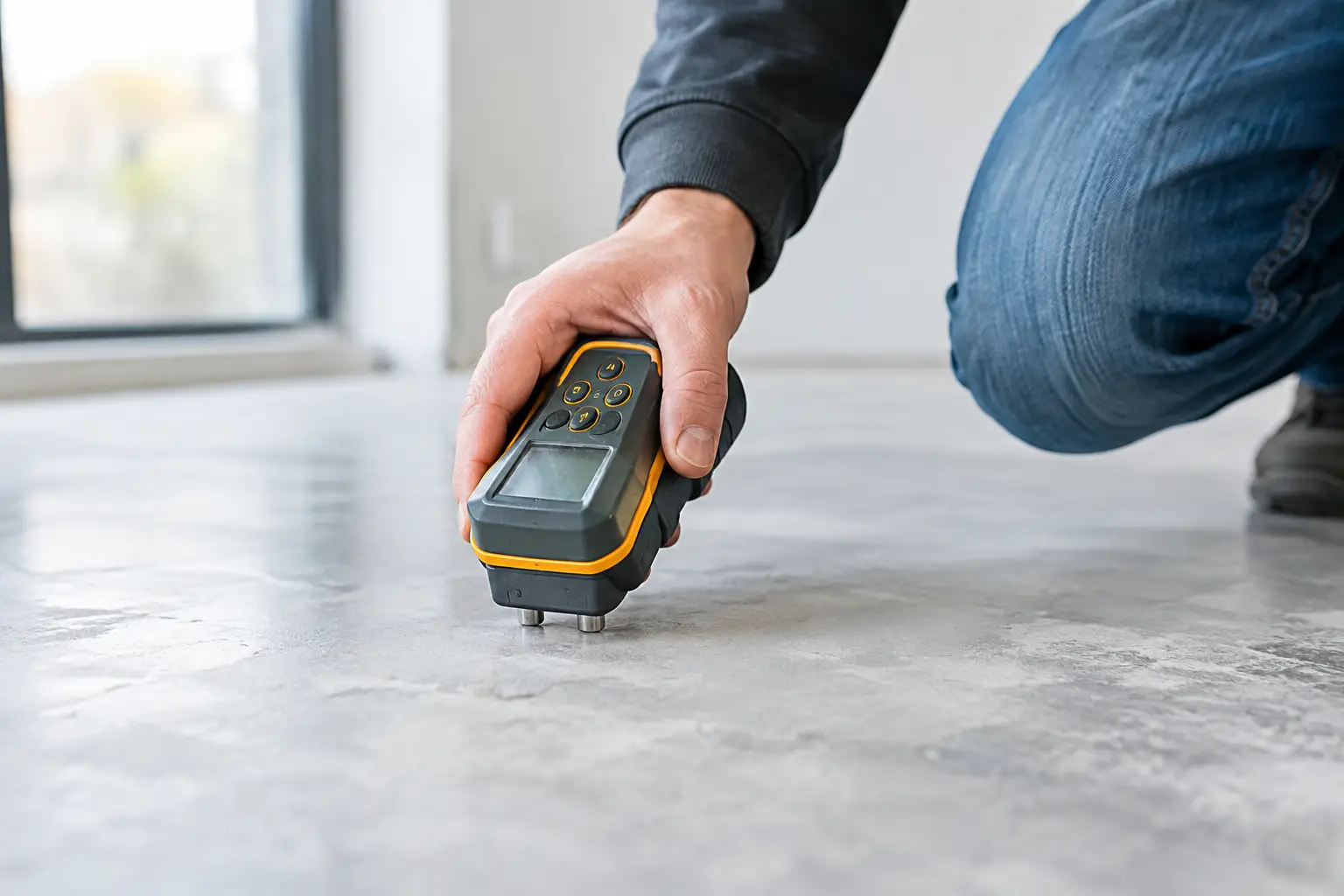
Before choosing a removal method, assess what is under the adhesive. Concrete is resilient, but not indestructible. Older slabs can have weak surface layers, previous patching, moisture issues or cracks that need consideration before grinding. A mechanical approach may be ideal, but only with suitable tooling and a controlled removal depth.
Timber needs more caution. Excessive scraping or grinding can remove material unevenly, damage boards or leave an inconsistent surface. Chemical removers may help in selected situations, but the floor must still be cleaned and allowed to dry properly before any new adhesive, underlay or finish is installed.
For sheet vinyl, old carpet and tile removal, there can also be surprises beneath the surface: multiple layers of adhesive, levelling compounds, loose screed or a previous coating system. This is why a quick visual check is not always enough. A small test area often reveals how the material will behave and whether a combined method is the most efficient option.
A combined approach is often the practical answer
On real worksites, mechanical versus chemical adhesive removal is often not an either-or decision. A combined approach can deliver the best result. Mechanical equipment removes the bulk of the adhesive quickly, while a suitable chemical product may assist with residue in corners, around fixtures or on delicate sections that cannot be aggressively ground.
The order matters. Applying chemicals before removing thick adhesive can create more mess than progress. The product may only soften the upper layer, leaving a heavy slurry that is harder to collect. Removing the bulk mechanically first usually reduces chemical use, waste and cleaning time.
The same applies to edge work. Large machines deliver productivity across open areas, but they cannot reach every wall line, doorway or service penetration. Detail scraping and smaller tools are part of a professional finish, not an afterthought.
Avoid shortcuts that cause installation failures
The most common mistake is treating adhesive removal as a cosmetic job. Covering old residue with new flooring, leveller or coating may save time on the day, but it can lead to poor adhesion, uneven finishes, moisture problems and costly rework.
Another risk is using the wrong chemical product without checking what will be installed next. Some flooring adhesives and coatings are highly sensitive to contaminants. If the slab is not properly cleaned, dried and prepared, the new system may fail even though the old glue appears to be gone.
Older materials deserve extra caution. If there is any concern about hazardous products in old floor coverings, backing, mastics or other building materials, do not grind, sand or scrape blindly. Arrange appropriate assessment before disturbance. Safety and compliance come before speed.
Plan adhesive removal around the next trade
The best removal method is the one that leaves the floor ready for its next purpose. Tell the removal team whether the area will receive tiles, polished concrete, epoxy, carpet, vinyl, timber, hybrid flooring or a levelling compound. Each finish has different tolerances for residue, surface profile and flatness.
Also consider access, occupancy and timing. A vacant house may allow a broader range of options than a trading shop or occupied office. For projects across Northern NSW, the Gold Coast, Brisbane and the Sunshine Coast, fast site preparation is often about more than machinery. It is about coordinating removal work so installers can start without cleaning up someone else’s unfinished job.
A clean slab is not merely the end of demolition. It is the foundation for everything that follows. Assess the adhesive, protect the substrate and choose a method that gives the next trade a proper surface to work with.