
A new floor cannot perform properly over a bad old surface. Loose tile bedding, hardened adhesive, damaged timber, paint overspray and uneven slab patches all create problems for the trades that follow. Northern NSW floor stripping is the work that clears those hidden obstacles early, so a bathroom, kitchen, retail space or full renovation can move forward without avoidable hold-ups.
The goal is not simply to pull up what is visible. Proper stripping removes the floor covering, deals with the residue underneath and leaves the substrate in a condition that is ready for its next treatment. That might mean new tiles, hybrid flooring, vinyl, carpet, epoxy, polished concrete or a levelling compound. Every finish has different requirements, but all of them rely on sound preparation.
Why Northern NSW Floor Stripping Needs a Specialist
Floor removal looks straightforward until the first section comes up. Tiles may be bonded to a concrete slab with thick bedding mortar. Old vinyl can leave a stubborn adhesive layer that softens in places and hardens in others. Timber flooring may be glued, nailed or fixed over battens. In older properties, several generations of flooring can be sitting on top of each other.
Trying to rush through this work with hand tools can damage the slab, create excessive dust and chew up days that should be spent on the renovation itself. It can also leave a surface that appears clear but is not actually suitable for the next installer. Small high spots, adhesive ridges and loose material can affect tile levels, flooring warranties and the final finish.
A specialist team selects the removal method for the material, the substrate and the access conditions. That may involve mechanical stripping equipment, controlled demolition tools, slab grinding or a combination of methods. The right approach removes material efficiently while avoiding unnecessary damage to the base below.
For occupied homes, strata units and operating commercial sites, containment and clean-up matter just as much as removal speed. Nobody wants fine dust travelling through hallways, adjoining rooms or common areas. Proper dust-control equipment, organised rubbish removal and a clean handover reduce disruption for owners, tenants and other trades.
What Can Be Removed From Your Floor
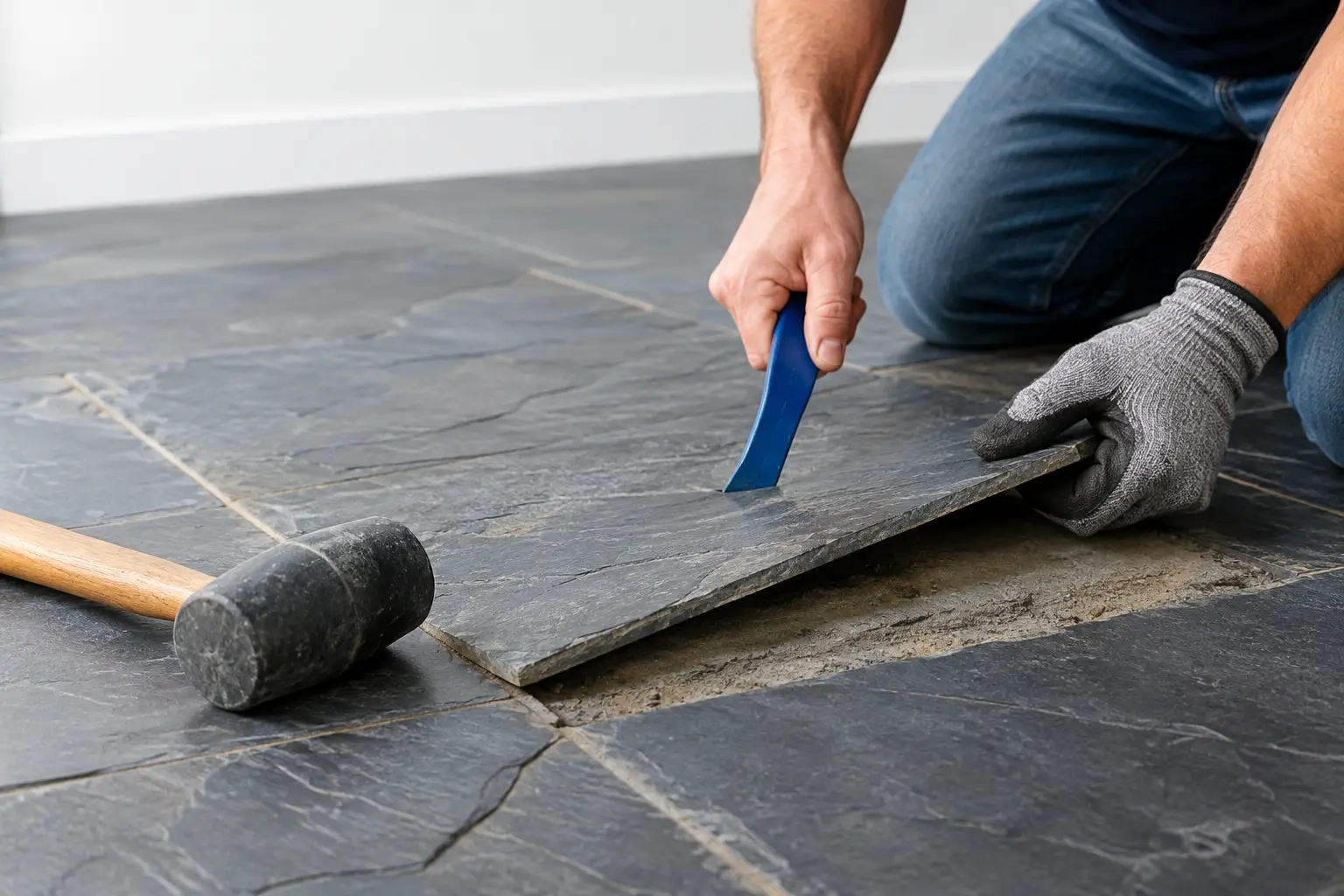
Different floor coverings fail differently, which is why there is no one-size-fits-all stripping method. Ceramic and porcelain tiles often require controlled lifting followed by removal of tile adhesive and bedding. Natural stone, terracotta and slate can be heavier and more firmly bonded, particularly in entryways, kitchens and outdoor entertaining areas.
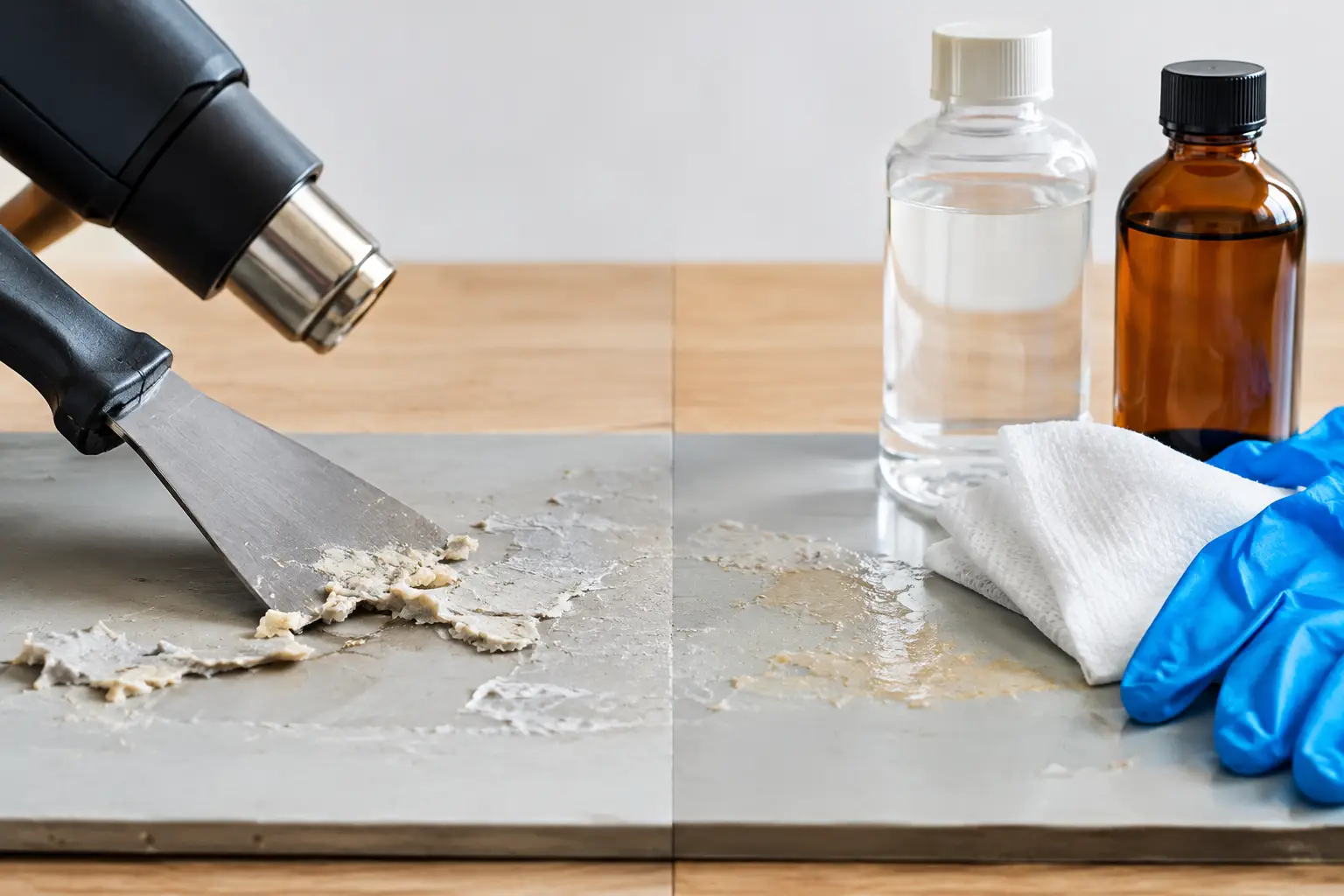
Vinyl, cork and carpet are commonly assumed to be easy jobs. The covering itself may lift quickly, but the adhesive underneath can be the real issue. A thin residue can stop new glue-down flooring from bonding properly, while uneven old adhesive may show through vinyl or create hollows beneath carpet.
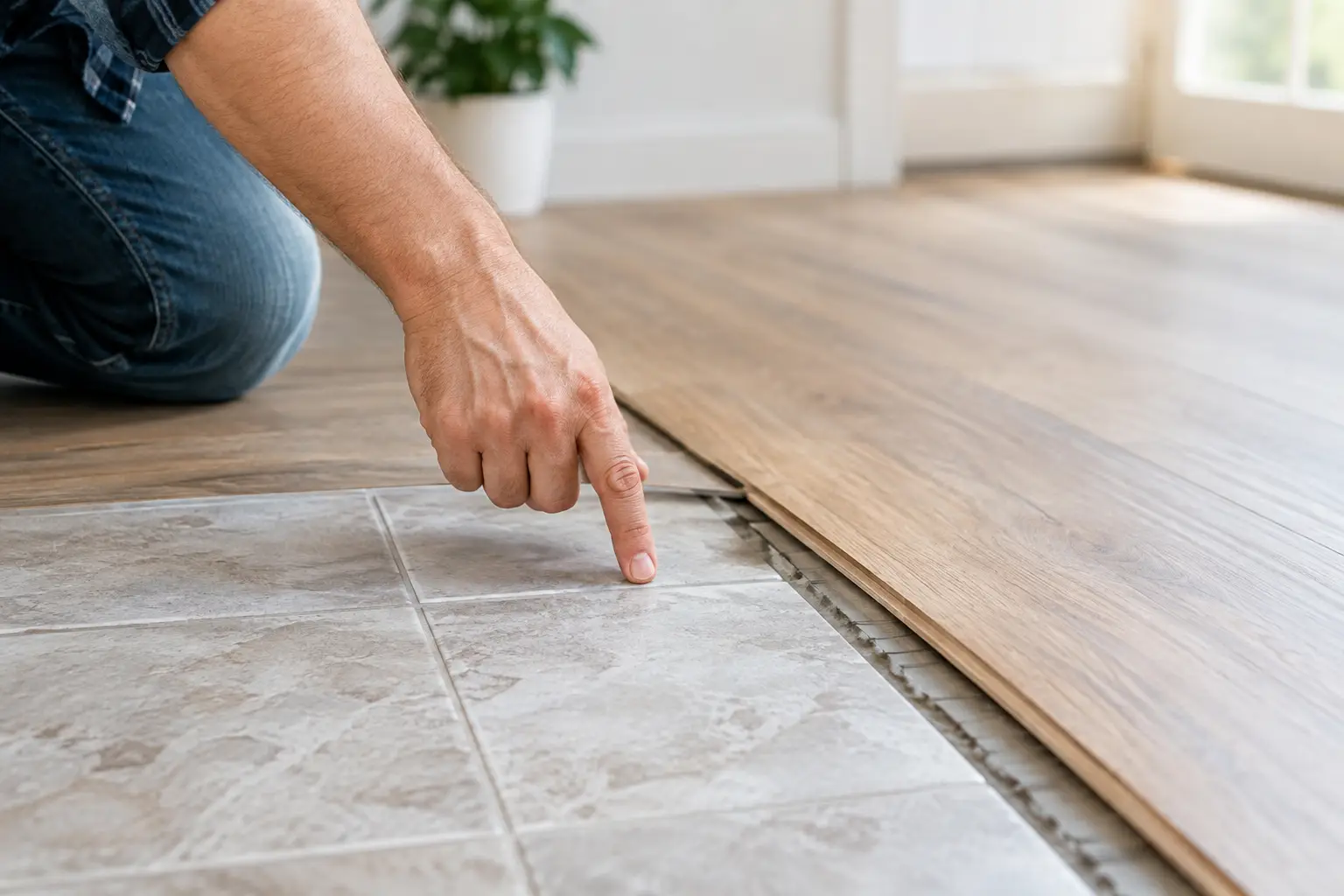
Timber removal also depends on how the floor was installed. Floating boards, direct-stick timber, parquetry and nail-fixed boards all require different handling. The work needs to account for the possibility of damaged concrete, old levelling compounds, moisture concerns and thresholds that need to line up with neighbouring rooms.
Epoxy coatings, floor paints and industrial finishes are another category altogether. These products are designed to bond hard to concrete. Grinding or mechanical removal may be needed to take the coating back and create an appropriate profile for the replacement system. This is particularly relevant in workshops, garages, hospitality venues and commercial areas where a failed coating can disrupt operations.
The Floor Stripping Process That Protects the Next Stage
A good job starts with an inspection rather than a guess. The team needs to understand the floor type, the area size, what sits beneath the surface, where rubbish can be removed and how access will work. A ground-floor home with clear side access is a different job from a unit with lifts, shared corridors and building management requirements.
Remove the Covering Without Creating More Work
The first task is lifting the existing surface efficiently. Equipment is chosen to suit the material and its bond to the substrate. On tiled floors, this means removing tiles and bedding without chipping or gouging the slab unnecessarily. On timber or vinyl, it means separating the covering from the base while limiting damage to surrounding walls, cabinetry and fixtures.
Where a renovation includes a bathroom, kitchen or full strip-out, floor removal needs to be coordinated with the wider demolition sequence. Removing flooring before redundant fixtures, wall linings or cabinetry are dealt with can create unnecessary rework. The order matters.
Deal With Adhesive, Bedding and High Spots
Once the visible covering is gone, the floor tells the real story. Adhesive ridges, mortar, grout residue, screw heads, patch repairs and old levelling compounds can all remain. These need to be assessed against the requirements of the new finish.
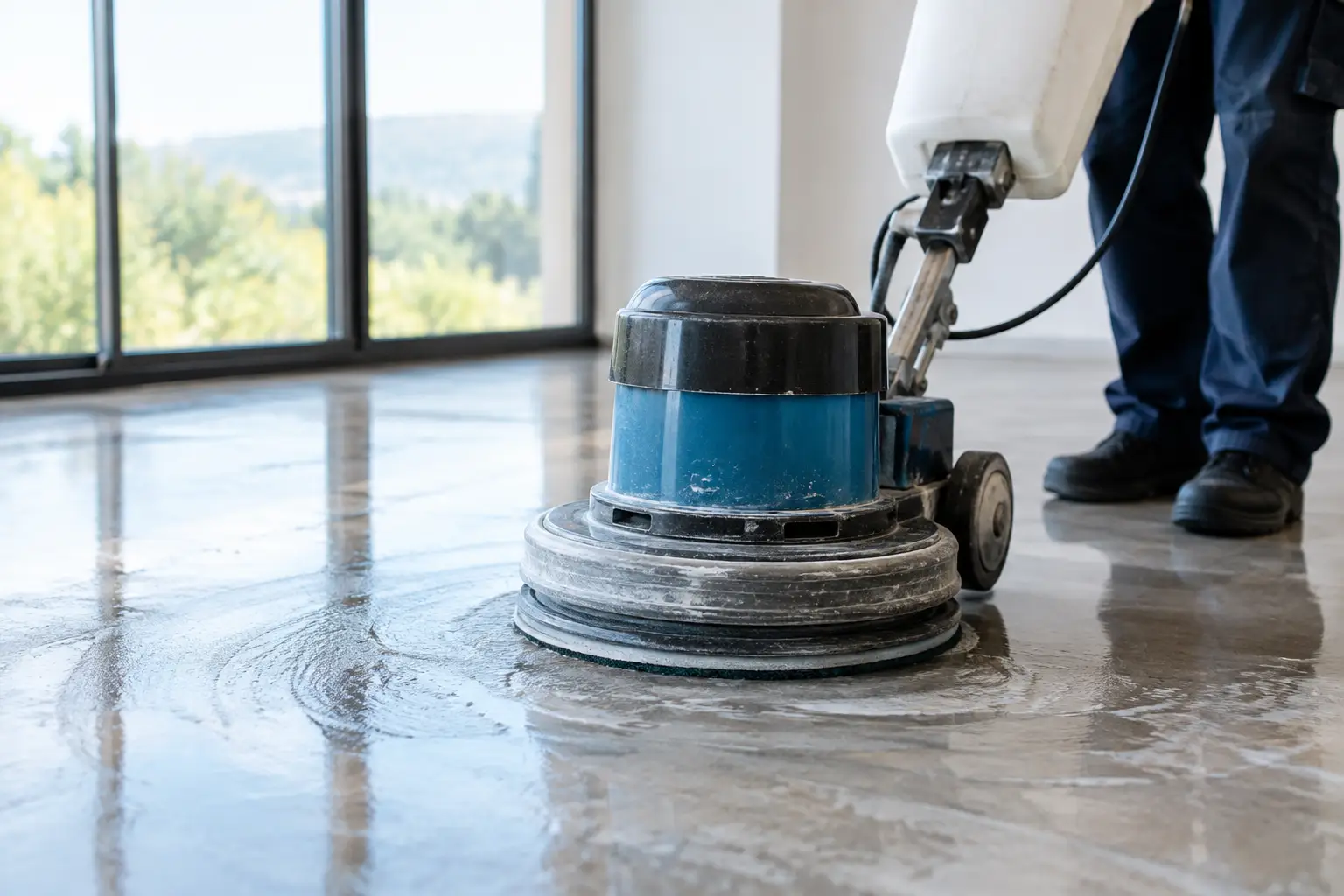
Slab grinding is often the step that turns a rough removal job into a usable substrate. It can remove stubborn residue, smooth raised areas and prepare concrete for coatings, adhesives or levelling products. Grinding is not always required across the entire floor. It depends on the condition of the slab and what is being installed next, but skipping it when the surface needs it can cost time later.
Control Dust and Keep the Site Workable
Floor stripping generates debris. Grinding generates fine dust. Both need to be managed properly, especially inside homes, medical spaces, offices, retail sites and buildings with shared access.
Professional dust extraction, practical containment and regular clean-up keep the job safer and make the site easier for other trades to enter once removal is complete. It also helps protect unaffected rooms where the renovation is being completed in stages. A fast job is only useful if it does not leave a bigger clean-up problem behind.
Clear the Area for Handover
The final stage is about job readiness. Rubbish and removed materials should be cleared, the floor checked for remaining residue and the work area left ready for the builder, tiler, flooring installer or coating contractor. Most standard removal jobs can be completed within a day, although large commercial areas, difficult adhesives, multiple layers and restricted access can extend the timeframe.
That honest assessment is valuable. A site with hard-bonded tile bedding may need more preparation than a simple carpet uplift, and it is better to allow for the real condition of the floor than to discover it halfway through installation.
Planning Around Your Renovation or Business Hours
The best time to arrange floor stripping is before the new materials arrive and before the installation date is locked in too tightly. Removal can uncover cracks, moisture damage, an uneven slab or substrate repairs that need attention before new flooring goes down. Leaving no room in the programme for these findings puts pressure on every trade after it.
For homeowners, clear the room as much as possible and confirm which fixtures, skirtings, appliances or built-in cabinetry are staying. For commercial property managers, access rules, loading areas, noise restrictions and waste arrangements should be confirmed before work begins. These details may sound minor, but they keep the work moving and reduce downtime.
If the building is older and there is any concern about hazardous material, stop before disturbing it. Suspected asbestos-containing materials or other hazardous products require the correct assessment and handling process. No renovation deadline is worth taking risks with site safety.
When DIY Removal Becomes a False Saving
Small sections of loose carpet or floating floorboards can be manageable for capable property owners. The trade-off changes when the job involves bonded tile, glued timber, resilient flooring adhesive, epoxy or a large area that must be ready by a set date.
DIY removal often creates three problems: slow progress, damaged substrates and incomplete preparation. Hiring equipment without experience can also leave swirl marks, low spots or slab damage that needs repair before installation. The apparent saving can disappear once extra labour, repair products and delayed trades are added up.
Rapid Stripped handles demanding floor removal and surface preparation for homes, units, offices and commercial spaces across Northern NSW. The focus is simple: remove the old material properly, manage the mess and leave a site that is ready for what comes next.
When you are planning new flooring, do not judge the existing surface by what you can see from the doorway. Get the floor checked early, allow for proper preparation and give the next trade a clean, sound base to work from.