
Astro Turf Removal needs the right tools and prep. Learn what’s involved, common issues, and how to leave the surface clean and ready.
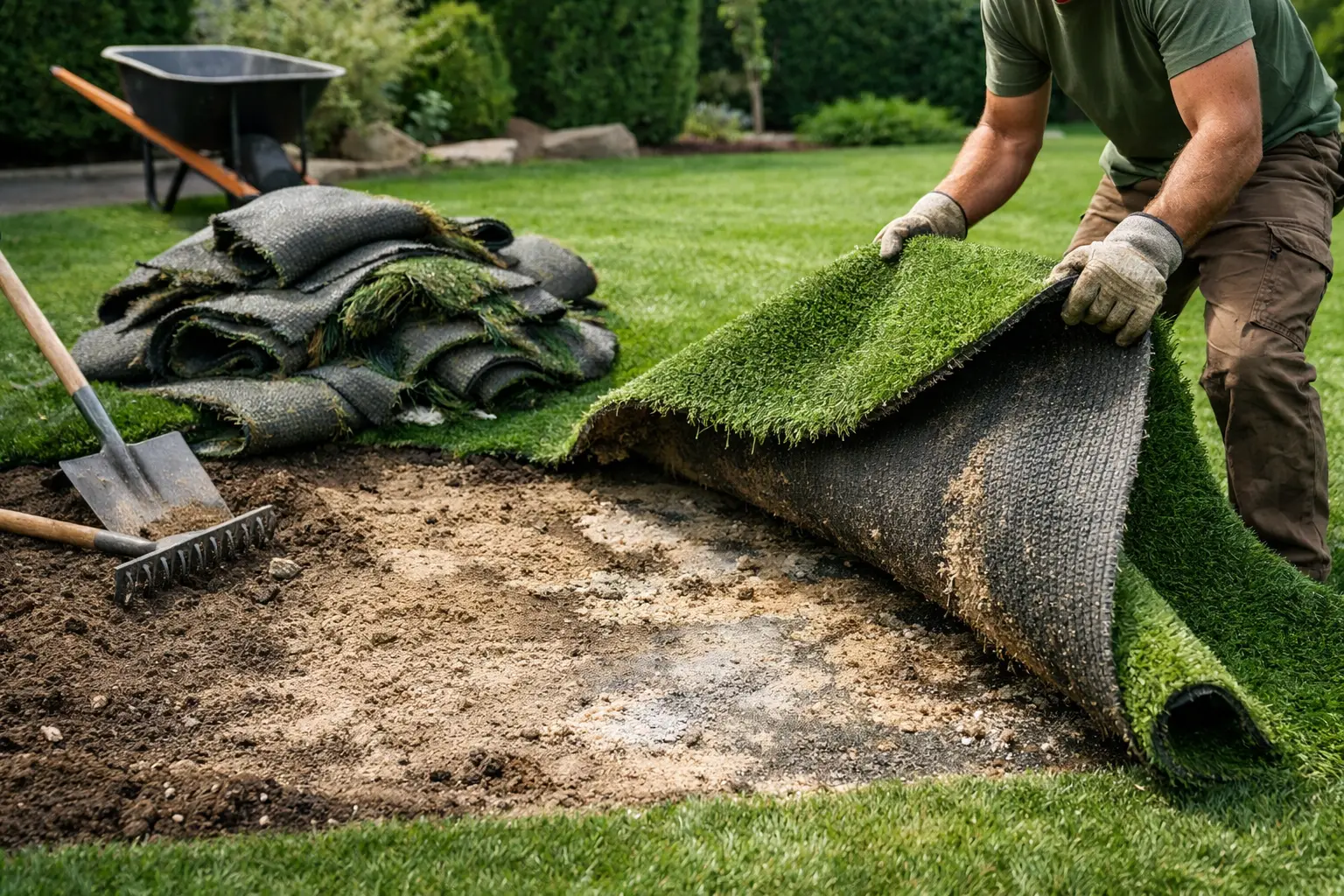
Fake grass looks low-maintenance until it is time to pull it up. Then the real work starts. Astro Turf Removal is rarely just about lifting the surface. It usually means dealing with joins, compacted base layers, heavy sand infill, glue, pins, edging and a subfloor or ground surface that still needs proper preparation before anything new can go down.
That is where many jobs blow out. What seems simple from the top often hides a fair bit underneath, and if the removal is rushed, the next stage of your project can suffer. Whether you are replacing worn synthetic grass, converting an outdoor area, or preparing for a renovation, the goal is not just to remove the turf. The goal is to leave the area clean, safe and ready for what comes next.
What Astro Turf Removal actually involves
Most synthetic turf installations are built to stay put. That means the turf itself is only one layer of the job. Underneath, there may be kiln-dried sand, crushed rock, shock pads, weed mat, fixing pins, adhesives or perimeter restraints. On balconies, rooftops and commercial fit-outs, there may also be glue-down systems over concrete or other hard surfaces.
Removing all of that takes more than brute force. If the turf has been down for years, it may be brittle, waterlogged or fused with built-up debris. If it has been installed over concrete, adhesives can leave stubborn residue behind. If it is installed over soil or crushed base, the underlying ground may need levelling, scraping or complete reworking before it is usable again.
Why DIY removal often creates more work
The biggest mistake with astro turf is assuming the hard part is rolling it up. In reality, the messy part is usually the clean-up and surface prep. Sand infill spreads everywhere. Pins get missed. Glue stays behind. Base material ends up uneven. Then the new installer, landscaper or builder walks in and finds a surface that is not ready.
There is also the weight factor. Once synthetic turf is full of sand and moisture, it becomes far heavier than most people expect. Cutting, lifting and disposing of it can quickly turn into a labour-heavy job. On larger sites, that can waste a full day before you have even started dealing with the base.
For homes, that means delays in landscaping or paving. For commercial sites, it can mean more downtime and more disruption than planned.
Common problems found under synthetic turf
No two removals are exactly the same, but a few issues come up often. Poor drainage is a big one. If water has been sitting under the turf, the base can break down or become contaminated with mould, odour and compacted organic matter. Adhesive failure is another. On hard surfaces, some sections may lift easily while others stay bonded and need mechanical removal.
Edges are also worth watching. Many turf jobs are pinned, glued or tucked hard against walls, pavers, garden edging and pool surrounds. If those areas are removed carelessly, it is easy to damage neighbouring surfaces. That is one reason professional removal matters – not just for speed, but for control.
Astro Turf Removal and site preparation go together
A proper removal job does not stop once the green surface is gone. The next trade needs a usable substrate. That may mean scraping off adhesive, grinding high spots, clearing contaminated fill, or taking the area back to a clean and stable base.
This is especially important if the space is being converted to tiles, concrete coatings, paving, decking or fresh landscaping. Every new finish relies on what sits beneath it. If the base is left rough, loose or contaminated, the replacement surface is already at a disadvantage.
That is why experienced removal crews look at the full chain of work, not just the first step. Fast removal is only useful if it leaves the site ready for the next stage.
When to bring in a specialist
If the area is small and loosely laid, removal may be straightforward. But once you are dealing with large outdoor zones, glued installations, heavy infill, difficult access, or a tight renovation schedule, the job changes quickly. The same applies when the surface underneath needs to be protected or restored.
Specialist operators bring the right equipment, know how to separate materials efficiently, and understand how to remove difficult coverings without turning the site into a bigger problem. They also know that dust control, clean execution and waste handling matter just as much as the strip-out itself.
For builders, renovators and property managers, that reliability matters. You need a team that turns up, gets through the hard work properly, and hands over a site that is genuinely ready. That is the difference between a removal crew and a specialist stripping team.
What a good result looks like
A good astro turf removal job is not measured by how fast the grass disappears. It is measured by what is left behind. The area should be cleared of turf, fixings, infill and debris. Adjacent surfaces should be protected. The base should be assessed honestly, and where preparation is part of scope, it should be left clean, stable and ready for the next trade.
That is the standard Rapid Stripped works to across residential and commercial strip-outs. No shortcuts, no half-finished handover, no leaving hidden problems for someone else to fix.
If your synthetic grass has reached the end of its life, treat the removal as the first real step of the next project. Done properly, it saves time, avoids rework and keeps the whole job moving.