
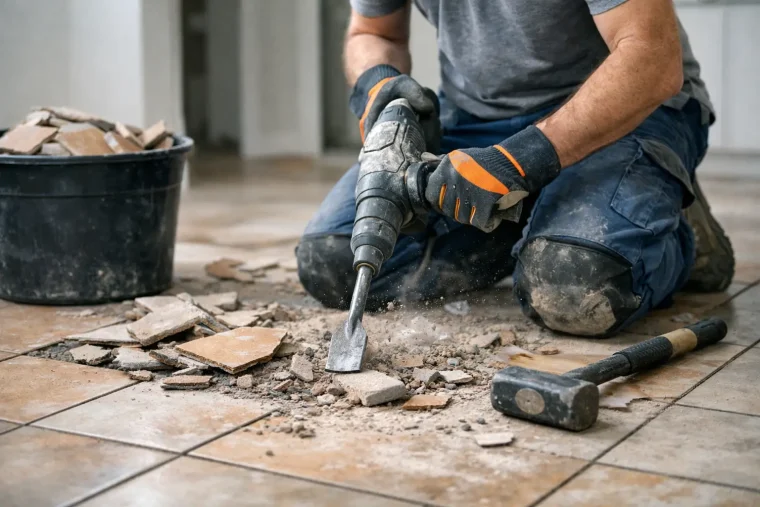
Anyone who has tried lifting old tiles with a hammer and chisel learns the same thing fast – tile removal is rarely just about the tile. The real work is often underneath: thick bedding, stubborn adhesive, damaged screed, uneven slabs and years of patch repairs that only show up once the surface starts coming off. If you want the next stage of your renovation to run smoothly, the removal has to be done cleanly, safely and right down to a surface that is actually ready for what comes next.
That matters whether you are updating a bathroom, stripping out a kitchen, preparing a retail tenancy or getting an investment property ready for a fast turnaround. Removing tiles is noisy, dusty and physically demanding, but the bigger issue is what a poor removal job leaves behind. Lumps of glue, fractured substrate, loose debris and rushed patching can slow down tilers, waterproofers, floor layers and builders almost immediately.
Why tile removal is more technical than it looks
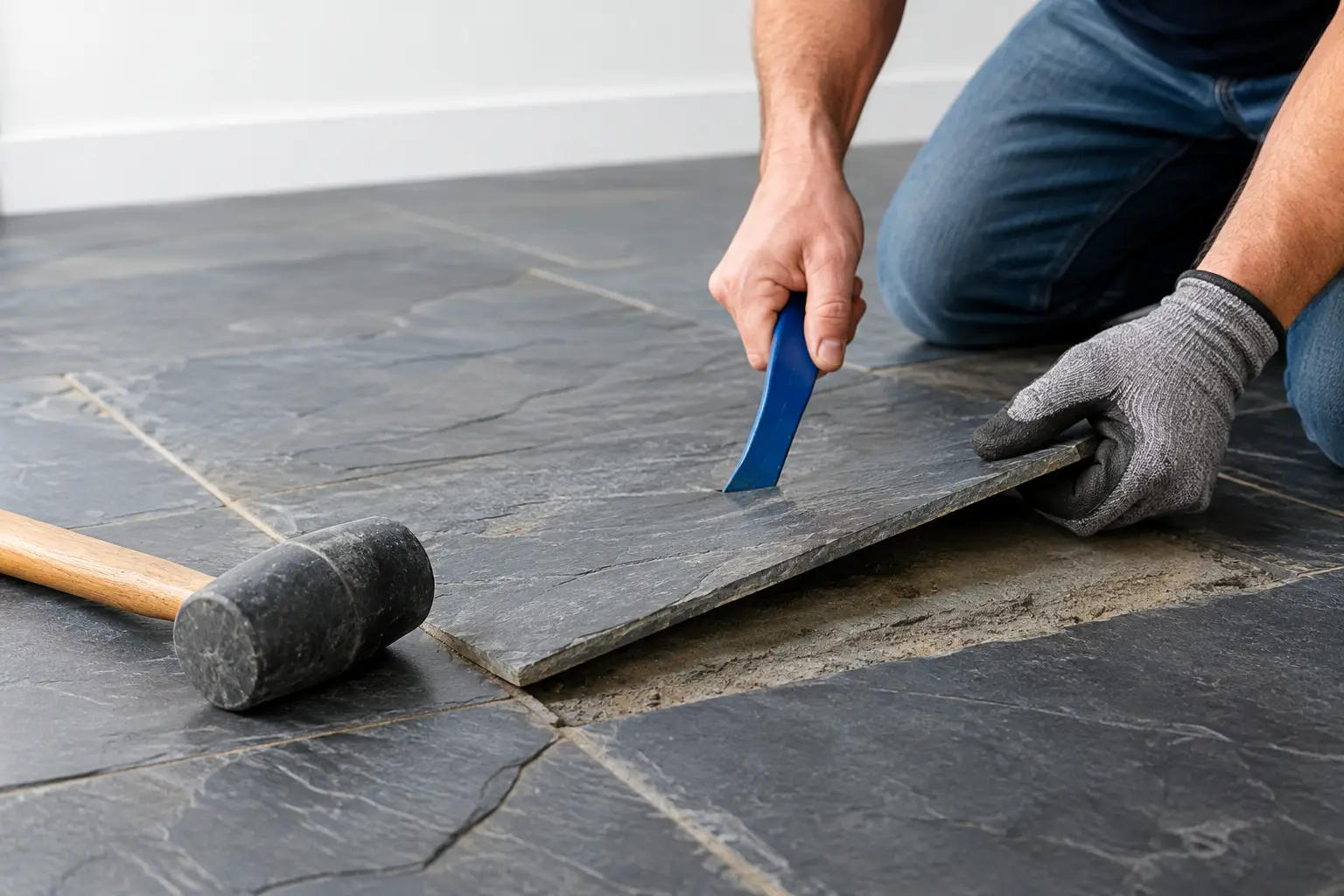
From the outside, tiled floors and walls can look straightforward. In practice, every job has its own variables. Some tiles pop off with minimal effort. Others are bonded so hard that the tile breaks into small pieces while the bedding stays locked to the slab. On older sites, you may also find multiple layers from previous renovations, with old adhesives and levelling compounds still attached underneath.
The tile type changes the approach. Ceramic, porcelain, terracotta, slate and marble all behave differently during removal. So does the substrate. A concrete slab can usually handle more aggressive mechanical removal than a fragile screed or a wall surface in a bathroom. If the site is part of an occupied home or trading business, noise control, dust containment and clean-up become just as important as speed.
This is where specialist equipment and experience make a difference. The goal is not just to get the tiles off. The goal is to remove the full system properly, manage dust, protect surrounding areas and leave the site ready for the next trade without unnecessary rework.
What a proper tile removal job should achieve
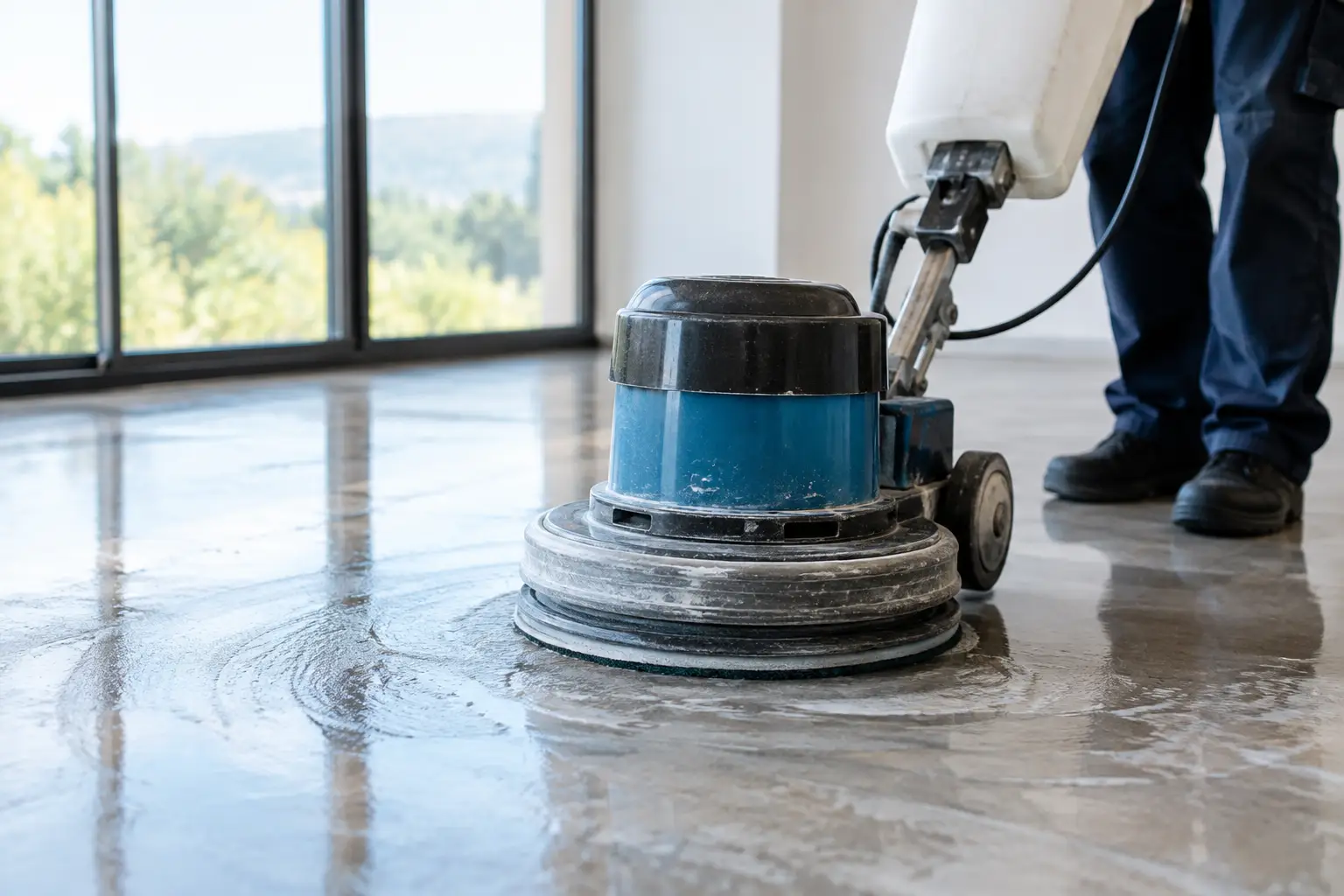
A proper result is more than an empty floor. It should leave a surface that is stable, clean and suitable for the next stage of construction or installation. That might mean taking up the tiles, removing adhesive residue, grinding high spots, clearing bedding and preparing the slab so new finishes can be laid without delay.
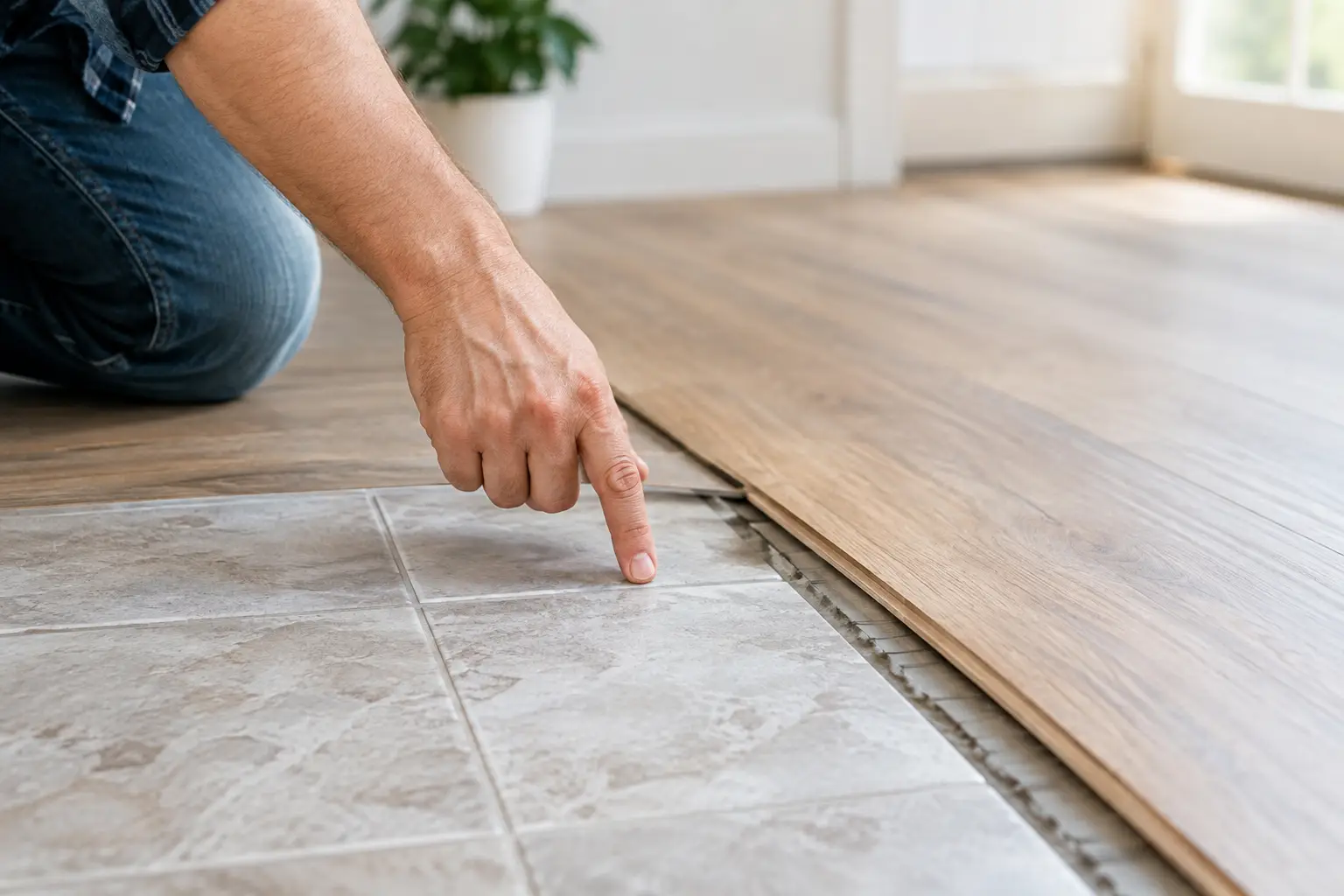
There is a big difference between surface-level demolition and complete preparation. If old tile glue is left behind, new flooring may not bond correctly. If bedding remains uneven, the new tile line can end up out of level. If cracks or moisture issues are hidden by debris, they may not be picked up until later, when fixing them becomes slower and more disruptive.
For homeowners, that usually means blown renovation timelines. For builders and property managers, it means trades waiting on site, scheduling pressure and a job that starts costing time where it should be gaining momentum.
Where tile removal gets complicated
Bathrooms and wet areas
Bathrooms often look like small jobs, but they can be some of the most delicate. Wall tiles, floor tiles, waterproofing layers, screeds and fixtures all sit close together. Removal needs to be controlled so adjoining surfaces are not damaged more than necessary, especially when the plan is a targeted renovation rather than a full gut-out.
Wet areas also demand a clear understanding of what needs to be stripped back and what needs to stay. In some cases, full removal to substrate is the only sensible path. In others, the sequence matters more than brute force.
Kitchens and living areas
Large tiled living areas can move quickly if access is good and the substrate is sound. The challenge usually comes from adhesive build-up, hard-set bedding or transitions into adjoining rooms. If cabinetry, islands or appliances remain in place, the work needs to be accurate as well as fast.
In kitchens, old tile floors may also conceal grease, moisture or prior patch repairs. Those conditions need to be dealt with before new flooring goes down.
Commercial sites
Commercial tile removal often has less room for delay. Offices, shops, hospitality venues and tenancies usually need quick turnaround, clean execution and minimal disruption to surrounding spaces. That means planning for access, waste handling, noise, dust suppression and site readiness from the start.
A rushed demolition crew can create more problems than they solve on these jobs. A specialist team works with the end result in mind – clear the surface properly, keep the site controlled and hand over a space that is ready for the next contractor.
Tile removal and the condition of the slab
One of the biggest mistakes in renovation planning is assuming the slab underneath will be fine once the tiles are gone. Sometimes it is. Often it is not.
Old adhesives can stay bonded tighter than the tile itself. Bedding can come up unevenly. Hairline cracking, low spots and surface contamination may only become visible after removal. If the floor has been tiled more than once, there may be multiple layers of residue that need mechanical grinding before the new finish can be installed correctly.
That is why slab preparation is tied so closely to tile removal. The removal phase exposes the truth of the surface. The preparation phase makes it usable. Treating them as separate problems can create delays, especially when a builder or floor layer turns up expecting a ready substrate and finds more work still to be done.
Why DIY tile removal often blows out
There is no shortage of renovation shows making demolition look easy. Real sites are less forgiving. Once tile removal starts, most DIY efforts run into the same issues: progress is slower than expected, dust spreads further than expected, and the amount of force needed to clear adhesive and bedding is far greater than expected.
Then there is disposal, edge work, noise and the condition of the surface left behind. Many people can remove some tiles. Far fewer can remove all tiles, clear the residue properly and leave the area flat, clean and ready for installation. That difference matters because whatever is missed in demolition usually gets paid for in time later.
There are also safety concerns. Silica dust, sharp fragments, hidden services and heavy mechanical tools all need proper handling. In occupied homes and active workplaces, careless removal can affect far more than the room being stripped.
What to look for in a professional tile removal service
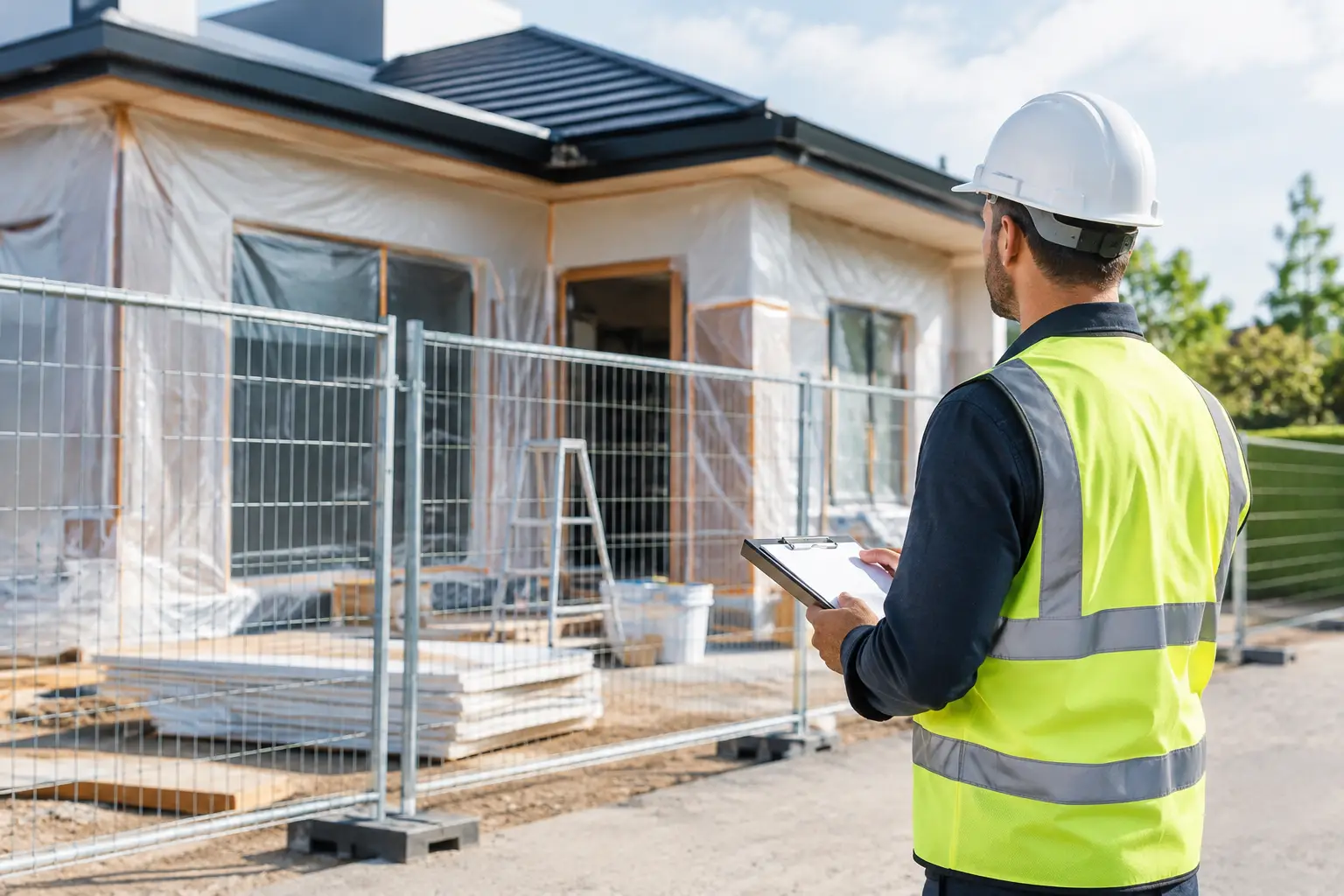
If you are hiring a specialist, the first thing to check is whether they understand the full scope of the job, not just the break-out. You want a team that can assess the tile type, substrate condition, access, dust control requirements and what the next trade will need.
The second point is readiness. Good operators turn up with the right machinery for difficult removal, not just handheld tools and good intentions. They know when a jackhammer is appropriate, when grinding is required, and how to avoid creating avoidable damage around thresholds, skirtings and adjoining finishes.
The third is clean execution. Fast matters, but not if the site is left with rubble, adhesive islands and a slab that still needs rescue work. A disciplined crew removes, strips, cleans and prepares with the handover in mind.
That is why specialist operators are often the better call for renovation work across homes, units, offices and commercial spaces. The job is not finished when the tiles are gone. It is finished when the site is genuinely ready for the next phase.
Tile removal works best when it is planned early
The easiest way to avoid delays is to treat tile removal as a critical enabling trade, not a quick pre-renovation chore. When removal is planned early, it is easier to schedule following works, identify substrate issues before materials arrive and avoid bottlenecks between demolition and installation.
This is especially important on tight renovation timelines in places like Brisbane, the Gold Coast, the Sunshine Coast and Northern NSW, where access, tenancy schedules and trade coordination can all affect progress. A well-run removal job gives the entire project a cleaner start.
Rapid Stripped handles this kind of work with the mindset it requires – fast response, proper equipment, controlled dust, safe removal and a finish that leaves the site ready to move. That is what clients actually need when deadlines matter.
If you are planning a renovation, think beyond getting the tiles off the floor. The smarter question is what the surface needs to look like the moment the removal team leaves, because that is what keeps the whole job moving.