
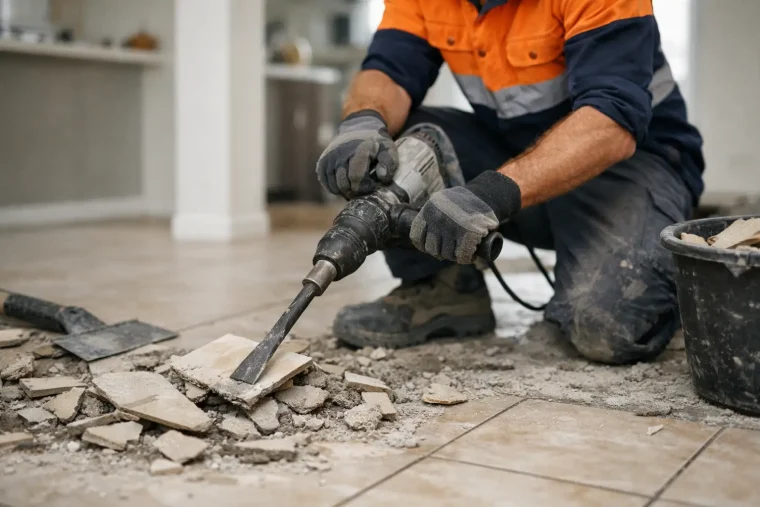
Old tiles rarely come up cleanly. What looks like a straightforward knock-out job can turn into stubborn bedding, damaged slabs, airborne dust, adhesive residue and a site that is nowhere near ready for the next trade. That is why tile removal Brisbane property owners book is usually less about smashing tiles and more about controlled, professional preparation.
When removal is done properly, the result is not just empty floor space. It is a surface that is safe, clean and genuinely ready for waterproofing, levelling, retiling or a full renovation fit-out. That matters whether you are updating a bathroom, stripping a kitchen, preparing a shopfront or turning over an investment property on a tight timeline.
What proper tile removal in Brisbane actually involves
Tile removal is a technical trade job. The visible tile is only one layer. Under that, there is often cement bedding, thick adhesive, patchy levelling compounds or damaged substrate that needs attention before anything new can go down.
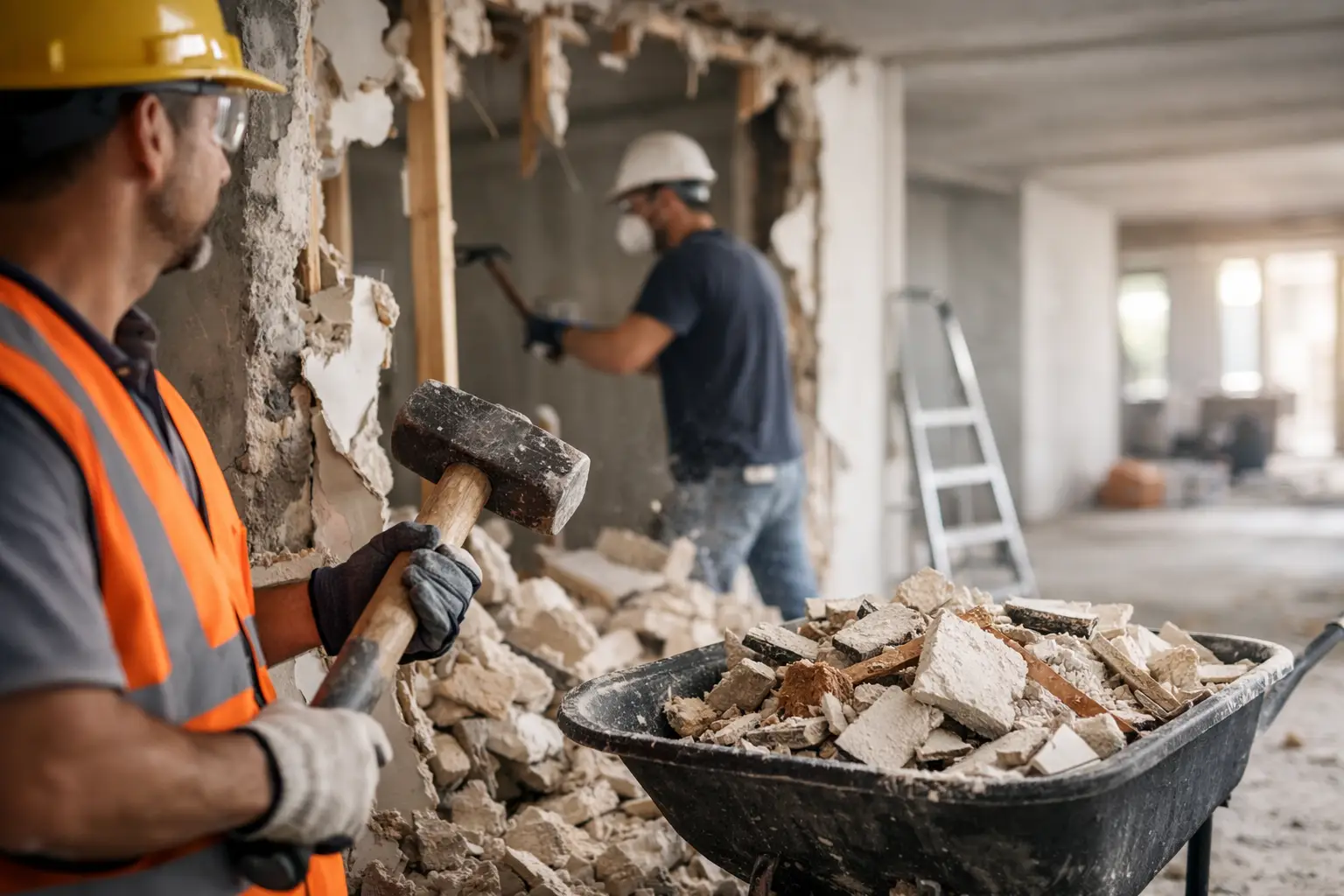
On a residential job, the challenge is often access, dust control and protecting surrounding finishes. In commercial settings, the pressure is usually speed, site safety and minimising disruption to other works. In both cases, the removal process has to be planned around the material, the condition of the slab and what comes next.
A professional crew starts by identifying the tile type, the bonding method and the condition underneath. Ceramic, porcelain, terracotta, marble and slate all behave differently under removal. Some lift in sections. Others shatter and leave heavy bedding behind. If the slab is already compromised, aggressive removal can create extra repair work that slows the whole project down.
Why DIY tile removal often creates bigger problems
There is no shortage of demo videos making tile removal look quick. In real jobs, it is noisy, dusty and physically demanding, and the cleanup is usually worse than people expect.
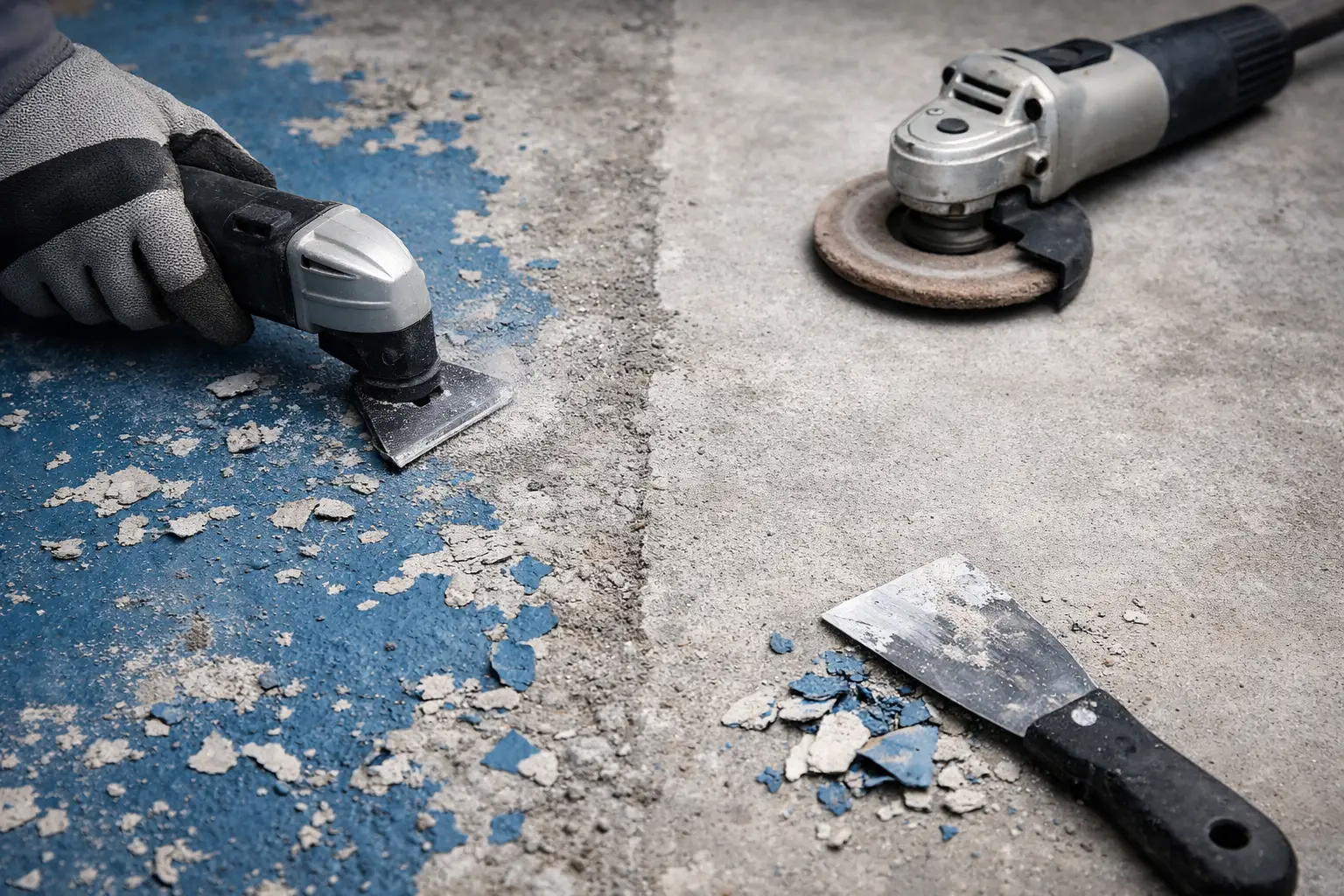
The biggest issue is not just getting the tiles up. It is what gets left behind. Uneven adhesive, gouged concrete, cracked screed and loose debris can all hold up the next stage of work. If a tiler, waterproofer or flooring installer arrives to find the floor still needs grinding or patching, your schedule slips straight away.
Dust is another major factor. Without proper control, fine silica dust can move through occupied areas, settle into nearby rooms and create a safety issue for everyone on site. For homes, that means a mess through the property. For businesses, it can mean disruption that affects staff, customers and neighbouring tenancies.
Then there is the waste volume. Removed tiles, bedding and rubble add up fast, especially in kitchens, bathrooms, laundries and large open commercial areas. Handling that efficiently is part of the job, not an afterthought.
Where tile removal gets difficult
Some jobs are straightforward. Others are hard going from the first metre. The difference usually comes down to how the original installation was done and what surface sits underneath.
Older properties can have tiles set into thick mortar beds that take far more effort to remove than modern adhesive-fixed tiles. Renovated spaces often hide multiple layers, such as tile over tile, patch repairs over old bedding, or adhesive over damaged concrete. Wet areas bring their own complications, particularly if there is failed waterproofing, loose screed or moisture-related damage underfoot.
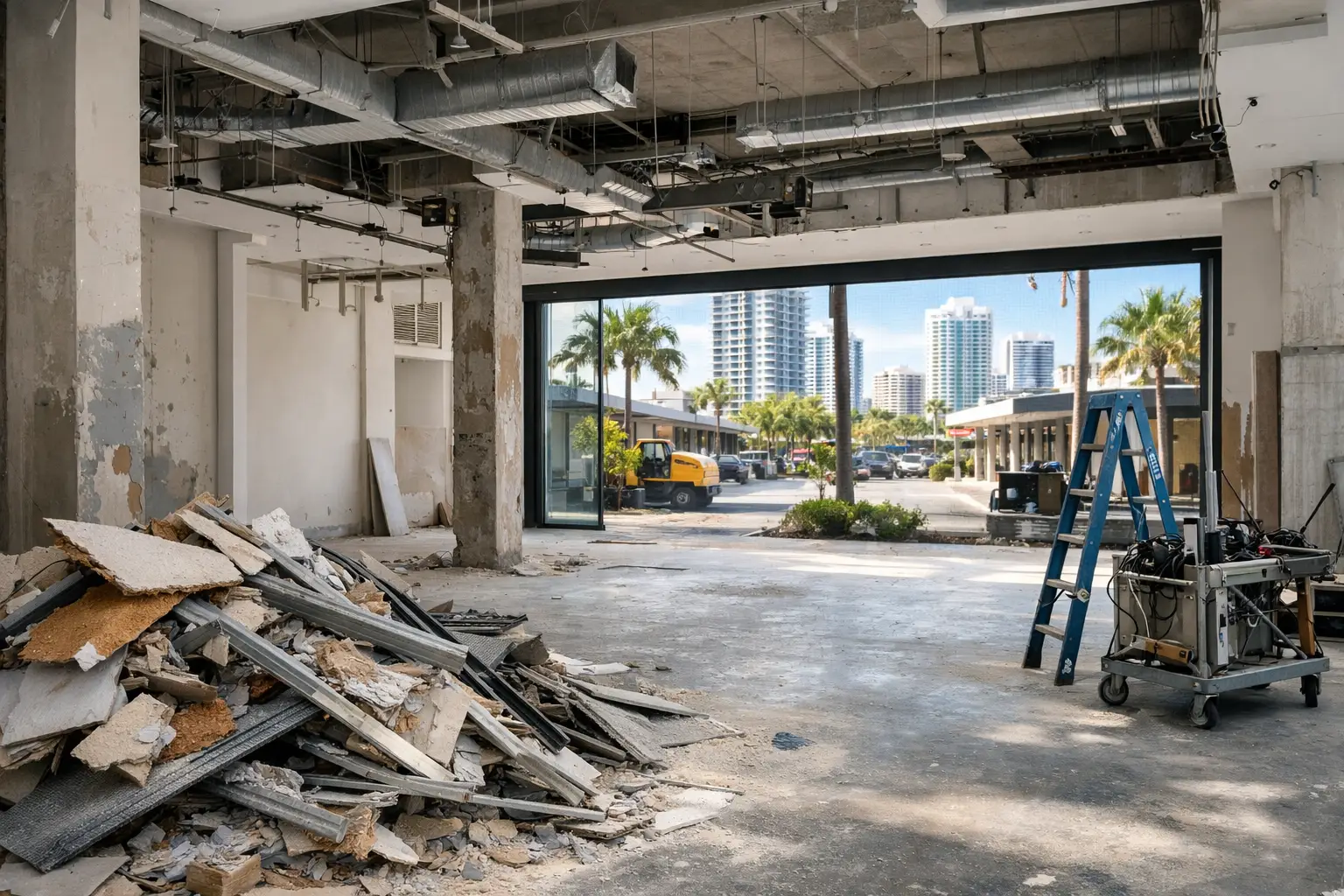
Commercial sites can be even more demanding. Large-format tiles, heavy foot traffic wear, strict access windows and the need to keep neighbouring areas clean all raise the standard required. In these environments, removal has to be fast, controlled and properly coordinated with other trades.
Tile removal Brisbane projects need to stay on schedule
For most clients, speed matters because removal is only the first step. A bathroom strip-out cannot stall the waterproofing crew. A retail fit-out cannot sit idle while someone chips away at leftover bedding. A property investor preparing for resale or lease does not want dead time between demolition and reinstatement.
That is why experienced operators focus on finishing the removal phase efficiently and leaving the site ready for the next trade. In many cases, that means not just lifting tiles, but also removing glue, grinding high spots, cleaning down debris and dealing with substrate issues before they become someone else’s problem.
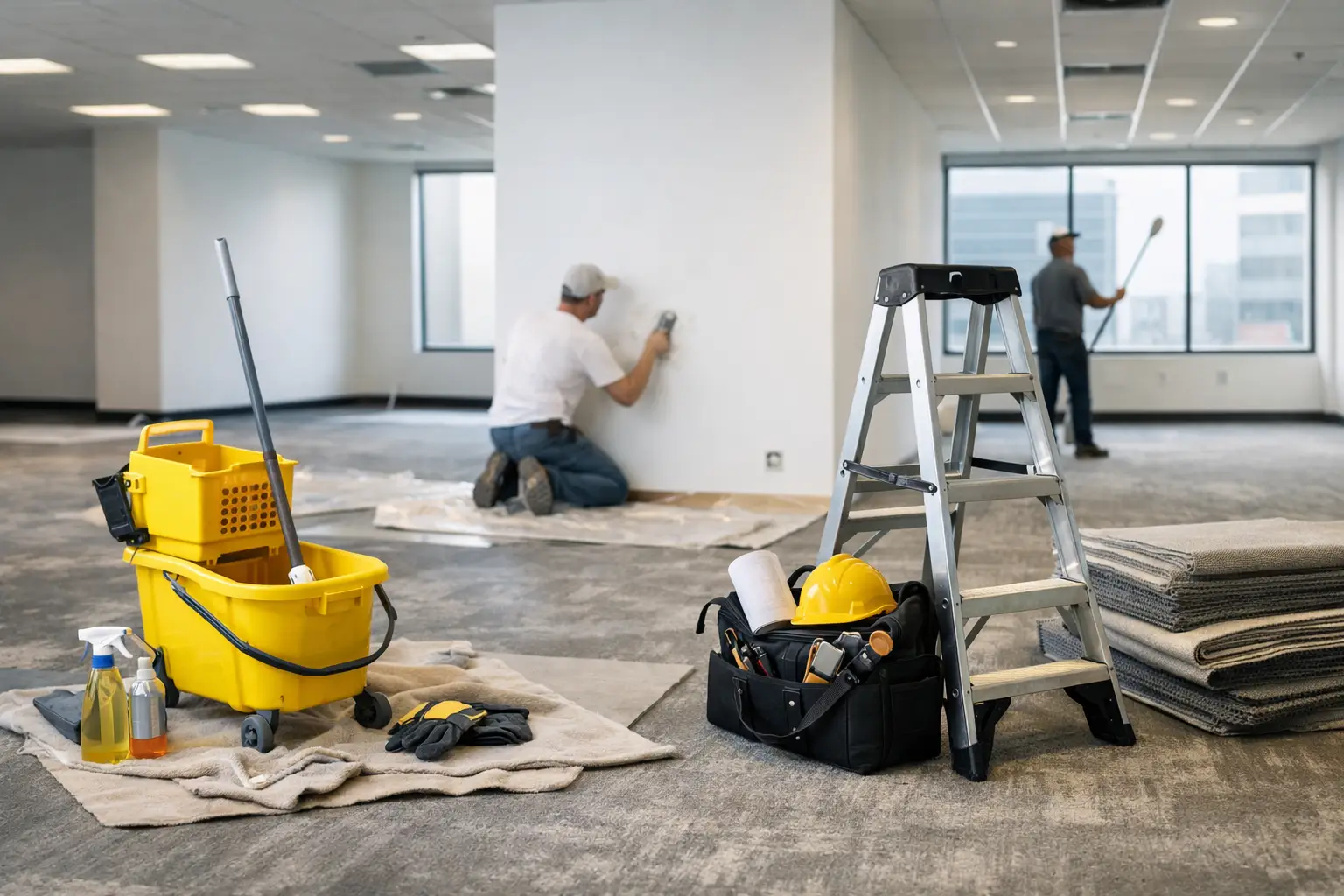
The difference is practical. A site that is properly stripped and prepared gives the next contractor a clean start. That keeps the programme moving and reduces avoidable delays.
Floors, walls and wet areas all need a different approach
Not all tile removal work is floor work. Wall tiles in bathrooms, splashbacks and commercial amenities need careful demolition, especially where plumbing, waterproofing zones or adjoining surfaces are involved.
Floor tiles generally involve heavier mechanical removal and more substrate preparation. Wall tile removal can be more surgical, particularly in partial renovation work where some finishes are staying in place. In bathrooms and laundries, there is often a wider strip-out requirement that includes screed, fixtures, vanities or damaged linings. In kitchens, tile removal may sit alongside cabinetry demolition and surface prep for a larger refurbishment.
The point is simple. The best method depends on the room, the material and the renovation scope. There is no one-size-fits-all approach if you want a clean result.
What a professional result should look like
A proper tile removal job should leave more than bare concrete. It should leave a work area that is safe to access, free of loose material and suitable for the next stage of construction.
That usually means the remaining adhesive or bedding has been addressed, obvious slab irregularities have been dealt with, and the area has been cleaned down to a standard that supports follow-on work. If extra grinding or surface preparation is needed, it should be identified early and handled as part of a coordinated scope rather than discovered later by surprise.
For homeowners, this means less stress and less mess dragging through the house. For builders and project managers, it means a site they can hand straight to the next trade with confidence. For commercial operators, it means less downtime and fewer headaches around staging and access.
Choosing the right crew for tile removal in Brisbane
If you are comparing contractors, the key question is not whether they can break tiles. It is whether they can remove them cleanly, safely and fast enough to keep your project moving.
Look for a team that understands difficult coverings and substrate conditions, not just basic demolition. Experience with adhesives, bedding removal, slab grinding and dust control matters because these are the areas where jobs either stay on track or fall apart. The same goes for responsiveness. When a renovation window is tight, you need clear communication, realistic timeframes and a crew that turns up ready to work.
It also helps to work with specialists who handle more than one part of the preparation process. If tile removal uncovers stubborn residue, uneven concrete or additional strip-out requirements, the job can be dealt with properly without bringing in a string of separate contractors.
That is where a specialist operation stands apart from a general demo crew. The focus is not just removal. It is getting the surface and the site genuinely ready.
When speed and cleanliness matter most
In occupied homes, unit complexes, offices, retail spaces and hospitality venues, disruption carries a real cost. Noise, debris and dust need to be managed tightly, and the work needs to move with purpose.
That is why disciplined site setup, efficient removal methods and thorough cleanup make such a difference. A good crew works with a plan, contains the mess as much as possible and pushes the job through without unnecessary hold-ups. Where access is limited or the site is shared, that level of control is not optional. It is part of doing the work properly.
For clients across Brisbane tackling bathroom renovations, kitchen upgrades, tenancy make-goods or full strip-outs, the goal is the same every time: clear the old material out, protect the substrate where possible, and leave the area ready for what comes next.
Rapid Stripped works to that standard because there is no value in a fast demolition job if the site still needs fixing afterwards.
If you are planning tile removal, think beyond getting the tiles off the floor. The real win is handing the next trade a clean, prepared surface and knowing the project can keep moving without backtracking.