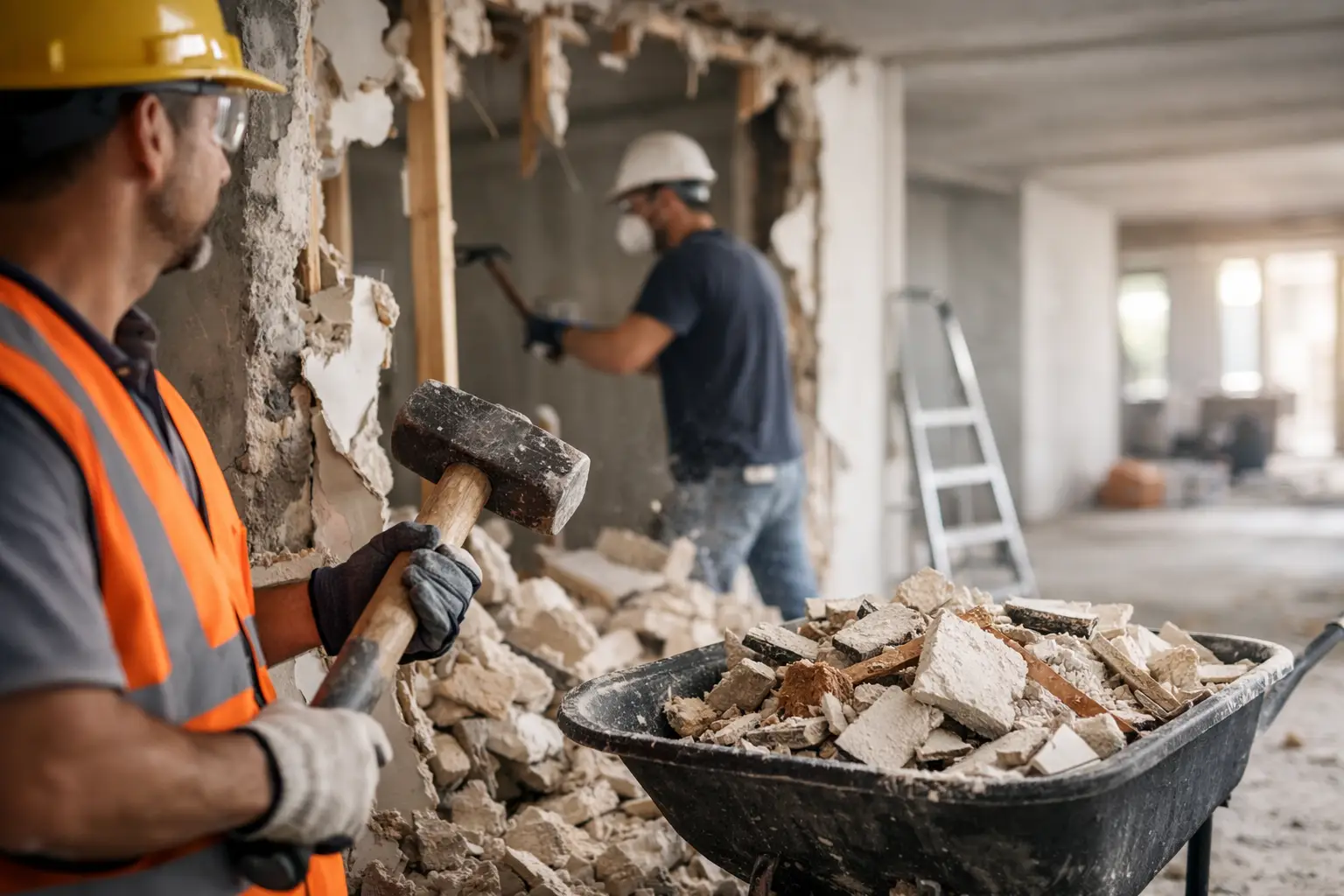

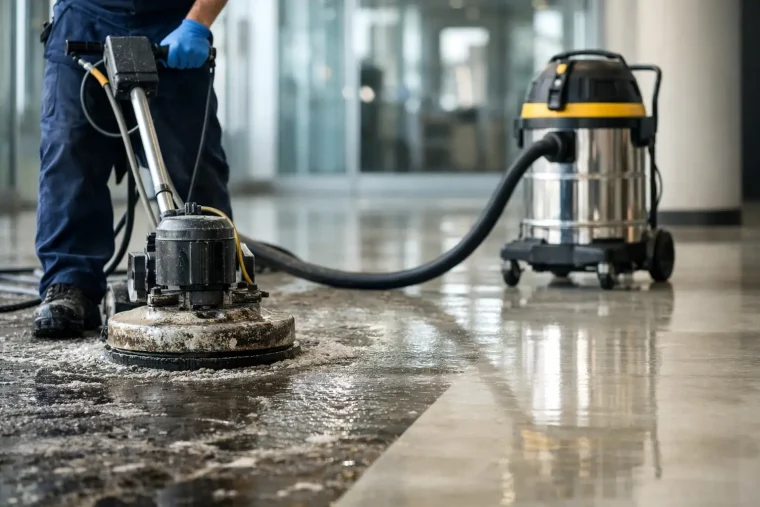
A renovation can stall before it properly starts if the floor is fighting back. Old tiles that will not lift cleanly, vinyl stuck hard to the slab, timber glued down in patches, or thick adhesive residue left behind – this is where floor stripping matters. Done properly, it clears the site fast, protects the substrate where possible, and gets the next trade onto a surface that is actually ready for work.
What floor stripping really involves
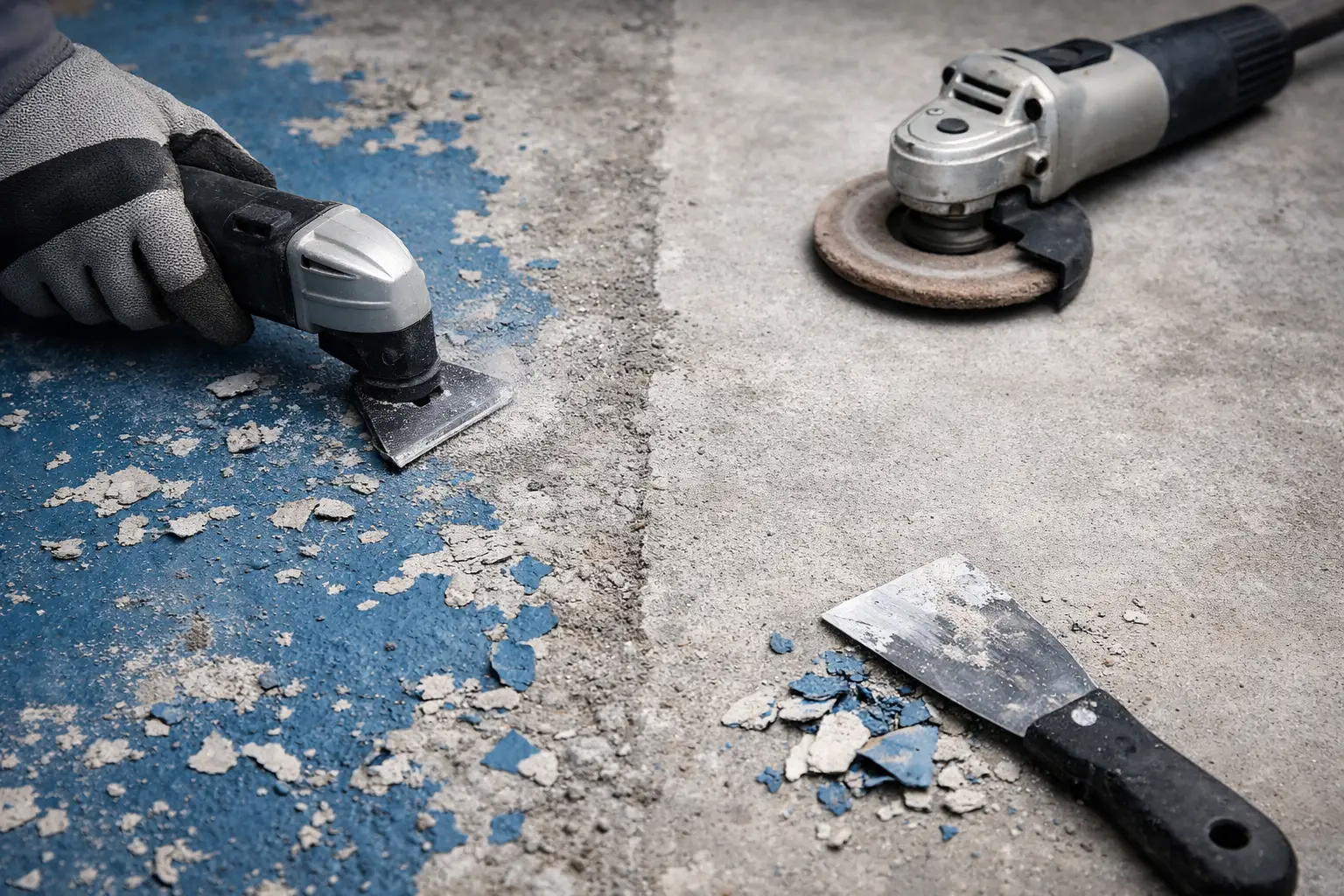
Floor stripping is not just pulling up a floor covering and calling it done. On most jobs, the real work starts after the visible material comes off. There is usually bedding, glue, paint, levelling compound, tile screed or stubborn residue underneath that needs mechanical removal before the floor is fit for reinstallation.
That is why the job can change dramatically from one property to the next. Ceramic tiles in a bathroom behave differently to commercial vinyl in an office. Marble, cork, epoxy and slate all come with their own removal issues. Some surfaces release cleanly. Others break apart, delaminate or leave a bonded layer that needs grinding back.
A proper floor stripping job looks at the full build-up, not just the top layer. The aim is simple – remove what needs to go, manage dust and debris properly, and leave the site in a condition that saves time later.
Why floor stripping is often harder than people expect
From a distance, floor removal can look straightforward. In reality, the difficulty sits in the bond between the material and the substrate. If a previous installer used heavy adhesive, thick mortar beds or multiple overlapping floor layers, the job becomes slower, louder and more technical.
There is also the condition of the slab to consider. Some clients want a full strip-out no matter what. Others need the substrate preserved as much as possible because new finishes are going straight back down. That changes the removal method. Aggressive demolition might be faster in one room, but in another it can create unnecessary damage that then needs repair.
This is where experience counts. A specialist crew can usually tell early whether a floor will lift cleanly, whether it needs mechanical stripping, or whether slab grinding is the smarter next step. That judgement saves time and avoids the usual stop-start problems that hold up builders and renovators.
The materials that commonly need stripping
In residential work, the usual culprits are tiles, timber, vinyl, carpet, cork and old adhesive. Bathrooms and kitchens often have layered installations from previous renovations, which means one floor comes up only to reveal another problem underneath. In older homes, it is common to find brittle adhesives, cracked bedding and uneven surfaces that need more than a simple lift-out.
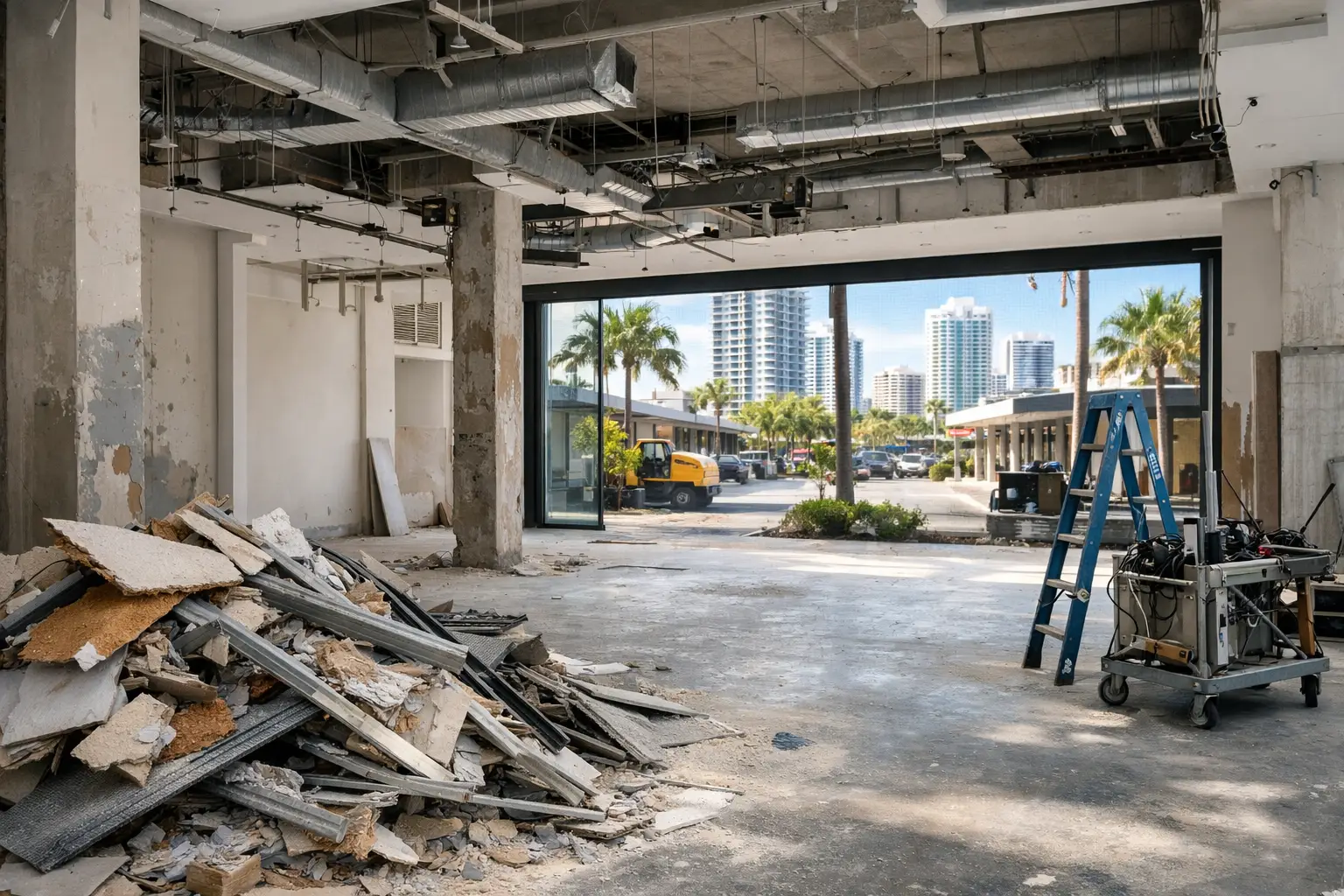
Commercial sites bring a different set of issues. Offices, retail spaces, hospitality venues and strata properties often have large areas of glued vinyl, carpet tiles, epoxy coatings or hard-wearing finishes designed to stay put. These products do their job well until the fit-out changes and everything has to come out quickly, with minimal disruption to surrounding areas.
Then there are the awkward jobs – terracotta, slate, marble, pool tiles, paint build-up and flooring installed over compromised substrates. These are the jobs that punish guesswork. They need the right gear, the right approach and a team that knows when to strip, when to grind and when to adjust the method on the run.
What a professional result should leave behind
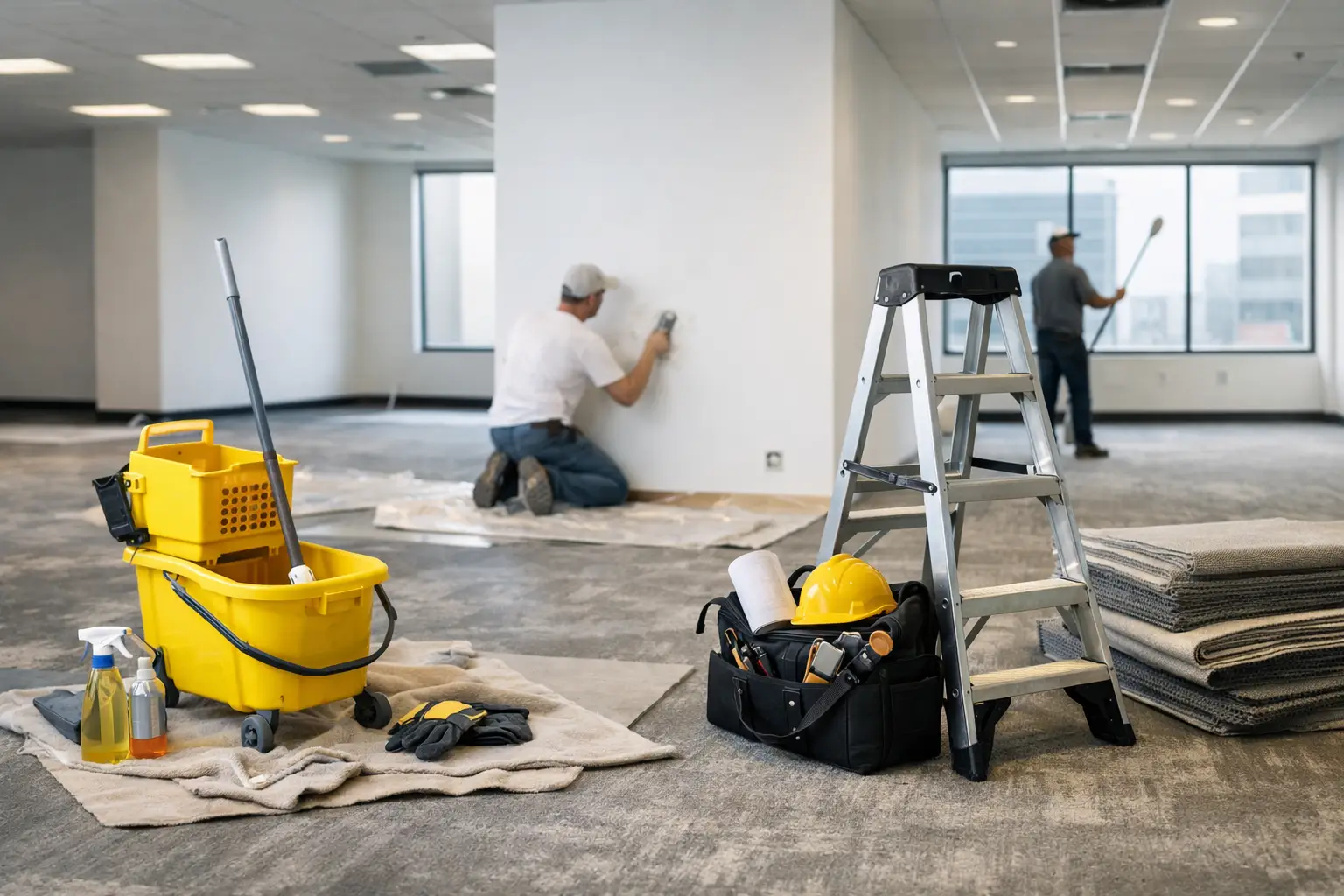
The best floor stripping work is judged by what is left after the rubble is gone. A site should be cleared efficiently, cleaned down properly and left ready for the next stage. That might mean exposed slab, reduced adhesive, a ground surface, or a demolition-ready area for broader renovation works.
This matters because poor removal creates follow-on costs. If adhesive ridges are left behind, new flooring may not bond properly. If the slab is gouged or uneven, installers may need extra prep before they can start. If dust control is poor, the whole site becomes harder to manage and other trades lose time.
A proper operator works with the end goal in mind. Not just removal for the sake of removal, but a finish that supports what happens next.
Floor stripping and dust control
Dust is one of the biggest concerns on any strip-out, especially in lived-in homes, occupied commercial spaces and staged renovation programs. Mechanical removal, concrete grinding and demolition all generate fine material, and if it is not controlled properly it spreads fast.
Good dust management is not an optional extra. It is part of doing the job properly. That means using suitable extraction systems, containing debris, keeping work zones organised and reducing the amount of airborne dust where the process allows. Some materials and adhesives will always create mess during removal, but there is a big difference between a hard job done professionally and a site left in chaos.
For homeowners, that means less disruption through the rest of the property. For builders and commercial clients, it means a cleaner handover between trades and fewer headaches on site.
When speed matters most
Most clients are not booking floor stripping for fun. They are on a timeline. A bathroom renovation cannot move forward until tiles and bedding are gone. A shop fit-out has a narrow shutdown window. An investor wants a unit turned around quickly. An office strip-out needs to happen without dragging on for days.
Speed matters, but only when it is backed by proper execution. Fast work that leaves residue, hidden trip hazards or damaged substrate is not efficient – it just pushes the problem onto the next person. The right team moves quickly because they know the material, bring the right equipment and work to a process.
That is why specialist operators can often complete jobs within a day where general labour struggles. It is not about cutting corners. It is about removing wasted motion, reducing rework and staying focused on site readiness.
Residential and commercial jobs are not the same
Homeowners usually care about access, cleanliness and keeping the project moving without turning the house upside down for longer than necessary. In that setting, communication matters as much as the removal itself. People want to know what is being taken up, how disruptive it will be, and what the floor will look like when the work is finished.
Commercial clients tend to be more focused on staging, safety and deadlines. They may need after-hours work, controlled access, clear separation from trading areas or a coordinated strip-out as part of a wider demolition program. The tolerance for delay is usually lower, and the importance of a clean, ready-to-go substrate is even higher.
The removal method should match the site. What works in a vacant house may not suit a busy tenancy or managed building.
Signs you need specialist floor stripping
If the existing floor has been patched over multiple times, if adhesive is visible around edges, if tiles sound solidly bonded, or if previous removal attempts have only taken the surface layer off, the job is probably better handled by a specialist. The same goes for epoxy coatings, thick tile beds, difficult stone products and any project where the slab needs to be kept in workable condition.
Another clear sign is when the next trade is already booked. Once installers, waterproofers or shopfitters are scheduled, delays at the removal stage become expensive in time and coordination. Getting the strip-out done cleanly the first time keeps the whole job moving.
For clients across Northern NSW, the Gold Coast, Brisbane and the Sunshine Coast, that often means bringing in a team built for heavy removal work rather than trying to make a general crew fit a specialist task.
Choosing the right contractor for floor stripping
The right contractor should be able to explain what they are removing, how they plan to remove it, and what condition they expect to leave behind. They should understand different floor types, know how to deal with bonded residue, and be realistic about where a job may need grinding or further prep.
You also want discipline on site. Floors are physical, messy work, and there is no substitute for a crew that turns up on time, works safely and leaves the area under control. Rapid Stripped operates with that mindset because clients do not need drama at the start of a renovation – they need a clear site and a job done properly.
If you are planning renovation or demolition works, the smartest move is to treat floor stripping as a critical first step, not an afterthought. Get it right, and the rest of the project has a far better chance of running on time.