
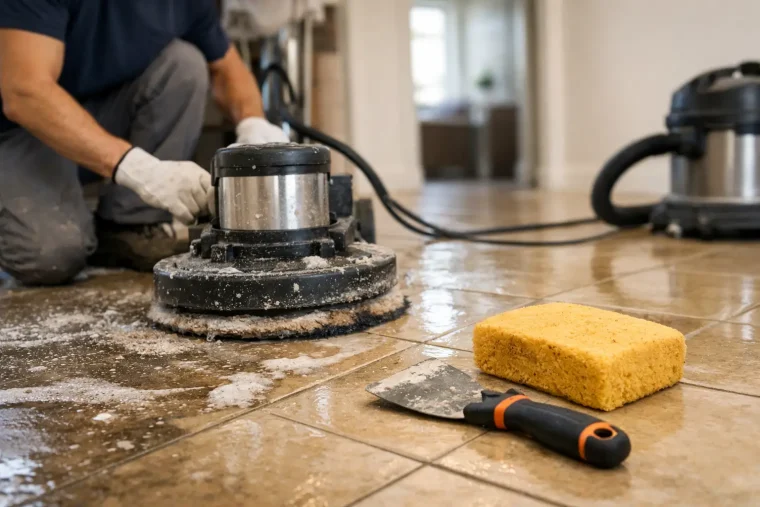
Anyone who has tried tile stripping with a hired breaker and a free Saturday knows how quickly it turns ugly. The tiles might come up, but the real battle is what stays behind – stubborn bedding, heavy adhesive, uneven slab damage and a mess that slows every trade after you.
That is why tile removal is never just about getting rid of the visible surface. It is about leaving the floor or wall in a condition that is actually ready for what comes next. If the substrate is gouged, contaminated or still covered in residue, the replacement stage becomes harder, slower and more expensive in time and labour.
What tile stripping really involves
Good tile stripping is a full removal process, not a smash-and-grab job. It starts with identifying what is fixed to the surface, how it was installed and what sits underneath. Ceramic, porcelain, terracotta, marble and pool tiles all behave differently. So do tiles laid over concrete, screed, cement sheeting or older substrates that may already be compromised.
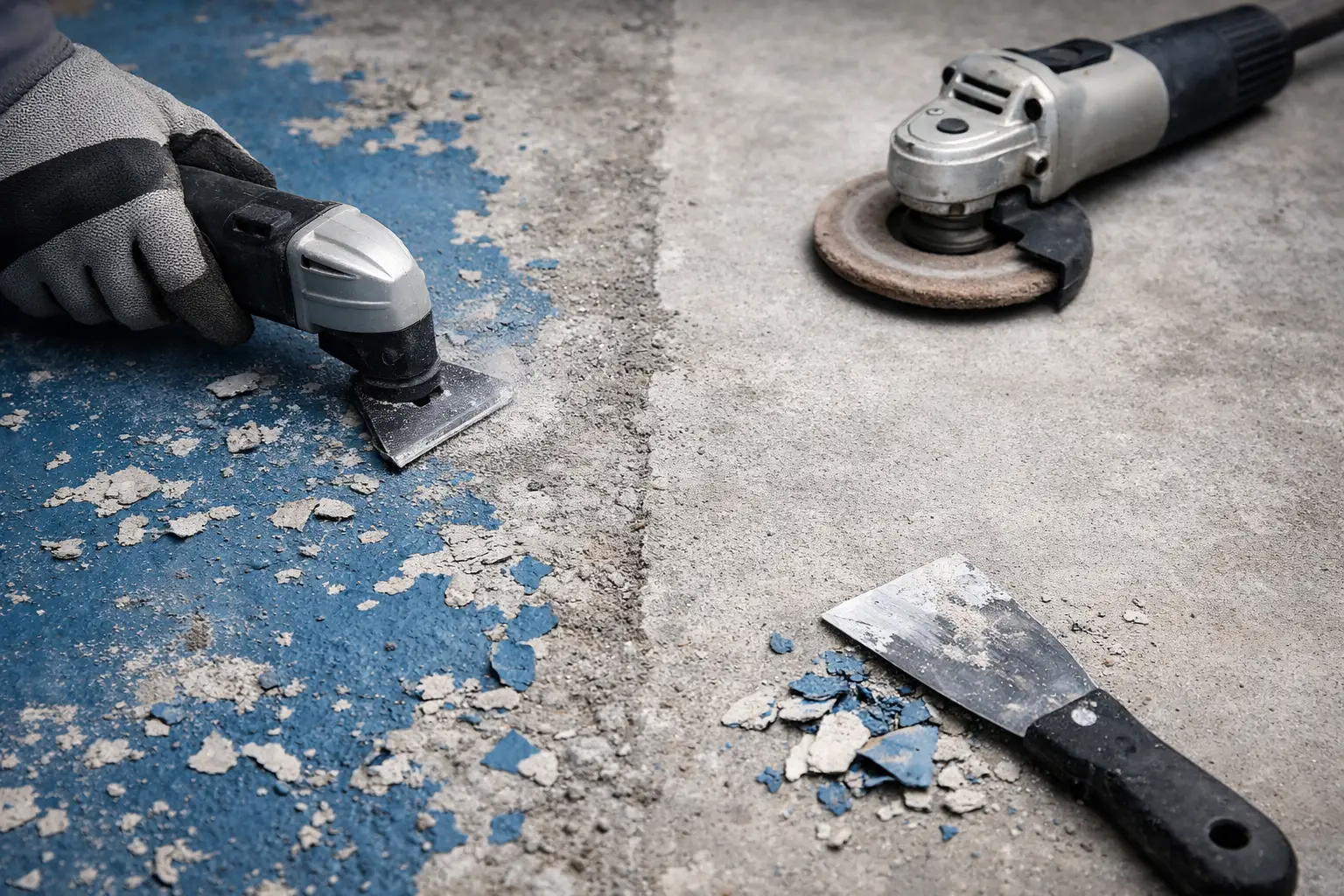
In many jobs, the tile itself is the easy part. The harder part is lifting the bedding and adhesive without destroying the slab. Some floors release cleanly. Others hold on so hard that mechanical removal, grinding and careful surface preparation are needed before the area is fit for reinstallation.
That is where experience matters. If you go too hard, you can damage the base. If you go too soft, you leave contamination behind. Either way, the next stage of the renovation suffers.
Why DIY tile removal often blows out
Plenty of property owners start out thinking tile removal will save money if they do it themselves. On small, loose areas, that can sometimes be true. But most real-world jobs are not clean, small or forgiving.
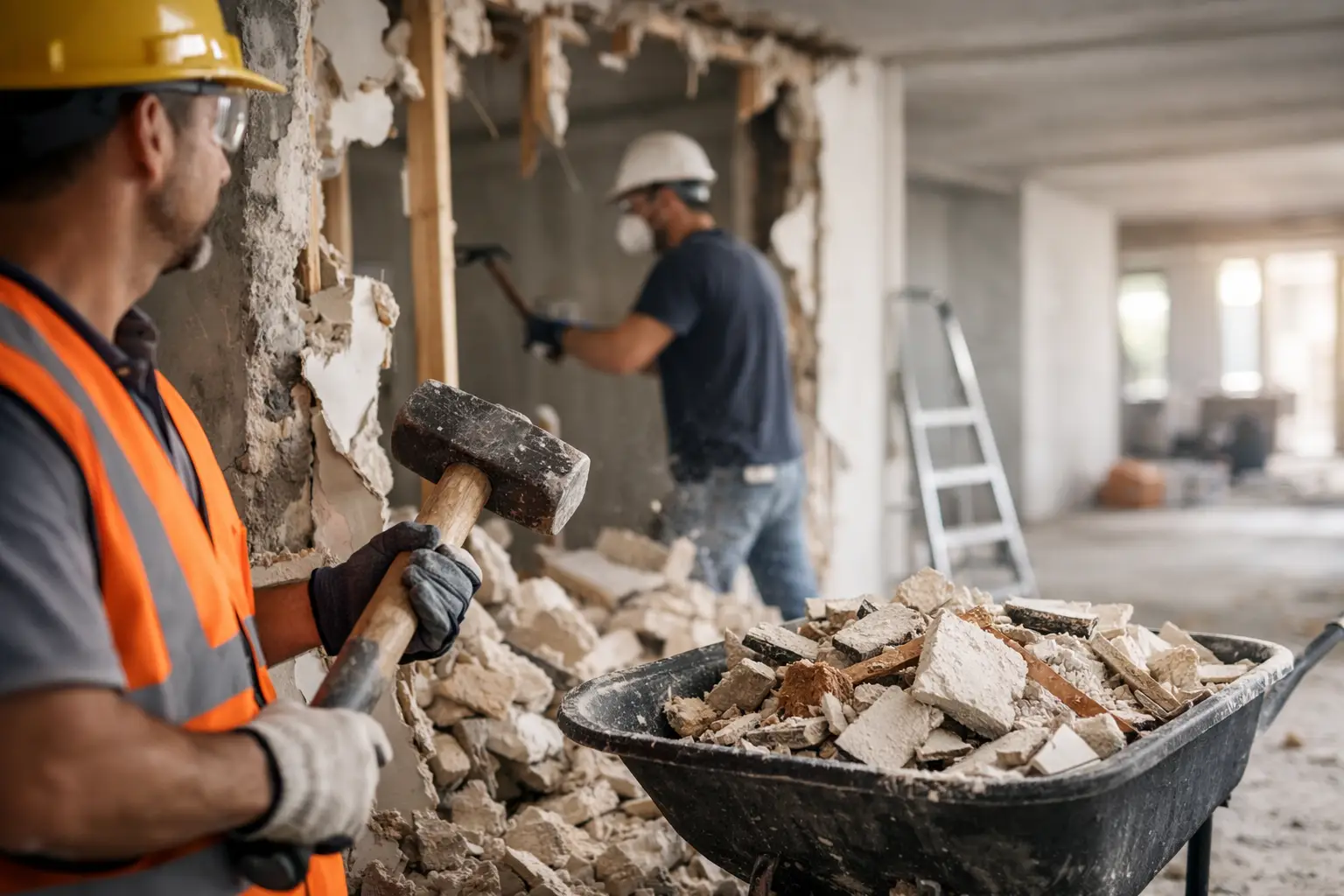
The first issue is production speed. Removing a few tiles is one thing. Stripping an entire bathroom, kitchen, unit or commercial area is another. Once the bedding starts fighting back, progress slows to a crawl. What looked like a one-day job can turn into several days of noise, dust and fatigue.
The second issue is finish quality. Renovators and builders do not just need tiles gone. They need a surface that can be assessed, repaired if required, and prepared properly for new materials. A rough result creates delays for waterproofers, tilers, flooring installers and other trades waiting to move.
Then there is site control. Dust, rubble, sharp fragments and adhesive waste travel fast if the job is not contained properly. In occupied homes and active commercial spaces, that matters. The mess is not a side issue. It is part of the job.
Where tile stripping gets difficult
Some tile removal jobs are straightforward. Others are technical from the first hit.
Older properties can have multiple layers of finishes, patch repairs and unknown substrate conditions hidden underneath. Bathrooms often include waterproofing systems that need careful handling depending on the scope of the renovation. Kitchens may have tiled areas bonded hard over concrete, with heavy adhesive beds that resist removal. Outdoor and pool surrounds bring their own issues, especially where moisture, movement or aged materials have changed how the installation holds together.
Commercial sites add another layer again. There may be access restrictions, noise limits, time windows, safety requirements and pressure to complete work with minimal disruption to staff, tenants or customers. In those settings, speed only counts if the work stays controlled and the site remains manageable.
The importance of protecting the substrate
One of the biggest mistakes in tile stripping is treating every slab the same. Concrete is tough, but it is not indestructible. Aggressive removal can leave pitting, scarring and high-low sections that then need correction before new finishes go down.
A professional approach focuses on removal and surface preparation as one connected task. The goal is not simply to expose the slab. The goal is to leave it in the best possible condition for the next trade. That may involve stripping tile and bedding, then grinding adhesive remnants and smoothing the area so it is genuinely ready for the next phase.
This is especially important on renovation schedules. If the floor is not properly prepared, problems do not disappear. They get passed down the line.
Dust control is not optional
Tile stripping is noisy, physical work. It does not have to mean uncontrolled dust through the entire property.
The right equipment, extraction methods and clean-up process make a major difference, especially in homes that are partly occupied or in commercial environments where adjacent areas still need to function. Dust control is also about safety. Fine particulate from tile, adhesive and substrate materials should be managed properly, not left hanging in the air or settling through the site.
Clean execution shows up in more than appearance. It reduces disruption, protects surrounding finishes and keeps the job moving. A stripped site that is left orderly and manageable is easier for every trade that follows.
Tile stripping for homes, units and commercial sites
The process changes depending on the setting. In a residential bathroom or kitchen, access is tighter, surrounding finishes are often staying in place and care around adjacent rooms matters. In full-home or unit renovations, the focus is usually on volume, turnaround and getting multiple areas cleared fast so the build can keep moving.
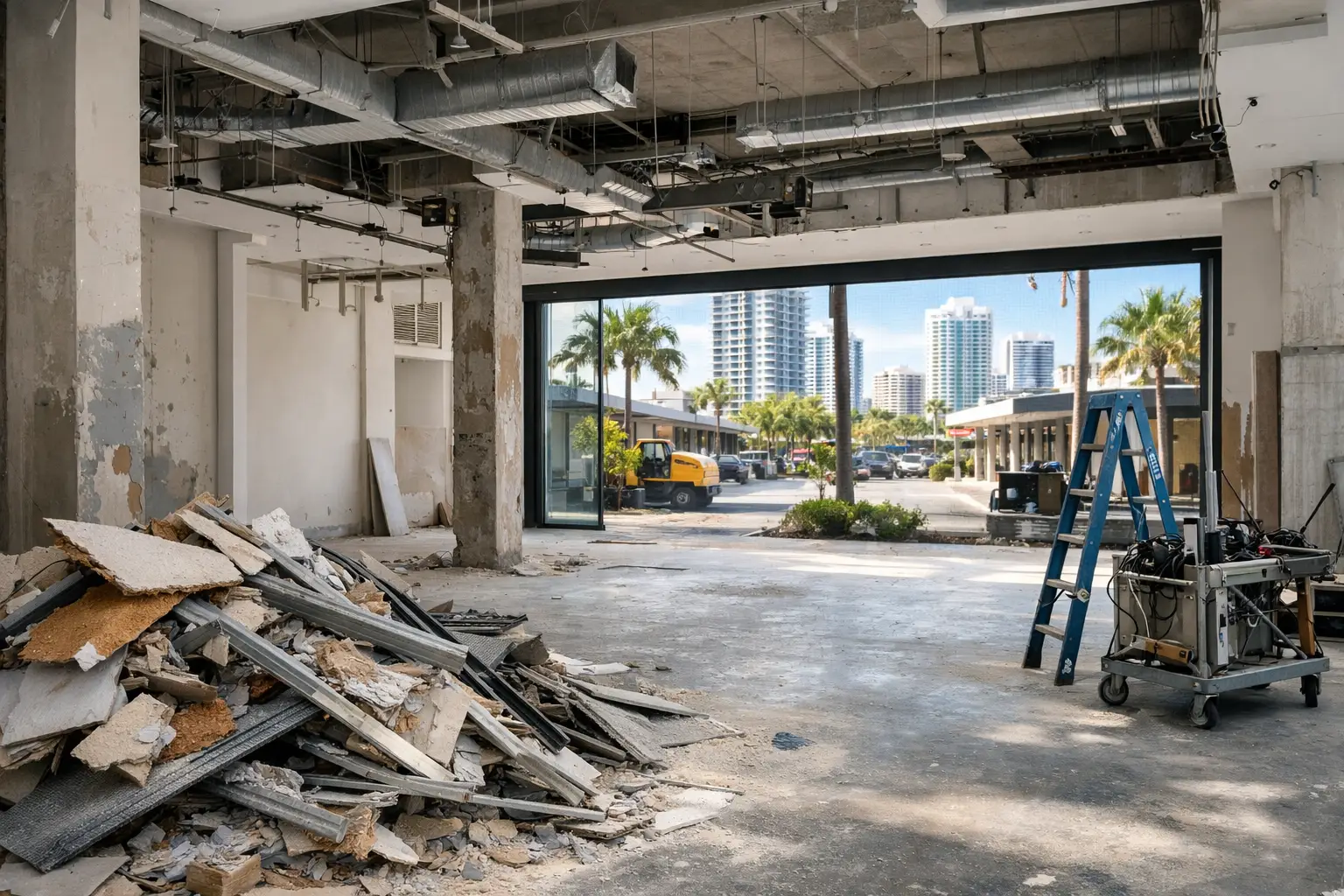
Commercial projects tend to be more time-sensitive. Offices, retail spaces, hospitality venues and shared buildings often need clear planning around hours, waste removal and work zones. In these jobs, experience with strip-outs and floor preparation becomes just as important as the removal itself.
That is why specialist operators are usually the right fit. The work sits at the crossover point between demolition, flooring removal and renovation preparation. It requires tools, systems and judgement that general labour crews do not always have.
What a professional result should look like
A proper tile stripping job should leave you with more than an empty floor. It should leave a site that feels under control.
That means tiles, bedding and adhesive have been removed as required for the renovation scope. The slab or base has been assessed and treated appropriately. Loose debris is cleared. Dust is managed. The area is ready for waterproofing, levelling, tiling or whatever comes next.
It also means realistic communication. Not every substrate will come up perfectly. Not every older floor will reveal a flawless slab underneath. Good operators explain what they are seeing, what the limitations are and what needs to happen next to keep the project on track.
That kind of clarity matters to homeowners and it matters even more to builders and property managers working to tight timeframes.
When speed matters most
In renovation work, delays compound fast. If floor removal slips, the rest of the schedule usually slips with it. That is why the best tile stripping services are built around efficiency, not just labour.
Fast completion comes from using the right machinery, planning waste handling properly and having the technical skill to deal with difficult materials without stalling mid-job. For many projects, especially across busy parts of Northern NSW, the Gold Coast, Brisbane and the Sunshine Coast, getting the strip-out completed quickly can be the difference between a smooth handover and a renovation that starts behind.
Speed still needs discipline behind it. Rushed removal that leaves damage or a rough surface is not efficient. It simply shifts the problem to the next trade.
Choosing the right team for tile stripping
If you are lining up a tile removal contractor, ask a simple question: will they leave the site ready for the next step, or just leave it empty?
That is the real measure. A specialist team should be able to handle hard-bonded tiles, stubborn adhesives, difficult substrates and site cleanliness without turning the job into a drawn-out demolition mess. They should understand both removal and preparation, because one without the other rarely delivers a clean renovation handover.
At Rapid Stripped, that is the standard the work is built around – fast turnaround, controlled execution and surfaces prepared properly for what comes next.
If your tiles need to come out, the smartest move is to think beyond demolition. The real win is not seeing the old finish gone. It is standing on a clean, ready surface and knowing the next stage can start without drama.