
When an office lease is ending or a refurbishment is about to start, the strip-out stage is where projects either stay on track or start slipping. A proper office strip out Brisbane businesses can rely on is not just about ripping out old fit-outs. It is about clearing the space fast, managing dust and waste properly, protecting the base building, and handing over a site that is genuinely ready for the next trade.
That matters more than most people expect. Office strip-outs often happen under tight deadlines, inside occupied buildings, with lift bookings, noise limits, after-hours access, and property manager requirements all in play. If the demolition crew is slow, messy, or underprepared, everyone behind them wears the delay.
What an office strip out in Brisbane usually involves
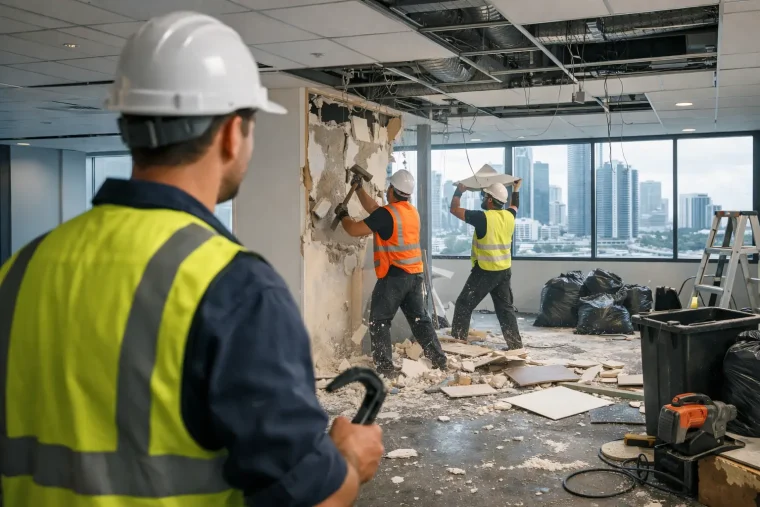
Every office is different, but the core work is usually straightforward. Internal non-structural elements are removed so the space can be returned to base build condition or prepared for a new fit-out. That can include carpet and vinyl removal, tile removal, adhesive removal, partition walls, joinery, ceilings, kitchens, bathrooms, fixtures, redundant services, and general demolition of outdated finishes.
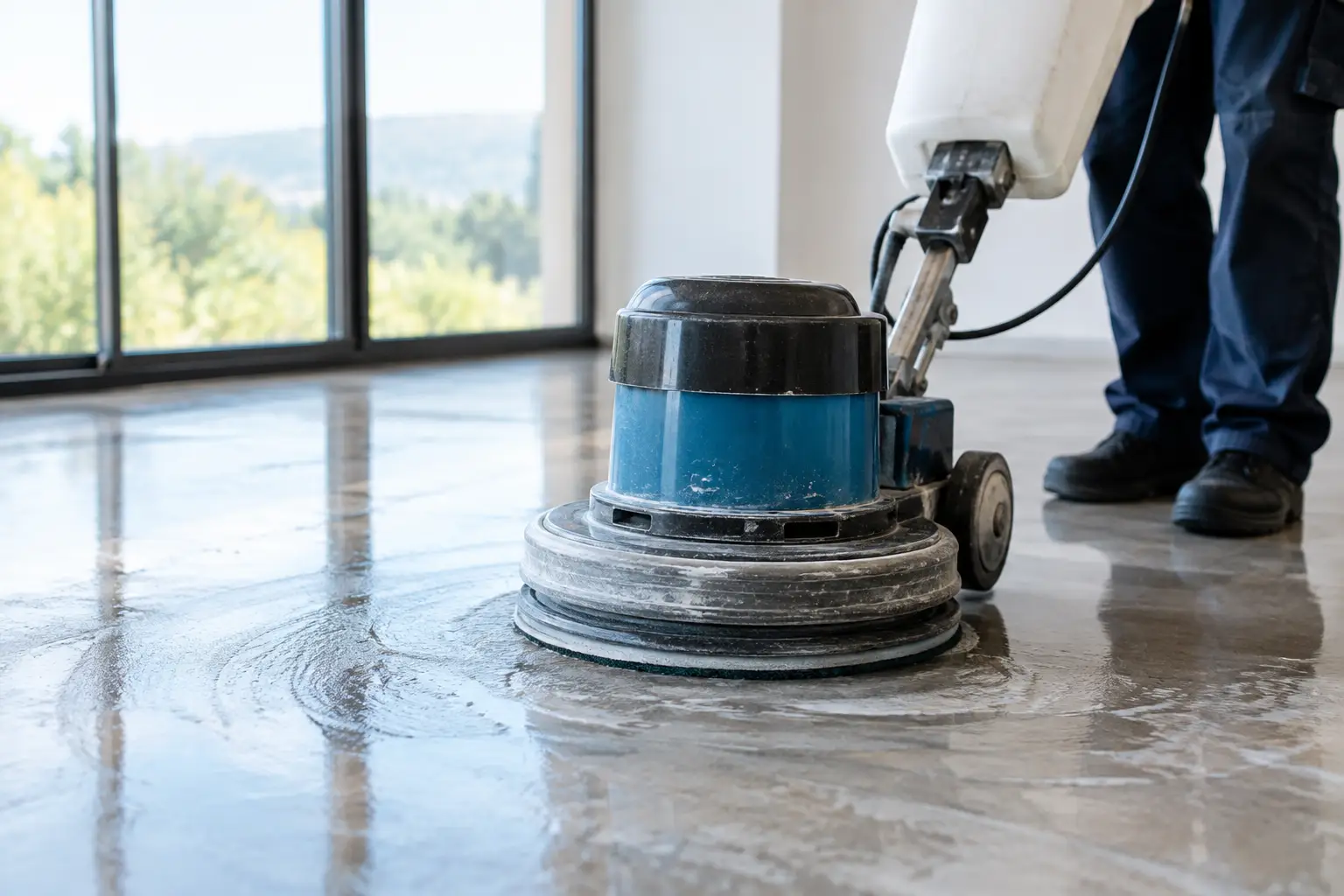
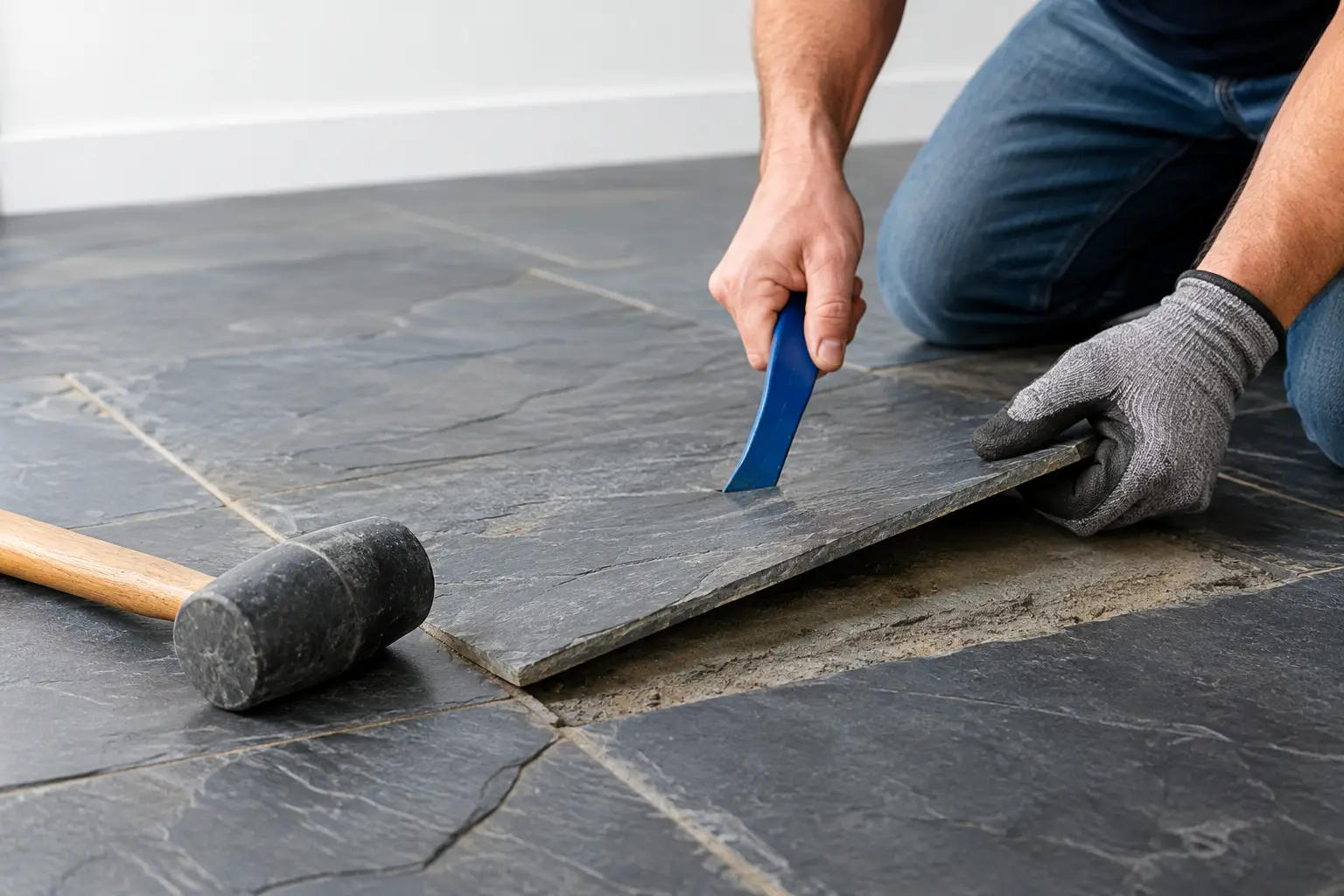
The flooring side is often where hidden time gets lost. Old carpet tiles can come up quickly, but the adhesive underneath may not. Vinyl can leave stubborn residue. Tiles may be laid over thick bedding that needs machine removal. Timber, epoxy, painted surfaces, and damaged subfloors can all need a different approach. A clean strip-out is not finished when the covering is gone. It is finished when the slab or substrate is properly exposed and ready for the next stage.
That is why specialist removal matters. Surface preparation is part of the job, not an afterthought.
Why office strip out Brisbane projects need more than basic demolition
A lot of people assume any demolition crew can handle an office. Sometimes that works. Sometimes it creates a bigger mess than the original fit-out.
Commercial strip-outs have tighter tolerances than many residential jobs. Building management may require protection to lifts, common areas, entries and loading zones. Waste removal needs to be organised so rubbish does not pile up in shared access points. Dust control has to be taken seriously, especially when adjacent tenancies are still operating. Noise and timing can also be restricted, which means the work needs to be planned properly before tools even hit the floor.
Then there is the question of what sits underneath the finishes being removed. Not every slab is in good condition. Not every covering comes up cleanly. Some floors need grinding after removal to get rid of adhesive, smooth high spots, or prepare the surface for a new floor system. If that is missed, the next contractor inherits the problem.
Good strip-out work saves time because it reduces rework. That is the difference.
The biggest factors that affect strip-out time
Clients usually want to know how long the job will take, and the honest answer is it depends on the fit-out, the access, and the finish required at handover. Some offices can be stripped quickly and cleanly in a day. Others need more staging because the site is larger or more complex.
Floor type is a major factor. Carpet tile removal is one thing. Removing tiled floors with heavy bedding, glue-down vinyl, or old epoxy coatings is another. Access also matters. A ground-floor tenancy with easy waste removal is always simpler than a tower with booked lifts and limited loading dock times.
There is also the question of whether the office is being partially stripped or fully cleared. A make-good for lease return may require removal of partitions, signage, floor coverings, kitchens and workstations. A renovation-ready strip-out may go further, with bathrooms, wall linings, adhesives and floor preparation included so the next trade can start without delay.
That is why good quoting is based on detail, not guesswork.
What to expect from a professional office strip out team
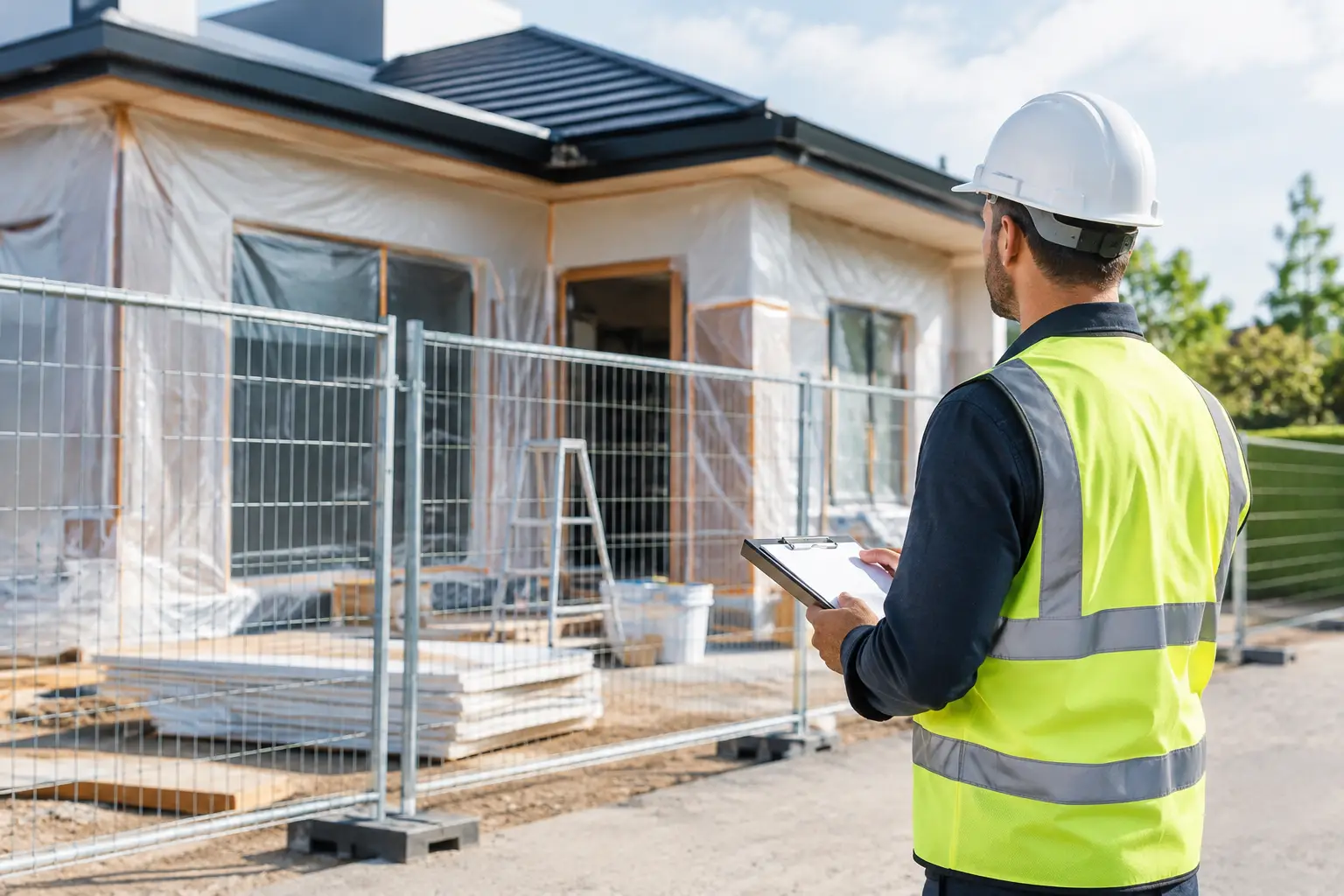
A proper team does not just show up with breakers and bins. The job should start with a clear scope, site check, and removal plan that matches the building conditions. That includes identifying what is being removed, what stays, how waste is handled, and what level of finish is needed once the strip-out is complete.
On site, the standard should be simple – work safely, protect surrounding areas, control dust, remove materials efficiently, and leave the area clean enough for the next stage. If the team is also experienced in floor stripping and surface prep, that is a real advantage. It means the same crew can remove difficult floor coverings, deal with adhesives, grind the slab where needed, and hand over a usable surface instead of a half-finished demolition site.
That joined-up approach is especially useful in busy commercial environments. Fewer contractors on site usually means fewer delays, fewer handover arguments, and less chance of something being missed.
Office strip out Brisbane and lease make-good requirements
Not every office strip-out is for a renovation. Many are driven by lease-end obligations, and that changes the focus of the job.
In a lease make-good, the goal is usually to return the tenancy to an agreed condition under the lease terms. That might mean removing fit-out elements added by the tenant, taking up flooring, stripping adhesives, disconnecting non-essential fixtures, and making the space presentable for handover. It is not unusual for these projects to run against a fixed exit date, which leaves little room for delays.
This is where experience counts. The team needs to understand what a building manager or landlord is likely to inspect and where poor removal work tends to get picked up. Rough slab patches, leftover adhesive, damaged common areas, rubbish left behind, and partial demolition all create problems at the worst possible time.
Getting the strip-out right the first time is far easier than trying to patch a rushed job at the end of a lease.
Dust, safety and site readiness are not optional
Office demolition is messy by nature, but it should still be controlled. Dust management matters for health, cleanliness, and the practical reality of working inside shared commercial buildings. It also matters for the trades coming in next. Nobody wants to start a fit-out or flooring install on a site that still needs another round of cleanup.
Safety is just as important. Strip-outs involve cutting, lifting, breaking, grinding and removing heavy materials. Access paths, waste movement, service isolation, and plant use all need to be managed properly. The right crew works methodically because that is how jobs stay efficient and incident-free.
Site readiness is the final test. Once the strip-out is complete, the area should be genuinely prepared for what comes next. That may mean bare slab, adhesive-free surfaces, removed fixtures, clean transitions, and a tidy work area. A half-prepared site only shifts the problem down the line.
Choosing the right contractor for the job
If you are organising an office strip-out, ask practical questions. Can they handle difficult floor removal as well as general demolition? Do they understand commercial access and building conditions? Can they manage dust and leave the site ready for follow-on trades? Have they done make-good and renovation-prep work before?
You are not just hiring labour. You are hiring control of a critical project stage.
For many Brisbane offices, speed matters, but speed without discipline is not much use. The right contractor moves quickly because they know the work, use the right equipment, and understand how to sequence the job properly. They do not leave behind adhesive, damaged substrates, or a cleanup problem for someone else.
That is where a specialist operator stands apart. Companies like Rapid Stripped are built around removal work, floor stripping, surface prep and demolition support, so the focus stays on delivering a clean, ready site with minimal disruption.
If your office needs to be cleared for make-good, refurbishment or a full new fit-out, the best move is to treat the strip-out as the foundation of the whole job. When that stage is done properly, everything after it has a better chance of running on time.