
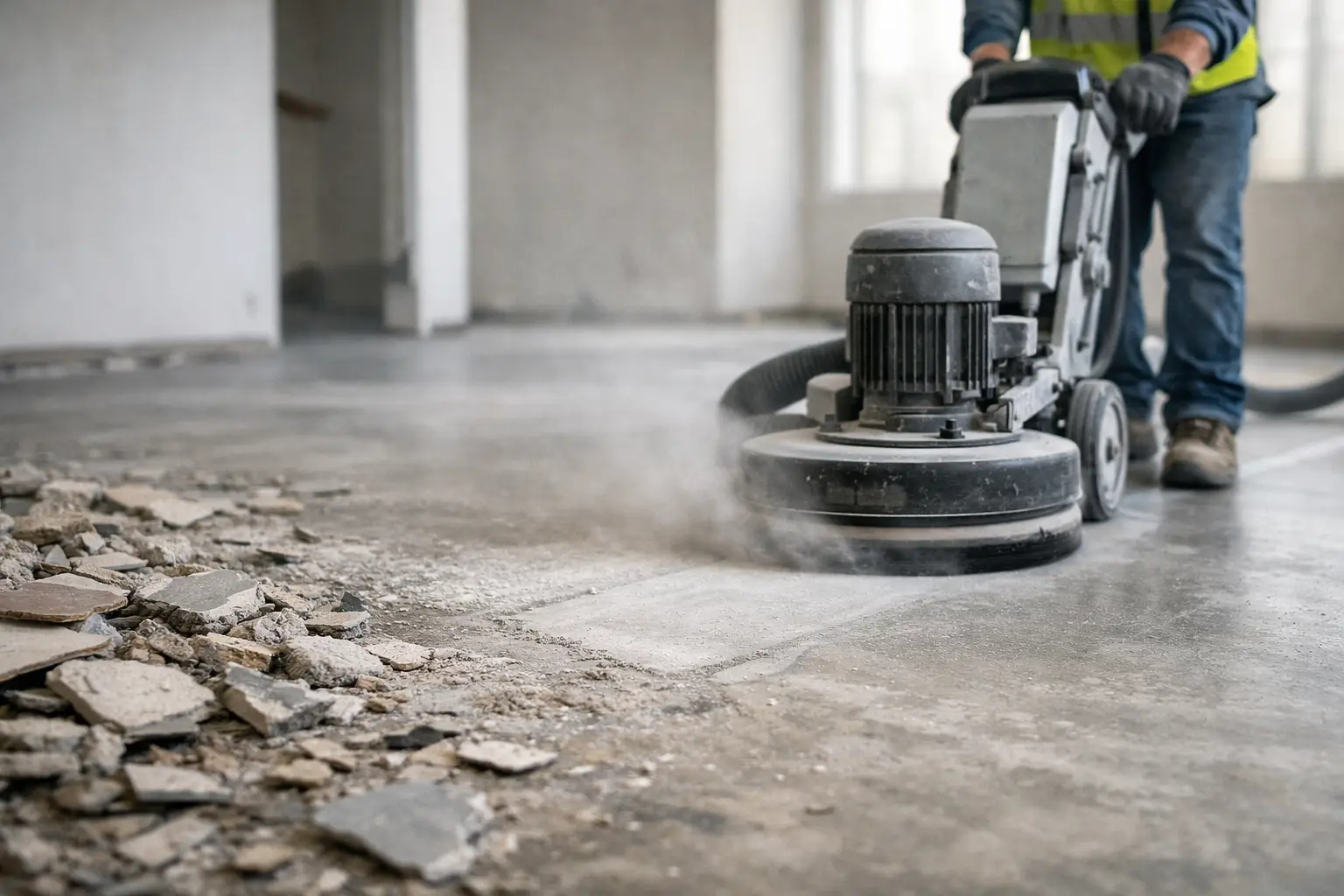
A tile floor can look removed once the tiles and rubble are gone, but that does not mean the concrete underneath is ready for the next trade. Is slab grinding required after tile removal? Often, yes – but not on every job. The real question is whether the exposed slab is clean, flat and suitable for the flooring, waterproofing or adhesive system going back over it.
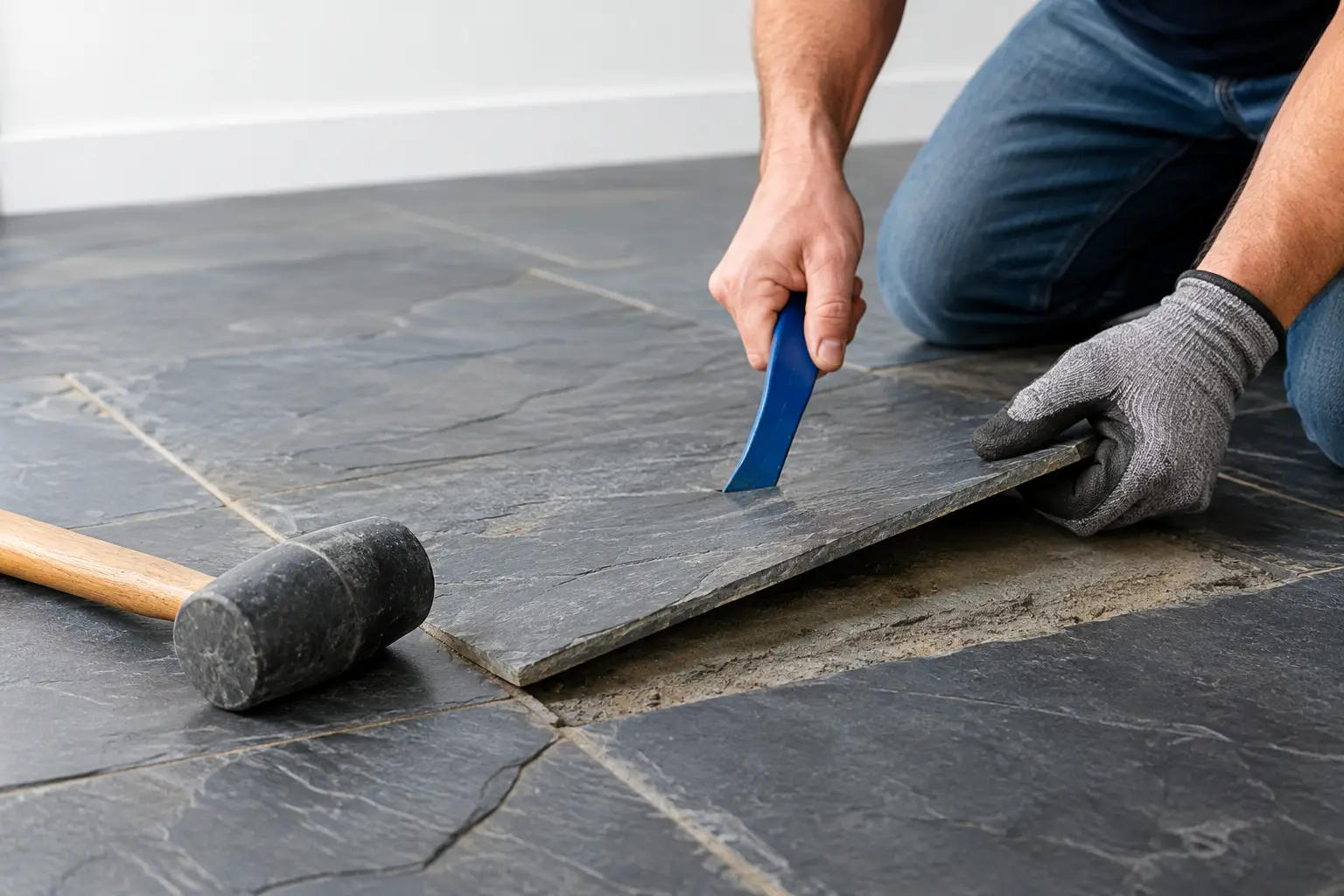
Tile removal commonly leaves behind old bedding mortar, tile adhesive, high spots, loose patches and surface contamination. These are not cosmetic issues. They can affect how new tiles bond, whether vinyl sits flat, how floor levelling products perform, and whether a renovation stays on schedule.
When slab grinding is required after tile removal
Slab grinding is generally required when tile bedding or adhesive remains firmly attached to the concrete. Mechanical tile removal is designed to lift the tiles efficiently, but the process can leave a rough, uneven finish where the bedding has bonded hard to the slab. Trying to tile directly over that surface can create unnecessary problems for the installer.
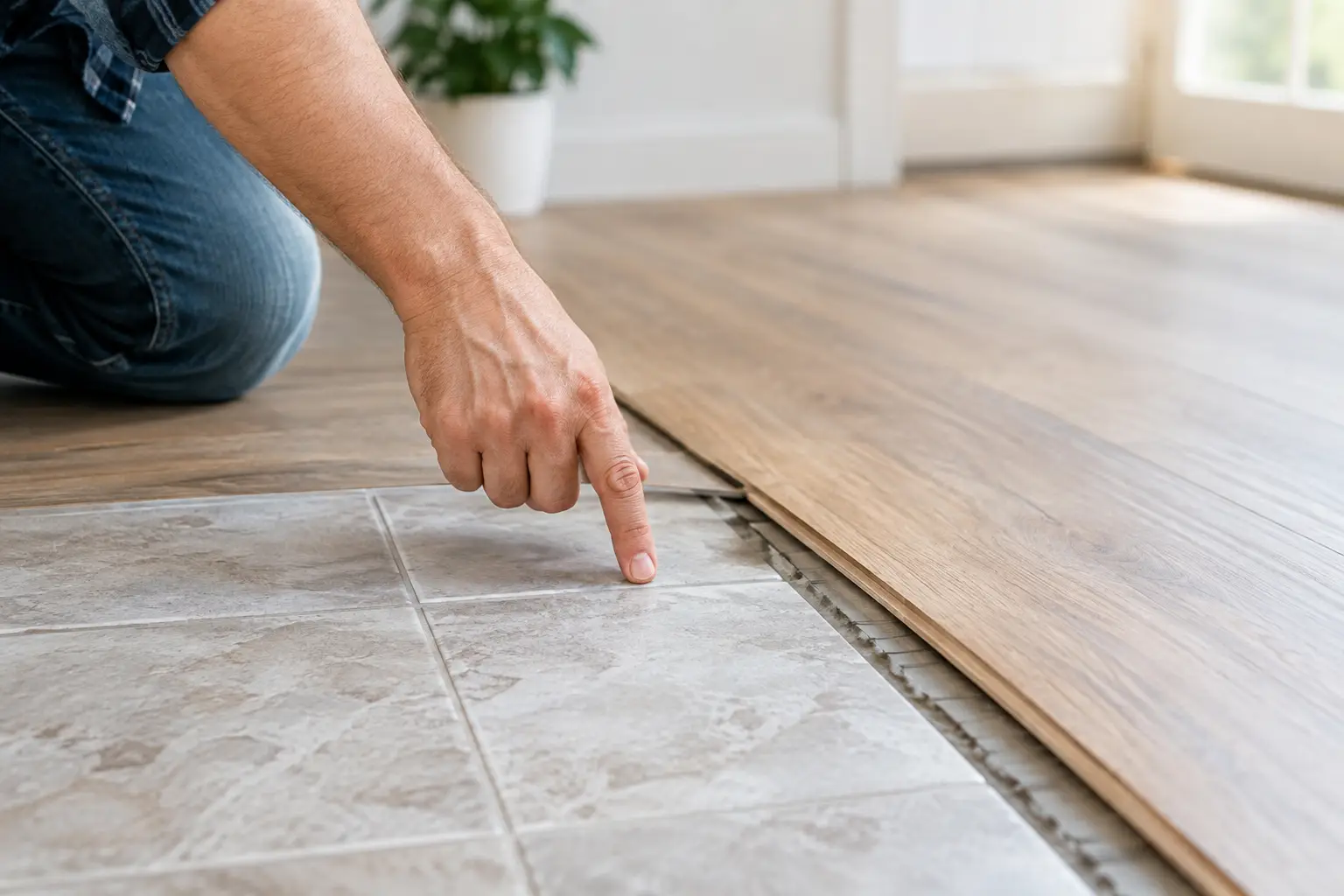
Grinding is also the right call when there are noticeable ridges, lips between areas, stubborn adhesive lines or raised remnants of old floor leveller. A new floor follows the shape of the substrate beneath it. If the slab has humps and hard edges, those imperfections can transfer through thin vinyl, hybrid flooring or carpet, or make it difficult to achieve consistent tile adhesive coverage.
For a bathroom renovation, grinding is often part of proper preparation where old tiles have been removed from the floor. The surface needs to support the next stage of work, which may include patching, forming falls, waterproofing and retiling. Leaving hard adhesive or loose material in place can compromise the finish before the new tiles are even laid.
When grinding may not be necessary
Not every stripped floor needs full slab grinding. If tiles lift cleanly and the concrete is already sound, reasonably flat and free from adhesive, the slab may only need a local scrape, minor patching or a final clean. This is more likely with some newer installations or floors where the previous adhesive has failed.
The flooring going down matters as well. Thick tiles with an appropriate adhesive bed can accommodate small variations that would be unacceptable under sheet vinyl or polished concrete. That does not mean rough preparation should be ignored. It means the required standard should match the new floor system and the installer’s specifications.
A full assessment should also distinguish between a rough slab and a structurally damaged slab. Grinding removes surface material. It will not fix cracks that move, major low spots, moisture issues or hollow concrete. Those conditions may require repair, levelling or advice from the relevant trade before the floor covering is installed.
What slab grinding actually achieves
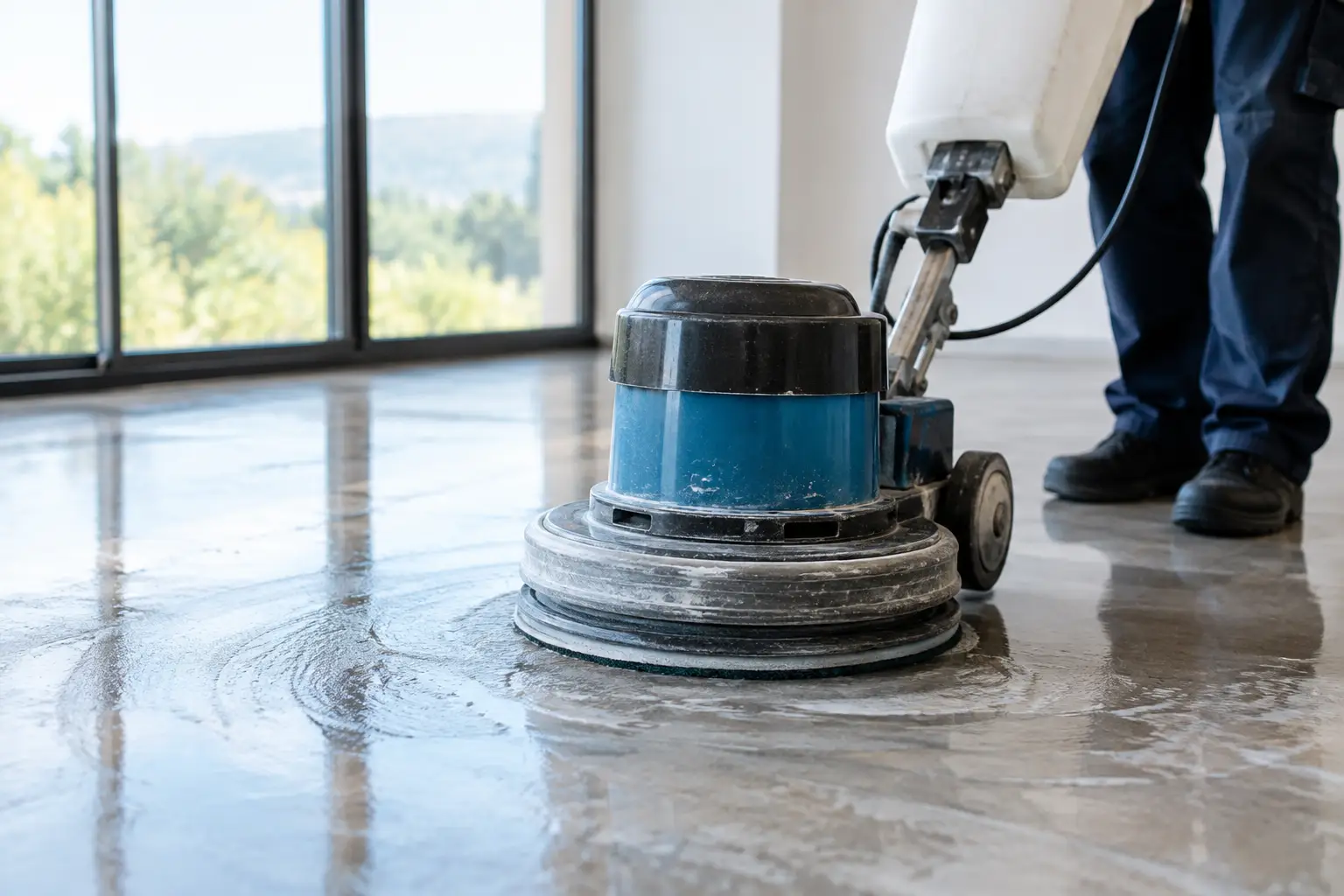
Professional slab grinding uses purpose-built equipment with diamond tooling to remove high spots, adhesive residue, tile bedding and weak surface material. The aim is not always to make the slab look polished. It is to create a clean, stable and suitably profiled surface for the work that follows.
On a tile removal job, grinding can help achieve three practical outcomes. First, it removes material that can stop new adhesive, waterproofing membranes or levelling compounds from bonding correctly. Second, it reduces unevenness so the next floor can be installed with less patching and fewer surprises. Third, it exposes the true condition of the slab, including cracks, previous repairs and areas that need attention.
This is why grinding should be treated as surface preparation, not a quick clean-up at the end of demolition. Done properly, it gives the tiler, flooring installer or builder a more predictable base to work from.
Adhesive residue is a common reason to grind
Old tile adhesive is often tougher than it looks. A thin, hard film across the slab may seem harmless, but it can interfere with the bonding requirements of the next product. Some adhesives and floor levellers will not perform as intended over contaminated, dusty or poorly prepared concrete.
The same applies to black adhesive residues, old glue lines and traces of previous floor coatings. The correct approach depends on the material and its condition. It is not always safe or effective to simply cover it over. Grinding provides a controlled method of removing or keying the surface where suitable.
Flat is not always level
A slab can be level overall yet still be too uneven for a new floor. It can also be flat enough for one product but not another. This distinction matters when planning the scope of work.
Grinding is especially effective at bringing down high points. It cannot raise low areas, so a floor with dips may need a levelling compound after grinding. The best result is often a combination of removal, grinding and local patching rather than relying on one process to solve every issue.
Why skipping grinding can create delays
The pressure to move quickly through a renovation is understandable. Once the tiles are out, everyone wants the next trade on site. But leaving a slab in poor condition can shift the problem downstream.
A tiler may need to spend extra time scraping and patching before starting. A vinyl installer may reject the substrate until it is smoother. Waterproofing can be delayed if the floor is dusty, rough or covered in residue. In commercial spaces, that can hold up multiple trades and extend the period a tenancy or work area is out of action.
There is also a finish risk. Uneven preparation can contribute to lipping in new tiles, telegraphing through resilient flooring, excess adhesive use and premature bond failure. The cost is not just visual. It can mean rework after the renovation should have been finished.
Dust control is part of the job
Concrete grinding creates fine silica dust, which is a serious work health and safety issue when not properly controlled. Residential homes, occupied units, offices and retail spaces need particular care because dust travels well beyond the immediate work area.
A professional grinding setup uses appropriate dust extraction connected directly to the machine, along with containment and site protection where required. This keeps the work area cleaner and reduces disruption to adjacent rooms, common areas and neighbouring businesses.
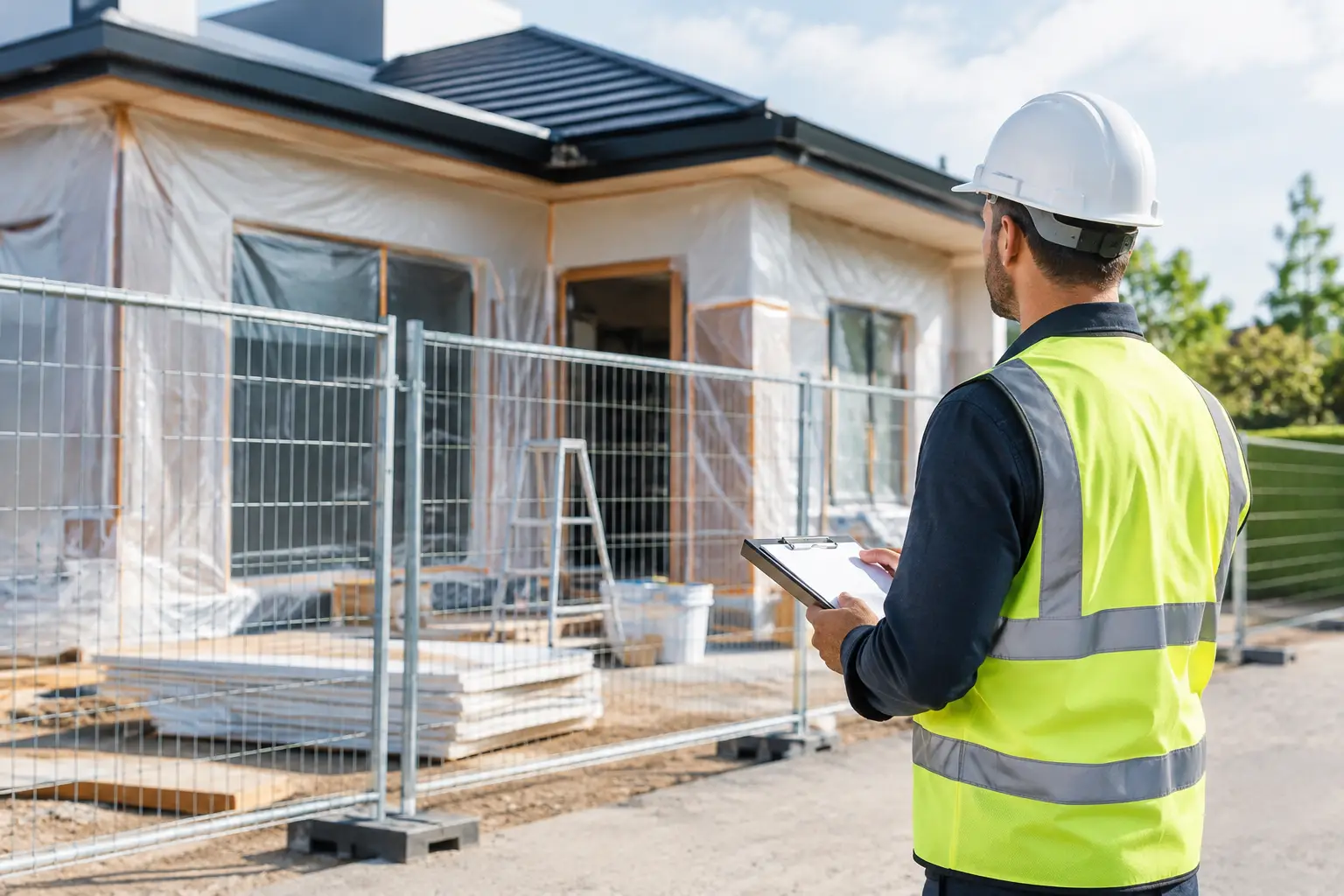
For projects across Northern NSW, the Gold Coast, Brisbane and the Sunshine Coast, Rapid Stripped assesses both the surface condition and the environment around it. A vacant concrete shell and an occupied apartment require different controls, even when the floor removal itself looks similar.
How to tell if your slab needs grinding
After tile removal, look for hard adhesive ridges, thick bedding patches, obvious high points, loose concrete, flaking material and rough areas that cannot be cleaned with a basic scrape. Run a straightedge across the floor where possible. Gaps and rocking can reveal unevenness that is difficult to judge by eye.
More importantly, ask the person installing the new floor what substrate standard they require. Their product system may specify flatness tolerances, moisture testing, priming or particular preparation methods. Getting that information before removal work begins helps avoid a stop-start job.
If the old floor includes unknown coatings, black residues or damaged sections, avoid aggressive DIY methods. Apart from the dust and physical demands, using the wrong tooling can scar the slab or leave material that still needs professional removal.
Plan the removal and preparation together
The cleanest renovation sequence is to treat tile removal and slab preparation as one coordinated stage. Remove the tiles, take away the rubbish, assess the exposed concrete, grind where needed, then leave the floor ready for the next trade. This avoids handing over a surface that looks clear but is not actually fit for installation.
The goal is not to grind concrete unnecessarily. It is to give the new floor the base it deserves. If the slab is clean, sound and flat, minimal preparation may be enough. If it is covered in hard bedding, glue and high spots, grinding is the work that protects the quality of everything installed above it.