
Anyone who has lifted old tiles knows the real fight starts after the tiles are gone. The adhesive left behind can be harder than the tile itself, and finding the best tile glue remover depends on what is stuck to the floor, how thick it is, and what sits underneath.
That is where plenty of renovation jobs go sideways. A product that softens one type of glue can do very little on another. Mechanical removal can be fast, but on the wrong substrate it can leave gouges, high spots or damage that creates more work for the next trade. If the goal is a clean, ready-for-install surface, you need the right approach, not just the strongest chemical on the shelf.
What makes the best tile glue remover?
The best tile glue remover is not always a single product. In real-world floor removal, adhesive comes in different forms – old mastic, cement-based bedding residue, pressure-sensitive glue, epoxy traces, and hardened construction adhesive. Each behaves differently once it has cured, aged, or been exposed to moisture.
On a small DIY patch, a hand scraper and adhesive remover might be enough. On a full room, commercial tenancy or renovation strip-out, that same method can waste hours and still leave an uneven floor. The right remover is the one that gets the adhesive off efficiently without compromising the slab, screed or timber underneath.
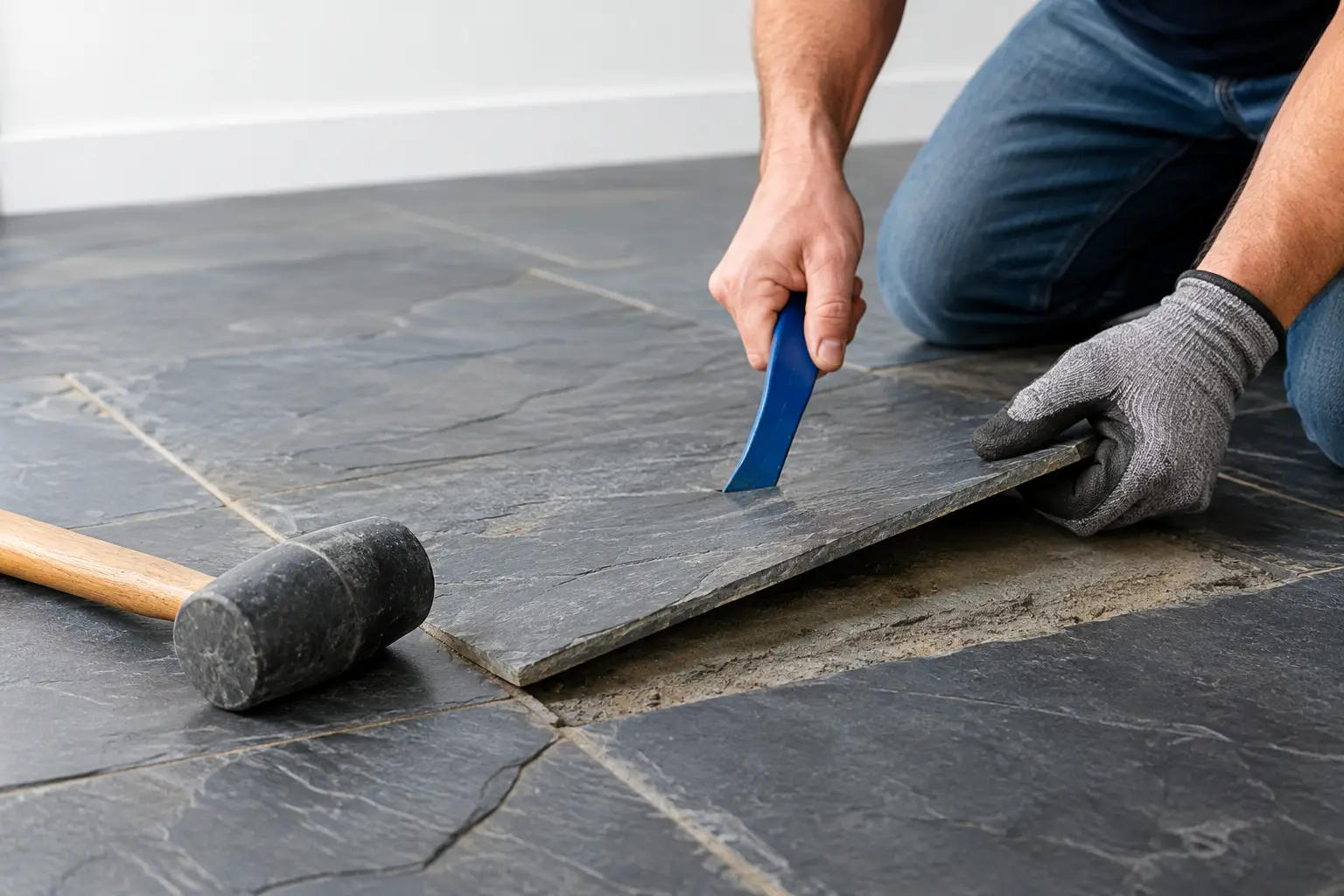
In practice, there are three main ways tile glue gets removed: chemical softening, heat and manual scraping, or mechanical grinding and stripping. The best result often comes from combining them rather than relying on one method alone.
The substrate matters more than most people think
Before choosing any tile glue remover, check what the adhesive is bonded to. This is the first decision point, because the same glue can be manageable on concrete and risky on timber or compressed sheeting.
Concrete slabs
Concrete is usually the most forgiving surface for stubborn adhesive removal. Thick tile glue, mastic residue and bedding remnants can often be mechanically removed or ground back with the right equipment. If the slab is being prepared for new tiles, vinyl, hybrid planks or epoxy, cleanliness and flatness both matter. Leaving a thin smear of adhesive might not look like much, but it can affect bond strength and floor levels.
For concrete, the best tile glue remover is often mechanical rather than chemical, especially when the residue is hard, widespread or deeply bonded. Chemical products can soften glue, but they can also soak into porous slabs and create extra clean-up before reinstatement.
Timber floors
Timber needs a more controlled approach. Aggressive scraping or grinding can tear fibres, leave deep marks and weaken the surface. Some chemical removers can also stain or over-wet timber, which is a problem if the boards are being retained or refinished.
On timber, the best tile glue remover is usually the least invasive method that still gets movement in the adhesive. Sometimes that means careful hand removal with a suitable softening agent. Sometimes it means stopping early and reassessing whether the floor should be stripped, repaired or overlaid.
Screeds and levelling compounds
Older tiled areas often hide brittle screeds or patchy levelling work underneath. These can break away with the glue during removal, which sounds useful until the floor ends up pitted and uneven. The issue is not just getting the adhesive off. It is whether the substrate is still suitable once you do.
That is why experienced operators assess the whole floor system, not just the visible glue.
Chemical removers – where they help and where they don’t
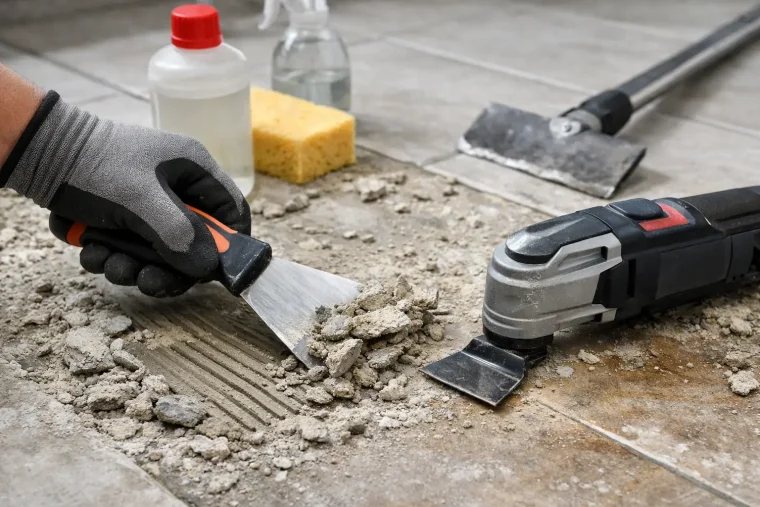
Chemical adhesive removers have their place. They can be useful for isolated areas, softer mastics, and jobs where dust needs to be tightly controlled. They are also helpful around edges, in corners, or where mechanical equipment cannot get close.
But there are trade-offs. Some products work slowly. Some leave oily or sticky residue that has to be fully cleaned before retiling or resurfacing. Others create strong odours or need ventilation, which is not ideal in occupied homes, offices or retail spaces.
The biggest mistake is assuming a chemical remover will lift every type of tile glue. Cement-based adhesive and old hardened bedding usually do not respond the way softer mastics do. In those cases, time spent waiting for product to work can be wasted effort.
If you are dealing with a small area, test first. If it barely softens after the recommended dwell time, you are probably using the wrong method.
Mechanical removal is often the real answer
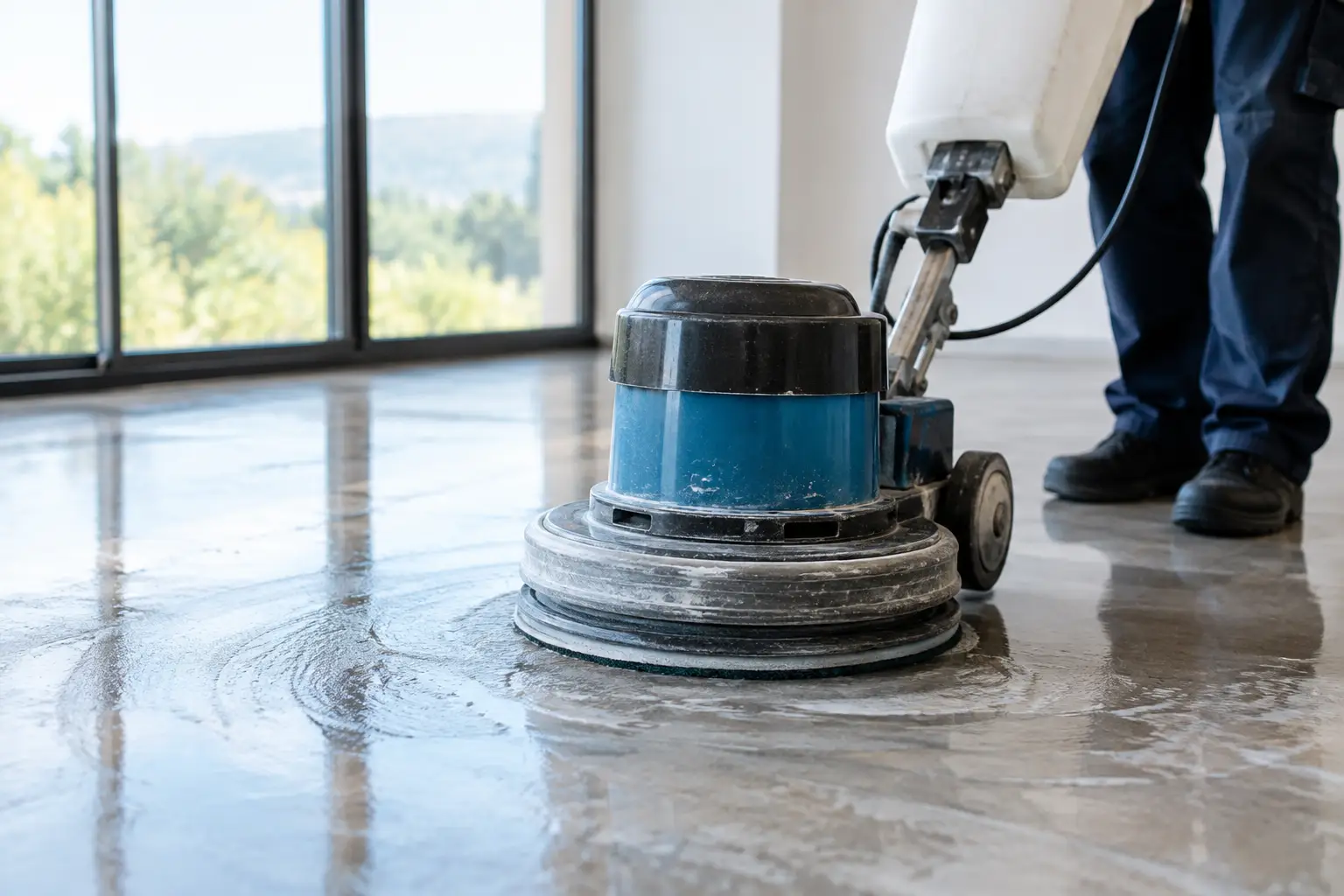
For large areas and heavily bonded residue, mechanical removal is usually the most effective option. This can involve floor scrapers, rotary grinders, concrete preparation machines or specialised stripping equipment designed to remove both adhesive and surface contamination.
This is often what people mean when they ask for the best tile glue remover, even if they are picturing a liquid product. On difficult jobs, the real remover is the machine paired with the right operator.
The upside is speed and consistency. The floor can be taken back properly, high spots can be knocked down, and the surface can be prepared for the next stage. The downside is that poor technique creates damage fast. Run the wrong tooling over a weak slab or delicate substrate and you can turn an adhesive problem into a rectification job.
Dust control also matters. Adhesive removal without proper extraction can spread fine dust through the property, which is a major issue in lived-in homes, commercial sites and staged renovation programs. This is one of the clearest differences between improvised removal and specialist work.
Best tile glue remover by job type
If you want a simple rule, match the method to the job, not the marketing label.
For small patches of softer adhesive, a chemical remover and scraper can work. For bathroom and kitchen renovations with thick glue over concrete, mechanical stripping is normally the better option. For large residential or commercial areas, full-surface grinding or stripping is usually the fastest path to a floor that is actually ready for the next trade.
For old tile beds, brittle adhesives or mixed residues from previous renovations, there is rarely one miracle product. These are the jobs where experience counts, because the operator needs to identify what is on the floor, how hard it is bonded, and whether the substrate can handle aggressive removal.
When DIY removal stops making sense
There is a point where buying another scraper, another bottle, or spending another Saturday on your knees is no longer saving time. It is just delaying the project.
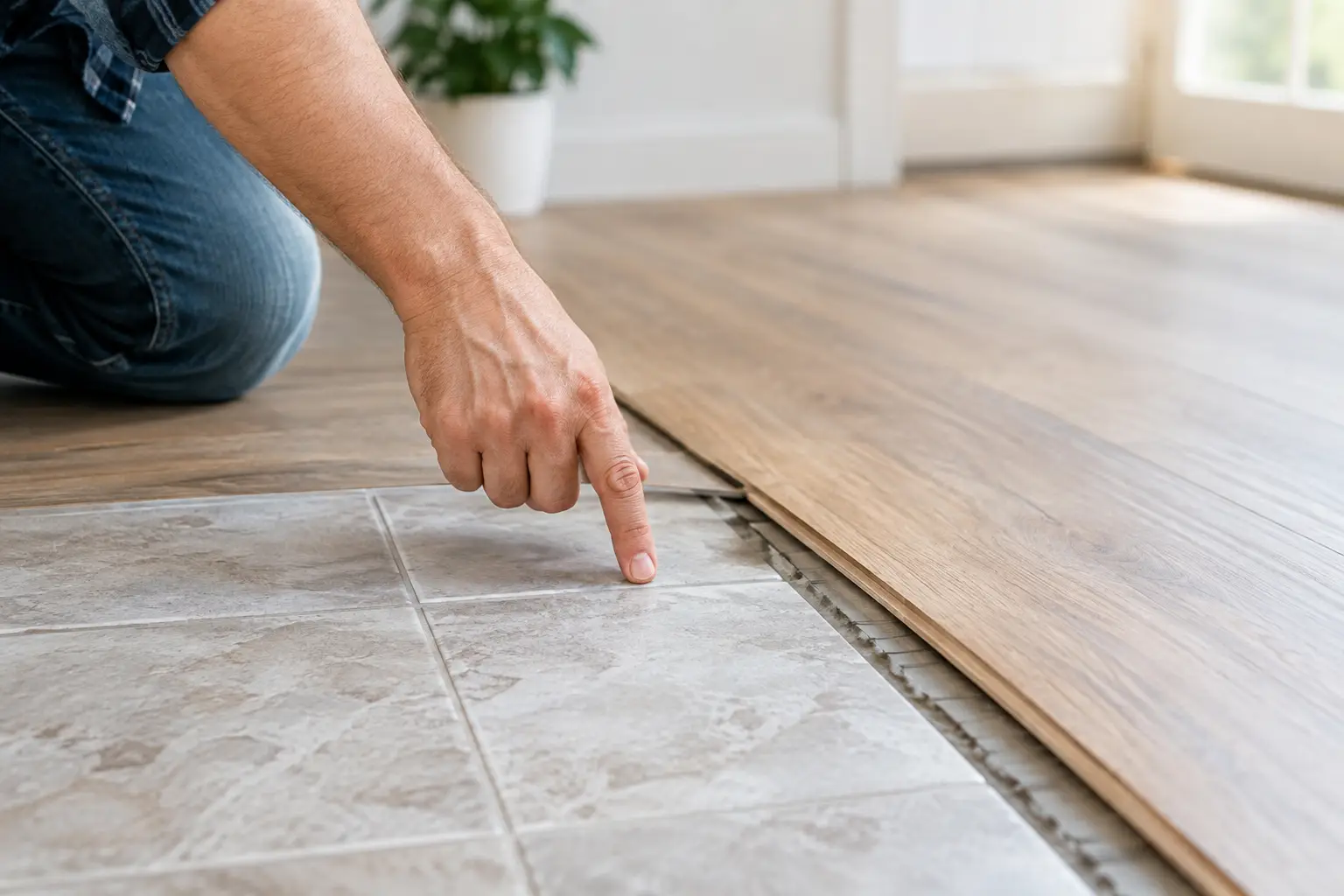
If the adhesive covers a full room, if it is bonded like rock, if the floor has to be level for new finishes, or if the site needs to stay clean and on schedule, professional removal makes more sense. The same applies where multiple floor types meet, or where there is uncertainty about the substrate condition.
A proper removal team does not just strip glue. They assess the slab, remove the residue, control dust, and leave the surface in a condition that supports the next stage of works. That is a very different outcome from partially cleaned adhesive with random high spots and leftover contamination.
For builders, renovators and property managers, that matters because delays often start with poor preparation. The tiler, floor layer or epoxy installer turns up and the surface is not ready. Then everyone loses time.
A smarter way to judge the best option
Instead of asking which product is the best tile glue remover, ask a better question: what method gets this floor ready properly, with the least disruption and the least rework?
That shifts the focus from product hype to job outcome. Sometimes the answer is a remover. Sometimes it is a grinder. Sometimes it is a full strip and surface prep package completed in one hit. For many concrete floors, especially after tile removal, the cleanest and most reliable path is specialist mechanical removal with proper dust control and finishing.
At Rapid Stripped, that is the standard we work to on renovation and strip-out jobs across Northern NSW, the Gold Coast, Brisbane and the Sunshine Coast. The aim is simple – remove the problem properly and leave the site ready for what comes next.
If you are staring at a floor covered in stubborn glue, do not just look for the strongest product. Look at the substrate, the finish you need afterward, and how much time you can afford to lose. The best result usually comes from the right method used early, before a messy floor turns into a bigger project problem.