
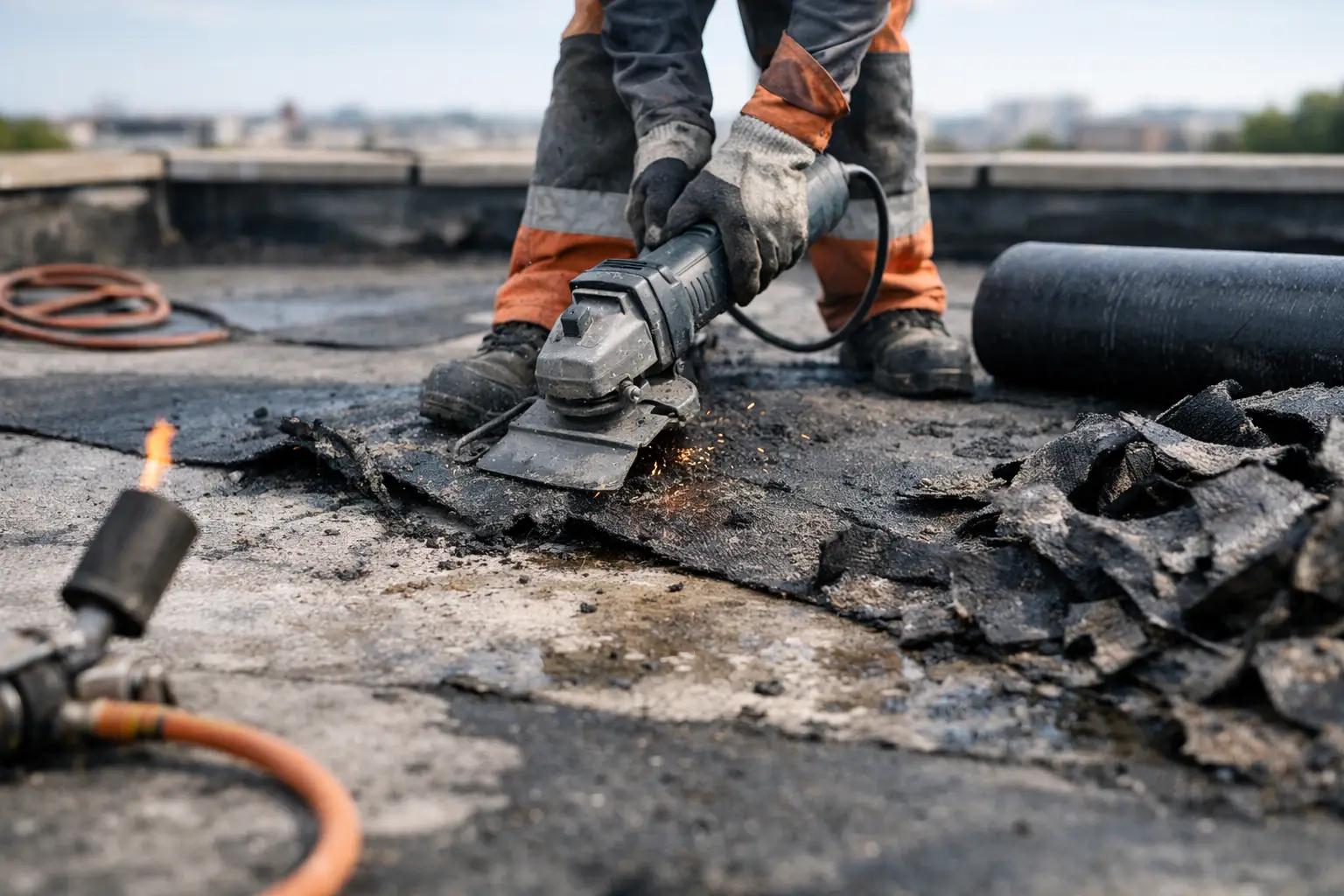
A failed bathroom renovation rarely starts with the new tiles. It starts underneath them, where old adhesive, screed and damaged waterproofing have been left behind. A professional waterproofing membrane removal service clears that hidden layer properly, giving your waterproofing contractor a clean, sound surface to work from.
This is not a job for rough demolition or a quick scrape with a hand tool. Waterproofing membranes are designed to bond tightly to the substrate. Removing them without damaging the slab, creating excessive dust or leaving contaminating residue takes the right equipment, control and judgement.
When Waterproofing Membrane Removal Is Required
Not every renovation requires the old membrane to be completely removed. If the waterproofing system is sound and the scope of work is limited, a qualified waterproofer may be able to advise on an approved repair or compatible overlay system. That decision depends on the existing membrane type, its condition, the substrate and the planned waterproofing system.
Complete removal is often the right call when a bathroom has a known leak, tiles are drummy or lifting, the membrane is torn during demolition, or the slab has been contaminated by old adhesive, moisture or failed patching compounds. It is also common during full bathroom strip-outs, shower rebuilds and renovations where the falls need correcting before new waterproofing is applied.
The key point is simple: new waterproofing is only as reliable as the surface beneath it. Applying a new system over loose, brittle or incompatible material can create problems that stay hidden until water finds its way into adjoining rooms, cabinetry or the ceiling below.
What Makes Membrane Removal Different
Old waterproofing can be a liquid-applied coating, sheet membrane, bituminous product or a layered mix of membrane, tile adhesive and screed. Some sections may release cleanly. Other areas may be firmly bonded to the concrete and need controlled mechanical removal.
The challenge is to remove the failed material while preserving the substrate. Aggressive tools can gouge a slab, damage walls at junctions or leave an uneven surface that needs significant repair. On the other hand, stopping too early can leave behind soft residues or adhesive films that affect the bond of subsequent products.
A specialist team assesses the floor as it is exposed. That means adjusting the removal method around shower recesses, corners, penetrations, floor wastes and transitions into adjoining rooms. These are the areas where poor preparation causes the biggest headaches later.
Removal Is Only One Part of Site Preparation
Tiles, bedding adhesive and membrane usually need to come up as part of the same sequence. In older bathrooms, there may also be levelling compounds, patch repairs, old screed or several generations of renovation work beneath the visible finish.
The aim is not simply to make the room look stripped out. The aim is to leave a clean, stable surface that is ready for inspection, repairs, screeding or waterproofing. That requires attention to the condition of the concrete, not just the speed of demolition.
How a Professional Waterproofing Membrane Removal Service Works
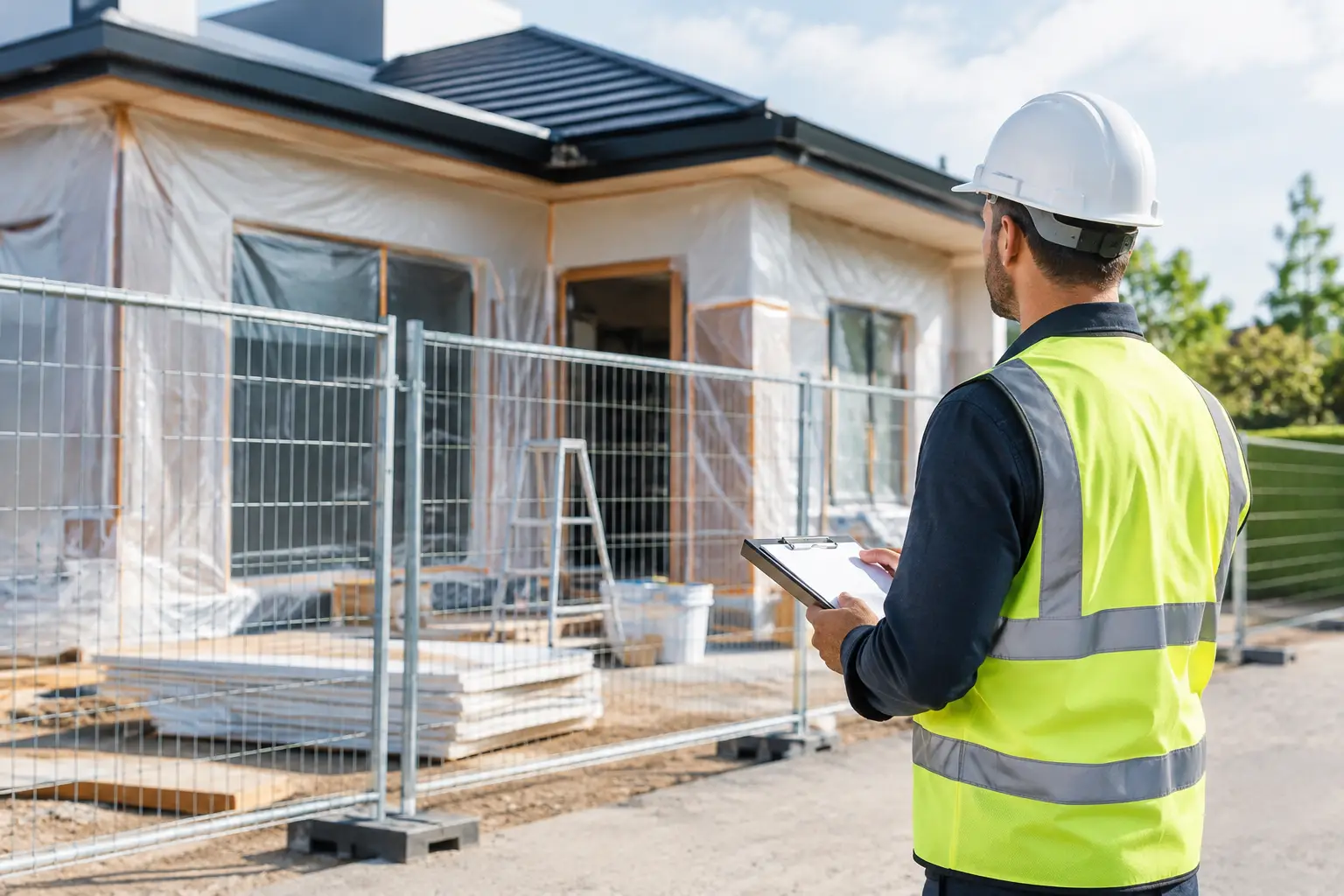
A proper job begins with an inspection of the area and the renovation scope. The removal team needs to know what is being retained, where services are located and whether the bathroom sits over a timber floor, concrete slab or occupied space below. Access, waste removal and dust control should also be planned before equipment comes through the door.
The room is then protected and isolated where required. In an occupied home, this matters. Fine demolition dust can travel well beyond the bathroom if it is not managed. Containment, suitable extraction equipment and clean work practices help reduce disruption to the rest of the property.
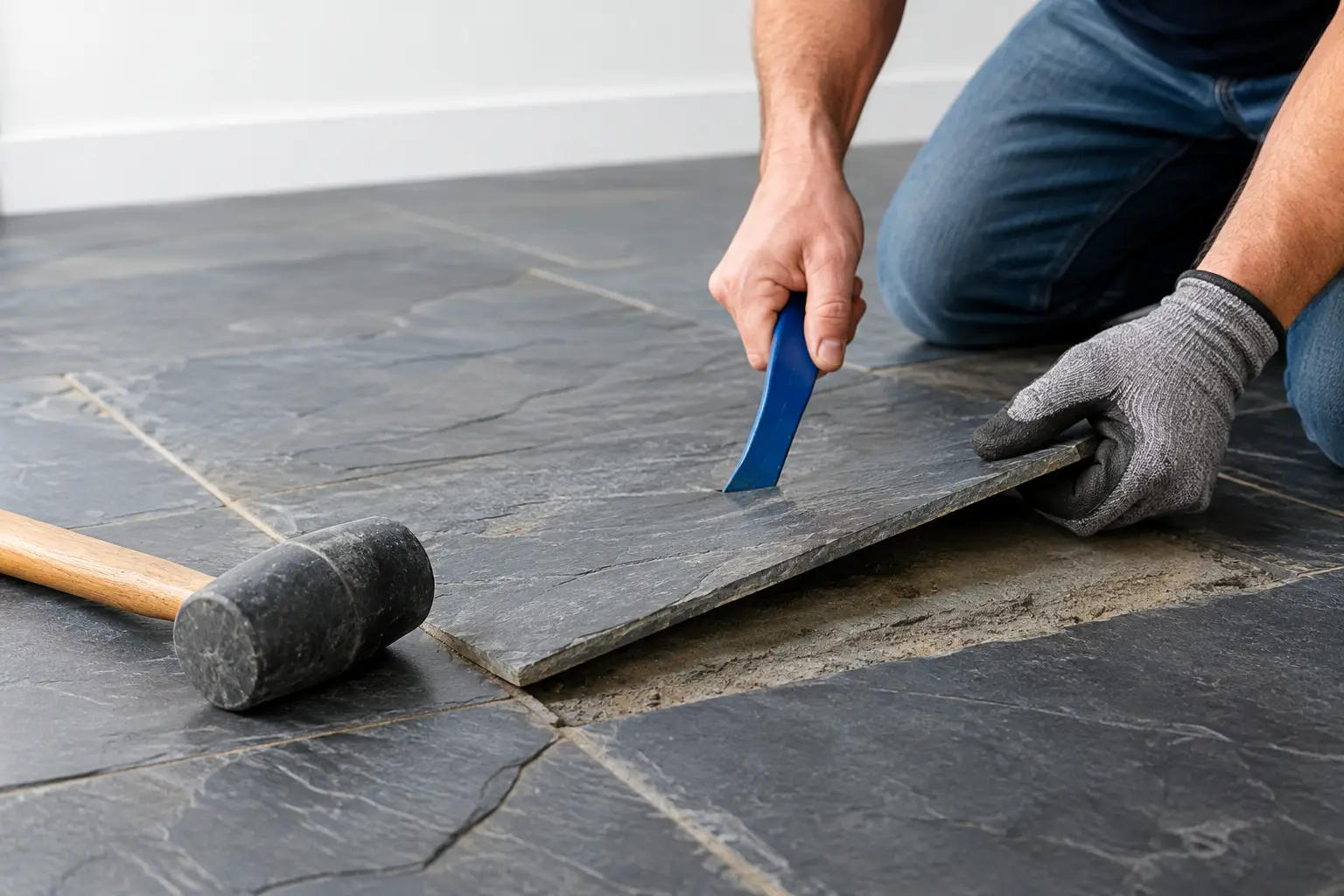
Tiles and loose finishes are removed first, followed by adhesive and bedding materials. Once the membrane is exposed, the team uses the appropriate stripping, scraping or grinding method to remove it without unnecessary damage to the base. The correct approach changes from job to job. A small ensuite in a unit needs a different setup to a large commercial amenities area or ground-floor bathroom on a concrete slab.
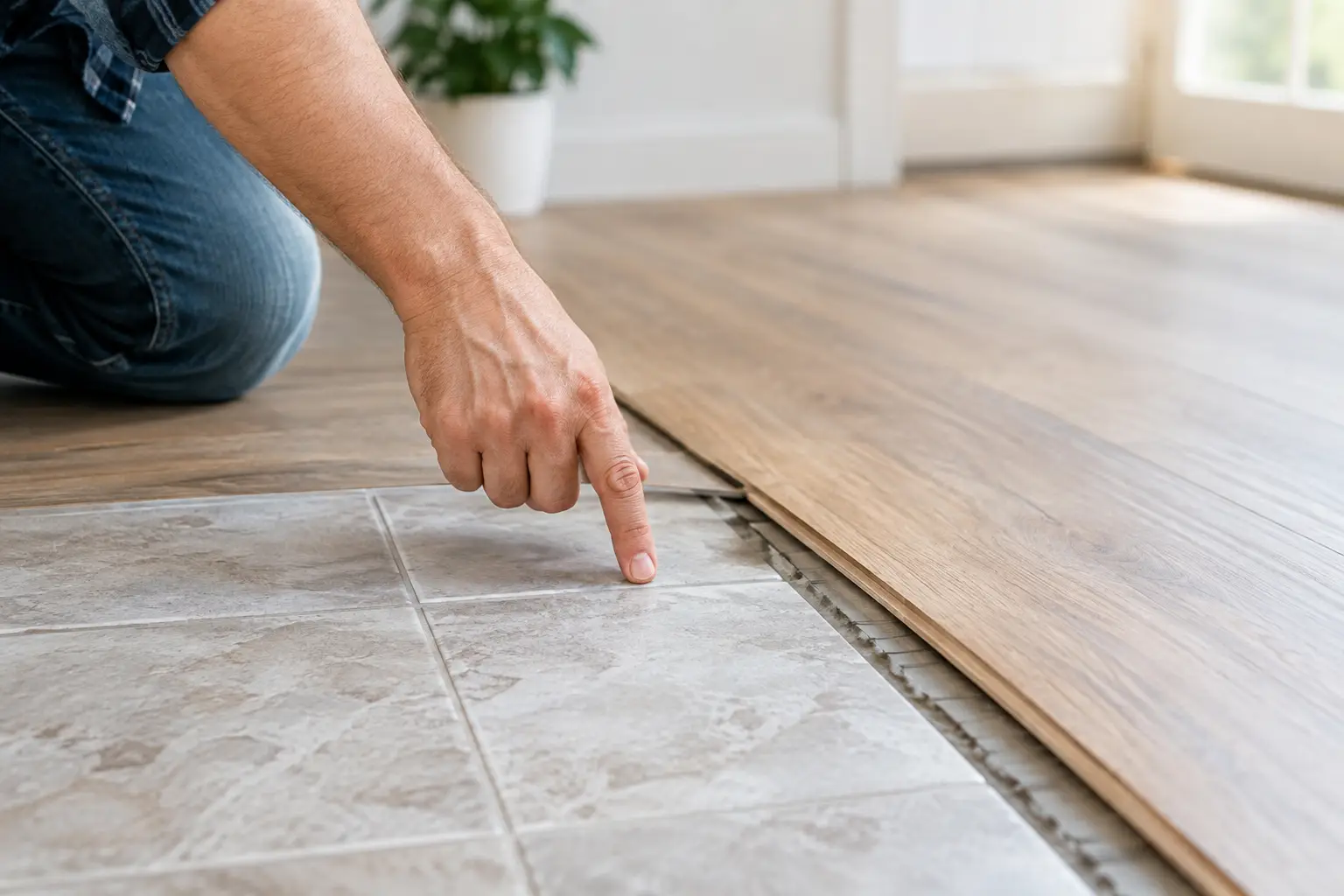
After removal, the substrate is checked for remaining residue, loose sections, cracks, damaged areas and unevenness. Mechanical grinding may be required to remove stubborn material and produce the right surface profile. Rubbish is cleared progressively, not left piled around the work area, so the next trade can accurately assess what needs to happen next.
Why Grinding and Dust Control Matter
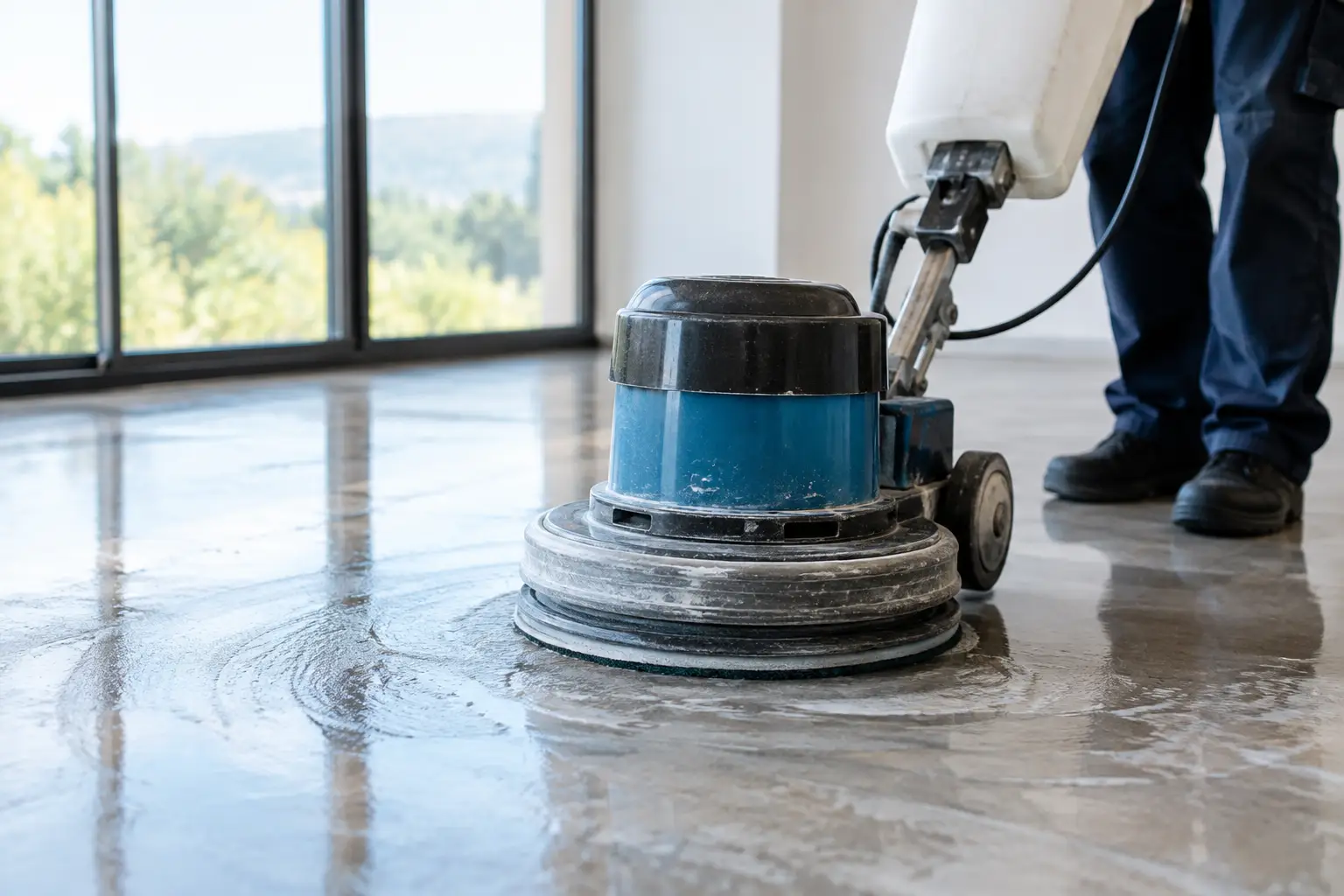
Grinding is often the final step that separates a basic demolition job from professional preparation. It can remove thin membrane residue, old glue, high spots and uneven patches that would otherwise interfere with repairs or new coatings.
However, grinding without proper dust extraction creates its own problem. Concrete dust is fine, persistent and difficult to clean once it has settled through a home or business. It can also affect surrounding finishes and make it harder for following trades to work safely.
A controlled setup uses suitable dust extraction at the source, along with practical containment and regular clean-up. No removal process is completely dust-free, especially where hard-bonded products are being ground from a slab. The standard should be dust-controlled work that respects the property and keeps the site manageable.
Common Mistakes That Create Delays
The most common mistake is assuming all visible membrane must be removed with the same tool and force. This can lead to slab damage, broken floor wastes, chipped wall tiles that were meant to stay, or a surface that needs more repair than the original problem.
Another issue is leaving adhesive and membrane residue around drains, wall junctions and pipe penetrations. These are not minor details. Waterproofing relies on careful treatment in these locations, and the surface must be properly prepared before the waterproofing contractor begins.
Rushing the handover is another costly error. A room can look clean while still having loose material, moisture issues or uneven substrate conditions. Before booking the next stage, make sure the removal work has exposed the actual condition of the floor and that any repairs, falls or drying time have been allowed for.
Coordinate With Your Waterproofing Contractor
The removal team and waterproofer do different jobs, but their work needs to line up. Ask your waterproofing contractor what substrate condition and finish they require. They may need all previous coating removed, a specific surface profile, repaired cracks, corrected falls or a clean concrete base free from contaminants.
Clear communication avoids the frustrating situation where one trade has finished but the next cannot start. For builders and renovators managing tight schedules, this coordination is often what keeps a bathroom renovation moving instead of losing days to rework.
Choosing the Right Removal Team
Look for a specialist with experience in difficult floor covering removal, adhesive removal and slab grinding. Waterproofing membrane removal is closely tied to substrate preparation, so the team should understand what a clean handover actually looks like.
Ask how dust will be managed, how surrounding areas will be protected and what equipment will be used for the particular floor type. It is also worth confirming how rubbish will be removed and whether the team can handle the full strip-out stage, including tiles, screed and old floor finishes.
For homeowners, the benefit is less mess and a clearer path to the next trade. For builders, property managers and commercial operators, it is about getting a dependable crew on site that can complete demanding removal work efficiently and leave the area ready for the program to continue.
Rapid Stripped handles complex floor removal and surface preparation across Northern NSW, the Gold Coast, Brisbane and the Sunshine Coast, with a focus on clean execution and job-ready results. Whether the issue is a leaking shower, a full bathroom renovation or a commercial amenities upgrade, the right preparation gives the new waterproofing system its best chance to perform as intended.
Before new waterproofing goes down, make sure the old layer has been dealt with properly. A clean, stable substrate is not glamorous work, but it is the foundation that keeps a finished bathroom from becoming the next repair job.