
A new floor will only look as good as the surface underneath it. So, can slab grinding fix uneven subfloors? Yes, when the issue is high spots, old adhesive, tile bedding, coatings or localised ridges in a concrete slab. But grinding is not a cure-all. It removes material, which means it can bring high areas down. It cannot lift a low area, repair a moving slab or solve every moisture problem.
Getting the diagnosis right before flooring goes down saves time, avoids costly rework and gives your installer a surface they can work with. Whether you are laying hybrid flooring, timber, vinyl, carpet, tiles or epoxy, the substrate needs to meet the flatness requirements of the product and installation system.
What slab grinding can fix on an uneven subfloor
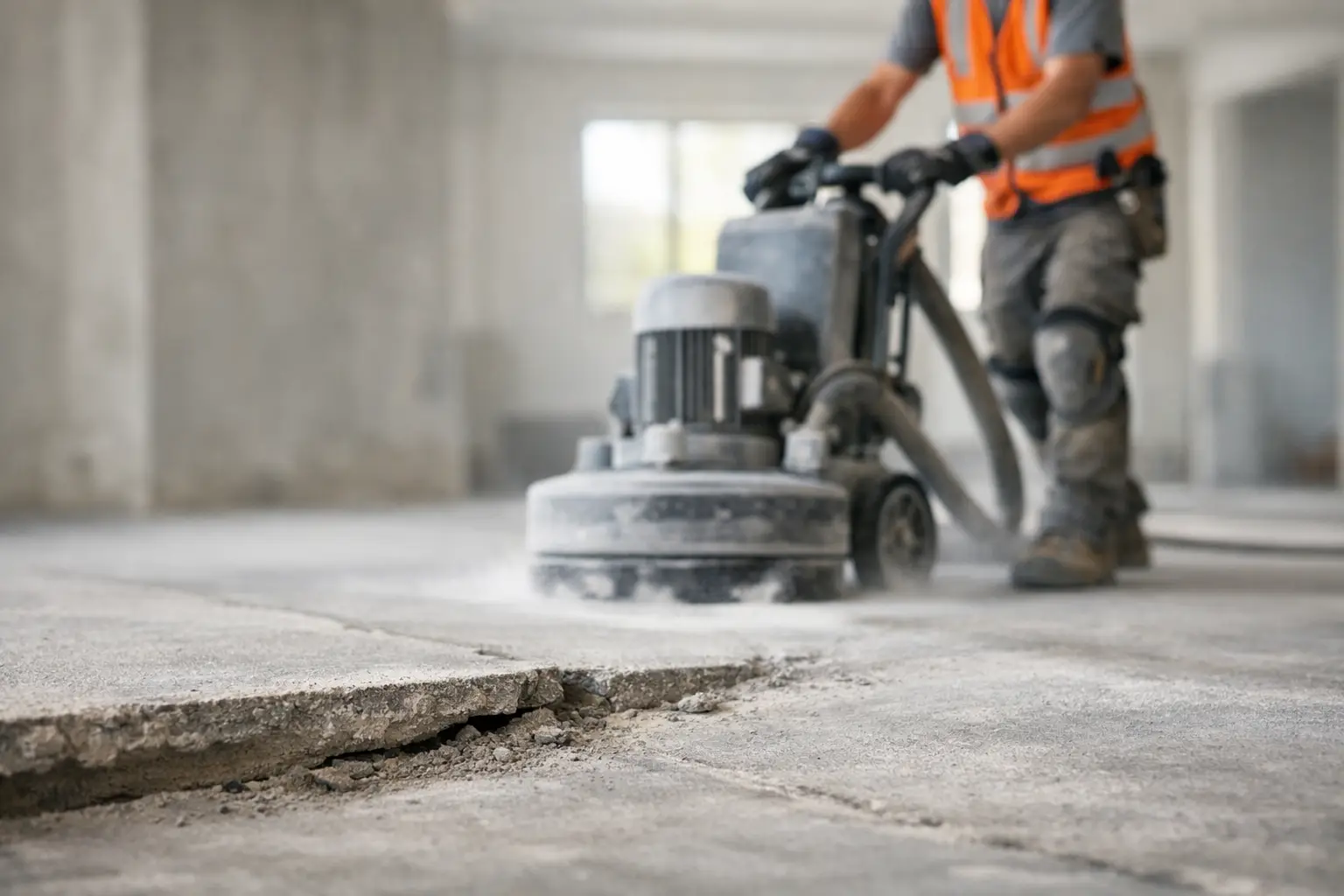
Concrete slab grinding uses purpose-built diamond grinding equipment to shave down the top layer of a slab in a controlled way. It is commonly used after tile removal, where hardened adhesive and bedding remain, or after old floor coverings have exposed uneven patches that were hidden for years.
Grinding is effective for high spots caused by rough concrete finishing, small lips at construction joints, isolated humps, hardened glue residue, paint overspray and old levelling compounds that have failed. It can also remove the smooth or contaminated surface layer needed to improve adhesion for a new coating or levelling product.
The key word is high. If a straightedge rocks over a hump, grinding can usually reduce that hump and improve the plane of the floor. This is often enough to bring a room within the tolerance required for the new finish.
For example, a homeowner removing ceramic tiles may find sections of thick tile bedding around doorways, along walls and through the middle of a kitchen. A professional grinding pass can remove those raised remnants and leave a clean concrete base ready for further preparation. In many renovation projects, this is the fastest route to a usable substrate.
When grinding alone will not level the floor
A slab can be uneven in more than one direction. Grinding deals with proud areas, but a depression remains a depression after the surrounding concrete is ground down. Trying to grind an entire room to match one low point can remove too much material, create unnecessary mess and risk exposing aggregate or compromising required slab cover.
Low spots are usually dealt with after grinding by applying a suitable patching compound or self-levelling system. The process is often a combination job: remove the humps first, clean and profile the concrete, then fill the hollows to create a flatter surface.
Grinding is also not the answer where the slab has significant cracking, movement, heaving, drainage issues or signs of structural settlement. A crack that is active can transfer through a new tiled floor or damage a rigid coating. Moisture vapour coming through concrete can also affect adhesives, vinyl, timber and levelling compounds. These conditions need assessment and the correct repair system before any final floor is installed.
A floor does not always need to be perfectly level from one side of the room to the other. What most flooring systems need is a flat, stable and properly prepared surface. A laundry floor, for instance, may intentionally fall towards a drain. The concern is whether there are abrupt highs and lows that prevent tiles, planks or other materials from sitting correctly.
Flatness requirements depend on the new floor
Different floor finishes tolerate different amounts of variation. Large-format tiles need a particularly flat base because even minor humps can create lipping between tile edges. Vinyl and hybrid flooring can telegraph imperfections through the finished surface. Floating floors may flex, creak or separate at joins when laid over hollows. Adhesive-down timber and epoxy coatings also demand proper substrate preparation.
This is why the intended flooring should be known before the slab preparation starts. The manufacturer or installer will generally specify a maximum variation over a set distance. That specification should guide the grinding and levelling work, rather than relying on a visual judgement that the floor looks close enough.
How a professional assesses an uneven concrete slab
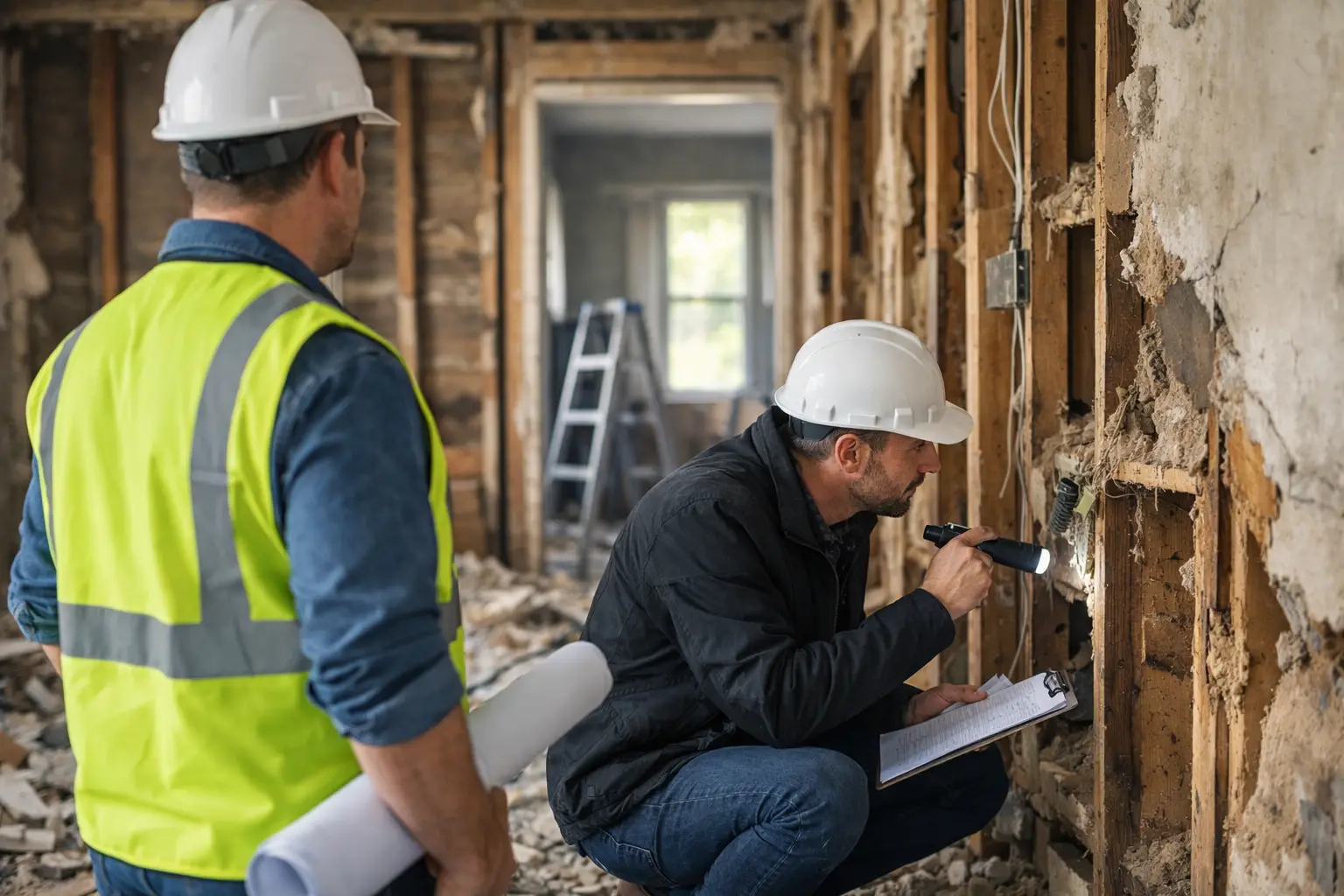
The right preparation starts with checking the whole area, not just the obvious problem spot. A long straightedge, laser level and careful inspection reveal where the slab rises, falls and changes direction. Doorway transitions, wall lines, old partition locations and previous tile repairs are common places for surprises.
The surface is then assessed for contaminants. Glue, mastic, carpet backing, paint, old epoxy, waterproofing residue and loose levelling products can all interfere with the next stage. These materials may need to be stripped before the actual concrete profile can be properly measured.
A professional team also checks whether apparent unevenness is really a removal issue. Thick patches of adhesive left after floor removal are not part of the slab and should be removed. By contrast, a broad low section in the actual concrete needs filling, not more aggressive grinding around it.
At Rapid Stripped, slab grinding is approached as part of the preparation process, not as a one-size-fits-all fix. The aim is to leave a clean, sound substrate that is ready for the next trade, with dust control and site protection managed properly throughout the job.
The usual process for grinding and levelling a subfloor
Once the floor has been inspected, the work generally follows a practical sequence. Existing coverings, loose material and adhesive residue are removed first. The slab is checked again once the true surface is exposed, because hidden highs and lows become clearer at this point.
Diamond grinding then targets raised areas and prepares the concrete surface. The machine and diamond tooling are selected according to the material being removed and the condition of the slab. A light grind for adhesive residue is very different from cutting down a stubborn concrete ridge or heavy tile bedding.
Industrial dust extraction matters here. Concrete grinding produces fine silica dust, and allowing it to spread through an occupied home, office or retail space creates a bigger problem than the one you started with. Proper extraction, containment and clean-up keep the work controlled and reduce disruption to adjoining areas.
After grinding, the floor is checked again with the required tolerance in mind. If lows remain, they can be patched or levelled using a compatible product. The surface must then be clean, dry and cured as required before flooring, waterproofing, coatings or adhesives are applied.
Avoid these common shortcuts
Do not lay new flooring over old adhesive simply because it feels hard underfoot. Some residues soften, react with new products or prevent reliable bonding. Do not use self-levelling compound to hide loose coatings or dusty concrete either. Levelling products are only as reliable as the surface they are bonded to.
It is also risky to assume a thick underlay will solve a subfloor problem. Underlay can provide minor cushioning or acoustic benefits, but it does not correct major variation. In fact, unsupported sections beneath a floating floor can lead to movement and damaged locking joints.
Finally, do not grind blindly near control joints, cracks, thresholds or service penetrations. These areas require care and a clear plan, especially in older properties where the slab history may not be obvious.
Is slab grinding worth it before new flooring?
Where the slab has local high points or stubborn removal residue, grinding is often the most direct and effective preparation method. It can prevent floor installers from having to work around imperfections, reduce the amount of levelling compound required and improve the finished appearance of the new floor.
The trade-off is that grinding needs the right equipment, dust management and operator experience. Over-grinding can leave a rougher surface than necessary, expose aggregate or create a bigger levelling task. Under-grinding may leave enough residue or variation to compromise the installation. The goal is not to make every slab look brand new. It is to prepare it to the right condition for what comes next.
If your concrete subfloor has been exposed after tile, timber, vinyl or carpet removal, arrange an inspection before booking the new flooring installation. A clear assessment of the highs, lows, residue and slab condition gives you the best chance of a clean handover and a floor that performs properly for years.