
A floor lifter can make a difficult removal job move quickly, but it is not a one-tool answer for every floor. The right machine, blade angle and operating method depend on what is coming up, what it is stuck to, and how clean the substrate needs to be for the next trade. Get those decisions wrong and a fast start can turn into damaged concrete, stubborn adhesive residue and delays to the renovation.
For homeowners, builders and commercial property managers, the objective is straightforward: remove the old floor covering efficiently, control the mess and leave a sound surface ready for what comes next. That might mean new tiles, hybrid flooring, polished concrete, epoxy, carpet or a complete room rebuild. Proper assessment is what gets the job there.
What is a floor lifter?
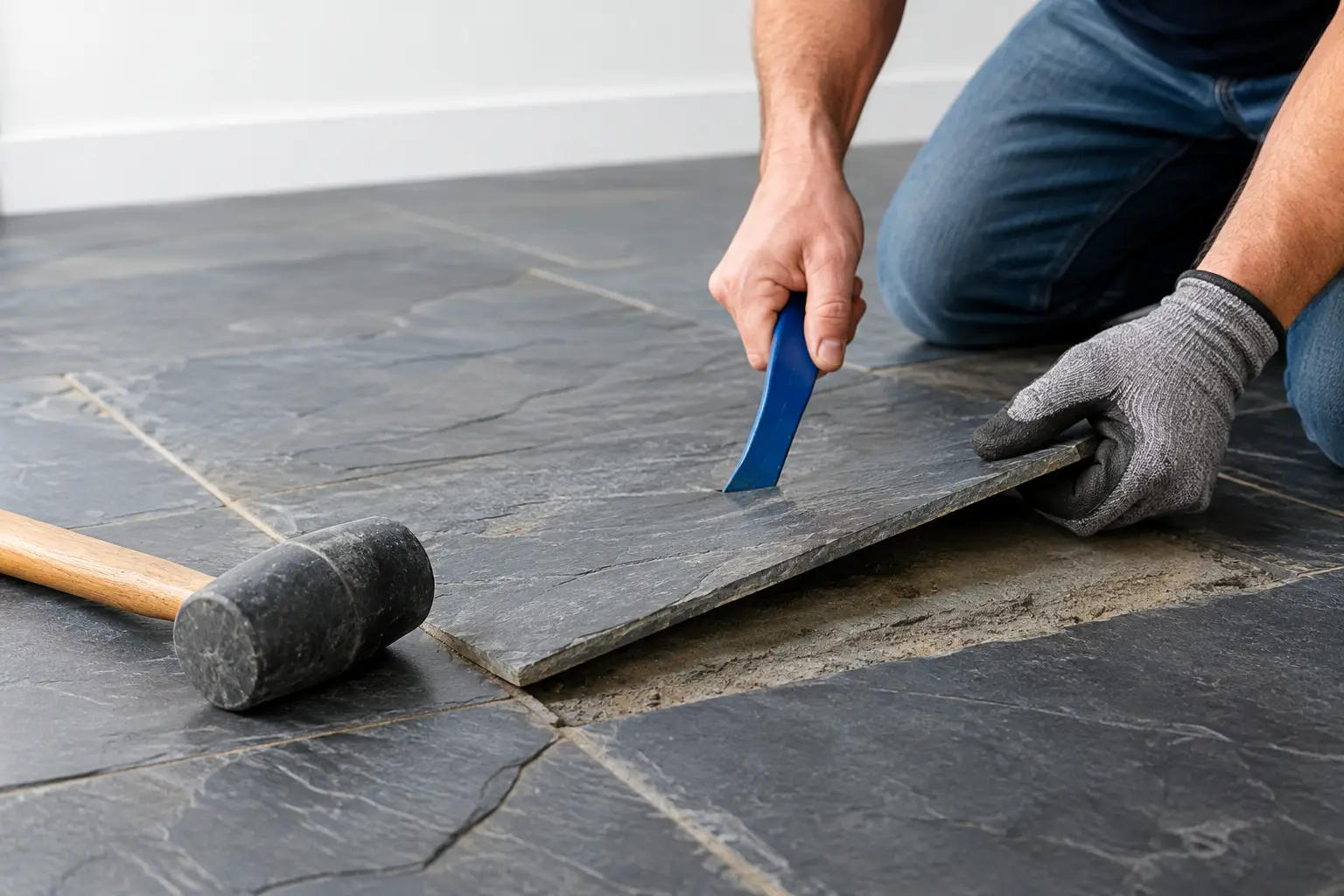
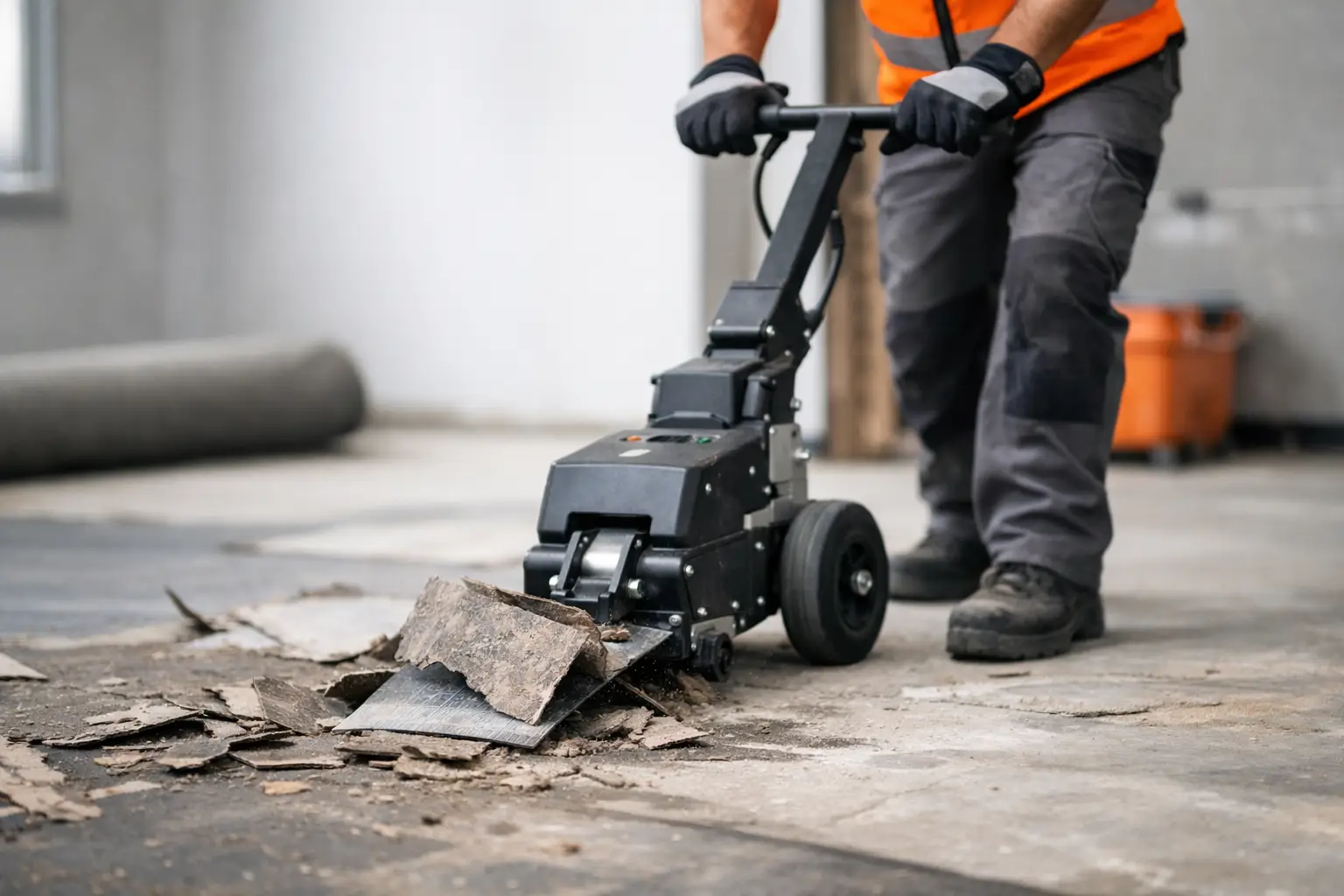
A floor lifter is a mechanical removal tool designed to separate floor coverings from the surface beneath them. Depending on the job, it may be a powered floor stripper with a wide blade, a compact machine for tight areas, or a demolition tool fitted with a suitable chisel or scraper attachment.
Its job is to apply controlled force underneath the material rather than relying on brute force from above. This matters because tile, vinyl, carpet backing and timber can be firmly bonded to concrete, screed or timber subfloors. The aim is to lift the covering in manageable sections while limiting unnecessary damage to the slab or subfloor.
The term can cover several types of equipment, which is why the site condition matters more than the name of the machine. A large open retail tenancy and a small upstairs bathroom do not call for the same setup. Access, noise restrictions, floor levels and waste removal all influence the best method.
When a floor lifter is the right tool
A floor lifter is particularly effective where the existing covering has a broad, consistent bond and there is enough open area to operate safely. Vinyl sheet, commercial carpet, glued-down timber, cork and some tile installations can often be removed more efficiently with powered lifting equipment than by hand.
It is also useful when time on site matters. In an occupied office, shop, unit block or family home, drawn-out demolition creates more dust, noise and disruption. A suitable machine can reduce the manual effort required and help keep the programme moving, provided the operator has allowed for edge work, adhesive removal and clean-up.
Tiles are a good example. A floor lifter may break the bond and remove much of the tile and bedding quickly across open areas. However, the machine will not necessarily leave a perfectly smooth slab. Depending on the adhesive, screed and tile bed, slab grinding or mechanical scraping may still be needed before the next floor system can be installed.
That final preparation stage is often where the quality of the job is decided. New finishes need a stable, clean and appropriately level base. Leaving high spots, loose material or adhesive ridges behind can compromise the installer who follows.
Where lifting equipment has limits
Not every floor should be attacked with the biggest available machine. Fragile substrates, timber floors, suspended slabs, waterproofed areas and restricted spaces need a more measured approach.
In bathrooms, for example, floor removal can sit alongside waterproofing, wall tiles, plumbing penetrations and tight doorways. If the renovation scope calls for a full strip-out, the floor can be removed as part of a planned demolition sequence. If selected elements are staying, the team needs to work around them without creating damage that adds unnecessary repair work.
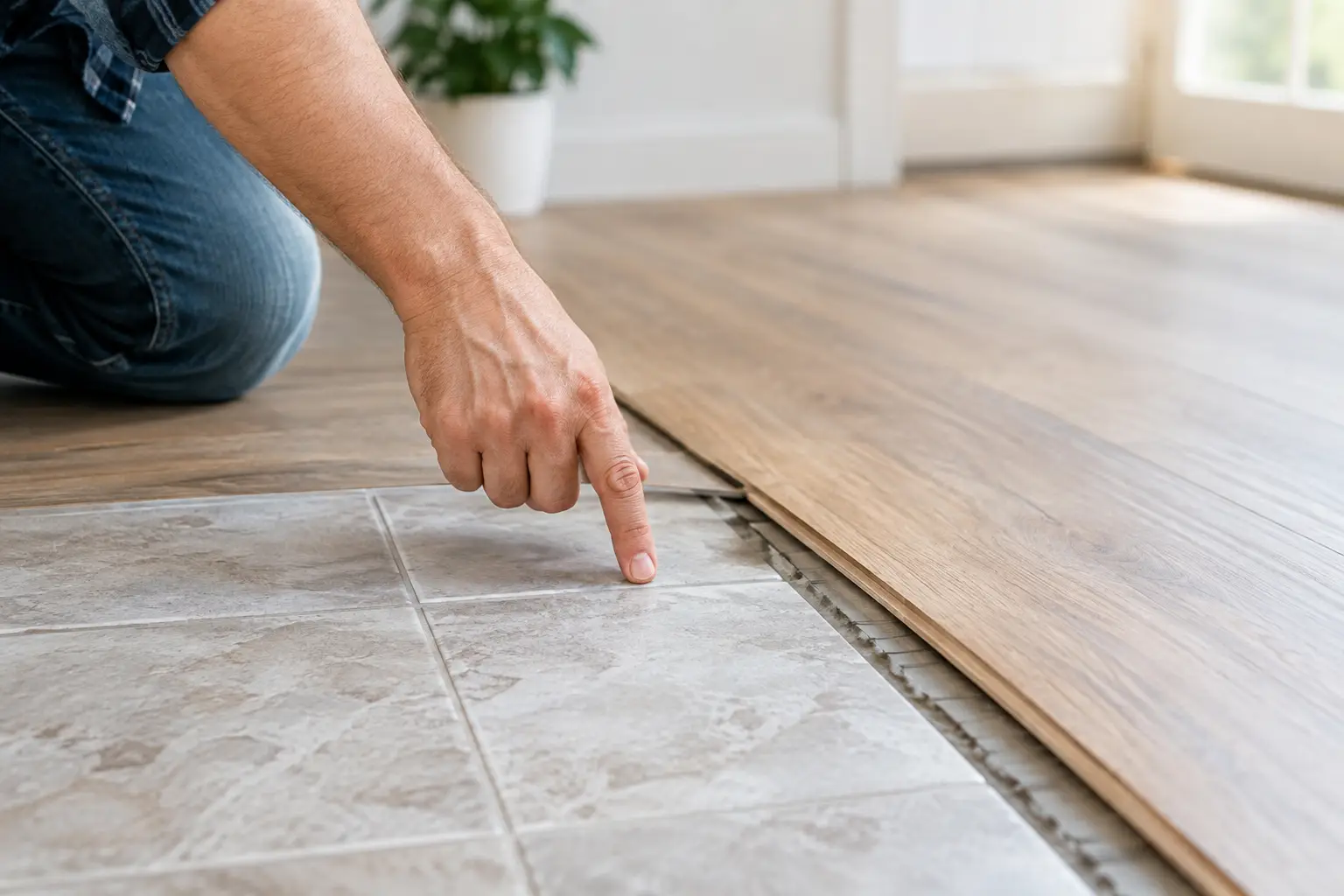
Natural stone, marble, slate and terracotta can also behave differently from standard ceramic tiles. Some come away in large pieces, while others fracture repeatedly and leave a hard bed behind. Older homes may have multiple layers of flooring, levelling compounds or hidden repairs under the visible surface. There is no substitute for checking what is actually on site.
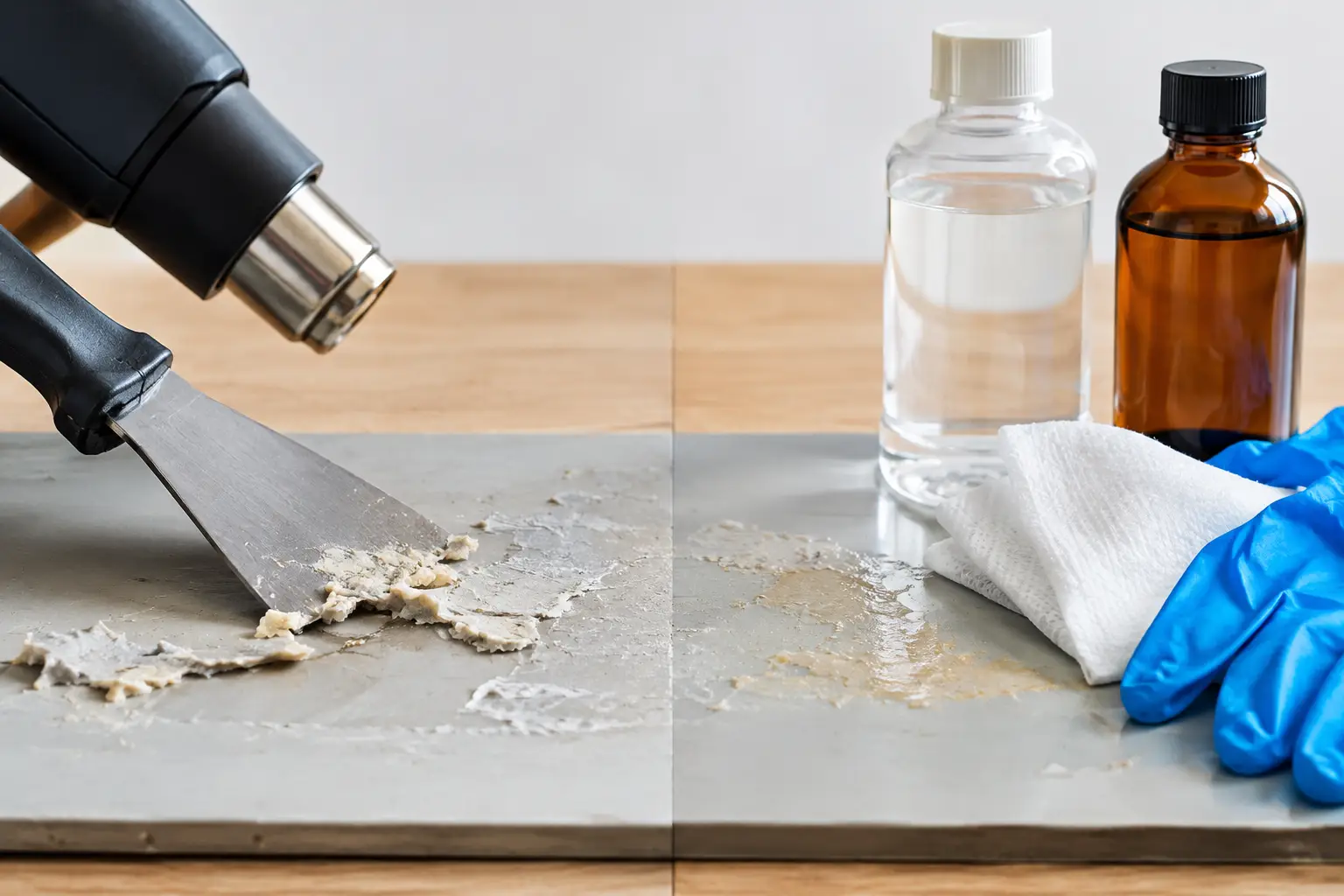
A floor lifter is also not a replacement for adhesive removal. Black mastics, vinyl glue, epoxy residue and old tile bedding may require grinding, scraping or other specialist surface preparation after the covering has been lifted. Treating removal and preparation as two separate stages prevents unrealistic expectations.
The slab matters as much as the covering
The visible floor is only half the job. Beneath it may be concrete, sand and cement screed, particleboard, plywood, timber boards or a combination of materials. Each has a different tolerance for impact, vibration and blade pressure.
Concrete slabs are generally suited to mechanical removal, but even concrete can chip or spall if the blade is driven too aggressively or catches an uneven section. This is particularly relevant where the slab will be polished, stained or used as the final finish. Damage that would be hidden under new tiles becomes much more significant when the concrete itself is on display.
Timber subfloors require extra care. A scraper can lift flooring efficiently, but excessive force can gouge boards, loosen fixings or expose weak areas that were hidden below old coverings. In these situations, controlled removal and careful follow-up repairs are more valuable than chasing speed alone.
Before removal begins, a competent team assesses the substrate, identifies likely problem areas and selects equipment that suits the floor. That process also helps determine whether the job needs grinding after lifting, not just before the new flooring installer arrives.
Dust control is part of professional removal
Floor stripping creates dust, especially when tile bedding, adhesives and levelling compounds need to be mechanically removed. Controlling that dust is not just about keeping the site tidy. It protects nearby finishes, improves visibility, reduces clean-up and helps keep occupied properties more manageable.
The right approach may include commercial extraction connected to grinding equipment, containment around the work zone and a planned path for taking rubble out of the building. In a unit, office or retail space, lifts, stairwells, common areas and access times need to be considered before the first tile is lifted.
Rubbish management also affects how efficiently a job runs. Broken tiles, bedding and adhesive waste become heavy quickly. Removing waste progressively keeps work areas safer and gives the crew room to continue without working around piles of debris.
Why hand removal is not always cheaper in the long run
Hand tools still have a place in floor removal. They are essential for edges, corners, tight rooms and delicate areas. But relying on manual labour for a large bonded floor can be slow, physically demanding and inconsistent, especially where the material is difficult to separate.
The issue is not simply how quickly the old material comes up. It is whether the surface is left ready for the next stage without extra days of patching, scraping and corrective work. A job that appears straightforward can lose time when the wrong equipment leaves deep gouges, misses adhesive residue or fails to deal with uneven bedding.
For a renovation with trades booked in sequence, this has flow-on effects. Tilers, floor layers, waterproofers, painters and cabinet installers all need the site handed over at the right point. Clean, properly prepared surfaces help prevent avoidable hold-ups.
Planning a floor removal job properly
Good results start before equipment arrives. The removal scope should identify the floor type, approximate area, access conditions, disposal requirements and the finish planned for the substrate. It should also account for adjoining areas that need protection.
For commercial work, ask whether the premises will remain partly operational, whether there are restricted work hours and how noise will affect neighbours or tenants. For homes, consider furniture removal, access through the property, pets, children and whether other renovation work is occurring at the same time.
It is worth clarifying the desired handover condition as well. Do you need the floor covering removed only, or do you need adhesives, bedding and high spots dealt with so the substrate is ready for installation? Those are different scopes, and clear expectations protect the programme.
At Rapid Stripped, the focus is on matching the removal method to the material, substrate and condition required for the next trade. For difficult tile, timber, vinyl, carpet and adhesive removal across Northern NSW, the Gold Coast, Brisbane and the Sunshine Coast, that means treating floor lifting as part of a complete preparation job, not as a shortcut.
The best time to make decisions about a floor lifter is before demolition begins. A quick assessment of the covering, substrate and access can save the renovation team from inheriting a rough slab, a dusty site and work that should have been completed properly the first time.