
Old carpet has a way of hiding bigger problems. What looks like a quick rip-up job can turn into stubborn underlay, glued tack strips, adhesive stuck hard to the slab, and a room full of dust and rubbish. That is why a professional carpet removal service matters. It is not just about getting carpet out. It is about getting the site properly cleared, safely stripped, and ready for what comes next.
For homeowners and renovators, that next step might be new hybrid flooring, polished concrete, tiles or timber. For builders and commercial clients, it is usually about keeping the programme moving without delays caused by poor preparation. In both cases, the real value is in having the floor covering removed cleanly and the substrate left in a condition that will not create problems later.
What a carpet removal service should actually include
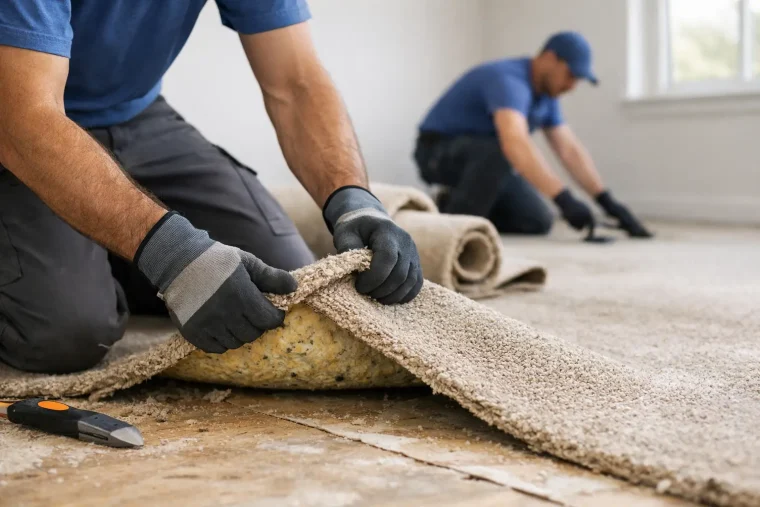
A proper carpet removal job starts with more than cutting up old floor coverings and dragging them outside. Carpet, underlay, gripper rods and fixings all need to come out fully. If the carpet has been laid over concrete, there may also be adhesive residue that needs mechanical removal. On timber subfloors, extra care is needed to avoid unnecessary damage during lift-out.
The difference between a basic labour job and a specialist service is what happens after the carpet is gone. If staples, nails, glue lines and rough patches are left behind, the floor is not ready. That can slow down installers, affect finishes and create avoidable rework. A site that is stripped properly gives the next trade a clean start.
This is especially important in renovations where time is tight. When the removal crew understands floor prep, demolition sequence and substrate condition, the job runs smoother. You are not just paying for muscle. You are paying for experience, the right equipment and fewer headaches.
Why carpet removal gets messy fast
Carpet is often one of the last materials people think will cause trouble. In reality, it can be one of the messiest parts of strip-out work. Older carpet can hold years of dust, pet hair, stains, moisture damage and odours. Once it is lifted, all of that can be disturbed at once.
Then there is the fixing method. Some carpet peels up easily. Some has brittle underlay that breaks apart into crumbs across the whole floor. Some commercial carpet is glued hard to the slab and fights every metre. In offices, retail sites and hospitality venues, removal often has to happen around access limits, tenancy rules or tight shutdown windows.
That is where process matters. Good operators control the mess, remove material efficiently and keep the work area manageable. They also know when the job is more than a carpet lift and needs grinding or additional surface preparation before the floor is fit for reinstallation.
Carpet removal service for homes, units and investment properties
In residential work, speed and cleanliness usually matter just as much as the removal itself. If you are living in the home, preparing it for sale or trying to get an investment property turned around quickly, you do not want a drawn-out strip-out. You want the old carpet gone and the floor ready for the next trade.
Bedrooms, hallways, stairs and living areas all bring slightly different challenges. Stairs can be labour-heavy and awkward. Units may have access restrictions and shared areas to protect. Older homes sometimes reveal damaged subfloors or old adhesive issues that need more than a standard pull-up. A specialist team will spot these issues early and deal with them properly rather than covering them up.
For renovators, this matters because new flooring is only as good as the surface under it. If the substrate is uneven, contaminated or still carrying residue, installation problems can show up later as movement, noise, poor bond or visible imperfections.
Commercial carpet removal needs a different level of control
Commercial carpet removal is not just a larger version of a house job. Offices, shops, medical spaces, body corporate properties and fit-outs usually come with tighter timeframes and less room for disruption. There may be other trades on site, building management requirements, after-hours access or staged work across occupied areas.
In these environments, a carpet removal service needs to be disciplined. That means clear planning, safe work practices, reliable crew coordination and equipment suited to high-volume removal. It also means finishing in a way that helps the next stage start immediately, whether that is floor levelling, new coverings, or a broader strip-out.
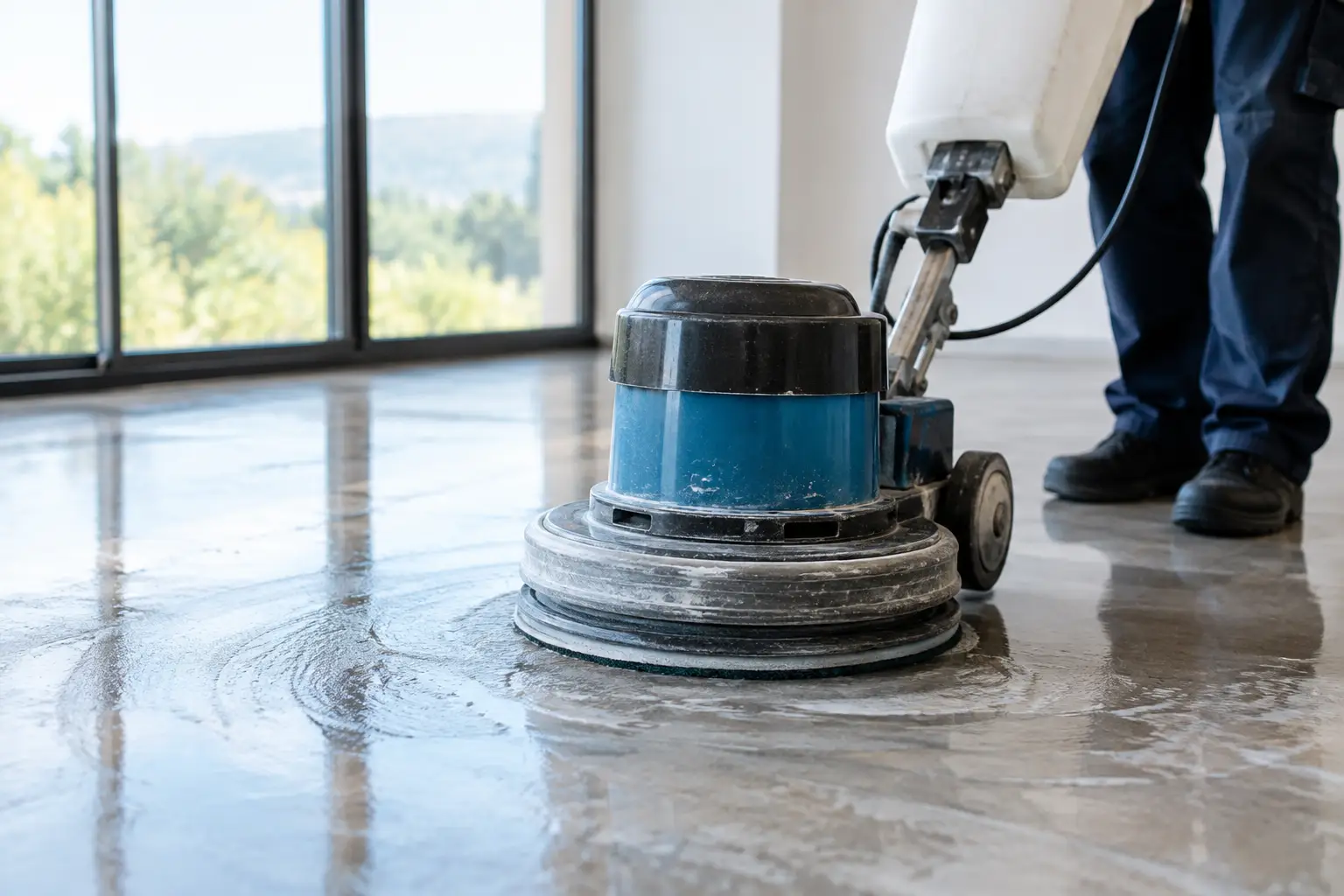
If glue remains across a large slab, it cannot simply be ignored. Adhesive contamination can interfere with floor systems and hold up installation. Mechanical removal and slab preparation are often what separate a rushed job from one that is genuinely complete.
What happens after the carpet is lifted
This is the stage many people underestimate. Once the carpet and underlay are removed, the real condition of the floor becomes visible. You may find old adhesive, cracks, moisture staining, uneven patching or damage caused by previous fit-outs. None of that is unusual, but it does need to be addressed before the next floor goes down.
A specialist contractor will assess what the surface needs rather than assuming every room stops at basic removal. In some cases, the slab needs grinding to remove glue and smooth the surface. In others, timber needs careful clean-up so it can be repaired or overlaid. The right approach depends on the substrate, the new flooring system and the condition left behind.
This is why experience counts. Fast work is valuable, but only if the floor is left genuinely ready. Saving an hour during removal is not much help if it costs a day later when the installer cannot proceed.
When DIY carpet removal makes less sense
There are jobs where a homeowner can pull up a room of loose-laid carpet without too much trouble. But that is not most jobs. Once you add glued carpet, brittle underlay, stairs, commercial areas, large floorplans or adhesive removal, the labour ramps up quickly. So does the mess.
DIY removal also tends to underestimate disposal, safety and substrate damage. Sharp gripper rods, hidden staples and heavy rolled carpet are not minor issues. Neither is dust control when you are working in an occupied space. If the floor underneath needs to be preserved or prepared correctly, the risk of getting it wrong increases.
The trade-off is simple. Doing it yourself may look straightforward at first, but specialist removal is usually faster, cleaner and more reliable when the job has any complexity. For projects on a deadline, that reliability matters more than good intentions.
How to choose the right carpet removal service
Look for a contractor who treats carpet removal as part of renovation preparation, not just rubbish handling. The right team should understand different subfloors, fixing methods, adhesive removal and what installers need next. They should also be able to work efficiently without turning the site into a bigger clean-up job than it needs to be.
Good communication is another strong sign. You want clear expectations around scope, timing, access and likely site conditions. Not every floor will behave the same way once the carpet comes up, and an experienced operator will tell you that upfront. Straight answers are better than overpromising.
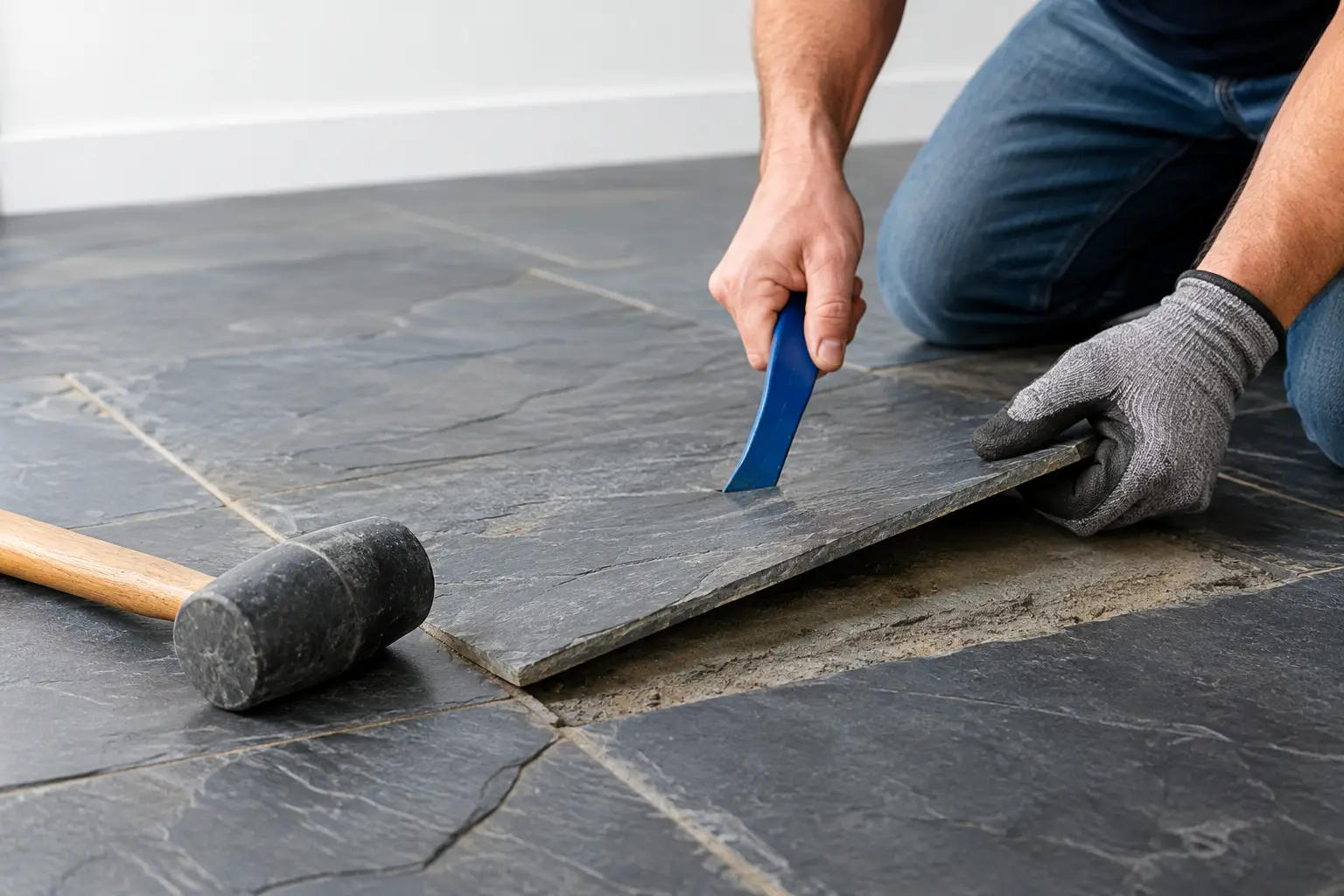
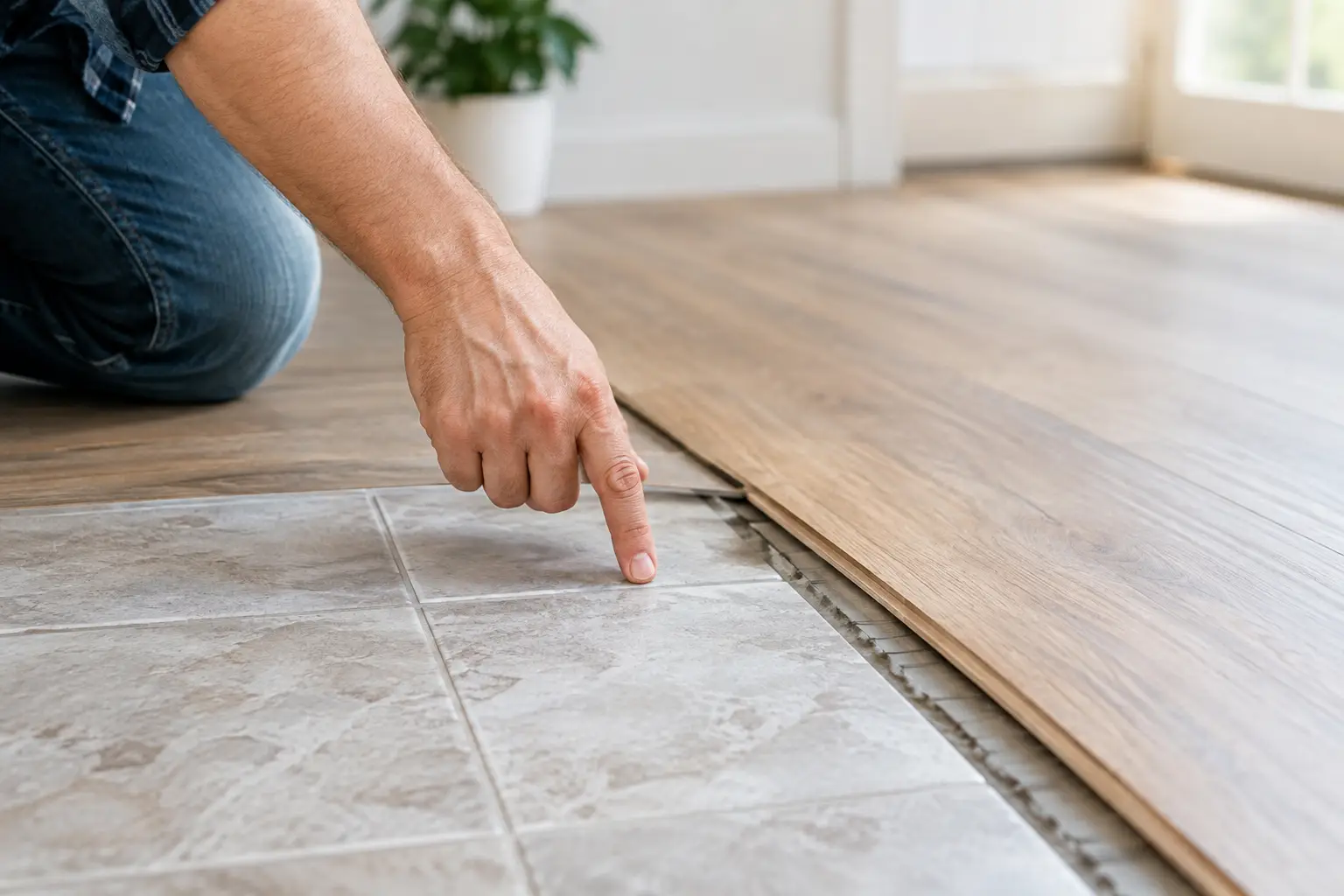
If your project includes more than carpet, such as vinyl, tiles, timber or a broader strip-out, it makes sense to use a team that can manage the whole removal stage properly. That keeps handovers tighter and avoids delays between trades. For many renovation and commercial projects across Northern NSW, the Gold Coast, Brisbane and the Sunshine Coast, that practical coordination is what keeps the job moving.
The result you really want
Most people do not book a carpet removal service because they are interested in the removal itself. They book it because they need the next stage to happen without drama. That means old carpet out, waste cleared, substrate checked, and the floor left in a condition that supports quality work after it.
That is the standard the job should be measured against. Not how quickly someone can yank up old carpet, but how well the site is prepared when they are done. When removal is handled properly, the whole project feels easier from that point on.
If you are planning a renovation, fit-out or property refresh, the smartest move is usually the simplest one – get the strip-out done right first.