
Pulling up an old floor can either set the next trade up properly or create a bigger mess than the original problem. That is why jackhammer removal versus dustless stripping is not just a matter of equipment preference. It affects dust levels, noise, substrate condition, cleanup time and how quickly your renovation can move to the next stage.
For homeowners, builders and commercial operators, the right method depends on what is on the floor, what is underneath it and what needs to happen after removal. There is no one-size-fits-all answer. Some jobs need brute force. Others need control, precision and a cleaner finish.
Jackhammer removal versus dustless stripping: what is the difference?
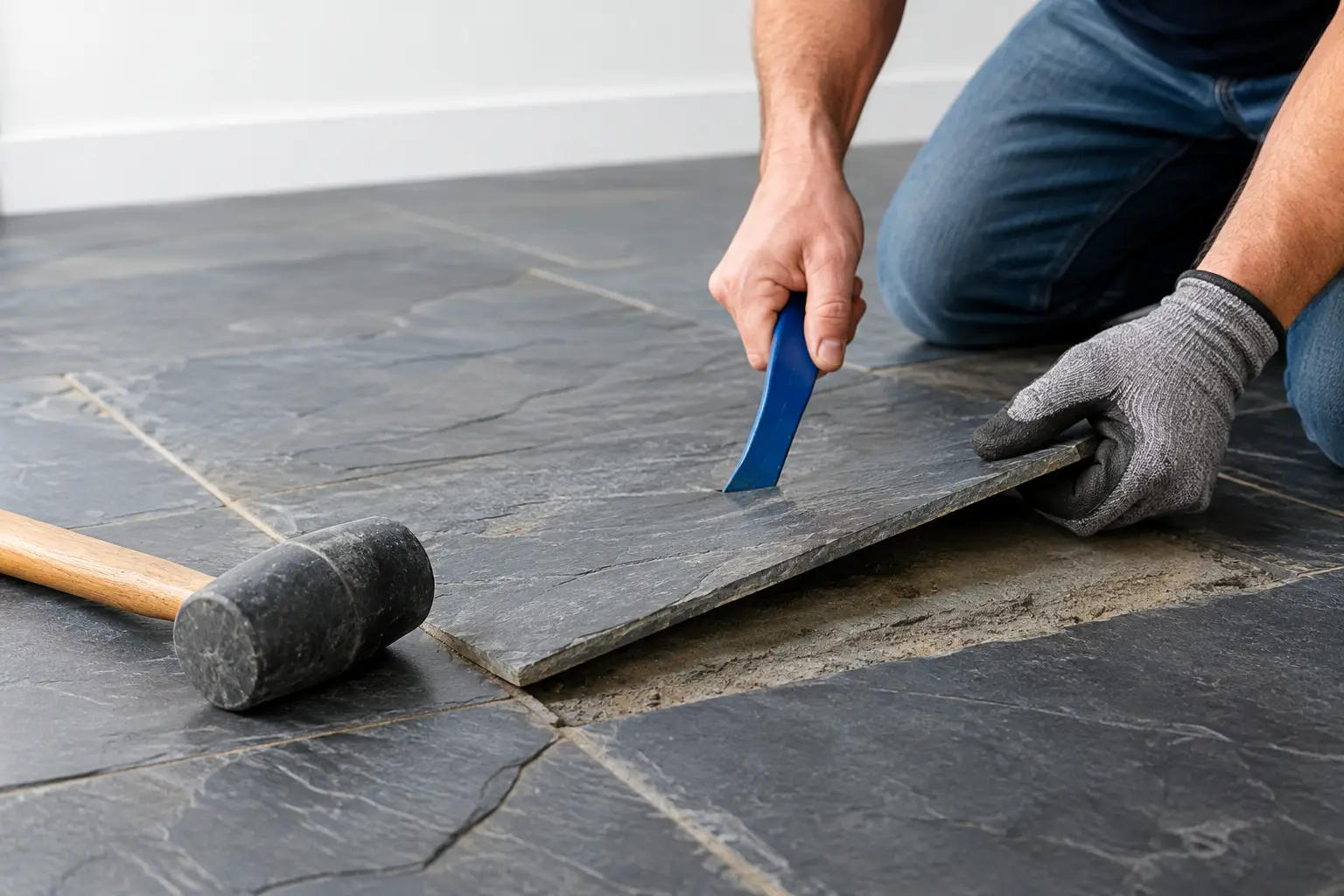
Jackhammer removal is the heavy-impact method most people recognise straight away. It uses percussive force to break apart tiles, bedding, screed, mortar or other stubborn materials bonded to the slab. When a floor is thick, hard-set or heavily adhered, a jackhammer can make fast work of material that will not release any other way.
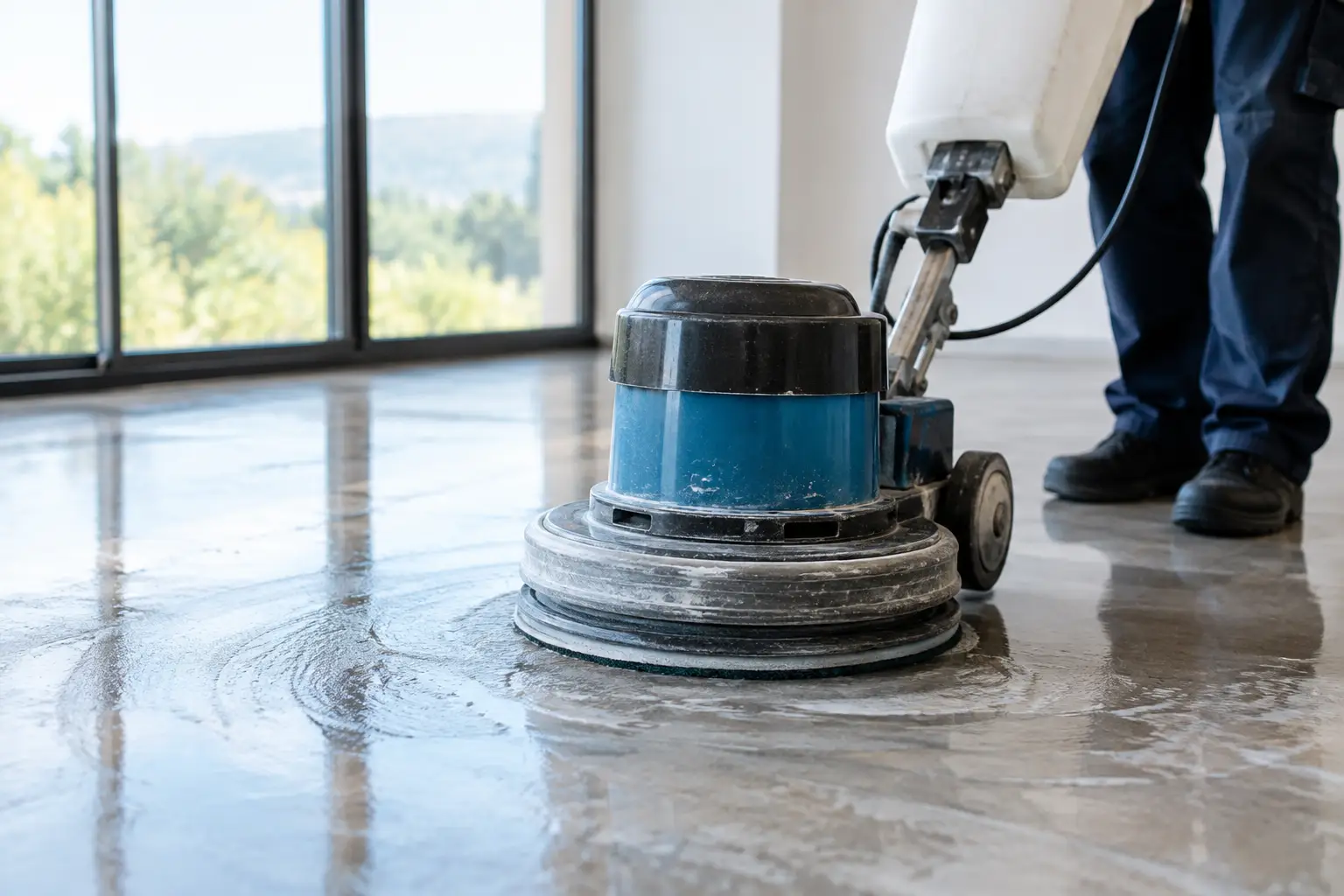
Dustless stripping is a more controlled mechanical removal process that focuses on lifting floor coverings, adhesives, coatings or surface materials while capturing airborne dust at the source. Depending on the job, that can involve specialised stripping machines, grinders and extraction systems designed to keep the site cleaner and safer during removal.
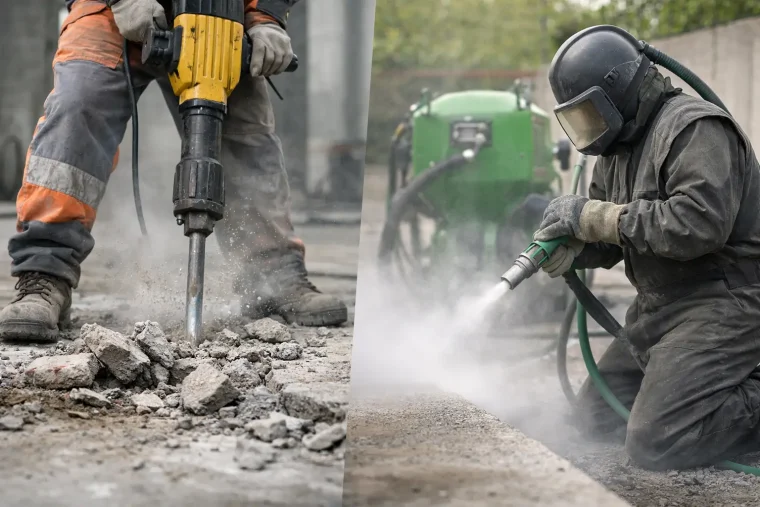
The difference is not just noise versus dust. It is impact versus control. Jackhammers attack the bond by force. Dustless systems remove material with a stronger focus on containment, finish quality and site conditions.
When jackhammer removal is the right tool
Some floors do not respond to gentle methods. Old ceramic or porcelain tiles laid over a thick mortar bed, stone fixed hard to the slab, stubborn screeds and bathroom floors built like a bunker often need impact demolition. In those cases, a jackhammer is not overkill. It is the correct tool.
This is especially true when the goal is full removal down to a workable base for a new install. If the substrate is already compromised, if the bedding has failed, or if the whole assembly needs to come out, trying to preserve every layer wastes time and often leaves more remedial work behind.
Jackhammer removal can also be the practical choice in strip-outs where speed matters more than preserving the finish of the existing base. For example, in a full kitchen or bathroom demolition, the floor is often one part of a bigger removal scope. Fast, decisive demolition keeps the project moving.
That said, force comes with trade-offs. Jackhammers are noisy. They generate vibration. They can scatter debris. They can also leave the slab needing more preparation afterwards, especially if removal is aggressive or the material comes away unevenly.
The upside of jackhammer removal
The biggest advantage is that it handles hard jobs. It is effective on dense tile beds, thick-set materials and surfaces that have bonded too well for lighter equipment. It can also strip large sections quickly when the floor build-up is substantial and there is no benefit in trying to separate layers neatly.
For demolition-led projects, that matters. A clean site is good, but a site cleared properly is better.
Where jackhammer removal can create extra work
The issue is not that jackhammering is rough by default. The issue is that rough removal without a plan can damage what you want to keep. If the slab underneath needs to be retained in good condition for polishing, levelling or direct reinstallation, impact removal can leave ridges, gouges or residual bedding that still need grinding.
It can also be disruptive in occupied spaces. In homes, that means more noise and debris management. In commercial settings, that means tighter scheduling, stronger containment and more care around adjoining tenancies or active work areas.
Where dustless stripping stands out
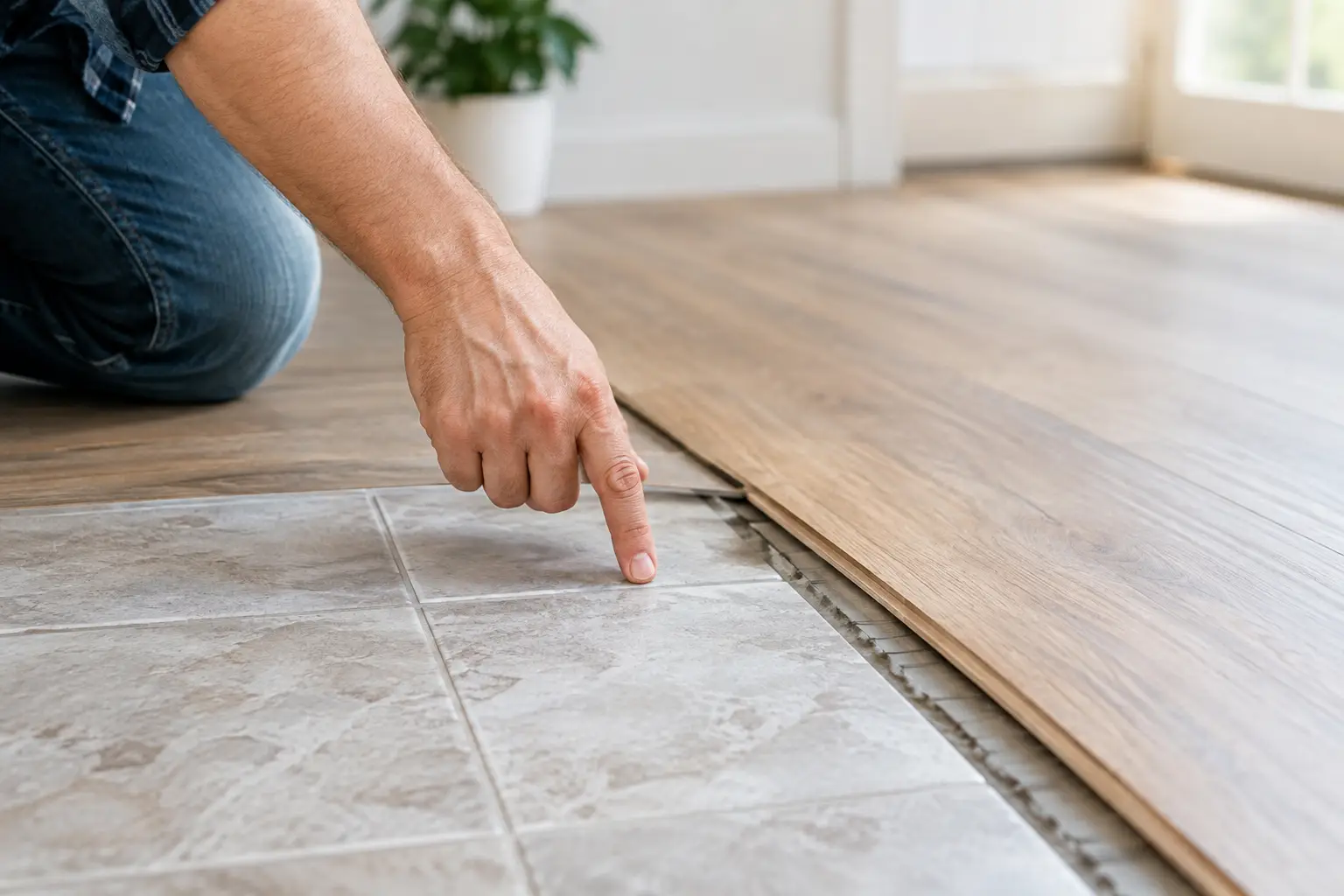
Dustless stripping comes into its own when cleanliness, substrate preservation and controlled removal matter. Vinyl, carpet glue, cork, timber residues, coatings, paint, epoxy and adhesive build-up often suit this method far better than brute-force demolition.
If the job is in an occupied home, office, retail site or strata setting, dust control is not a nice extra. It is part of doing the work properly. Fine dust travels. It gets into air-conditioning, furnishings, stock, joinery and nearby work zones. Once it spreads, cleanup takes longer than the removal itself.
Dustless systems reduce that spread by capturing dust where it is generated. That improves visibility on the job, creates a safer work area and leaves the site closer to ready for the next trade. For builders and renovators trying to hold a programme together, that reduction in cleanup and rework can make a real difference.
Better for surface preparation
One of the biggest advantages of dustless stripping is what happens after removal. If the slab needs to be smooth, level and ready for new flooring, a controlled stripping and grinding process generally gives a better starting point than impact demolition alone.
This matters on adhesive removal, glue ridges, coating removal and patchy residues left from old floor coverings. Rather than just tearing material off and leaving an uneven surface, dust-controlled equipment can take the floor back more cleanly and with better consistency.
That does not mean every dustless job is gentle. Some materials still fight hard. But the method is designed to remove with less chaos and more control.
The real decision: material, substrate and site conditions
Most clients ask which method is better. The better question is better for what.
If you are removing tiles from a laundry on a cracked bed over concrete, jackhammer removal may be the fastest and most logical option. If you are taking up vinyl and adhesive in a commercial tenancy where neighbouring businesses are still operating, dustless stripping is usually the smarter approach. If you are dealing with thick stone over mortar and need the whole build-up gone, impact removal may be unavoidable. If you need the slab left in the best possible condition for a new finish, controlled stripping and grinding become far more valuable.
Access also matters. Tight units, upper levels, occupied homes and staged commercial works all change the equation. Noise restrictions, lift access, waste handling and time windows affect method selection just as much as the floor material itself.
Why experience matters more than the machine
A jackhammer in the wrong hands can do damage fast. Dustless equipment used on the wrong surface can waste time and still fail to remove the bond properly. The method only works when the operator understands the covering, the adhesive, the substrate and the finish required afterwards.
That is why experienced removal contractors do not treat every floor the same. They assess the material build-up, test how it is bonded and choose the removal method that gets the site cleared with the least disruption and the best outcome for the next stage.
In practice, many jobs use both approaches. A crew might jackhammer hard-set tile and bedding, then follow with grinding and dust-controlled surface preparation to remove residue and leave the slab ready. That combined approach is often the most efficient option because it matches the tool to the task instead of forcing one method across the whole job.
What homeowners and builders should ask before removal starts
Before any floor comes up, it helps to be clear on the finish line. Are you removing just the covering, or the full build-up? Does the slab need to be protected for polishing, levelling compound or direct adhesive installation? Is the property occupied? Are there neighbours, tenants or other trades on site? Is dust control a must-have, or is demolition speed the priority?
These are not small details. They determine whether the removal process supports the renovation or complicates it.
For residential work, the key concerns are usually dust, noise, cleanup and how quickly the home can move to the next stage. For builders and commercial clients, the focus is often programme timing, safety, access and leaving a workable substrate behind. In both cases, the wrong removal method can create delays that have nothing to do with the floor itself.
The bottom line on jackhammer removal versus dustless stripping
Jackhammer removal versus dustless stripping is really a question of force versus control. Jackhammers are ideal for dense, stubborn materials and full demolition scenarios. Dustless stripping is the stronger choice where dust containment, cleaner execution and better substrate preparation matter most.
Neither method is automatically better. The right result comes from reading the site properly and using the method that suits the material, the environment and the next trade.
If you want the floor gone fast, that is only half the job. The other half is leaving the site ready for what comes next, with no unnecessary damage, no avoidable mess and no wasted time cleaning up a problem that should have been handled during removal.