
A balcony can look like a simple tiled area until water starts tracking into the room below, tiles sound hollow underfoot, or the new finish cannot be laid over what is already there. Brisbane balcony membrane removal is the critical strip-out stage that exposes the concrete slab, removes failed materials properly and gives the next trade a sound surface to work from.
This is not a job for shortcuts. Old membrane, tile adhesive, bedding and patchy coatings can be tightly bonded to concrete, particularly on balconies that have been through years of heat, heavy rain and moisture movement. The goal is not merely to make the area look clean. It is to remove the failed build-up without unnecessarily damaging the substrate beneath it.
When balcony membrane removal is needed
A membrane does not always need to be removed just because balcony tiles are being replaced. If the existing waterproofing system is known to be sound, compatible with the planned installation and has been assessed by the relevant trade, there may be another path. In many renovation projects, however, removal is the safer and more practical starting point.
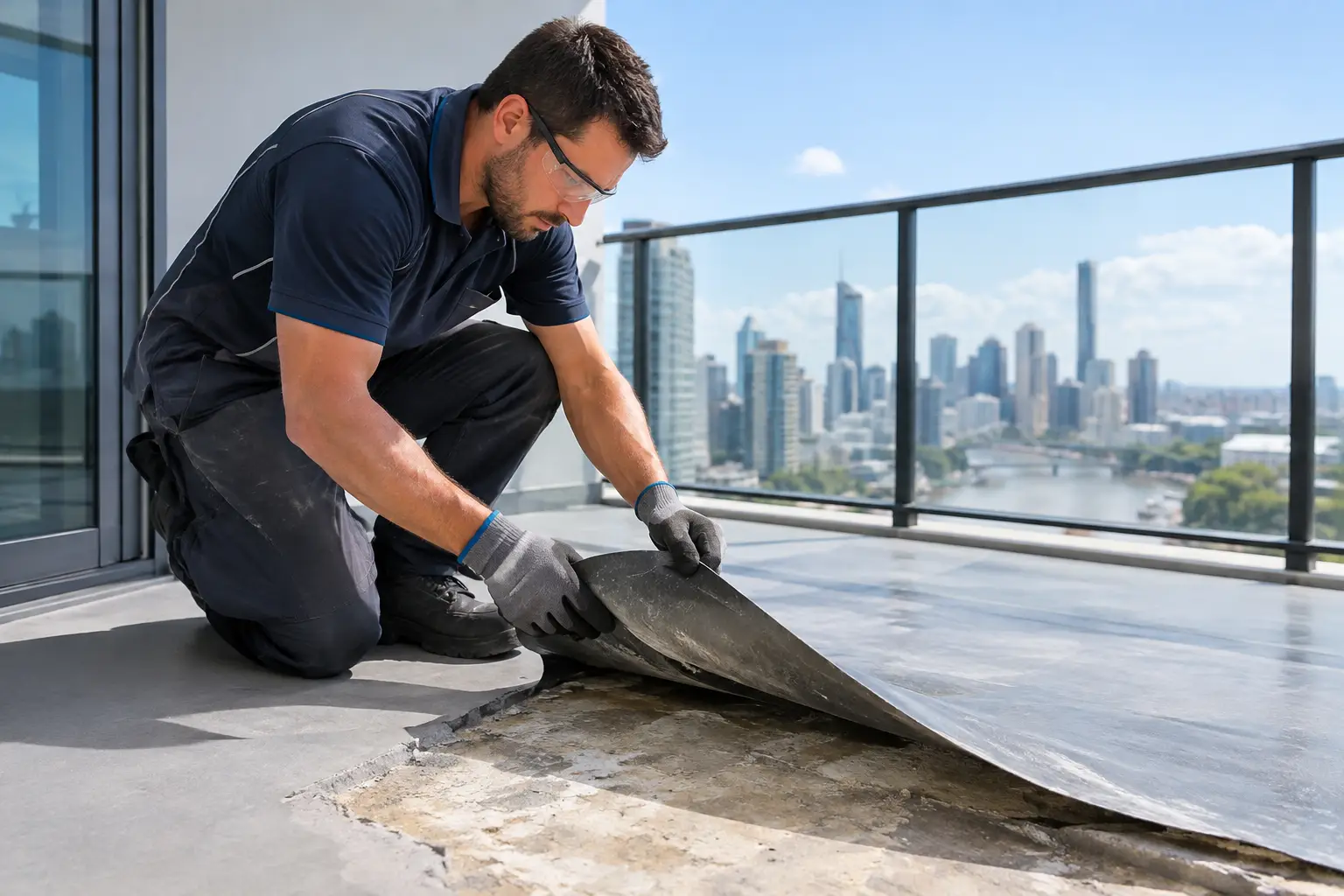
Full removal is commonly required when tiles have lifted, grout has cracked repeatedly, water has entered adjoining spaces, or the existing membrane is blistered, brittle, torn or poorly bonded. It is also necessary where previous repairs have created uneven layers that compromise falls to the drain or door threshold heights.
On older Brisbane properties, there can be more than one layer to deal with. A balcony may have original tiles, a failed liquid membrane, a later patch repair and a fresh layer of adhesive from a previous cosmetic update. Covering that history with another finish can trap the underlying problem and make the next repair much harder.
What makes balcony strip-outs different
Balconies are exposed surfaces. They deal with direct sun, driving rain, thermal expansion and drainage requirements that indoor floors simply do not face. That means removal work has to account for more than the top layer of tile.
The concrete slab needs to be protected while old materials are lifted. Door tracks, balustrade bases, weep holes, drains, rendered walls and sliding doors all need careful attention. Aggressive demolition in the wrong place can create damage that delays waterproofing, tiling or compliance work later.
Access also changes the method. A ground-floor patio may allow straightforward equipment access and waste removal. A high-rise unit balcony may require controlled movement through common areas, lift protection, contained rubbish handling and a clear plan for dust and noise. For strata properties, the timing and access requirements should be confirmed before work begins, rather than discovered halfway through the job.
The right removal process starts with the slab
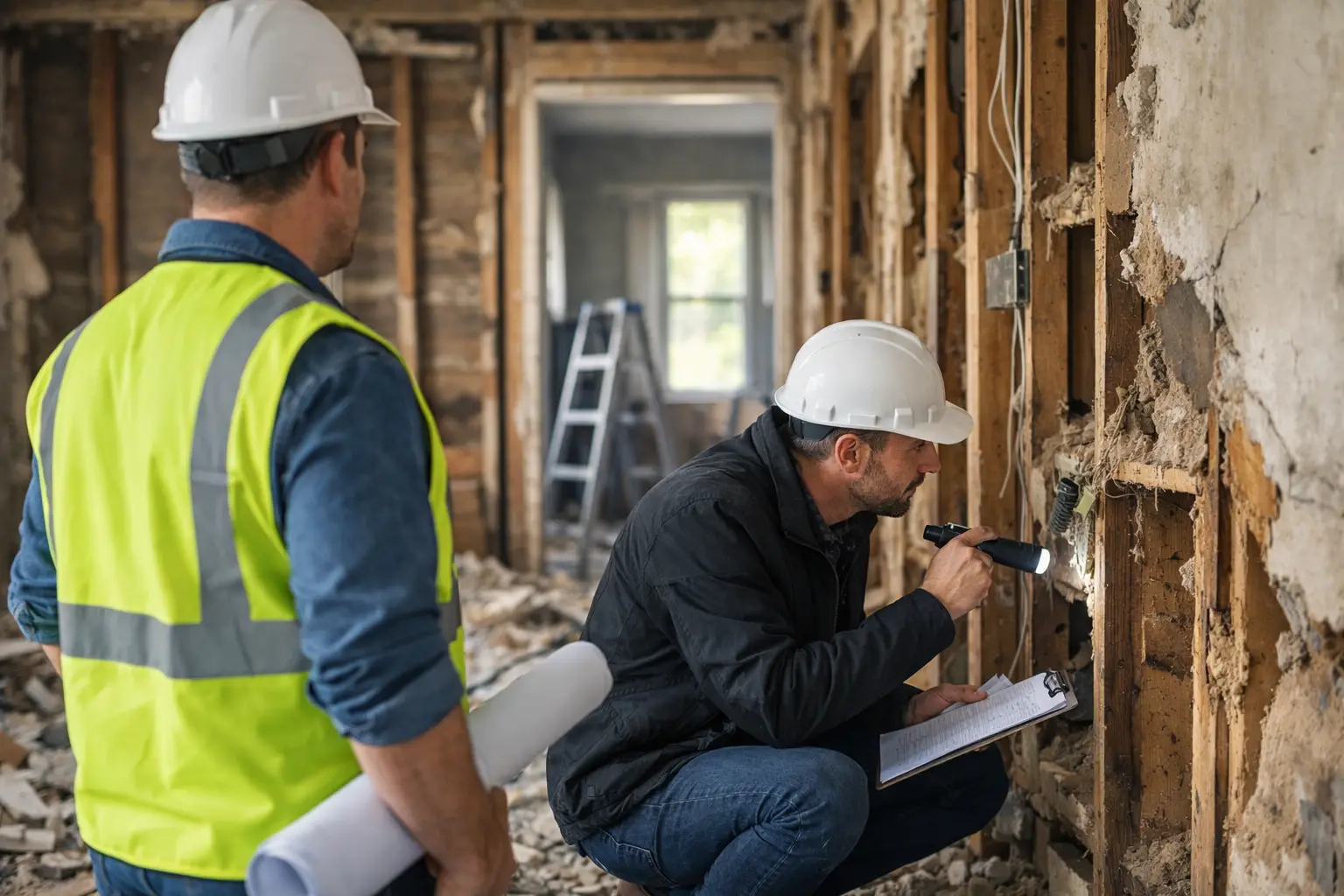
A professional balcony strip-out begins with an inspection of the existing build-up and the concrete below it. The team needs to identify what is being removed, where the drainage points sit, whether there are visible cracks or movement issues, and how materials and equipment will safely enter and leave the site.
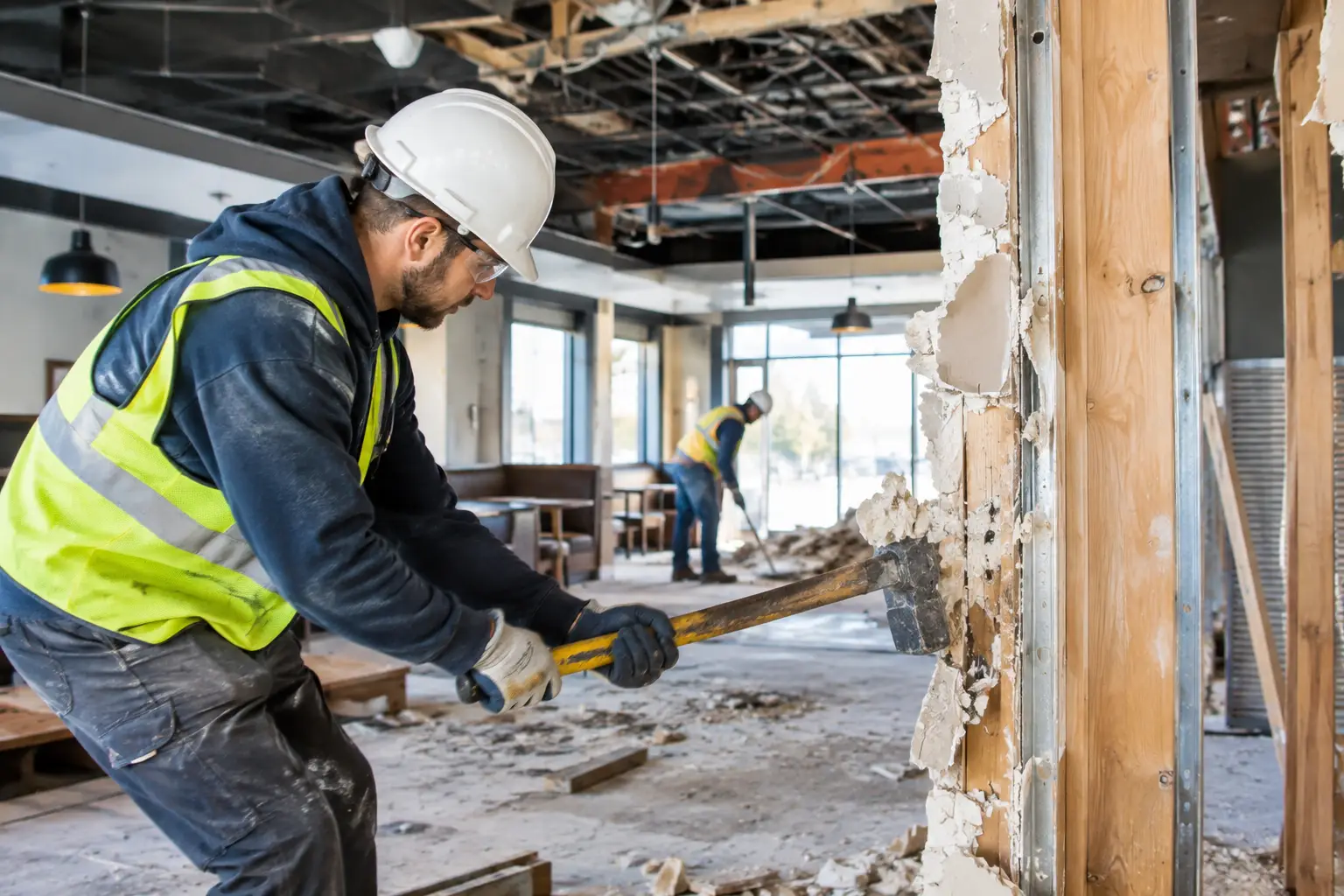
Tiles and loose bedding are removed first, using equipment suited to the material and bond strength. The remaining adhesive, screed, membrane or coating is then stripped back in a controlled manner. Depending on the system, this can involve mechanical floor stripping, grinding or a combination of methods.
The aim is a clean, stable substrate. That does not always mean grinding the slab until it looks brand new. Overworking concrete can create avoidable damage, while leaving residue can prevent the new system from bonding correctly. The right finish depends on the waterproofing or flooring specification that follows.
Membrane removal is only one part of preparation
Once the old membrane is gone, the slab can be properly assessed. Hidden cracks, weak patches, old repair compounds and inconsistent falls often become visible only after the surface layers are removed.
This is where a quality strip-out saves time for the whole project. The waterproofer can see the actual condition of the substrate. The tiler is not trying to work over old adhesive ridges. The builder has a clear view of any repair work required before the next stage proceeds.
If the balcony needs crack treatment, levelling, screeding or changes to drainage falls, those decisions should be made after removal and before a new waterproofing system is installed. A new membrane should be applied by the appropriately qualified waterproofing trade to a surface that is dry, sound and prepared to the specified requirements.
Why cutting corners causes expensive problems
Leaving adhesive or fragments of failed membrane behind can affect the bond of the replacement system. Applying a new membrane over contaminated, uneven or unstable material may lead to poor adhesion, trapped moisture or premature failure. The balcony may look finished, but the risk remains below the tile line.
Another common mistake is using heavy tools without managing edges and penetrations. Balustrade posts, wall junctions and drains are often the places where waterproofing details matter most. Damage around these areas can add repair work and create uncertainty for the trade completing the new system.
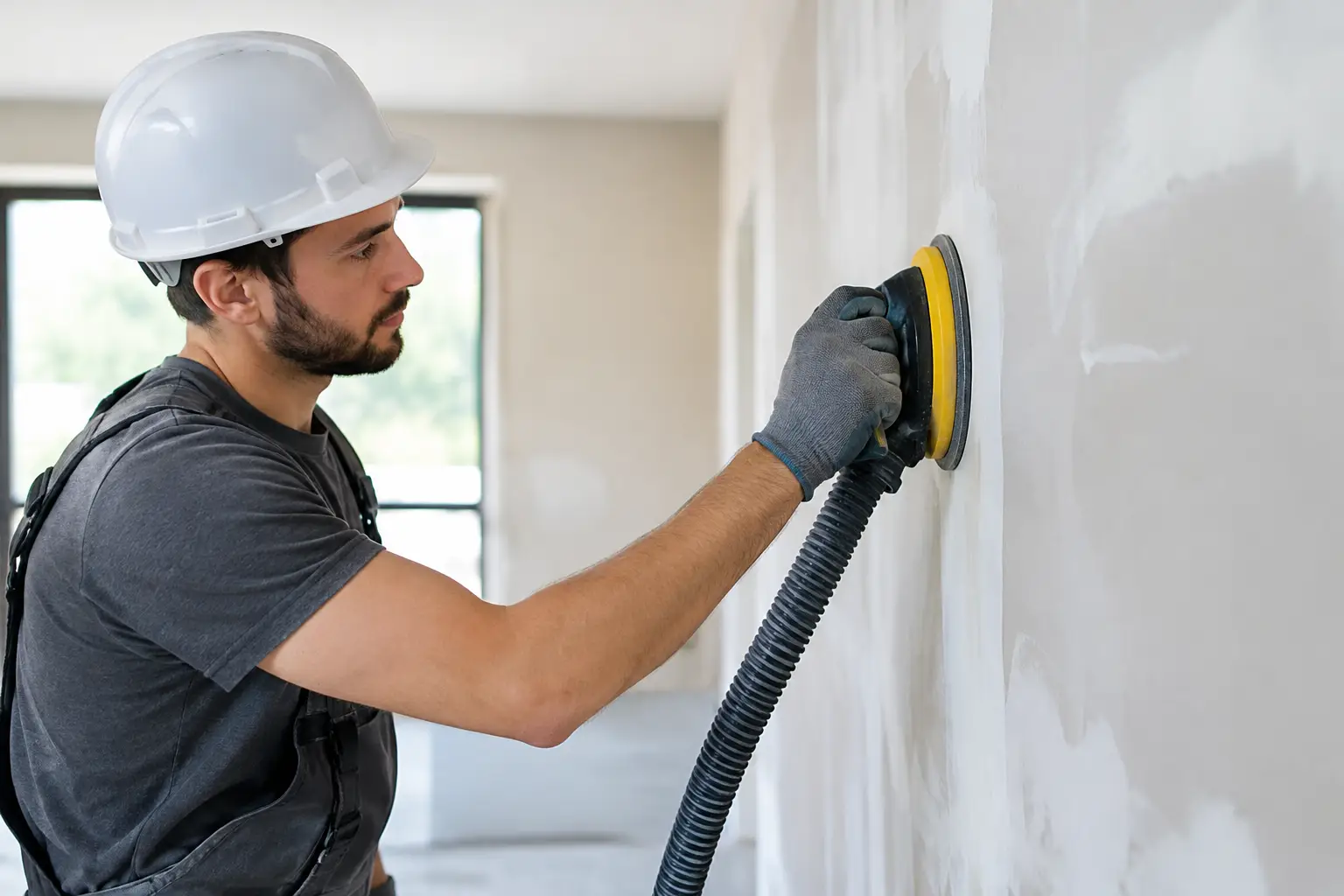
Dust is another issue that should not be treated as an afterthought. Grinding old coatings and adhesive produces fine particulate matter that can travel through a unit, into neighbouring properties or across a commercial tenancy. Proper dust-control equipment, contained work practices and a thorough clean-up protect the property and reduce disruption for occupants.
What a renovation-ready balcony surface looks like
A balcony does not need to be visually perfect after demolition. It does need to be genuinely ready for the next trade. That means loose materials, tile bedding, old adhesive and failed membrane have been removed as required, with the slab left accessible for inspection and further preparation.
A renovation-ready surface should be free of high ridges and loose contaminants that interfere with waterproofing or screeding. Drain locations should remain clear. Edges should be handled carefully, and waste should be removed from the site rather than left for the builder or tiler to deal with.
There may still be concrete repairs needed, particularly where old tile bedding has exposed minor surface imperfections. That is normal. The value of a proper removal is that these issues are visible and can be addressed in the right order, rather than concealed beneath another layer.
Planning around apartments, homes and commercial sites
For homeowners, the main concern is often keeping the disruption contained and getting the balcony ready quickly so the renovation can continue. For unit owners, access, strata rules, lift bookings and protecting common property tend to be just as important. Commercial sites may also need the work staged around trading hours, tenants or public access.
A capable removal contractor plans for the site conditions before equipment arrives. That includes access routes, waste handling, surface protection, dust management and the order of work. Most smaller balcony strip-outs can move quickly when the scope is clear, but hidden layers or slab repairs can affect the programme. Straight answers at the start help avoid unnecessary hold-ups later.
Rapid Stripped handles difficult floor coverings, adhesives and surface preparation with the focus where it belongs: removing the old system cleanly and leaving a workable substrate for the renovation team.
Questions to settle before work starts
Before arranging balcony membrane removal, confirm the scope with the builder, waterproofer or project manager. Are tiles, screed, adhesive and membrane all being removed, or only selected layers? Has the replacement waterproofing system specified a required surface profile? Are there known leaks, cracks, drainage concerns or threshold-height limitations?
For apartments, ask what approvals, lift protection, work hours and rubbish removal arrangements are required. For any balcony, make sure the area below and adjoining rooms are protected where needed. These details are not paperwork for paperwork’s sake. They determine whether the work can proceed efficiently and whether the site is ready when the next contractor arrives.
A failed balcony system rarely improves with another cover-up. Start with a properly stripped, assessed slab, then let each trade complete its part in the right sequence. That gives your new balcony finish the best possible foundation to perform through Brisbane heat and wet weather.