
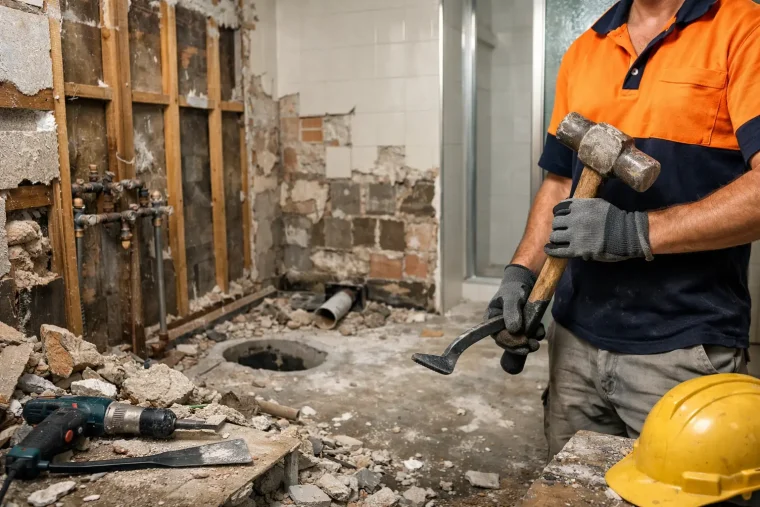
A bathroom renovation usually starts with one messy truth – if the strip out is rushed, the whole project feels it. A proper Brisbane bathroom strip out is not just about smashing tiles and hauling out old fittings. It is about removing the room cleanly, safely and thoroughly so the next trade can walk in and get moving without losing time on leftover problems.
That matters more than most people expect. Bathrooms hide plenty once demolition starts: loose screed, stubborn bedding, water damage, cracked sheeting, failed waterproofing, rusted fixings and old adhesives that do not come up easily. If the strip out team misses those issues, the renovation can stall before it properly starts.
What a bathroom strip out should actually include
A professional bathroom strip out is more than taking out the obvious items. Yes, the vanity, shower screen, toilet, bath and tiles need to go. But the real value is in leaving the area genuinely ready for the next stage, not half-finished with debris, adhesive ridges and damaged substrate still in place.
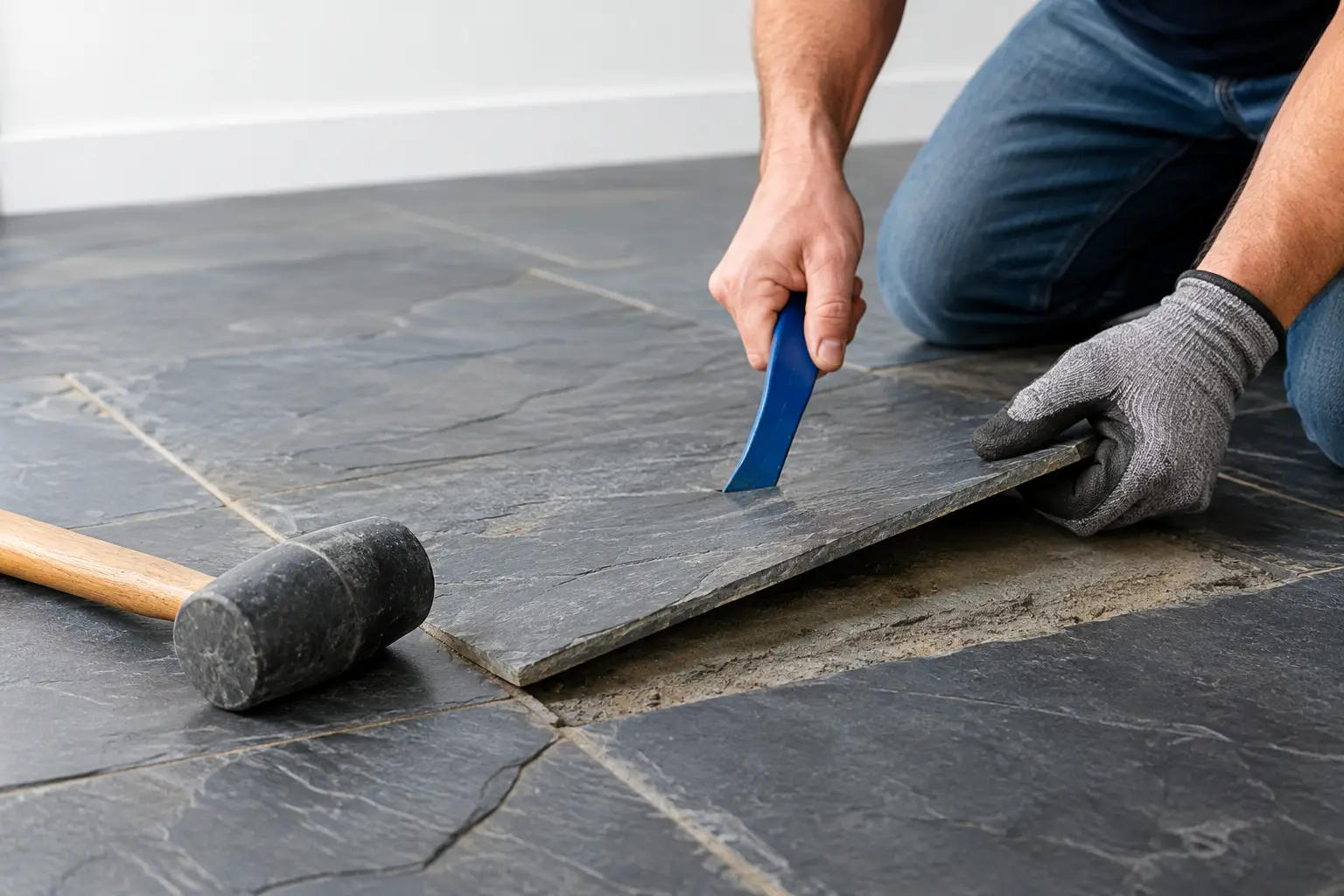
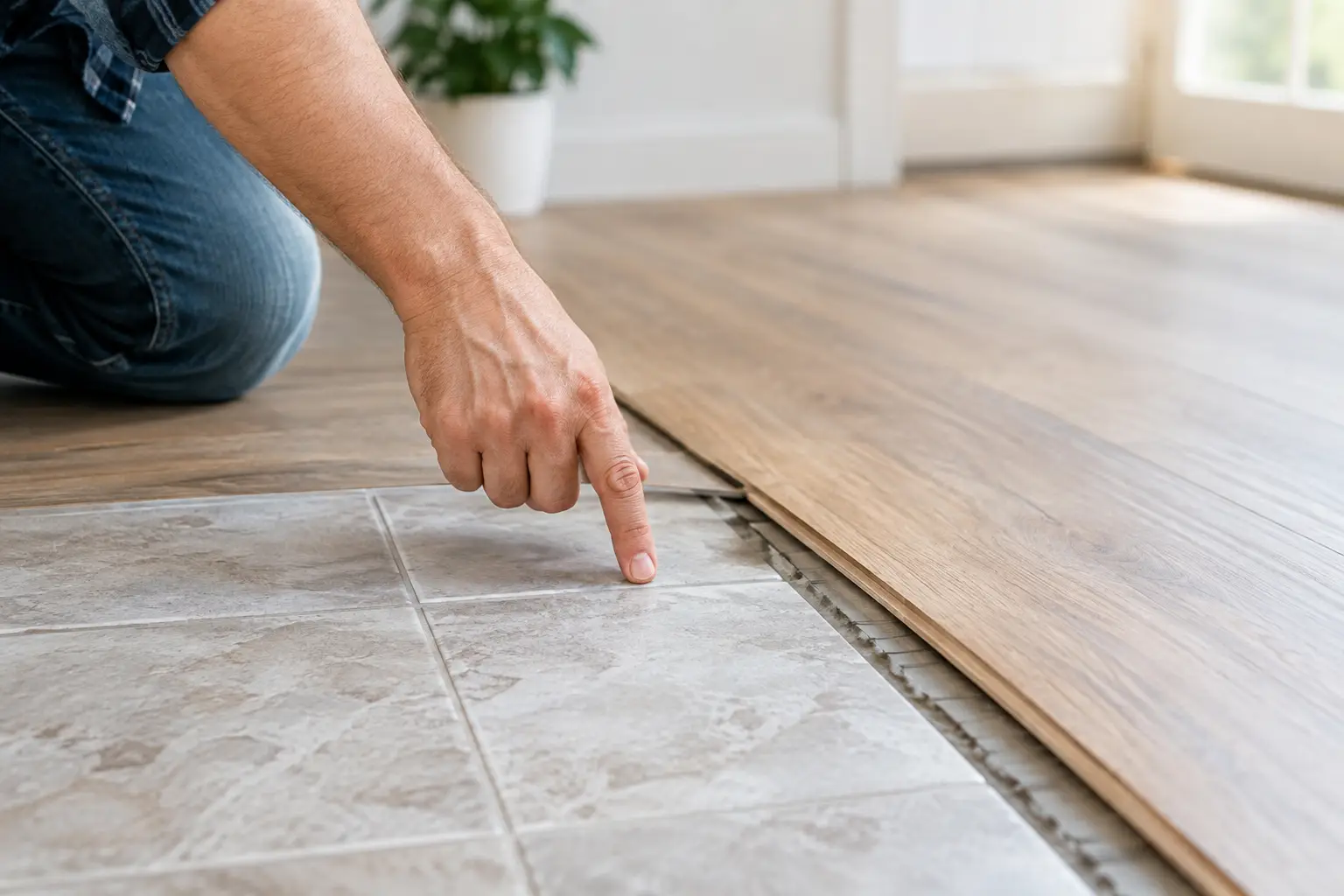
In most bathrooms, the work includes removal of wall and floor tiles, tile bedding, screed, adhesives, fixtures, fittings and any damaged linings that are being replaced as part of the renovation. Depending on the scope, it can also include removing waterproofing build-up, lifting vinyl or other floor coverings in adjoining areas, and grinding or preparing the slab once demolition is complete.
That last part often gets overlooked. A room can look stripped, but still not be ready. If the floor is uneven, covered in residual adhesive or packed with stubborn bedding, the waterproofing and tiling trades inherit a problem they should never have received.
Why Brisbane bathroom strip outs can get complicated fast
Every bathroom is small until you start trying to work in it. Tight access, unit living, shared walls and occupied homes all add pressure. In Brisbane, a lot of bathrooms also sit inside older homes, post-war properties, brick units and concrete-built apartments where substrates vary from room to room.
That changes how the strip out should be handled. Some floors lift cleanly. Others need heavier mechanical removal. Some wall tiles release without much resistance. Others are fixed over cement sheeting or masonry and come off in a way that creates more repair work if handled carelessly.
There is also the issue of dust and debris control. Bathroom demolition creates fine dust, broken tile shards, sharp waste and noise in a concentrated area. In a lived-in home or active commercial property, that has to be managed properly. Fast is good, but fast and controlled is what keeps the project moving without turning the rest of the property into a clean-up job.
Older bathrooms often hide more than expected
The older the bathroom, the more likely the strip out will uncover extra work. That does not always mean a bad project. It just means demolition needs to be done by people who know what they are looking at.
Common examples include multiple layers of tiles, thick mortar beds, patch repairs from previous renovations, damaged sheeting behind shower walls and floors that are nowhere near level once coverings are removed. These are not rare surprises. They are exactly why experience matters.
What slows a bathroom renovation after demolition
Most delays after a strip out come down to one of three things: incomplete removal, poor site preparation or unnecessary damage. When demolition is done by a team that treats it as simple labour, those issues show up quickly.
Incomplete removal leaves behind tile glue, bedding, uneven edges and fixtures that should have been taken out the first time. Poor site preparation means the next trade arrives to a floor that still needs grinding, cleaning or patching before work can begin. Unnecessary damage affects walls, plumbing points, doorways and surrounding finishes that were meant to stay.
A specialist approach avoids that. The point is not just to demolish. The point is to demolish with control, protect what stays, remove what goes, and leave a site ready for waterproofing, re-sheeting, levelling or tiling without rework.
A clean strip out saves time for every trade after it
Builders and renovators know this already. The easiest way to keep a bathroom project on track is to start with a strip out that is complete. Tilers, waterproofers, plumbers and carpenters work better when the room has been properly cleared and prepared.
That means no guessing what is still bonded to the slab. No losing half a day breaking up leftover bedding. No trying to work around demolition waste stacked in the corner. A clean strip out protects the schedule because it removes friction before the next trade sets foot on site.
For homeowners and investors, the benefit is just as clear. Less downtime, less mess carried through the property and fewer hold-ups between demolition and rebuild.
Speed matters, but only if the finish is right
A lot of clients ask how quickly a bathroom can be stripped. In many cases, it can be completed within a day, especially when access is straightforward and the scope is clear. But speed should never mean cutting corners.
The right team moves quickly because they have the equipment, process and experience to do it properly. Mechanical tile removal, controlled waste handling, dust management and substrate preparation all play a part. Quick turnaround is useful only when the result is a room that is actually ready for the next phase.
What to look for in a Brisbane bathroom strip out service
If you are booking a Brisbane bathroom strip out, look for a specialist who understands demolition and surface preparation as part of the same job. That matters because bathrooms rarely end with removal alone. Once the tiles and fixtures are out, the condition of the slab or wall surface becomes the next issue straight away.
A good operator will think beyond demolition. They will assess access, identify likely substrate issues, protect surrounding areas and remove waste efficiently. Just as importantly, they will leave the site in a condition that helps the rest of the renovation run smoothly.
This is especially important in units, tenanted properties, retail amenities and homes where other rooms remain occupied. In those jobs, disruption has to be contained. Noise, dust, rubbish removal and work timing all need to be handled with discipline.
Residential and commercial bathrooms need different planning
The demolition itself may be similar, but the site conditions are not. In a family home, the focus is usually protecting surrounding finishes, controlling dust and keeping access to the rest of the property manageable. In a commercial setting, the pressure is often on timing, compliance, coordination with other trades and reducing disruption to staff, tenants or customers.
That is why planning matters before the first tile comes off. Access points, lift use, waste removal paths, working hours and noise restrictions all affect how the strip out should be run. A team used to this kind of work will factor those details in early instead of improvising once the job has started.
Why specialist equipment makes a difference
Bathrooms are one of the worst places to rely on hand tools alone. Tight spaces, hard-set materials and dense bedding can turn a straightforward demolition into a drawn-out, high-impact job if the wrong approach is used.
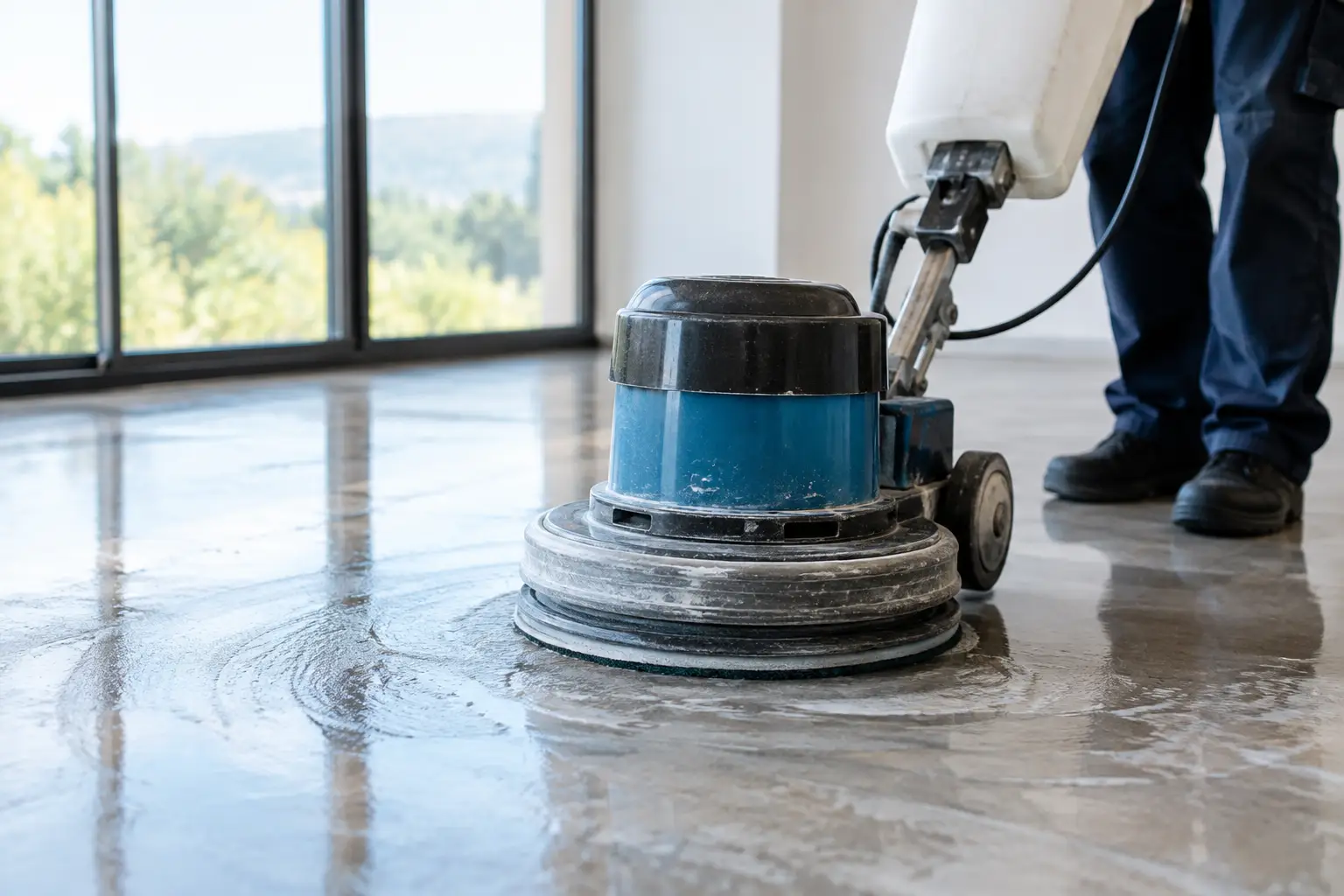
The right equipment helps remove tiles, screed, adhesives and bonded materials faster and with better control. It also improves dust suppression and reduces unnecessary damage to the surfaces that need to remain. For jobs where the slab needs to be left ready for follow-on work, grinding and surface preparation equipment can make the difference between a site that is truly ready and one that still needs another visit.
That is where a specialist contractor stands apart from a general labour crew. Demolition is only half the job. Knowing how to finish the surface properly is what gives the client a better result.
Before the strip out starts, get clear on the scope
The smoothest projects start with a clear plan. Are all wall linings being removed, or only tiles and fixtures? Is the floor slab staying, and does it need grinding after tile removal? Are there adjoining areas with flooring that also needs to go? Is the property occupied, and what needs protection during works?
These questions shape the job from the start. They also reduce the chance of delays once demolition is underway. If the scope is clear, the strip out can be completed with less disruption and fewer surprises for the trades booked in after it.
For renovators, builders and property owners, the practical goal is simple: get the old bathroom out cleanly, safely and completely, then hand over a site that is ready to move forward. That is what a proper strip out should deliver.
When the demolition is done right, the renovation stops feeling like a stop-start process and starts running the way it should – clean handover, clear access and no wasted time fixing what should have been handled on day one.