
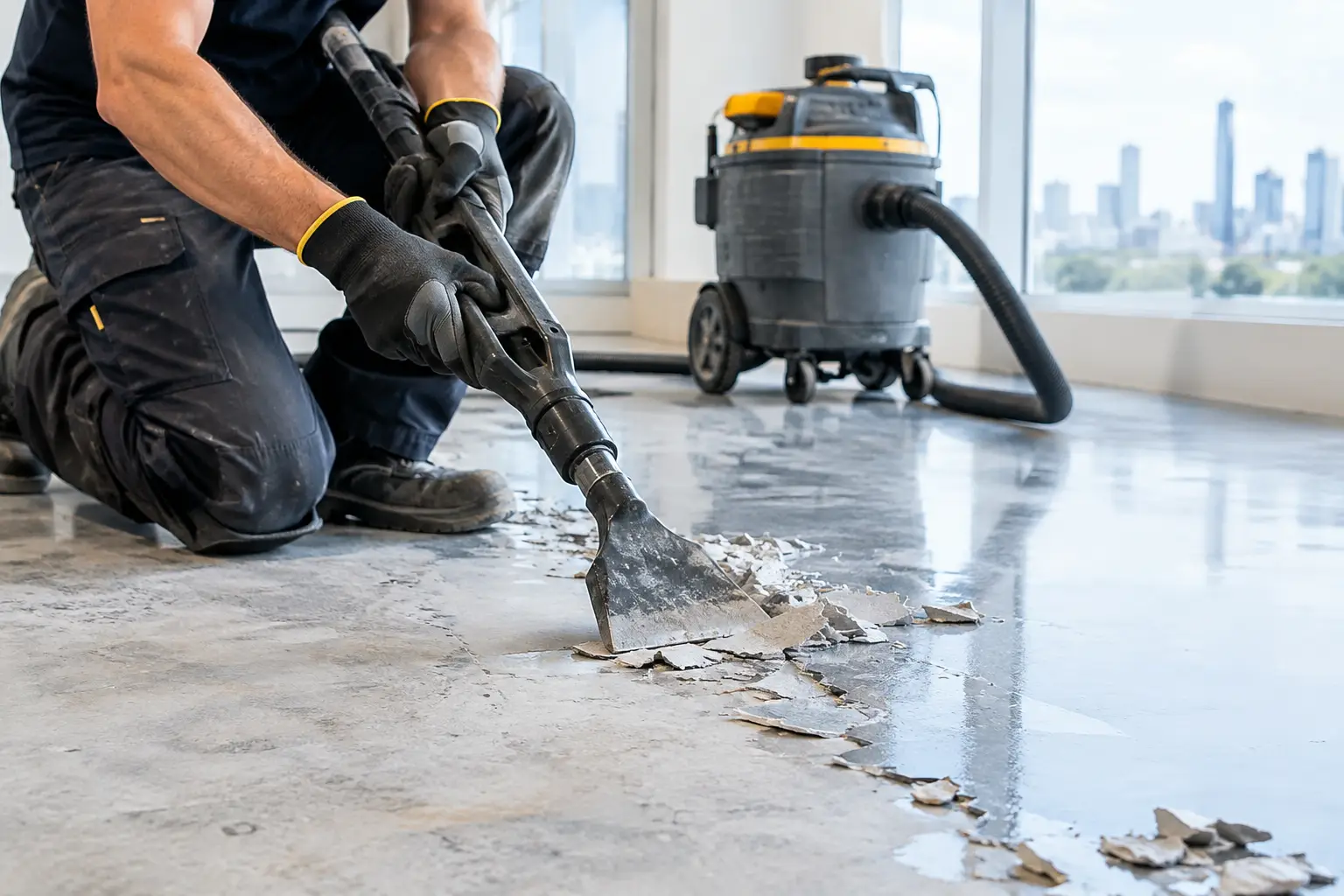
Epoxy can look tough because it is tough. That is exactly why Brisbane epoxy floor removal needs more than a scraper, a hired grinder and a spare weekend. When epoxy has bonded properly to concrete, removing it without gouging the slab, filling the property with dust or creating problems for the next floor finish takes the right equipment and a disciplined process.
For homeowners, builders and commercial operators, the real objective is not simply getting the old coating off. It is handing over a clean, sound surface that is ready for tiling, polishing, resurfacing, a new coating or another specified finish.
Why epoxy floor removal is different
Epoxy is a resin-based coating designed to adhere firmly to concrete. It is commonly used in garages, workshops, warehouses, commercial kitchens, showrooms and high-traffic work areas because it resists wear, spills and impact. The same qualities that make it durable also make removal demanding.
The condition of the existing floor changes the job. Some epoxy systems are thin coatings that can be mechanically ground away. Others are thick-build systems, multi-layer commercial coatings or epoxy mortars with broadcast aggregate. Old coatings may also have been patched, painted over or contaminated by oils, tyre marks and chemicals.
There is no one-size-fits-all removal method. A floor that only needs a new coating may require controlled surface grinding. A slab being converted for polished concrete or tile may need a more thorough removal process, including adhesive and residue removal. Starting with the intended final finish prevents wasted work and avoids preparing the slab to the wrong standard.
The risks of removing epoxy the wrong way
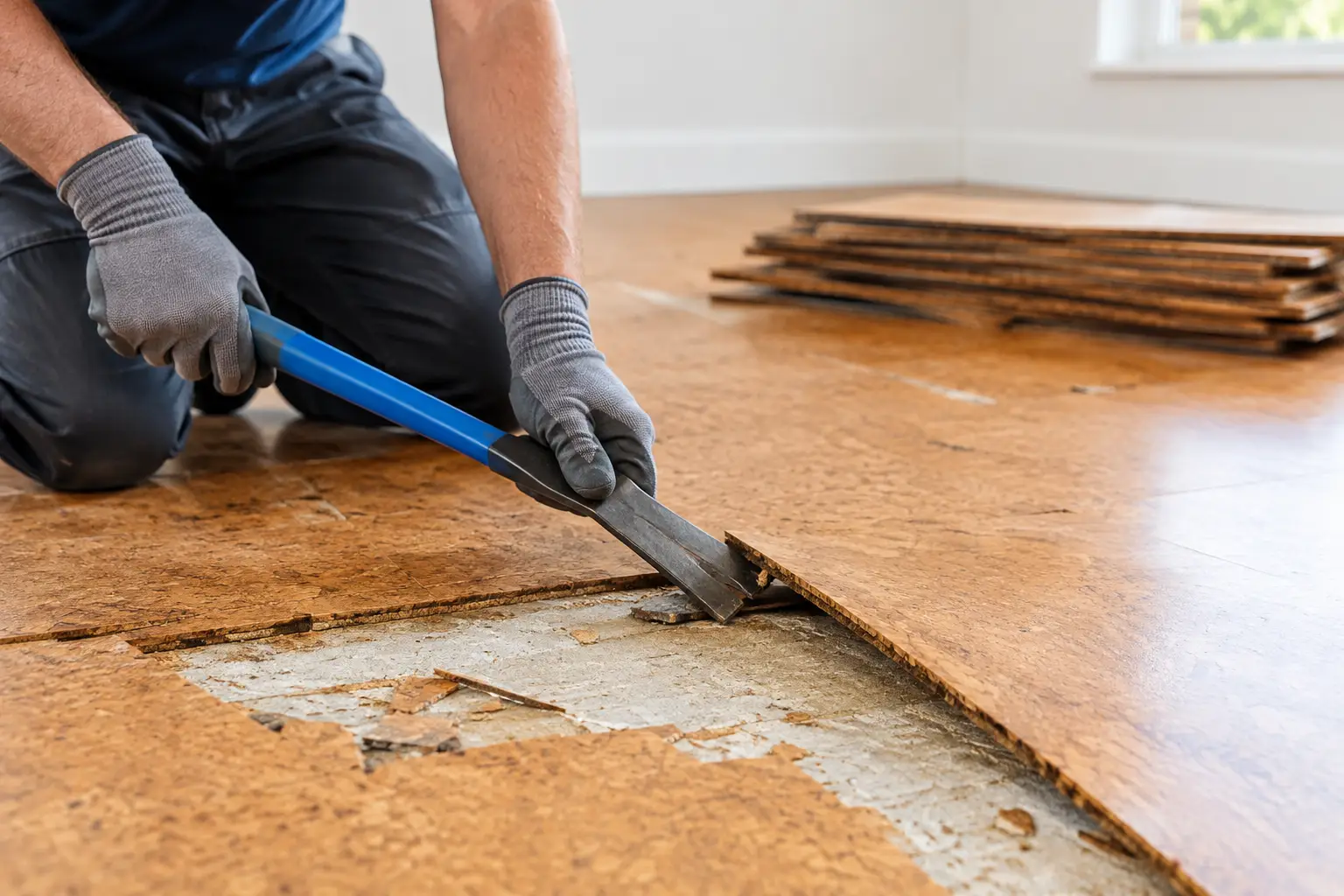
Trying to chip or grind epoxy without proper preparation can turn a straightforward renovation stage into a repair job. Aggressive tools can leave deep scars, uneven low spots and damaged slab edges. Those marks may show through a thin coating, affect tile installation or add unnecessary levelling work later.
Dust is another major concern. Mechanical grinding creates fine airborne material, and concrete dust can contain respirable crystalline silica. This is not a job for an open grinder in an enclosed garage, office or occupied commercial space. Proper dust extraction, containment and safe work practices protect workers, occupants and nearby finishes.
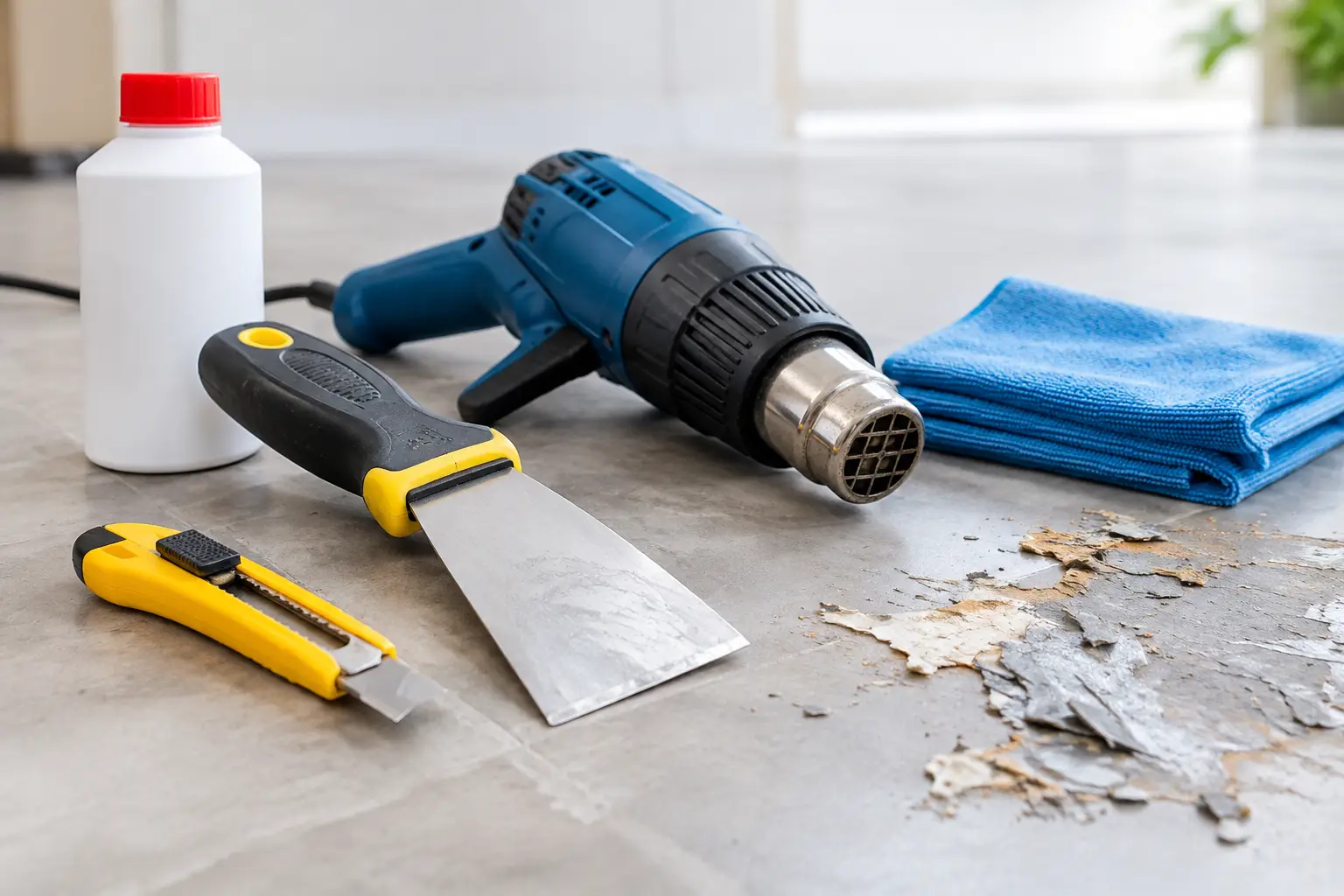
Chemical stripping is sometimes considered as a shortcut, but it is not automatically the cleaner option. Chemicals may struggle with thick or highly cured epoxy, leave residue in the concrete and create an extra clean-up and disposal issue. If the slab is being recoated, any residue can interfere with adhesion. Mechanical removal is often the more reliable route, provided it is matched to the coating and substrate.
Brisbane epoxy floor removal starts with the slab
Before removal begins, the coating and concrete need to be assessed. A professional team looks for coating thickness, delamination, moisture issues, concrete damage, previous repairs, joint condition and the likely presence of contaminants. The surrounding site matters too: walls, roller doors, fixed shelving, drains, machinery and neighbouring tenancies can all affect access and containment.
This assessment determines whether the floor needs light grinding, heavier grinding, scarifying, shot blasting or a combination of methods. It also identifies whether the existing epoxy is already failing. Where the coating is lifting or hollow in places, removal may progress differently from a well-bonded industrial epoxy that has been in place for years.
The aim is controlled removal, not brute force. A clean-looking slab is not necessarily ready for the next trade. It needs to be free of loose coating, incompatible residue and high spots that could compromise the finish being installed.
Grinding for control and finish quality
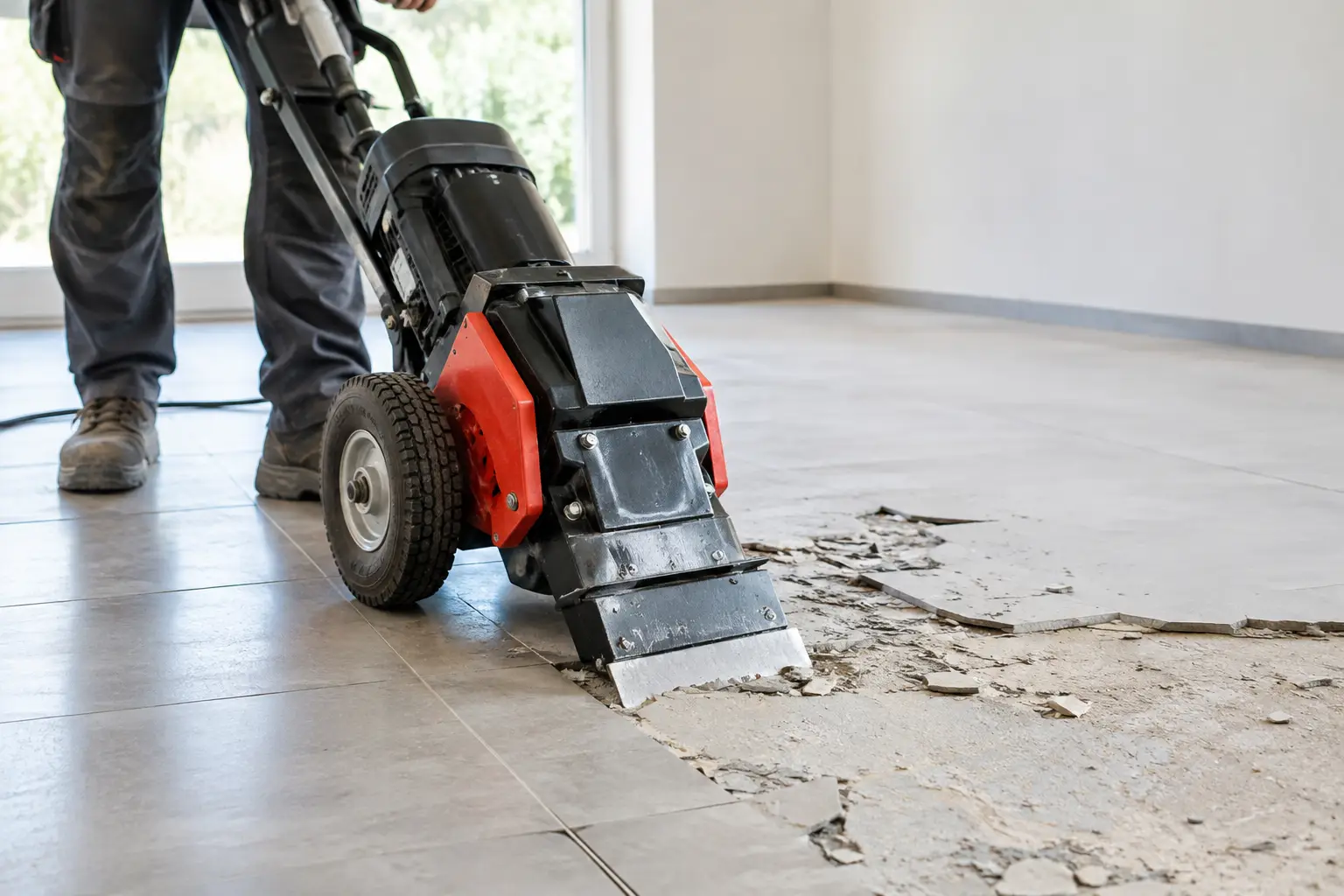
Diamond grinding is commonly used to remove epoxy while keeping control over the concrete profile. Different diamond tooling is selected according to the coating type, thickness and slab hardness. The process can remove the coating and create a profile suited to a new epoxy system, polyurethane coating, tile adhesive or another bonded finish.
Grinding also allows the operator to work accurately around walls, columns, doorways and floor penetrations. Edge work matters. Leaving a strip of old epoxy around the perimeter can hold up skirting work, wall finishes or new floor preparation.
Scarifying and heavier mechanical removal
Thicker epoxy, heavy build-up or particularly stubborn sections may call for more aggressive mechanical equipment. Scarifiers can remove substantial material quickly, but they require skill. Used without care, they can leave a rough surface that needs follow-up grinding before the area is ready for installation.
This is where the right sequence saves time. Heavy removal equipment deals with the bulk of the coating, while grinding refines the slab and removes remaining residue. The best approach depends on the floor, not on which machine happens to be available.
What a site-ready finish actually means
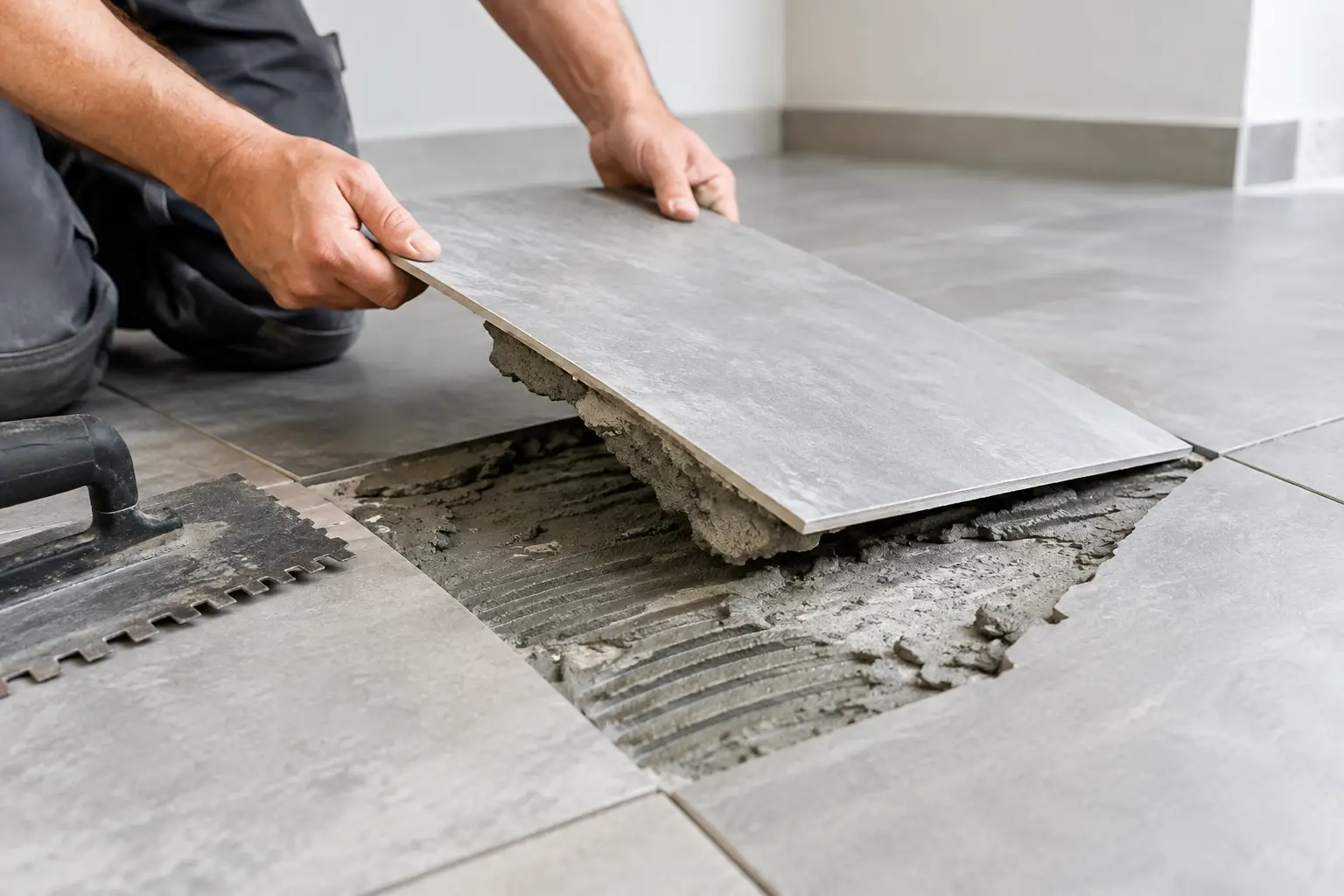
“Epoxy removed” can mean very different things. If the next step is another industrial coating, the contractor installing it may specify a concrete surface profile and moisture testing requirements. If tiles are going down, the slab needs to be sufficiently flat, clean and free of bond-breaking material. If polished concrete is the goal, deep damage and patchy removal marks may require a different level of preparation.
A site-ready finish means the agreed scope is complete and the floor is prepared for the intended next stage. It does not always mean the slab will look visually perfect. Older concrete can have patches, prior repairs, cracks, stains and variations in colour once the epoxy is gone. What matters is whether those conditions are suitable for the planned finish or need separate repair work.
Clear communication between the removal team, builder and flooring installer is worth the effort. It avoids the common problem of one trade expecting a finish that was never specified in the removal scope.
Planning removal in homes and active commercial sites
In a residential garage, the main concerns are often dust control, protecting adjacent areas and completing the job quickly so the renovation can move forward. Furniture, stored items and vehicles need to be removed before work begins, and access needs to be clear for machinery and waste removal.
Commercial work often adds another layer of planning. Offices, retail spaces, strata buildings, workshops and hospitality venues may have restricted access hours, shared loading areas, noise limits or operating businesses nearby. The removal process should be organised around the site rather than forcing the site to work around the machinery.
Rapid Stripped approaches floor removal with this practical focus: assess the coating, select the appropriate removal method, control the dust and leave the area ready for the next trade. Most straightforward jobs can be completed within a day, but large areas, heavy coatings, restricted access and slab repairs can affect the programme.
Prepare before the removal crew arrives
A little preparation keeps the job moving and reduces avoidable delays. Clear the floor completely, including loose shelving, storage cabinets, mats and equipment. Confirm whether services run through the slab or whether there are drains, pits, floor boxes or delicate thresholds that need protection.
For commercial sites, arrange building access, loading arrangements and any required approvals ahead of time. If the epoxy floor is beneath fixed equipment or racking, decide whether those items will be removed, isolated or worked around. It is far better to resolve these details before machinery is on site.
Also be realistic about what may be underneath. Removing epoxy can expose cracks, spalls, old levelling compounds or contamination that was hidden by the coating. Finding these issues early gives you time to decide whether repairs are needed before the new floor is installed.
When full removal is not necessary
Not every epoxy floor needs to come off completely. If the existing coating is sound, clean, dry and compatible with the planned new system, it may be possible to prepare it through cleaning, sanding or mechanical abrasion before recoating. This can reduce disruption, but only when the existing floor passes the relevant adhesion and condition checks.
Full removal is generally the safer choice when the epoxy is delaminating, badly worn, contaminated, of unknown type or incompatible with the replacement finish. It is also often required when changing to tiles, exposed concrete or a finish that needs direct contact with the slab.
The right call comes from the condition of the floor and the result you need, not from choosing the quickest-looking option. Get the coating removed properly, protect the slab beneath it, and the next stage of your renovation has a solid base to work from.