
A painted concrete floor can look like a simple removal job until the first patch lifts unevenly, adhesive-like residue remains, or the slab starts chipping. So, can painted concrete be stripped? Yes – but the right method depends on the paint, the condition of the concrete, and what needs to go over the surface next.
For a renovation to stay on track, the goal is not merely to remove visible paint. The concrete needs to be clean, sound and properly prepared for its next finish, whether that is tiles, vinyl, timber, carpet, epoxy or polished concrete. Rushing this stage can leave a weak surface that causes new flooring or coatings to fail.
Can painted concrete be stripped without harming the slab?
In most cases, yes. Painted concrete can be stripped without damaging the slab when the removal method suits the coating and the surface underneath. A sound concrete slab is tough, but it is not indestructible. Aggressive tools used in the wrong hands can gouge the surface, expose aggregate, create low spots or leave an uneven profile that needs further repair.
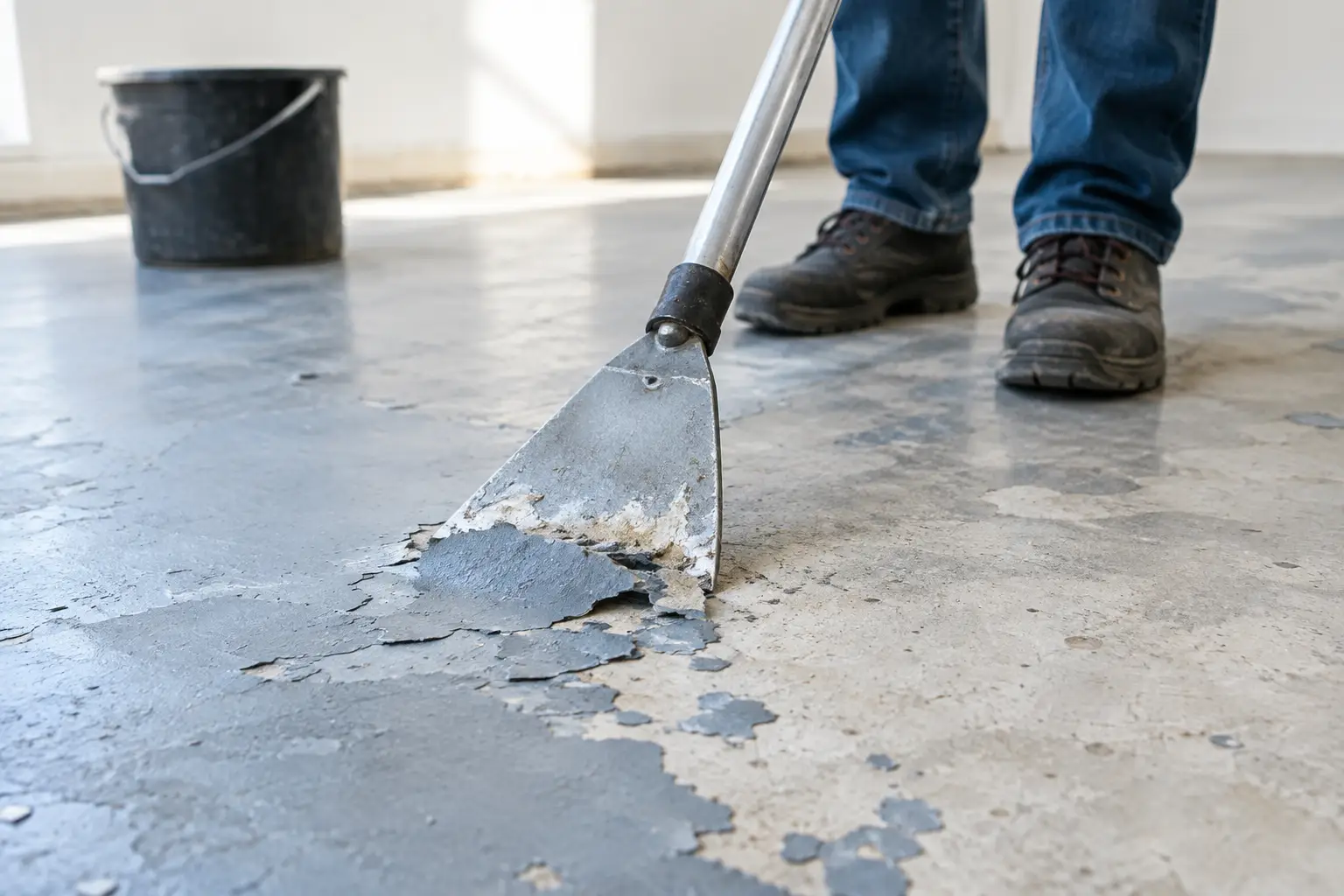
The main challenge is that “paint” covers a wide range of materials. It may be a thin acrylic floor paint applied years ago, a tougher polyurethane coating, a two-pack epoxy system, or multiple coats built up through several renovations. Some coatings release with stripping products, while others are best removed mechanically.
A professional assessment looks beyond the colour on top. We check whether the coating is peeling, how firmly it has bonded, whether there is moisture pressure in the slab, and whether previous patching, sealers or contaminants are present. This tells us how to remove the coating efficiently without taking more concrete than necessary.
The condition of the concrete matters first
Paint does not always fail because the paint itself is poor. Often, it has been applied over dusty concrete, moisture-affected areas, old adhesive, a weak surface layer or an unsuitable sealer. When the coating comes off, those underlying issues can become obvious.
A slab with loose, sandy or flaking concrete needs a different approach from a dense, well-cured slab. Mechanical removal may reveal hollow patches, old repairs or hairline cracks that need attention before the next trade starts. That is not damage caused by stripping – it is a pre-existing issue uncovered when the covering is removed.
For homeowners and builders, this is useful information to get early. Installing new floor coverings over a weak substrate simply hides the problem for a while. Proper preparation gives the new finish a stable base and avoids costly callbacks later.
Common ways painted concrete is removed
There is no single best method for every painted floor. The correct choice comes down to the coating type, floor area, access, ventilation and the required final finish.
Mechanical grinding
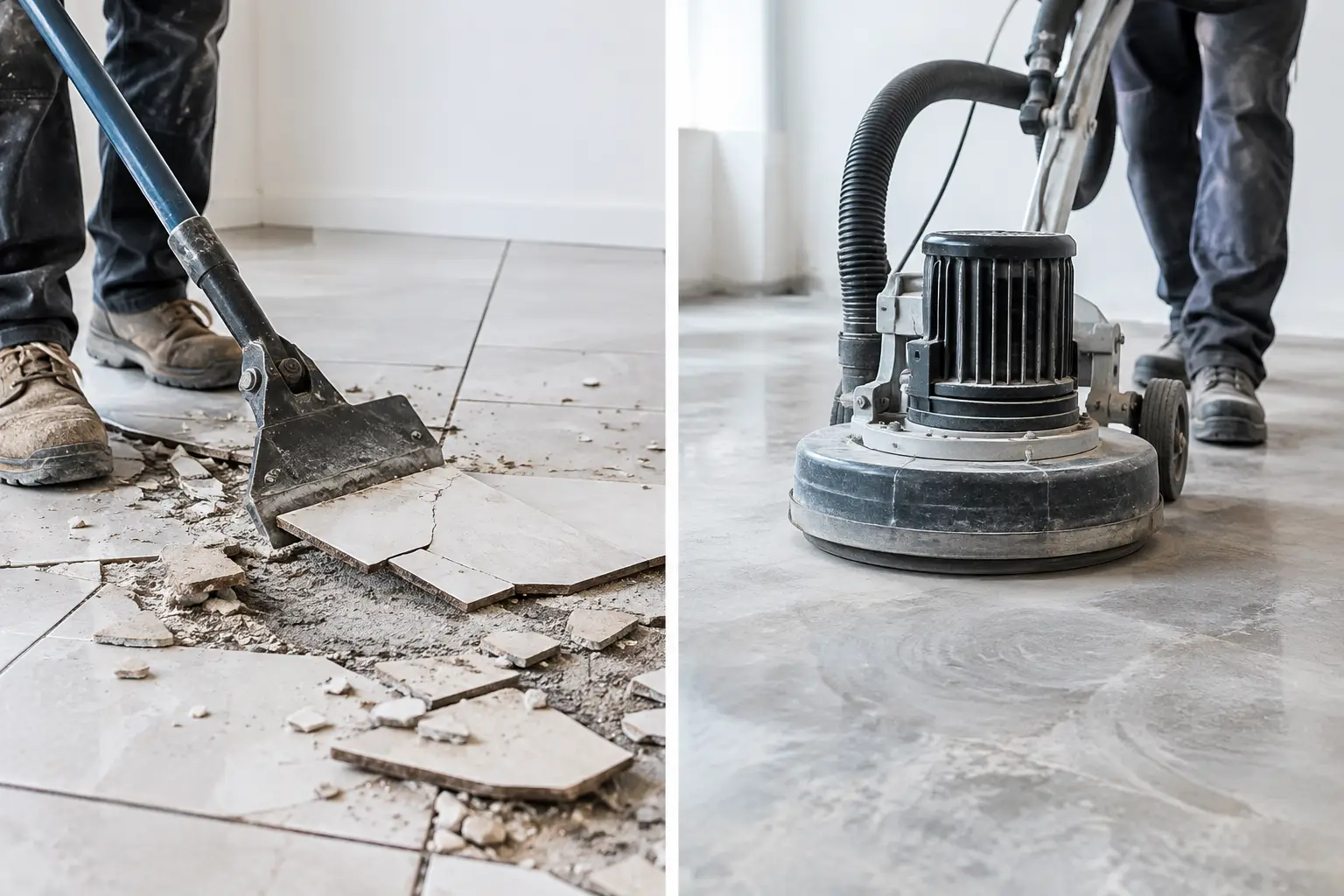
Concrete grinding is often the most reliable option for stubborn painted floors, especially where the surface must be ready for new coatings, adhesives or levelling compounds. Diamond grinding removes the coating while profiling the concrete to create a clean, mechanically prepared surface.
Grinding is particularly effective for painted garage floors, workshops, retail areas, patios and interior slabs where paint has bonded hard to the concrete. It can also remove residual coatings that chemical products leave behind.
The trade-off is that grinding needs the right machinery, diamond tooling and dust-control equipment. A small handheld grinder may work on an edge or isolated patch, but using it across a large room can be slow, uneven and extremely dusty. Professional floor grinders with suitable extraction systems keep the job controlled and help protect adjoining areas from fine concrete dust.
Chemical paint stripping
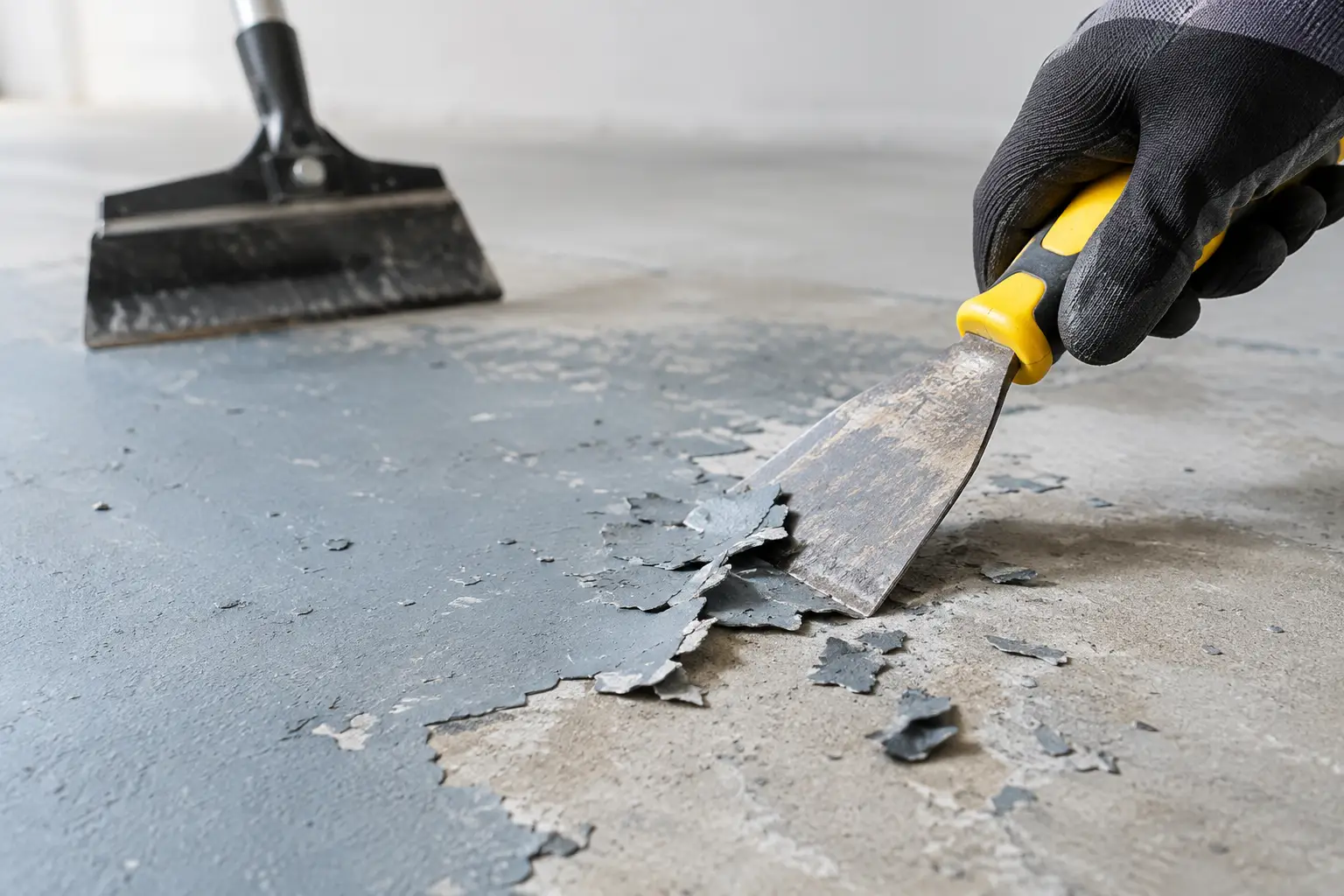
Chemical strippers can be effective on certain paints, particularly where mechanical equipment cannot safely reach or where preserving a delicate surface is the priority. The product softens the coating so it can be scraped away.
However, chemical stripping is rarely as simple as applying a product and washing the floor down. The softened paint and stripper residue must be fully removed and disposed of correctly. Any residue left in the concrete can interfere with tile adhesives, coatings and floor levellers.
Chemical stripping can also be impractical on porous slabs or floors with several thick coats. The product may soak in unevenly, while paint remains trapped in pores, joints and surface defects. In these situations, grinding after chemical removal may still be needed to achieve a reliable finish.
Shot blasting and specialist surface preparation
For large commercial areas or heavily bonded coatings, shot blasting can be a suitable option. This process propels steel shot at the floor to remove coatings and create a consistent concrete profile. It is efficient on open areas but is not suited to every site, particularly tight rooms, edges or areas requiring a very smooth finish.
Specialist surface preparation may also involve scarifying, scraping, edge grinding and repair work. The best outcome often comes from combining methods rather than relying on one machine or product alone.
Why paint removal is different from removing floor coverings
Paint can be thin, but it can create a major bonding problem. Even a small amount left on the slab can prevent a new adhesive or coating from gripping properly. Tile adhesive does not bond reliably to loose paint. Vinyl and carpet adhesives need a clean, stable substrate. Epoxy systems require a specific concrete profile and cannot be installed over an unknown or failing coating.
This is why simply sanding the shine off or painting over old paint is not always a sound solution. If the existing coating is lifting, chalky or contaminated, the new layer will only be as reliable as the old one underneath.
For a floor that will be covered later, the required finish does not necessarily need to look decorative. It needs to be clean, flat where required and suitable for the next product. For polished concrete or a clear coating, appearance becomes more critical and may require additional grinding stages, patch repairs and testing.
The risks of DIY painted concrete stripping
Small paint spills and isolated patches can be manageable with the correct products and basic preparation. Full-floor coating removal is another matter. The mess, noise and physical workload are usually underestimated, particularly in occupied homes, units, shops and offices.
Common problems include hiring equipment that is too light for the coating, choosing the wrong diamond disc, creating swirl marks, failing to reach edges, and spreading dust through the property. Chemical products bring their own risks, including fumes, skin contact, difficult clean-up and residue that compromises the next floor finish.
Older buildings also need extra care. Some historic coatings may contain hazardous materials, and removal should not begin until the material has been properly assessed. A professional contractor can plan the work around safety requirements, containment, access and disposal rather than turning a renovation site into a bigger clean-up job.
What a properly stripped concrete floor should look like
The finished surface should match the purpose of the room. For tiles or glued flooring, that usually means a coating-free slab with loose material removed and any necessary repairs identified. For an epoxy or decorative coating, the floor should have the specified mechanical profile, be dry enough for the system and be free of dust, oil and contaminants.
A stripped floor may not look perfectly uniform. Old slabs often show patches, aggregate variation, previous repairs and marks from their past use. That is normal. What matters is that the substrate is sound and ready for the next stage.
Before booking installers, builders should confirm what their chosen floor product requires. Some products need grinding, some need levelling, and some need moisture testing before installation. Allowing for this early prevents delays once trades are already scheduled.
When professional stripping is the sensible option
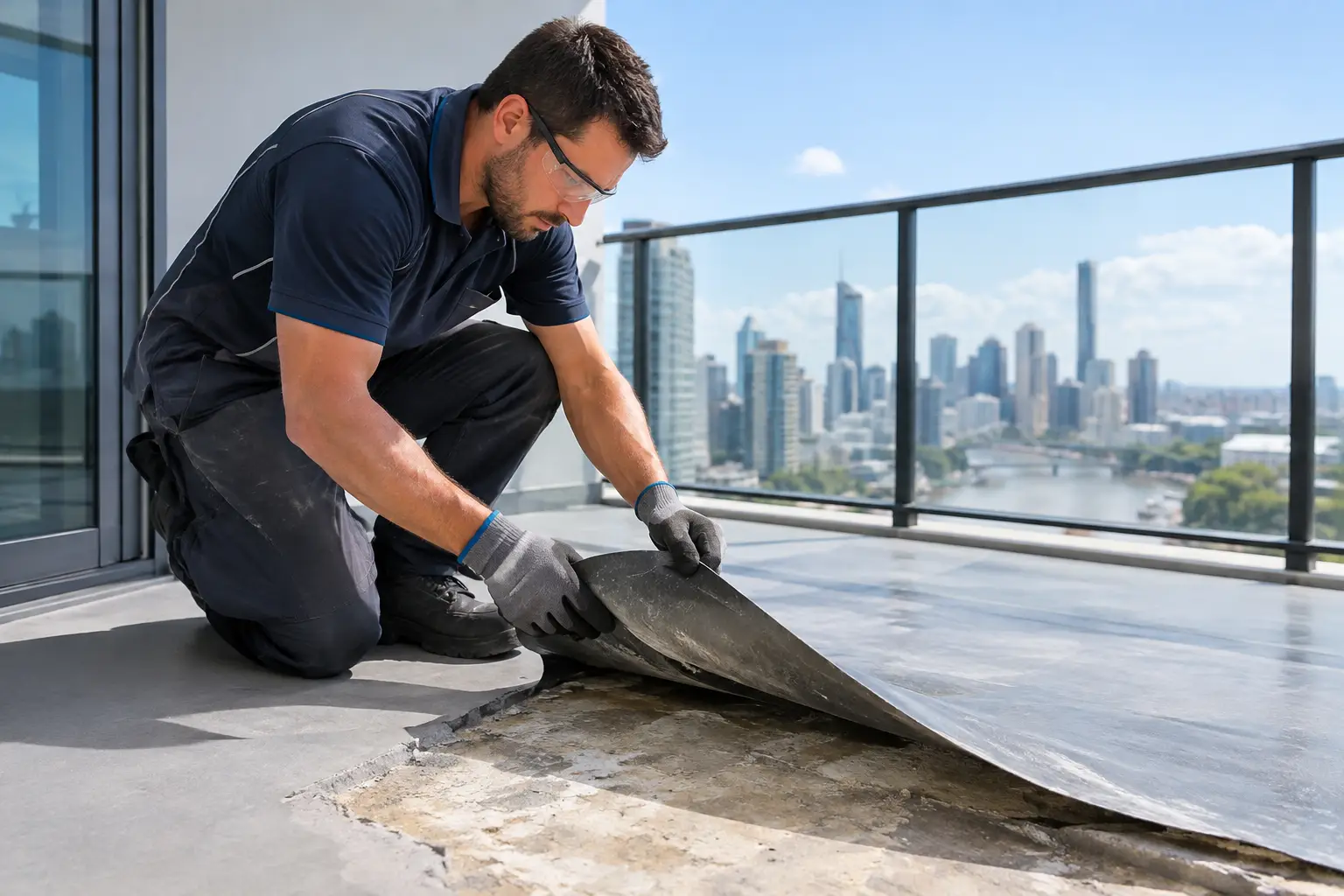
Professional removal makes sense when the coating covers a large area, is thick or unknown, has failed in patches, or needs to be removed before a new floor system is installed. It is also the practical choice where dust control, quick turnaround and minimal disruption matter.
Rapid Stripped handles difficult floor coatings and concrete preparation with the equipment and process needed to leave the site ready for the next trade. For homes, investment properties, commercial spaces and renovation projects across Northern NSW, the Gold Coast, Brisbane and the Sunshine Coast, the focus is straightforward: remove the failed surface properly and prepare the slab for what comes next.
The best time to deal with painted concrete is before new materials arrive on site. Get the slab assessed, choose the removal method that suits the coating, and give the next finish the clean foundation it needs.