

You can lose a full renovation day before the new work even starts if tile removal drags out. That is why one of the first questions clients ask is how long does tile removal take, and the honest answer is this: some jobs are wrapped up in hours, while others need a full day or more depending on what is stuck underneath, how the tiles were laid, and how clean the slab needs to be afterwards.
There is no one-size-fits-all timeframe. A small bathroom floor is very different from a large commercial area with thick bedding, old adhesive, and limited access. The best way to look at it is by job type, substrate condition, and what needs to happen once the tiles are up.
How long does tile removal take on most jobs?
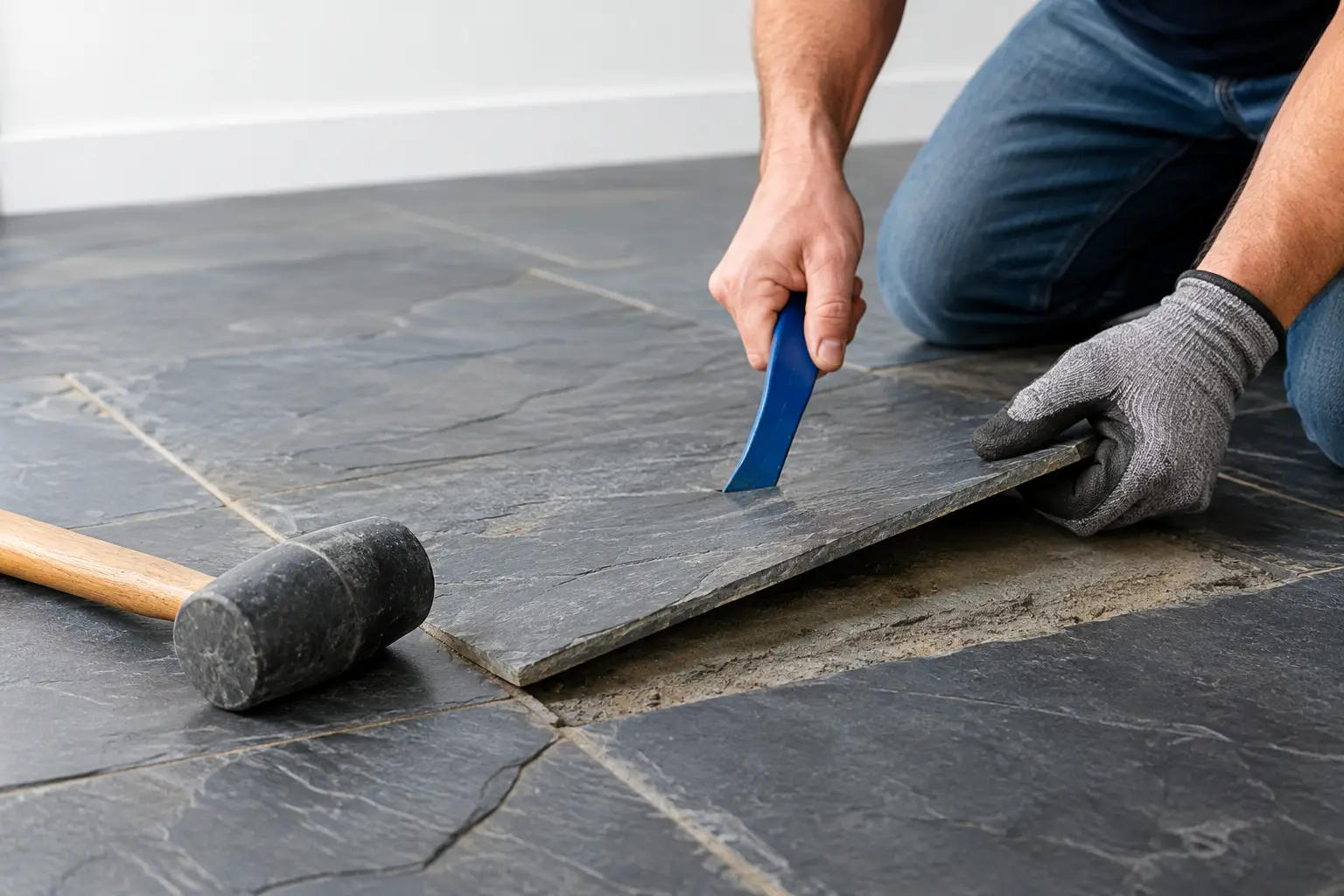
For a straightforward residential job, tile removal is often completed within a day. That is especially true when access is good, the tiled area is not oversized, and the tiles come away cleanly from the surface below. In many cases, the bigger issue is not lifting the tile itself. It is removing the tile bed, adhesive, or residual material left behind so the area is actually ready for the next trade.
A small bathroom or laundry may only take a few hours if the tiles are standard ceramic and the bedding does not fight back. A kitchen, open-plan living area, or full ground floor can still be done in a day with the right equipment and crew, but only if the substrate is cooperative. Once you get into thick mortar beds, stubborn glue, multiple flooring layers, or damaged slabs that need grinding, the timeline extends.
Commercial work follows the same logic, just at a larger scale. Size matters, but so does the finish required at handover. If the site needs to be stripped, cleaned, and left ready for immediate floor preparation or reinstallation, the removal phase includes more than demolition.
What actually affects tile removal time?
The tile itself is only part of the story. What sits beneath it usually decides whether the job moves quickly or turns into a heavier strip-out.
Tile type and installation method
Ceramic wall and floor tiles are often quicker to remove than dense porcelain, natural stone, or older terracotta set hard into a thick bed. Pool tiles, slate, marble, and heavily bonded finishes can take longer again because they are either tougher, more brittle in the wrong way, or fixed over surfaces that need extra care.
Older installations can be unpredictable. Some come up with minimal resistance. Others were laid to last forever and behave like they mean it.
Adhesive, mortar bed, and residue
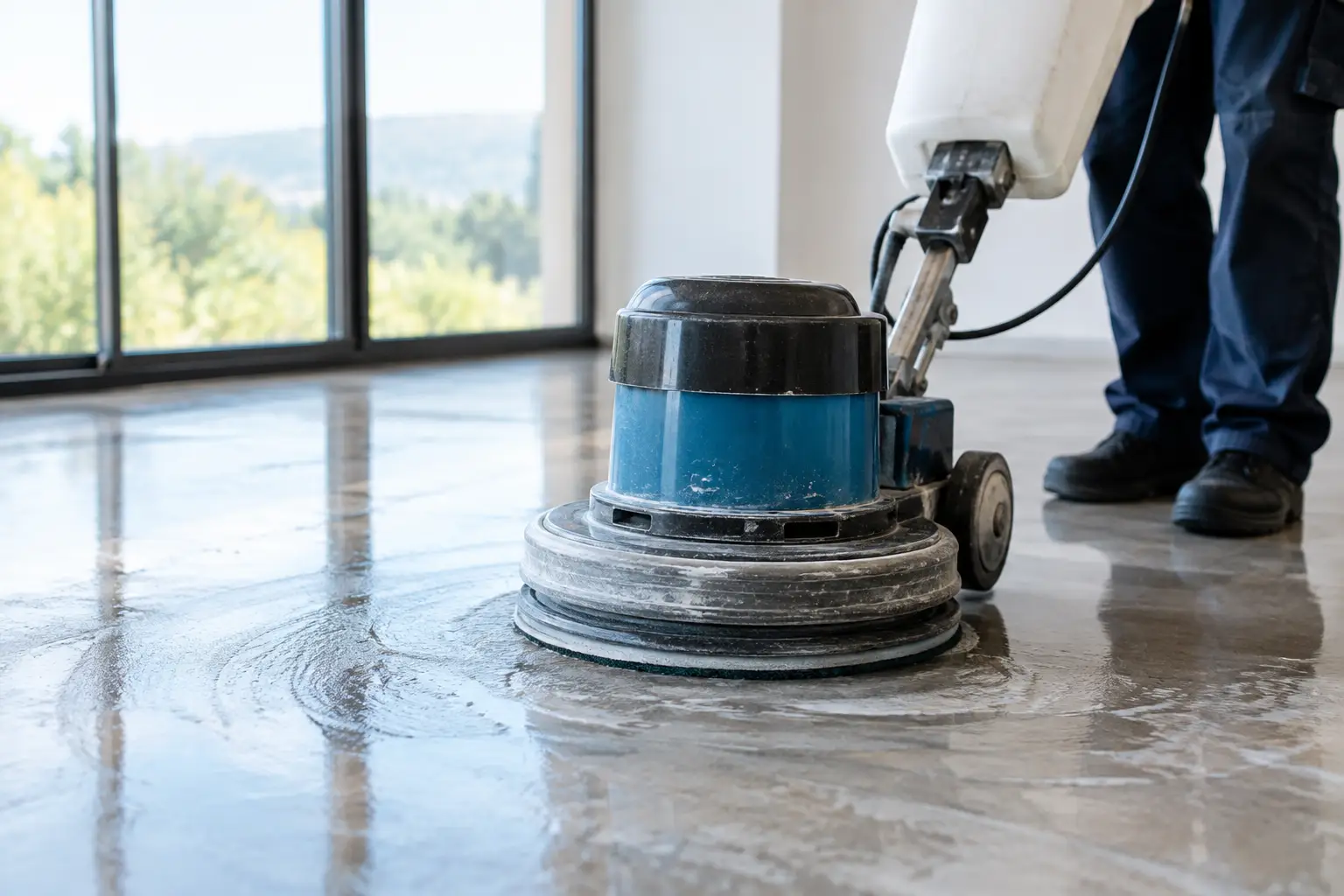
This is where the timing usually blows out. If tiles lift but leave heavy adhesive across the slab, the floor still is not ready for the next stage. The same applies when there is a sand and cement bed that needs mechanical removal. Getting back to a clean, sound surface can take as long as the tile removal itself, and sometimes longer.
If the site needs slab grinding after removal, that becomes part of the real timeline, not an optional extra. For renovators and builders, this matters more than the tile count. The floor has to be ready for what comes next.
Size of the area
A bigger footprint does not always mean a slower job per square metre, especially when machinery can be used efficiently across open spaces. What slows things down is fragmented layouts, tight corners, stairs, cupboards, vanities, island benches, or occupied rooms that need careful staging.
A large open retail tenancy may move faster than a small unit bathroom simply because access is better and the crew can work cleanly and continuously.
Access and site conditions
Easy access saves time. If equipment can get close to the work zone, rubbish can be removed efficiently, and there is room to operate safely, the job flows better. Upper-level units, narrow hallways, lift restrictions, shared buildings, and fully furnished homes all add handling time.
Live environments also change the pace. In an occupied home or business, dust control, noise management, and staged work areas are essential. That is the right way to do the job, but it can affect how quickly the area is stripped.
Condition of the substrate
If the concrete underneath is solid and consistent, removal is more straightforward. If the slab is cracked, uneven, previously patched, or carrying layers of old adhesive and levelling compounds, more care is required. The same applies when removing tiles from screed, fibre cement, or surfaces already weakened by age or moisture.
An experienced removal crew will not just rip through and hope for the best. They will work to remove the covering while preserving what can be preserved and identifying where extra preparation is needed.
Typical timeframes by area
If you are trying to plan trades, skip the wishful thinking and work with realistic windows.
A small bathroom or ensuite can often be stripped in half a day to a day. A laundry or compact kitchen may sit in the same range. Medium residential spaces like a kitchen and dining zone, or several connected rooms, are commonly completed within a day if the substrate is straightforward.
Larger house lots, full-unit strip-outs, or commercial tenancies can still be handled quickly by a specialist team, but the timeframe depends on site access, floor build-up, and whether grinding or detailed surface preparation is included. Some are completed in a day. Others run longer because the removal scope is broader than just lifting tiles.
That is the point many people miss. Tile removal is not finished when the tiles are in the skip. It is finished when the site is stripped properly and ready for the next phase.
How long does tile removal take if you want the floor ready to retile?
This is the question that matters most. If you only ask how long it takes to break up tiles, you are not measuring the full job.
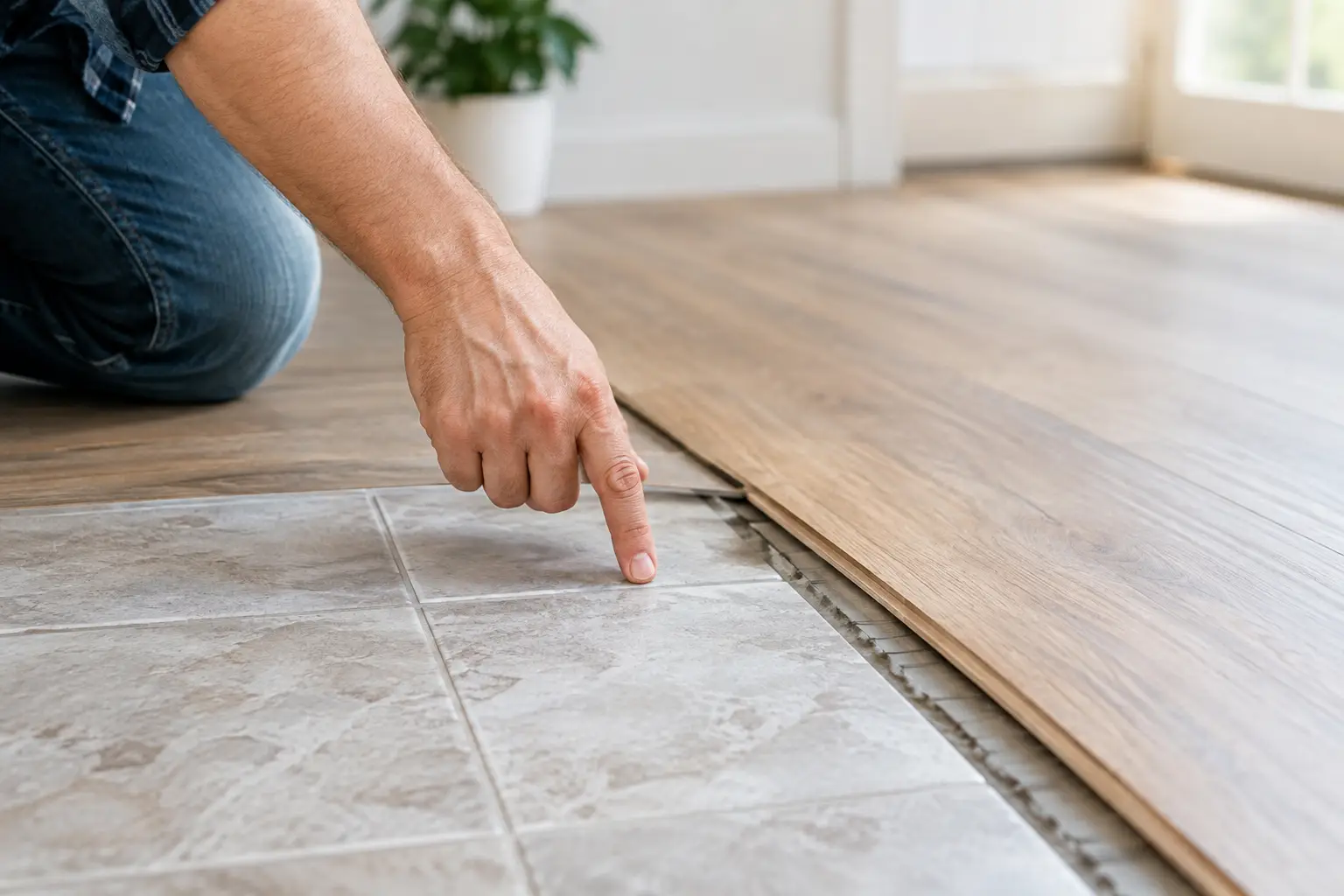
When a floor needs to be ready for waterproofing, screeding, new tile installation, hybrid flooring, carpet, or another finish, the surface preparation stage is critical. Any remaining adhesive, ridges, tile bed, or loose material can hold up the next trade. That is why professional removal often includes scraping, grinding, and cleaning down the substrate so there are no surprises later.
For many jobs, this all happens within the same day. For more difficult removals, especially where old bedding or heavy residue is involved, the readiness standard adds time – but it saves delays later. It is faster to do the removal properly once than to have tilers or builders waiting on rework.
DIY vs specialist tile removal
A lot of people assume they can knock over tile removal in a weekend. Sometimes they can, if the area is small and the finish underneath does not matter. But once you are dealing with bonded tiles, hard-set adhesive, commercial spaces, or renovation deadlines, DIY usually underestimates both time and mess.
The physical tile lift is one thing. Managing dust, controlling debris, removing waste, protecting adjacent surfaces, and preparing the slab to a usable standard is another. That is where specialist equipment and experience make a difference.
A professional crew can usually move faster because they know how to read the floor early. They can tell whether a surface will shear cleanly, whether bedding is going to hold, and when grinding is required. That avoids the stop-start process that blows out DIY timelines.
Signs your tile removal may take longer
Some jobs wave a red flag before tools even hit the floor. Older homes with multiple renovation layers, loose or drummy sections beside fully bonded sections, visible patching, cracked screeds, or signs of moisture can all point to a more involved removal.
So can restricted access, body corporate conditions, after-hours commercial work, or sites where noise and dust need tighter control. None of that means the job cannot be done quickly. It just means the timeframe needs to be based on the real site conditions, not a guess.
If timing is tight, the smartest move is to have the removal scope assessed properly from the start. That gives you a better read on whether the area can be completed same day and left ready for the next trade, or whether additional preparation should be allowed for.
Planning around tile removal without blowing your schedule
If you are booking a tiler, waterproofer, cabinet installer, or shop fit-out crew straight after demolition, leave room for the actual condition of the slab. That does not mean padding the job for no reason. It means understanding that difficult bedding, adhesive residue, or hidden substrate damage can only be confirmed once removal starts.
The good operators plan for this. They turn up with the right equipment, control dust, remove material efficiently, and aim to leave the site clean and job-ready, not half-finished. That is the difference between demolition that creates delays and demolition that keeps a renovation moving.
So, how long does tile removal take? On many jobs, it is done within a day. On tougher sites, the timeline depends on what is under the tile and what standard the floor needs to meet afterwards. If you are working to a schedule, base your planning on complete removal and surface readiness, not just how fast someone can smash tiles up. That is what keeps the next stage on track.