
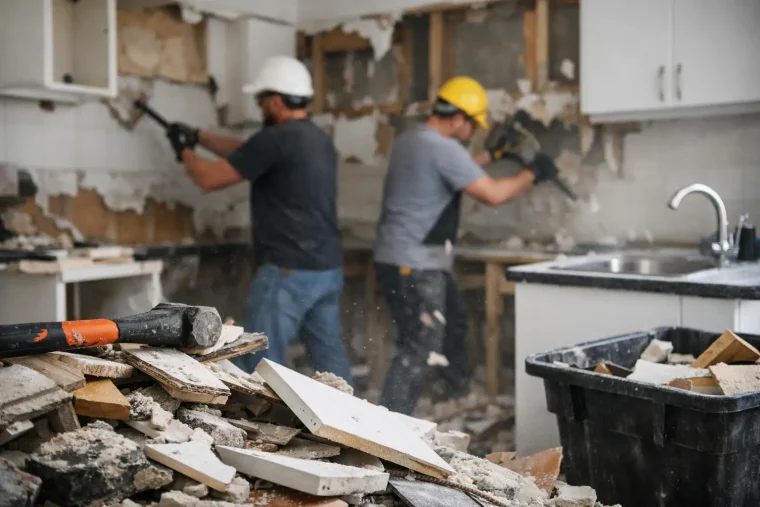
A kitchen reno usually feels exciting right up until the old cabinets start coming off the wall and the mess becomes real. That is the point where kitchen demolition Gold Coast property owners often underestimate what is involved. A fast, clean strip-out is not just about knocking things out. It is about protecting the rest of the home, managing dust, removing materials properly, and leaving the site ready for the next trade.
When demolition is handled properly, the renovation moves faster. When it is rushed or done by the wrong crew, delays start early. Damaged walls, uneven subfloors, hidden moisture, leftover adhesive and poor clean-up all create extra work for cabinet installers, plumbers, sparkies and tilers. That is why the demolition stage matters more than most people think.
What kitchen demolition on the Gold Coast actually includes
A proper kitchen strip-out starts with understanding the scope of the job. In some homes, that means removing cabinetry, benchtops, splashbacks and appliances while preserving the surrounding structure. In others, it also includes tile removal, floor stripping, wall sheeting removal or taking the room back to a bare shell for a complete redesign.
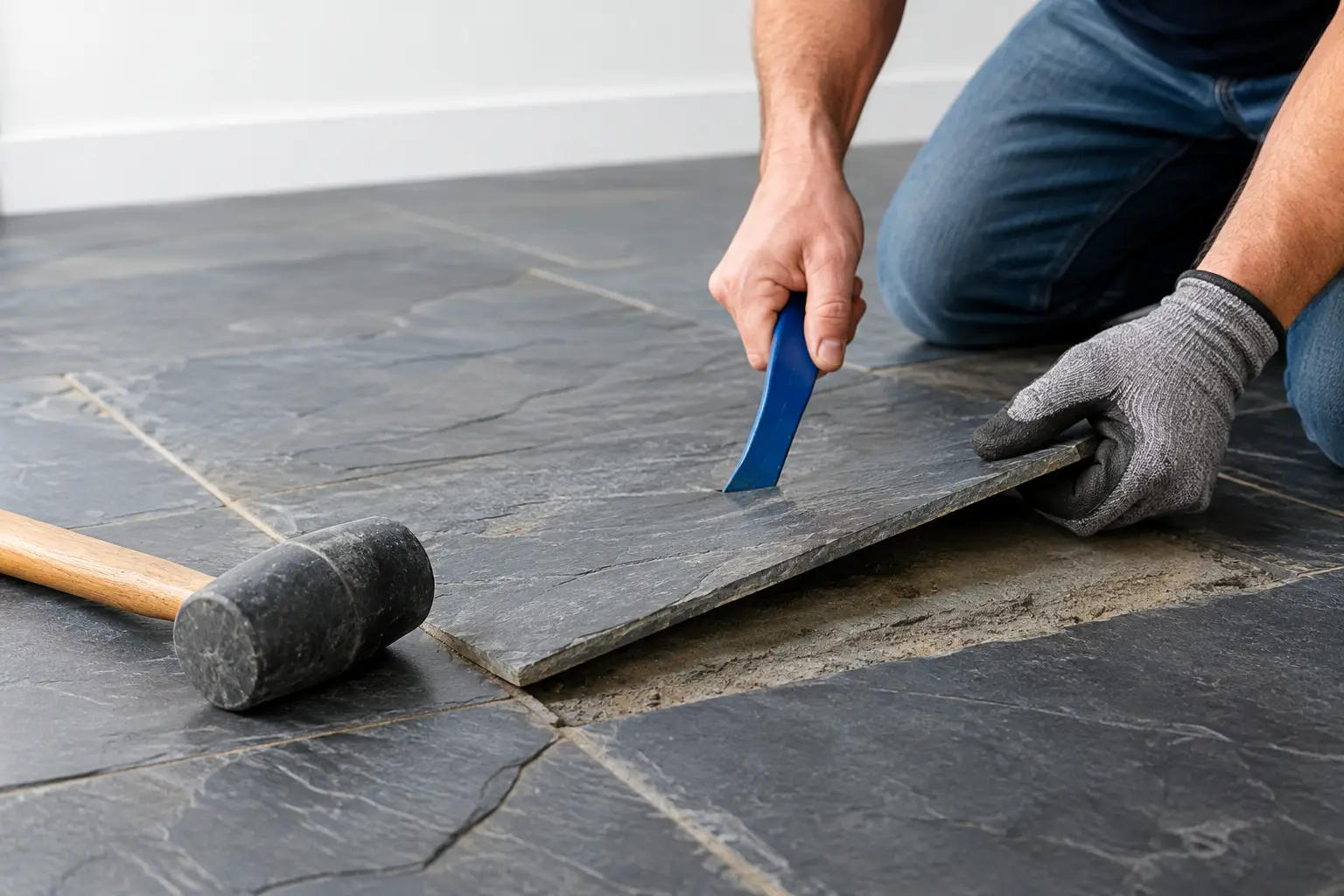
The difference matters. A cosmetic update needs controlled removal so adjoining surfaces are not damaged. A full renovation often calls for more aggressive demolition, especially where old tiles, thick bedding, stubborn adhesive or damaged substrate need to come up. That is where specialist removal experience makes a real difference.
On older properties, kitchens can also hide a few surprises. Water damage under sinks, cracked screeds, multiple floor layers and patched-over surfaces are common. If those issues are not exposed and dealt with early, the next stage of the project can grind to a halt.
Why specialist kitchen demolition matters
Kitchen demolition looks straightforward until you hit bonded tiles that will not lift cleanly or cabinetry fixed hard into uneven masonry. The work is physical, noisy and messy, but the real value is in how it is controlled. Good demolition is precise. It removes what needs to go without creating avoidable damage.
That is especially important in occupied homes, units and commercial spaces where disruption needs to be kept in check. Dust control, rubbish handling, noise management and clean execution are not extras. They are part of doing the job properly.
For renovators and builders, the main goal is simple – hand over a site that is genuinely ready for the next trade. That means surfaces stripped, debris removed, hazards cleared and no half-finished prep work left behind. If the floor still has adhesive smears, tile bedding or uneven sections, the room is not ready.
Kitchen demolition Gold Coast projects need a plan
No two kitchens come apart the same way. A ground-floor brick home gives you different access and removal conditions than a high-rise unit or a tenanted commercial fit-out. On the Gold Coast, that can also mean dealing with tighter body corporate rules, limited parking, lift access, narrow corridors or strict work-hour windows.
That is why planning before tools come out is critical. The sequence of removal affects efficiency and safety. Appliances need to be disconnected correctly. Cabinetry may need to come out before tiled splashbacks. Flooring removal often exposes the real condition of the slab underneath. If slab grinding or adhesive removal is needed, that should be identified early rather than treated as a surprise later.
A planned strip-out also reduces downtime. Most clients do not want a demolition crew dragging a kitchen removal across several days if the work can be done quickly and cleanly. For homeowners, that means less disruption. For builders and project managers, it means less waiting around for a room to be properly prepared.
The hidden issue: floor and substrate condition
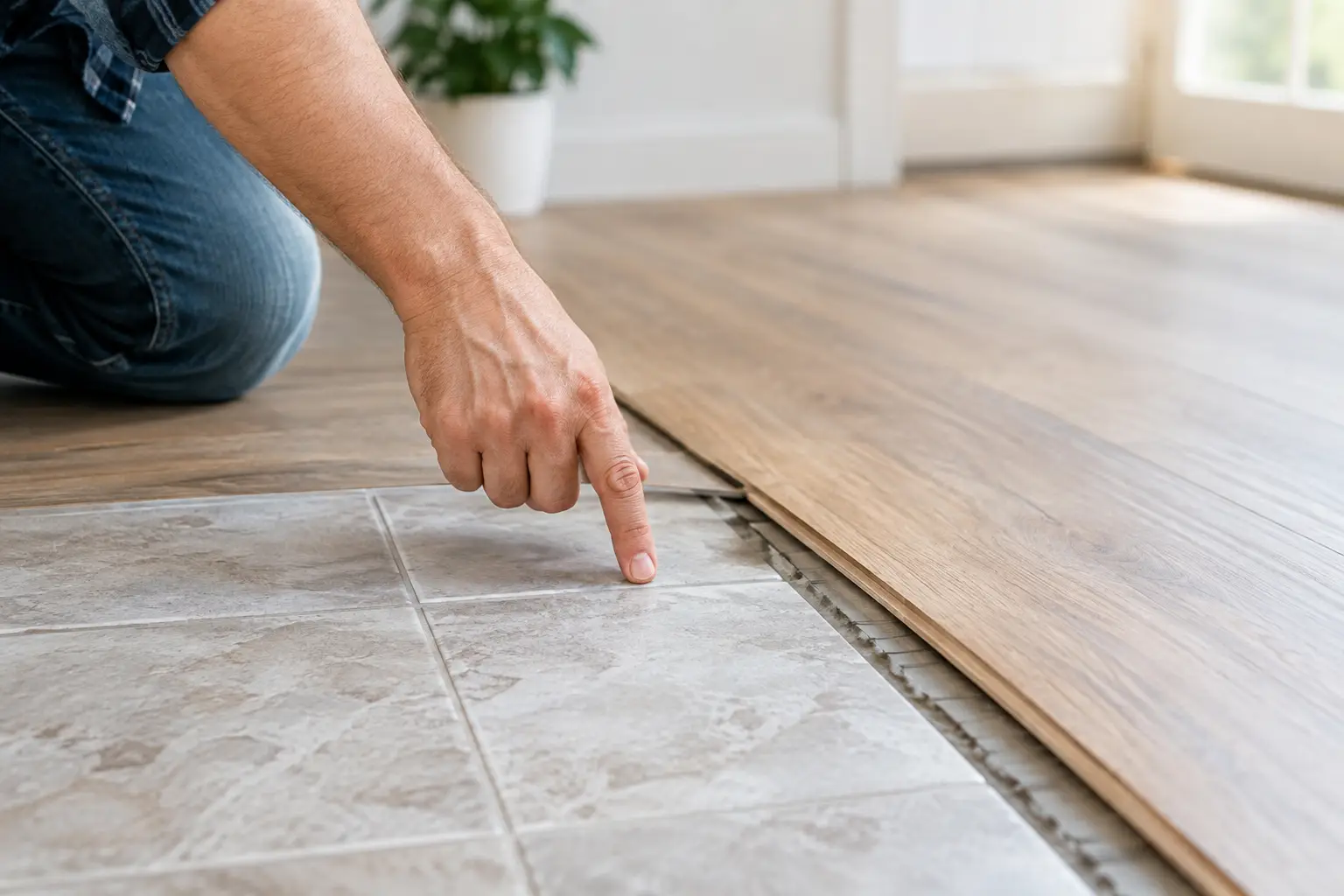
One of the biggest problems in kitchen demolition is what sits under the finished floor. You remove the old tiles, vinyl or floating floor and suddenly the slab is covered in adhesive, patching compounds, levelling remnants or tile bedding that has failed in sections. If the substrate is not brought back to a sound condition, the new install starts on the back foot.
This is where general demolition and specialist surface prep are not the same thing. A crew can pull up the visible materials, but that does not mean the area is fit for reinstallation. Kitchens cop heavy traffic, moisture and movement over time. The new floor needs a properly prepared base if you want a long-lasting result.
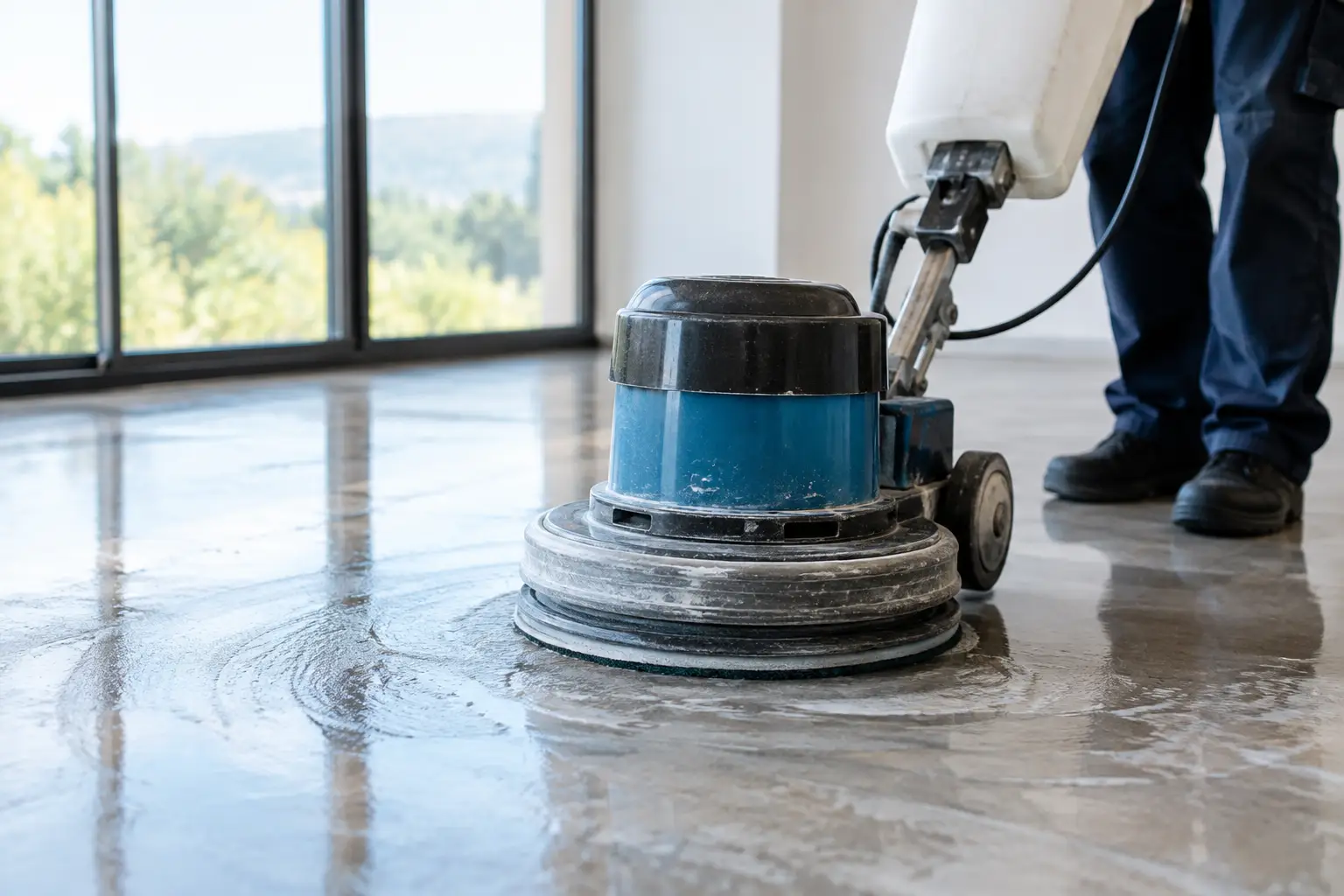
For that reason, kitchen demolition often overlaps with floor stripping, grinding and detailed surface preparation. It depends on the age of the property, the previous installation method and what product is going back down. If the renovation calls for tiles, hybrid flooring, vinyl planks or polished concrete, the prep standard will differ.
Clean demolition saves time later
A messy strip-out creates flow-on problems. It slows down trades, increases clean-up time and makes defect risk higher. Dust pushed through adjacent rooms, damaged skirting, chipped wall edges and debris left behind all add cost in labour and frustration, even if nobody planned for it at the start.
Clean demolition is about discipline. Protection should be in place where needed. Waste should be removed progressively, not piled up until the end. Dust control needs to be taken seriously, especially in lived-in homes and enclosed spaces. It is also about finishing strong – the room should not just look demolished, it should look organised and ready.
That standard matters in family homes, investment properties and commercial sites alike. If you are coordinating multiple trades, every hour saved at handover counts. The cleaner the site, the easier it is for the next stage to begin without rework.
What to check before your kitchen strip-out starts
If you are booking a demolition team, clarity upfront makes the whole job smoother. Make sure the scope is understood properly. Are you removing only cabinets and benchtops, or flooring as well? Are splashbacks, wall linings or bulkheads included? Is the goal a partial renovation or a full back-to-shell strip-out?
It also helps to confirm site conditions before the day. Access, parking, stairways, lift use and working hours can all affect how the job runs. In occupied properties, you should also know how adjacent areas will be protected and how dust and rubbish will be managed.
Just as important is the end result you expect. A lot of people ask for demolition when what they really need is demolition plus proper surface preparation. If the room has to be ready for cabinetry, tiling or new flooring immediately after removal, say that from the start. It changes the scope and makes the handover far more useful.
Residential and commercial kitchens have different pressures
In a home, the main concerns are usually speed, cleanliness and protecting the rest of the property. Families want the old kitchen gone without the whole house feeling like a worksite for days. Investors want a quick turnaround so the renovation stays on schedule. Builders want a reliable strip-out that does not create headaches.
Commercial kitchens and hospitality spaces bring different demands. The site may have stricter access requirements, tighter deadlines and more durable materials to remove. Floors can be heavier-duty, fixtures more extensive and downtime far less forgiving. In those environments, demolition needs to be efficient, safe and tightly coordinated.
That is why specialist crews are often the better fit than general labour. The job gets done faster, but more importantly, it gets done with the right equipment, the right removal methods and a sharper eye for what happens next.
Choosing the right team for kitchen demolition Gold Coast jobs
If you are comparing contractors, look past basic removal claims. What matters is whether the team can handle difficult materials, keep the site under control and leave the area truly ready for renovation. Speed matters, but not at the expense of detail.
A capable crew should understand demolition and substrate preparation together, because the two often go hand in hand. They should be able to deal with old tile beds, stubborn adhesives, damaged underlayments and other issues that commonly show up once the kitchen comes apart. They should also work in a way that respects the timeline of the trades coming after them.
That is the standard specialist operators aim for. Companies such as Rapid Stripped are built around that kind of work – fast removal, controlled execution and a site prepared properly for what comes next.
A kitchen strip-out is the first real test of any renovation. Get that stage right, and the rest of the project has room to move.