
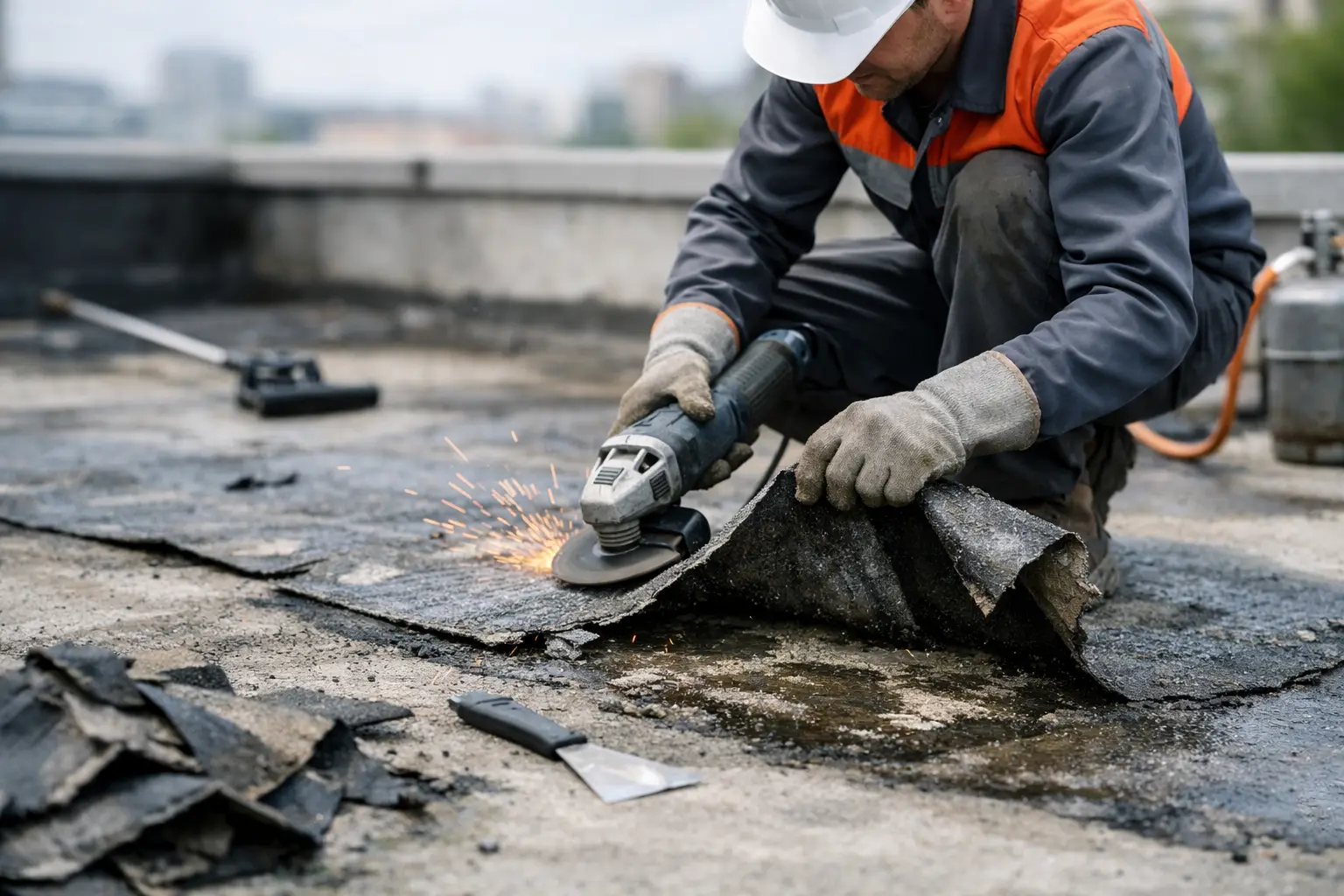
Waterproofing Membrane Removal needs the right method, tools and prep. Learn what affects the job, common risks and how pros get surfaces ready.
If waterproofing membrane removal is done badly, the next stage of your renovation starts on the back foot. New tiles, screeds, adhesives and waterproofing systems all depend on a clean, sound substrate. Leave old membrane behind, gouge the slab, or miss hidden bond breakers, and you can end up chasing failures later.
This is one of those jobs that looks simple until the tools hit the floor. Some membranes peel. Others cling like they were poured into the concrete. In bathrooms, laundries, balconies and wet areas, removal often means dealing with a mix of membrane, tile glue, bedding, screed and damaged substrate all at once. That is why the method matters.
Why waterproofing membrane removal is rarely straightforward
Not all membranes come up the same way. Sheet membranes, liquid-applied systems and older bitumen-based products each behave differently under mechanical removal. Age also changes the job. A brittle membrane can fracture and flake off in parts, while a flexible membrane may smear, stretch or clog tooling.
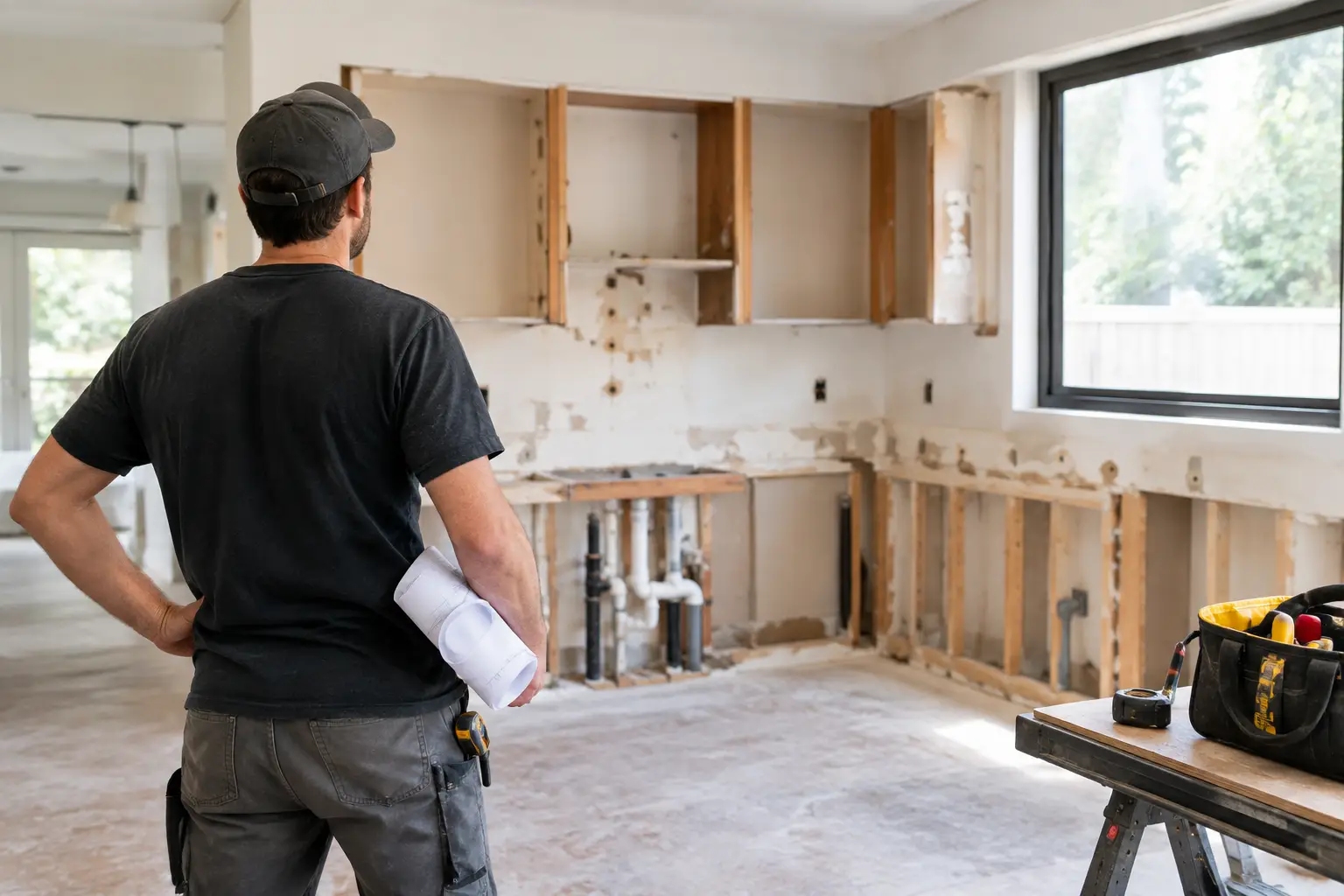
The condition underneath matters just as much. If the substrate is already weak, contaminated or uneven, aggressive removal can do more harm than good. A professional approach is not just about stripping material fast. It is about removing what has to go while preserving the surface that needs to stay.
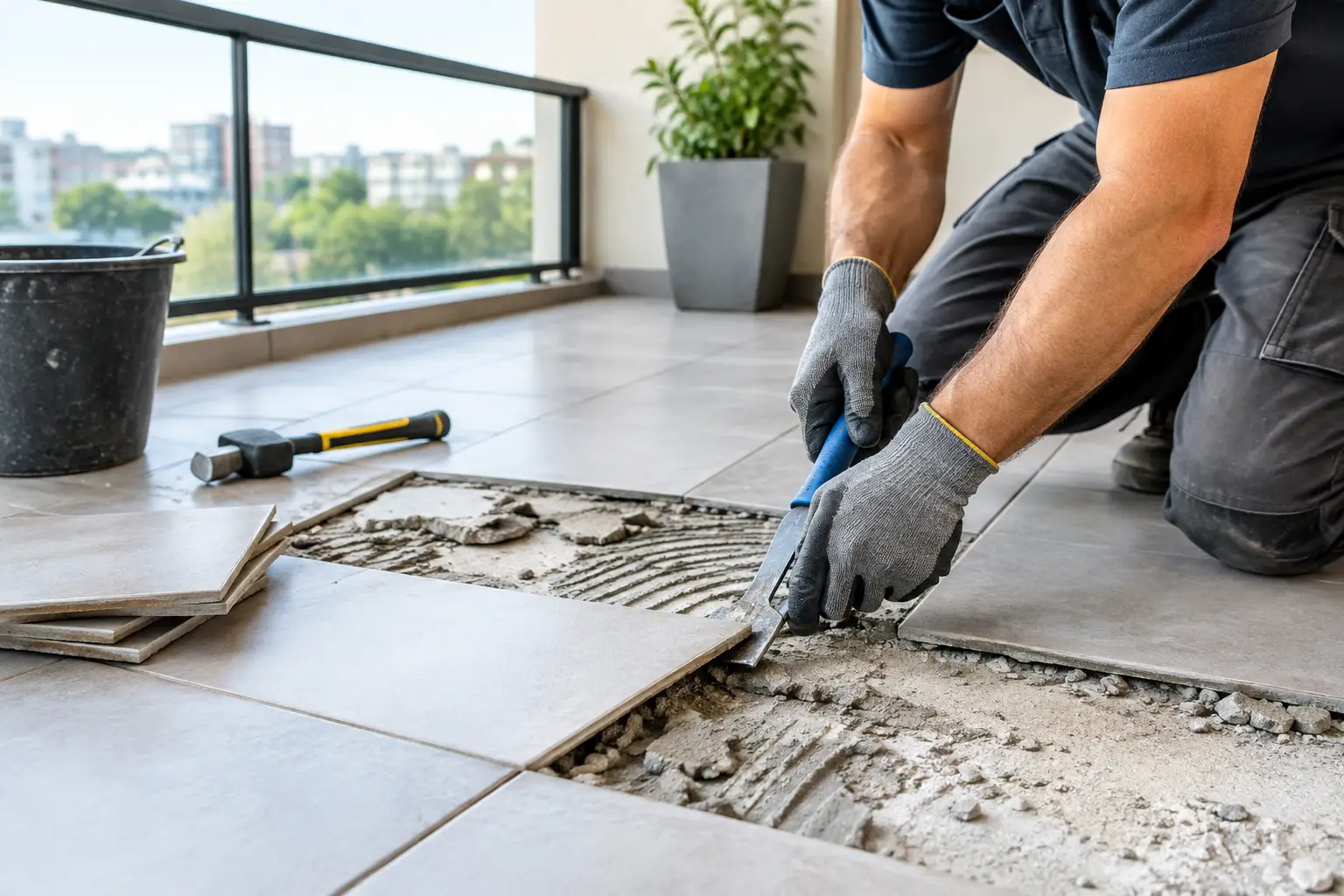
In renovation work, the real challenge is often the layers above and below the membrane. Tiles may be sitting over thick adhesive beds. Screed may be drummy or cracked. There may be residue around corners, floor wastes, wall junctions and penetrations where hand-detailing becomes necessary. These are the areas that slow down inexperienced operators and create problems for the next trade.
What affects the removal method
The right removal process depends on the membrane type, how well it is bonded, and what the site needs afterwards. If the goal is a complete strip-out back to concrete, the process may involve a combination of tile lifting, bedding removal, membrane stripping and slab grinding. If the substrate is being retained for immediate re-waterproofing, the finish quality becomes even more important.
Mechanical removal is usually the most reliable approach on stubborn membranes. That can include floor scrapers, grinders and surface preparation equipment matched to the material and the slab. In tighter wet areas, detail tools are often needed around edges and penetrations. Chemical softening can sometimes help, but it is not the default answer and can create its own clean-up issues if the surface must be ready for a new system.
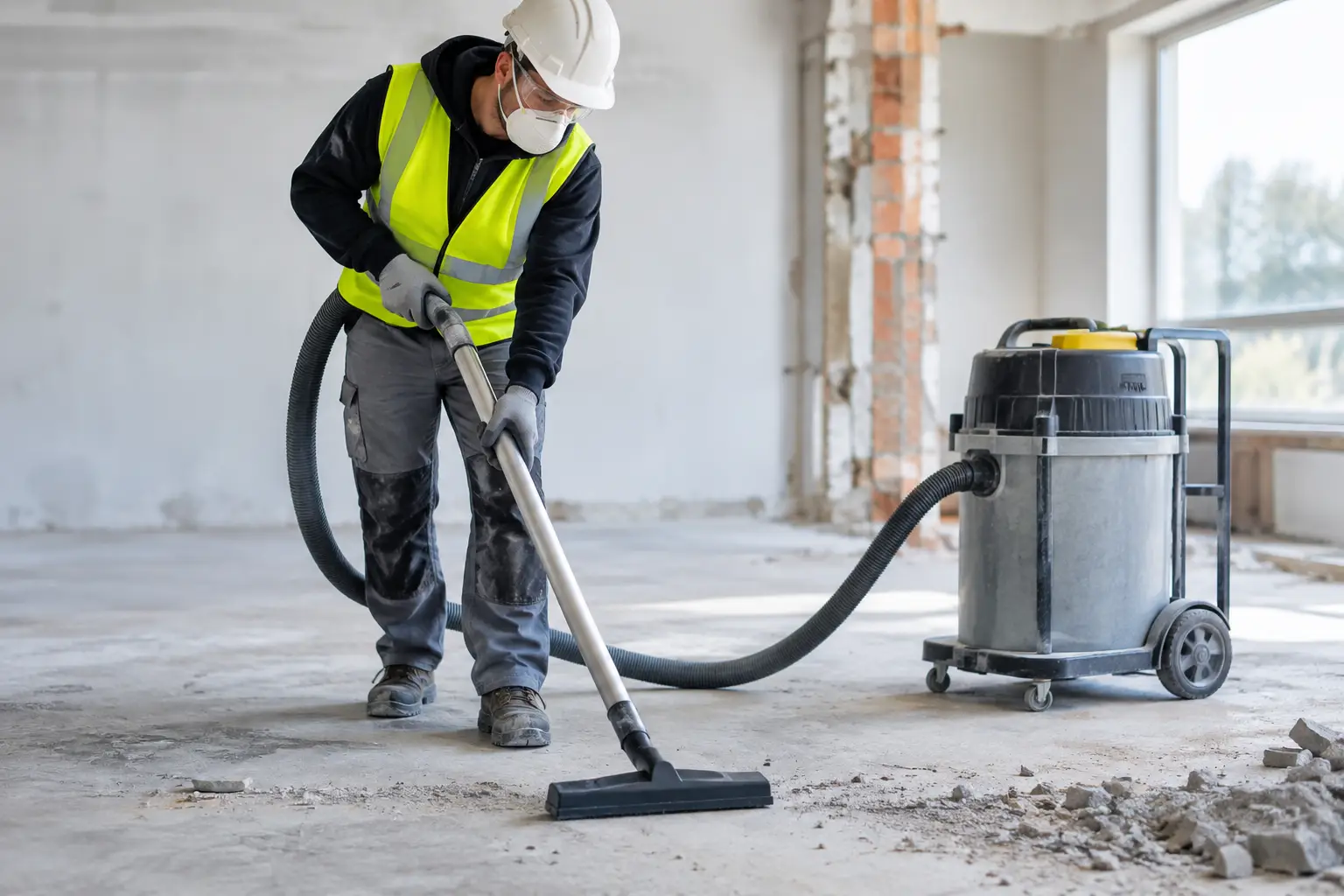
Dust control also matters. Membrane removal and substrate prep can create a messy site quickly, especially when old adhesives and cementitious materials are involved. Proper extraction and controlled removal keep disruption down and make it easier to inspect the slab properly once the membrane is gone.
Common problems after poor membrane removal
The biggest issue is incomplete removal. A floor might look clean at a glance, but small patches of residual membrane can interfere with new adhesives or waterproofing products. That is where failures start – poor bond, inconsistent curing, trapped moisture or uneven finishes.
Surface damage is the next problem. If the slab is gouged or over-ground, it may need repair before any new installation can begin. That adds time to the project and can affect levels, falls and final floor heights. In wet areas, preserving falls to waste is especially important. You do not want to remove the membrane only to create more rectification work.
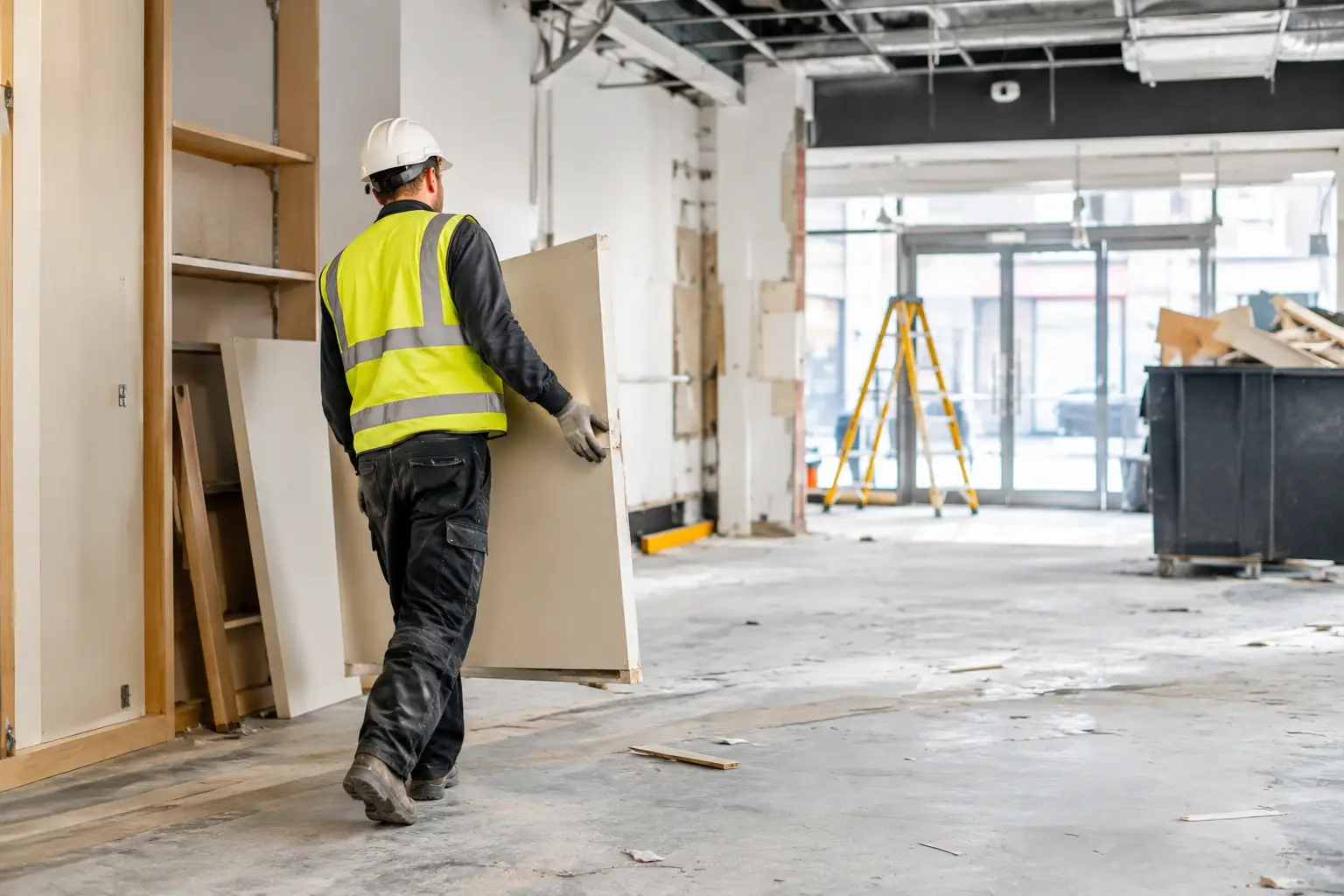
Then there is sequencing. If demolition, removal and prep are not handled properly, other trades are delayed. Tilers, waterproofers and builders need a surface that is clean, stable and ready. They do not need to arrive and find remnants of membrane, loose bedding or hidden defects that should have been picked up earlier.
When professional removal makes the difference
This is specialist work, particularly in bathrooms, balconies and commercial wet areas where the substrate has to be assessed as much as it has to be stripped. A proper operator knows when a membrane can be lifted cleanly, when grinding is needed, and when the floor underneath is telling you there is a bigger issue to address.
That experience matters on jobs where time is tight. Homeowners want the renovation moving. Builders want the next trade on site without delay. Property managers and commercial operators want minimum downtime and a clean, controlled process. In those situations, speed only helps if the job is done properly the first time.
Rapid Stripped approaches these jobs with the same focus as any other difficult removal – get in, remove the failed material thoroughly, control the mess, and leave the site ready for what comes next. That is the difference between demolition that creates extra work and removal that actually moves the project forward.
What a ready-for-renovation surface should look like
After waterproofing membrane removal, the floor should be free of loose material, major residue and contaminants that affect bond. It should also be checked for damage, cracks, weak spots and level issues that may need attention before reinstallation. A clean-looking floor is not enough. It needs to be genuinely suitable for the next system.
For wet area renovations, that usually means a substrate prepared for new waterproofing or further remedial work. For larger strip-outs, it may mean the slab is ground and cleared so the builder or installer can take over without delay. The best result is not just removal. It is a site that is properly prepared, predictable and ready to work on.
If you are dealing with old membrane that is lifting, failing, or holding up the next stage of your job, the smartest move is to treat it as a surface preparation task, not just a demolition job. That is how you avoid rework and keep the renovation moving.