
Concrete floor grinding removes coatings, smooths slabs and prepares surfaces fast. Learn what matters, when it’s needed and what to expect.
Bad substrate preparation ruins good renovations. New flooring fails, coatings lift, and uneven slabs create headaches for every trade that follows. That is why concrete floor grinding matters. Done properly, it removes contamination, levels out problem areas, and leaves the slab ready for the next stage without wasting time on patch-up work later.
Concrete grinding is not just about making a floor look cleaner. It is a surface preparation process that changes how the slab performs. If you are dealing with tile glue, paint, epoxy residue, old levelling compounds, rough patches, or high spots, grinding creates a sound base that installers and builders can work with.
What concrete floor grinding actually does
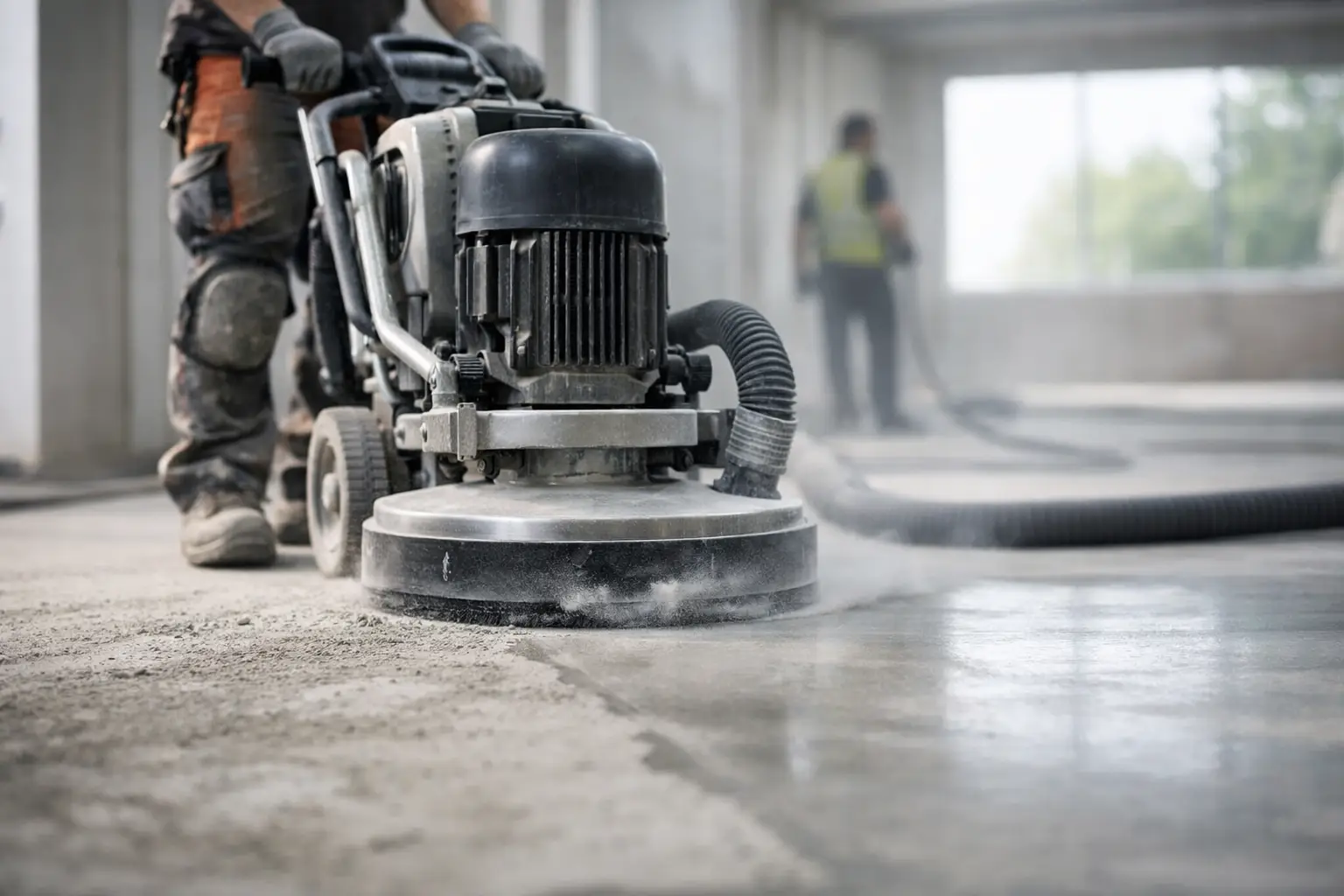
At its core, concrete floor grinding uses specialist machinery with diamond tooling to cut back the surface of a slab. How aggressive that cut needs to be depends on the condition of the floor and what needs to come off. A light grind may remove minor surface contamination and open the concrete for a new coating. A heavier grind may be needed to strip stubborn adhesives, smooth out uneven bedding residue, or take down ridges left after floor removal.
This is where experience matters. Grind too lightly and the contamination stays in the slab. Grind too aggressively and you can expose aggregate or create a finish that does not suit the next application. The right approach depends on the floor covering being installed next, the slab condition, and the level of finish required.
When concrete floor grinding is needed
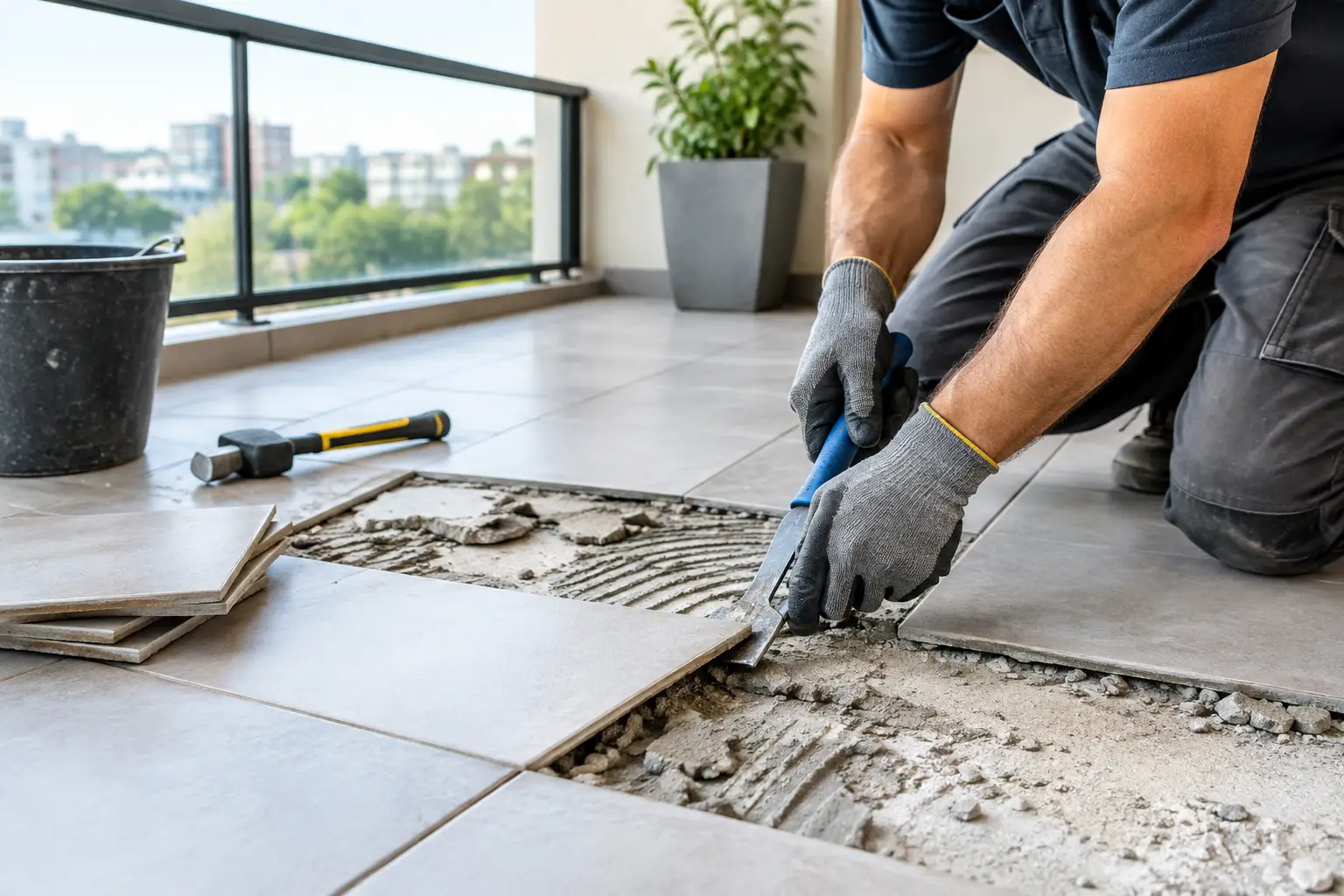
Most people call for grinding after another material has been removed. Tiles, vinyl, timber, carpet underlay, cork, epoxy and old coatings often leave behind residue that is not suitable for direct installation. Even if the slab looks acceptable at first glance, hidden glue lines, brittle patching, paint overspray or minor lippage can cause problems later.
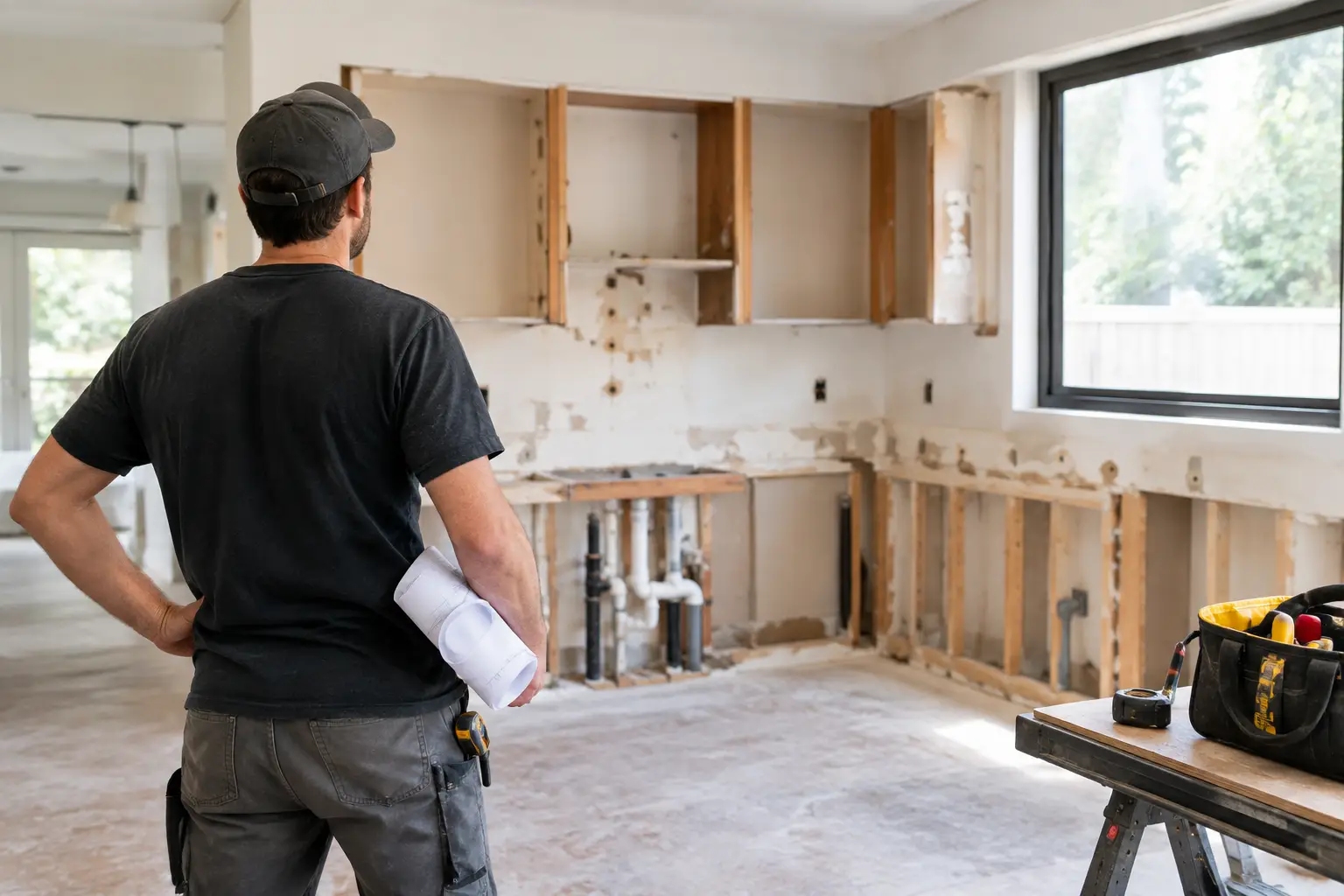
Grinding is also common before polishing, sealing, epoxy coating, or laying new floor coverings. In renovation work, it often becomes the step that gets the site back under control. Instead of handing the next trade a slab full of old adhesive, drummy patches and trip hazards, the floor is properly prepared and ready to go.
For builders and property managers, this matters because delays often start at the substrate. If the slab is not right, every trade after that is either waiting or working around defects.
What affects the result
Not all slabs grind the same. Older concrete can be inconsistent, with soft sections, hard sections, cracks, previous repairs or moisture-related issues. Adhesives also vary widely. Some scrape off cleanly. Others bond hard into the surface and need a more aggressive pass to remove them properly.
Machine choice, diamond selection and dust control all affect the result. Large planetary grinders suit open commercial areas, while edge grinders and hand tools are often needed around walls, corners, bathrooms and tight access spaces. A proper operator adjusts the method to the site rather than trying to force one process onto every job.
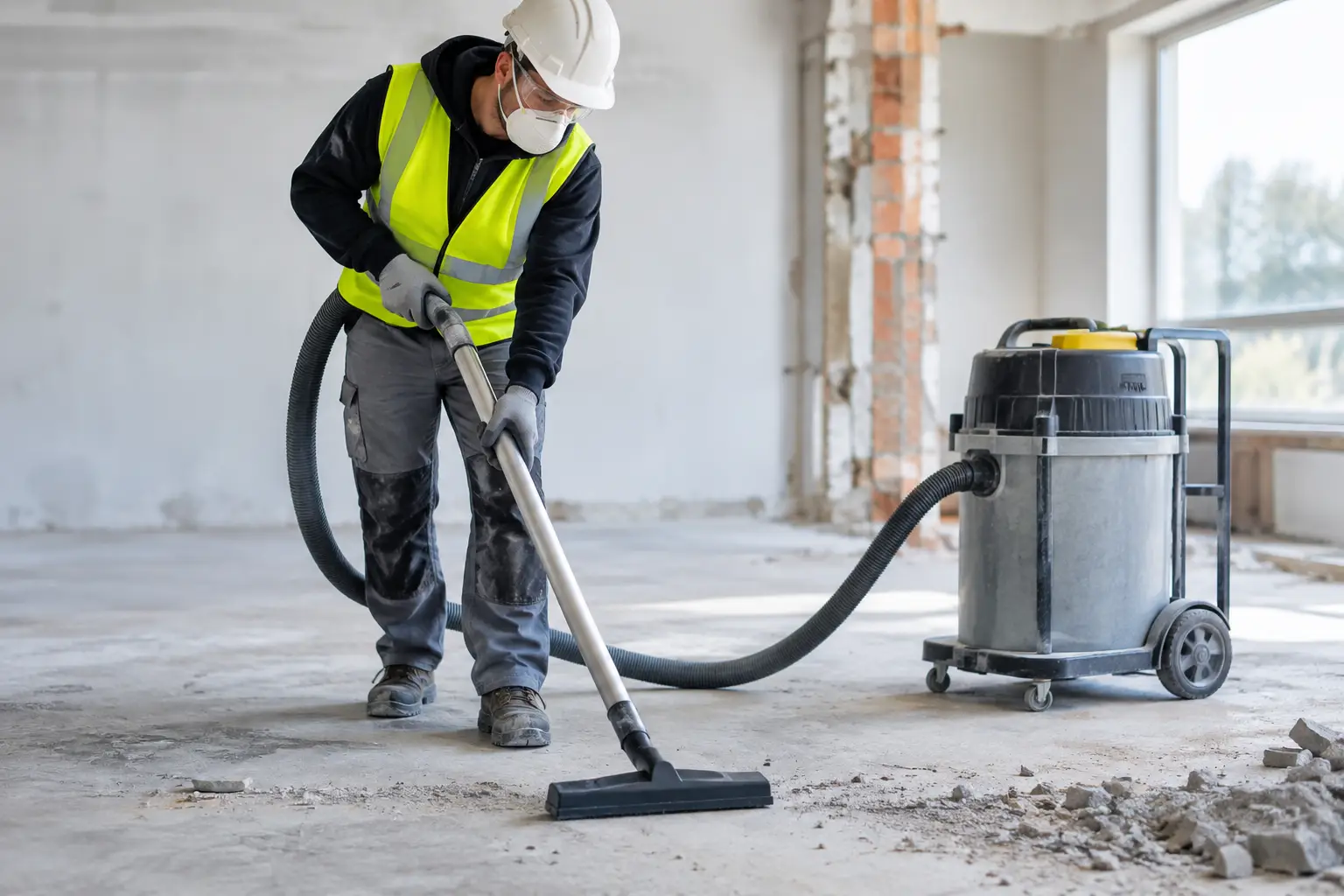
Dust management is a big part of that. Grinding concrete without effective dust extraction creates a mess and introduces avoidable risk. On occupied sites, retail tenancies, offices and homes under renovation, clean execution is not a nice extra. It is part of doing the job properly.
Concrete floor grinding before new flooring
If your end goal is new flooring, the slab needs to match the product going on top. Vinyl, hybrid planks, timber and large-format tiles all have different tolerances. Some materials will telegraph every bump, scrape mark or glue ridge underneath them. Others need a porous, contamination-free surface for primers and adhesives to bond correctly.
That is why a quick scrape and sweep is rarely enough. Concrete floor grinding helps create a consistent substrate, which reduces the risk of bond failure, visible imperfections and rework after installation. It also helps identify slab issues early, before they get buried under a new finish and turn into a bigger problem.
Why speed matters, but method matters more
Most clients want the floor ready as fast as possible, and fair enough. Renovation schedules move quickly, and no one wants avoidable downtime. But speed only works when the process is controlled. Rushing through a slab without removing residue properly or checking flatness just shifts the problem to the next stage.
A specialist crew should be able to move quickly while still protecting the quality of the substrate. That means turning up with the right equipment, understanding what has already been removed, and knowing what finish the next trade needs. On many jobs, that can mean same-day progress without cutting corners.
For homeowners, that means less disruption and a site that is actually ready for installers. For builders and commercial clients, it means fewer hold-ups and less back-and-forth between trades.
Choosing the right team for slab grinding
Concrete grinding sits at the point where demolition, removal and preparation overlap. That is why it pays to use a team that understands the full sequence, not just the machine. If old floor coverings have been removed badly, the grinding stage becomes harder. If the slab is not ground correctly, the next installation suffers.
A specialist operator will assess the existing floor, identify likely problem areas, and grind to the standard the site needs – not just to make it look passable. That practical approach is what keeps renovation work moving.
Rapid Stripped handles this kind of preparation work every day across residential and commercial sites, with a focus on fast turnaround, controlled dust and slabs that are properly ready for what comes next. If the floor is holding up your renovation, the fix usually starts at the surface.