
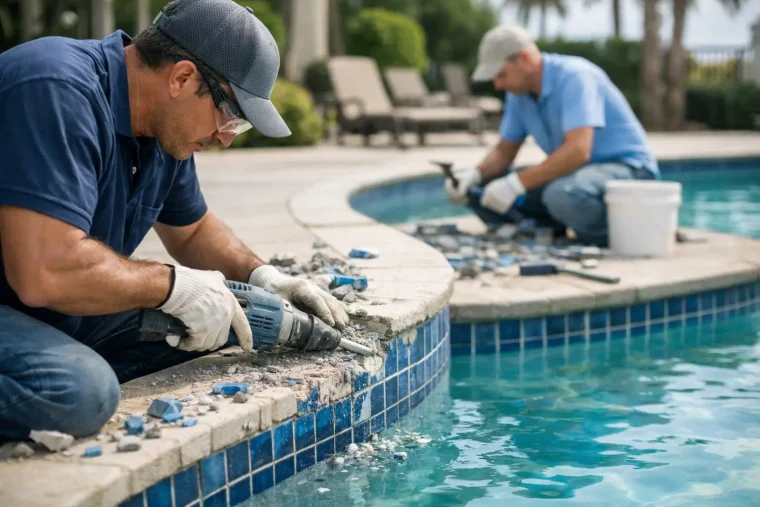
If your pool tiles are lifting, drummy underfoot or simply well past their best, the removal stage is where the renovation can either stay on track or turn into a mess. Pool tile removal specialists deal with one of the toughest forms of strip-out work – bonded finishes, wet-area substrates, awkward access and the need to leave the area clean and ready for what comes next.
A lot of people assume tile removal is just demolition with a jackhammer. Around a pool, that thinking causes damage fast. Coping edges can chip, surrounding surfaces can be marked, and old tile bedding can stay stuck hard to the substrate, adding delays before any new finish can go down. Good removal is not about smashing through the job. It is about controlled removal, correct tooling and preparing the surface properly the first time.
What pool tile removal specialists actually do
Pool tile removal specialists are not there just to break tiles loose. The real job is to remove the tile system, manage adhesive or bedding residue, protect adjoining surfaces and leave the substrate in a condition suitable for the next trade. That sounds straightforward until you are dealing with moisture exposure, ageing materials and surfaces that may already be cracked, patched or uneven.
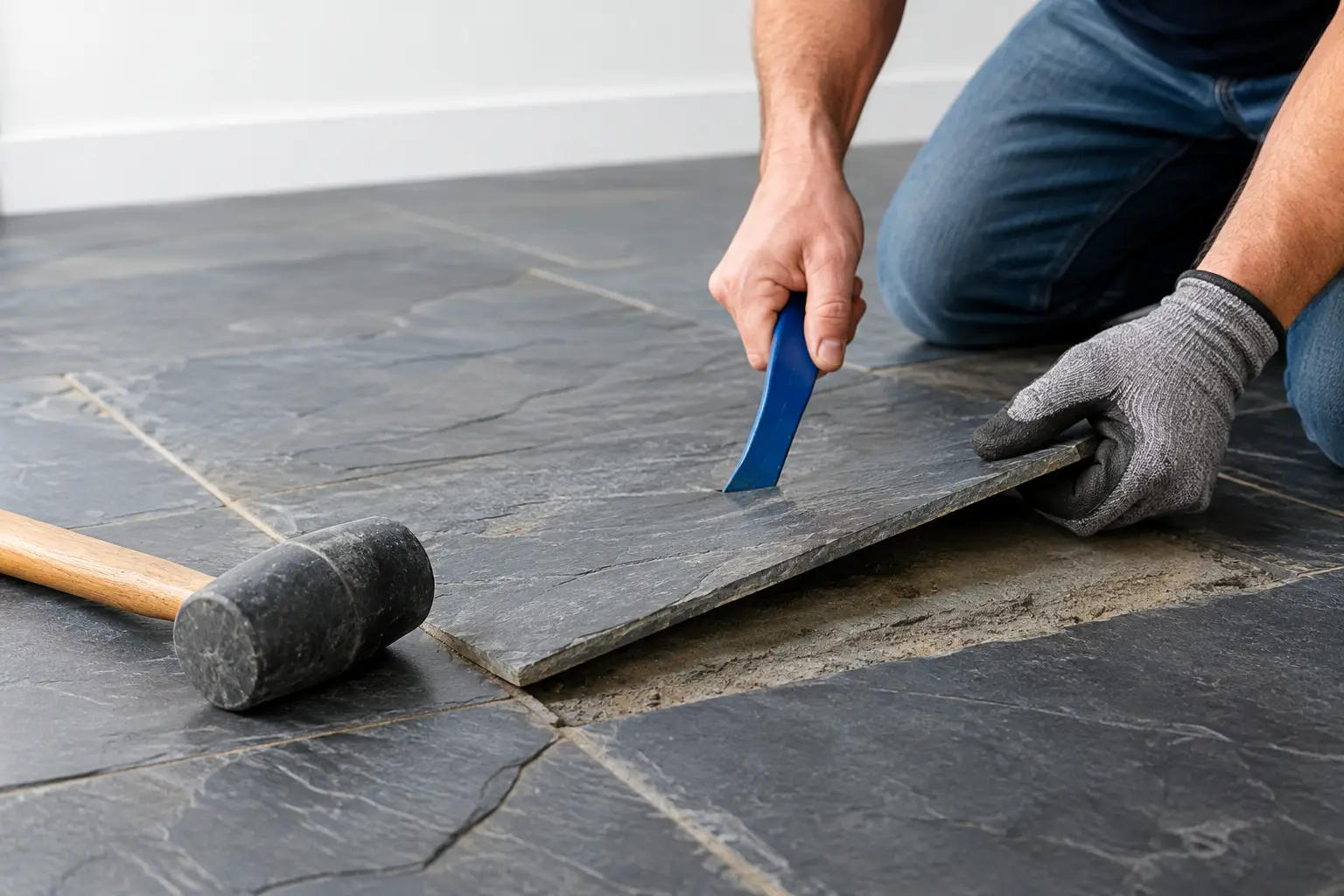
In many pool renovations, the tile itself is only part of the problem. The adhesive underneath can be just as stubborn. Some older installations are bonded so aggressively that the bedding comes up in fragments, not clean sheets. Others have weak spots where tiles release easily, but the remaining material is inconsistent across the area. That means the removal approach has to change as the job progresses.
This is where specialist experience matters. A trained team knows when to use impact removal, when to shift to grinding, and when a slower, more controlled method will prevent unnecessary repairs. Speed matters, but so does judgement.
Why pool tile removal is different from standard floor tile removal
A pool area is not the same as a laundry, kitchen or internal living space. Exposure to water, chemicals, heat and weather changes how the tile system ages. Outdoor conditions also affect the substrate. Concrete around pools can hold moisture, develop surface weakness or show signs of previous repair work that are not obvious until removal starts.
There is also the issue of location. Pool surrounds often sit close to glass fencing, rendered walls, landscaped edges and drainage points. Access can be tight. Noise, dust and debris control become more important when the work is happening in an occupied home, a strata complex or a commercial setting that still needs to function around the job.
That is why the best result usually comes from a crew that treats pool tile removal as specialist preparation work, not just demolition. The goal is not only to get the old finish out. The goal is to leave a renovation-ready surface without creating extra problems.
Pool tile removal specialists and substrate preparation
Removal is only half the task. The surface left behind matters just as much.
If adhesive ridges, tile bed remnants or high spots remain, the next installer inherits the problem. New finishes rely on a sound, even substrate. If the slab is not properly prepared, the replacement tiles or coating can fail early, sit unevenly or require additional correction work before installation even starts.
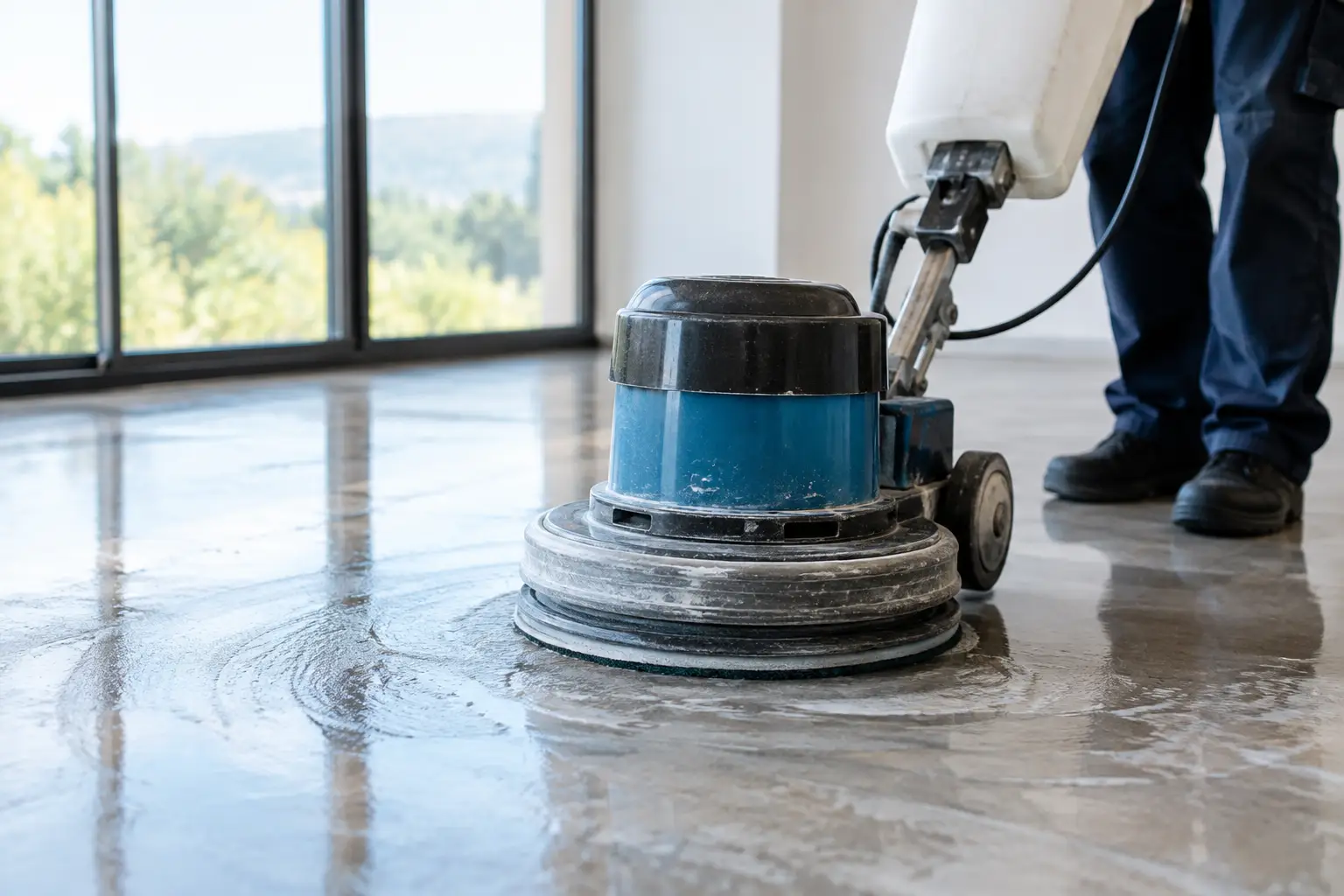
This is where slab grinding and detailed clean-up become critical. A specialist team will assess whether the substrate needs minor smoothing, heavy grinding or more involved preparation to remove bonded residue. There is no single rule for every pool area because the previous installation method, tile type and age of the surface all change the scope.
Sometimes the quickest-looking removal method creates the slowest outcome because it leaves too much behind. A more disciplined approach on day one often saves time for everyone after that.
Signs you need a specialist, not a general demo crew
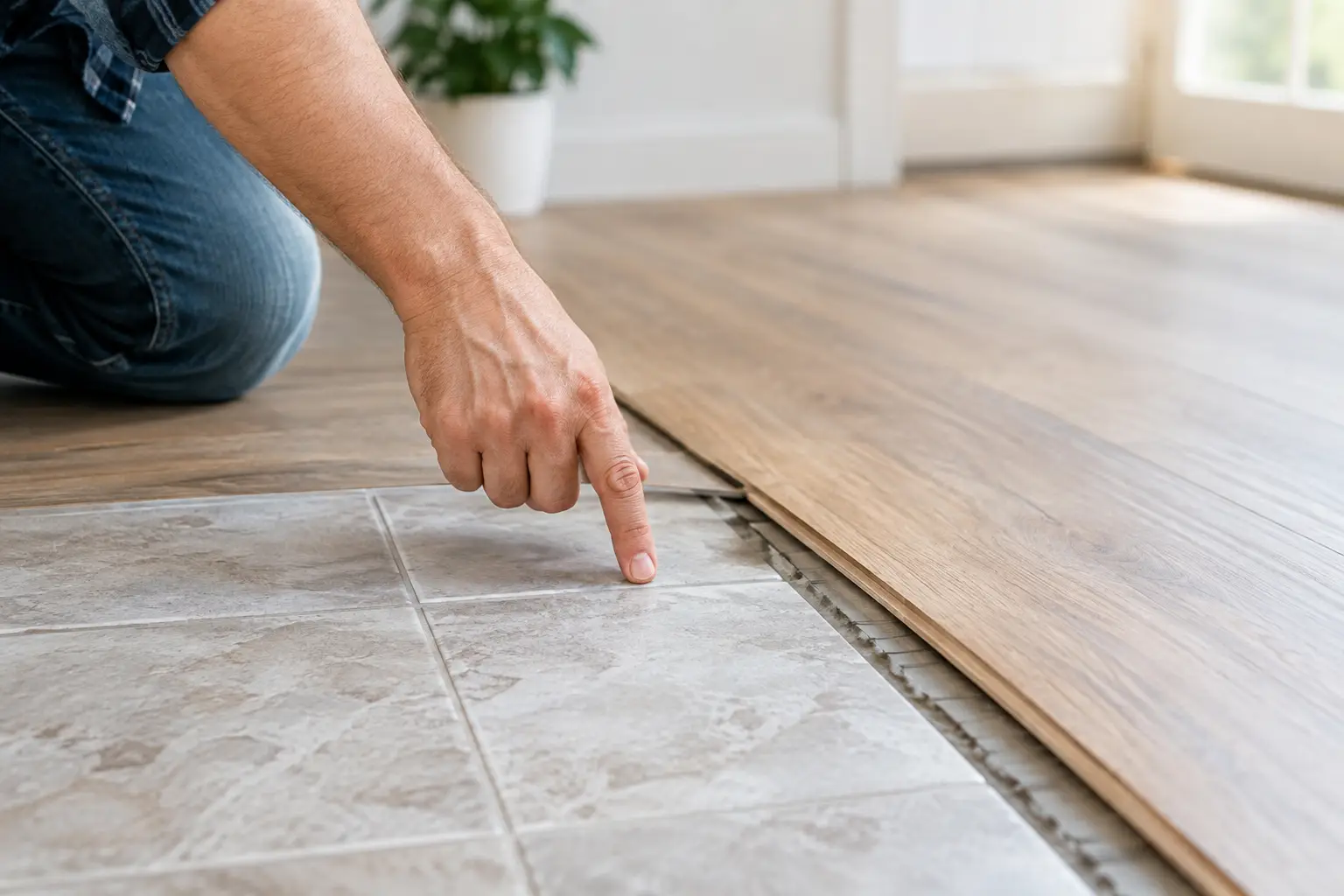
Some jobs are simple. Many are not. If your pool area has hollow-sounding tiles, cracked bedding, heavy adhesive build-up, uneven previous repairs or limited access, it is worth bringing in a team that handles difficult removal work every day.
The same applies if the site needs to stay tidy, if surrounding finishes need protection or if the renovation schedule is tight. Homeowners want the area safe and under control. Builders and project managers want the site handed over ready for the next trade. Property investors and commercial operators want disruption kept to a minimum. Those expectations are realistic, but only when the removal is planned properly.
A specialist also knows what to flag early. Once tiles are lifted, hidden issues can appear – substrate damage, moisture-related breakdown, inconsistent levels or old patching that will not support a new finish. Identifying that early keeps the project moving and helps avoid a rushed fix later.
What a well-run pool tile removal job looks like
A professional job starts before the first tile is touched. Access is checked, surrounding areas are protected and the removal method is matched to the condition of the tile system. That may involve mechanical removal, targeted chipping, grinding or a combination of methods depending on what the site allows.
During the strip-out, control matters. Dust suppression, debris management and clean work habits are not optional extras. They are part of doing the job properly. Around a pool, loose fragments, sharp edges and slurry can create risks quickly if the site is not managed well.
After the tile is removed, the team should not walk away from a rough, contaminated surface and call it done. The area needs to be cleared, checked and prepared to the point where the next stage can begin with confidence. That is the difference between a rushed strip-out and a proper specialist service.
Why speed matters – and why it is not everything
Most clients want the job completed fast, and rightly so. Pool renovations interrupt normal use of the property and often sit within a larger construction schedule. A drawn-out removal phase can hold up waterproofing, tiling, resurfacing or landscaping.
But speed without control is expensive. If coping is damaged, if adjacent surfaces are scarred or if the slab needs extra repair because removal was too aggressive, the project loses time anyway. The better approach is efficient removal with a clear finish standard. That is how experienced operators get sites turned around quickly without sacrificing quality.
For many projects, same-day completion is possible. For others, it depends on the tile type, bonding strength, access, size of the area and condition of the substrate underneath. Honest assessment matters here. Good specialists do not pretend every pool strip-out is identical.
Choosing the right pool tile removal specialists
The right contractor should be able to explain how they will approach removal, what kind of surface preparation may be needed afterwards and how they manage dust, debris and site protection. You want a team that understands difficult coverings and does not hesitate when the job is more than a simple lift-and-clear.
It also helps to work with operators who handle broader strip-out and preparation work. That wider experience usually means they are better equipped to deal with mixed materials, stubborn residue and unexpected substrate issues. A company like Rapid Stripped, for example, brings the kind of removal-first mindset that renovation projects need – fast action, clean execution and a site ready for the next stage.
For clients across Northern NSW, the Gold Coast, Brisbane and the Sunshine Coast, that practical capability matters more than sales talk. You want people who show up ready, work safely and finish the job to a proper standard.
When removal sets the tone for the whole renovation
Pool renovations often look like a tiling project from the outside. In reality, they start as a preparation project. If the old materials are not removed properly, every stage after that carries more risk.
That is why pool tile removal specialists matter. They protect the schedule, reduce avoidable damage and give the next trade a clean start. Whether you are updating a tired backyard pool, preparing an investment property or managing a commercial site, the smartest move is usually the same – get the removal done properly, and the rest of the job has a far better chance of running cleanly.