

A new floor is only as good as the concrete underneath it. Slab grinding contractors are brought in when a surface has high spots, old adhesive, tile bedding, paint, epoxy residue or rough concrete that will compromise the next stage of work. Done properly, grinding leaves the slab clean, sound and ready for the floor covering, coating or repair system that follows.
This is not a job for someone to simply run a grinder across the room and call it finished. Concrete surfaces vary from one area to the next, particularly after old tiles, timber, vinyl or carpet have been removed. The right approach depends on what is on the slab, how firmly it is bonded, what finish is required and what the next trade needs to install.
What slab grinding contractors are actually there to fix
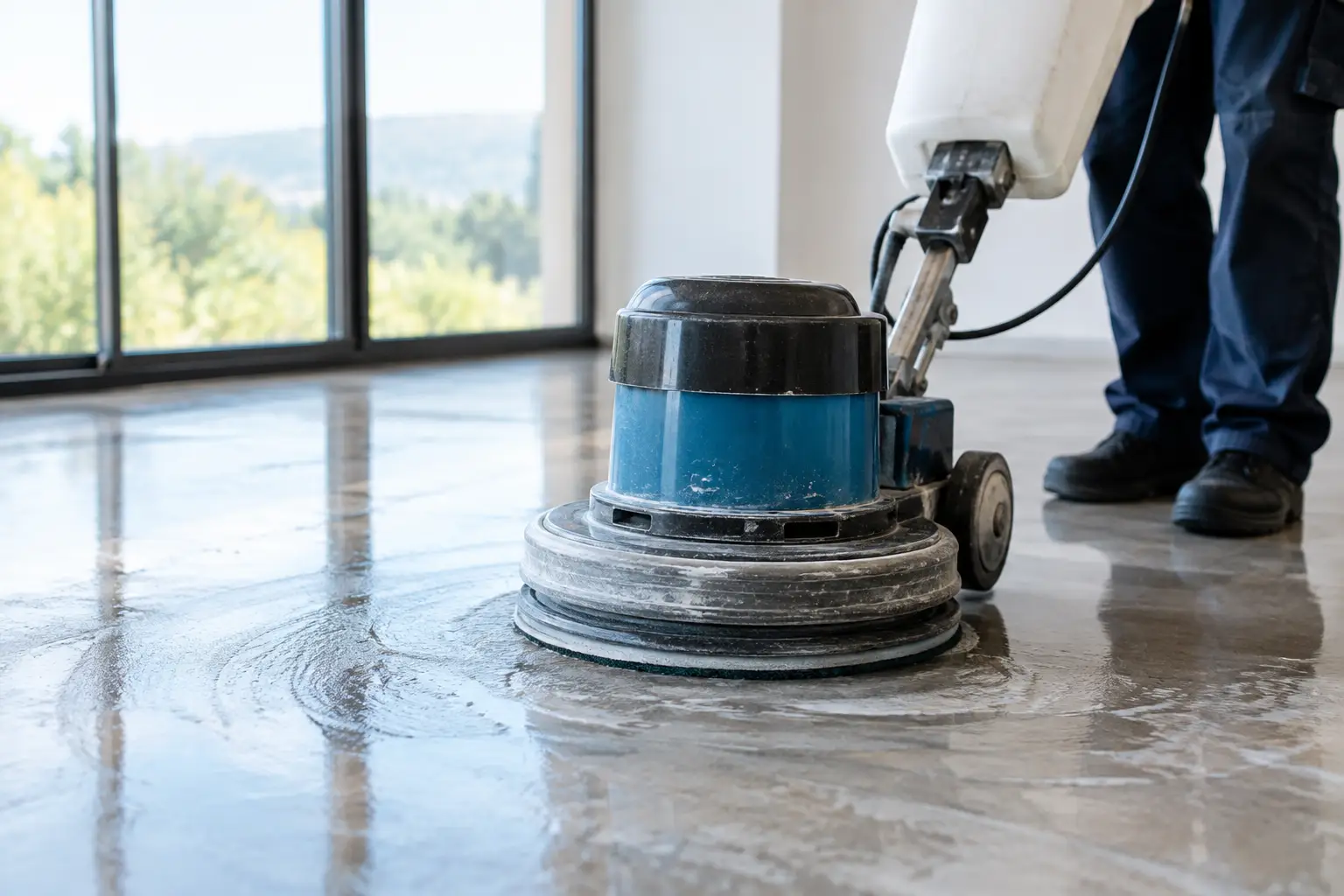
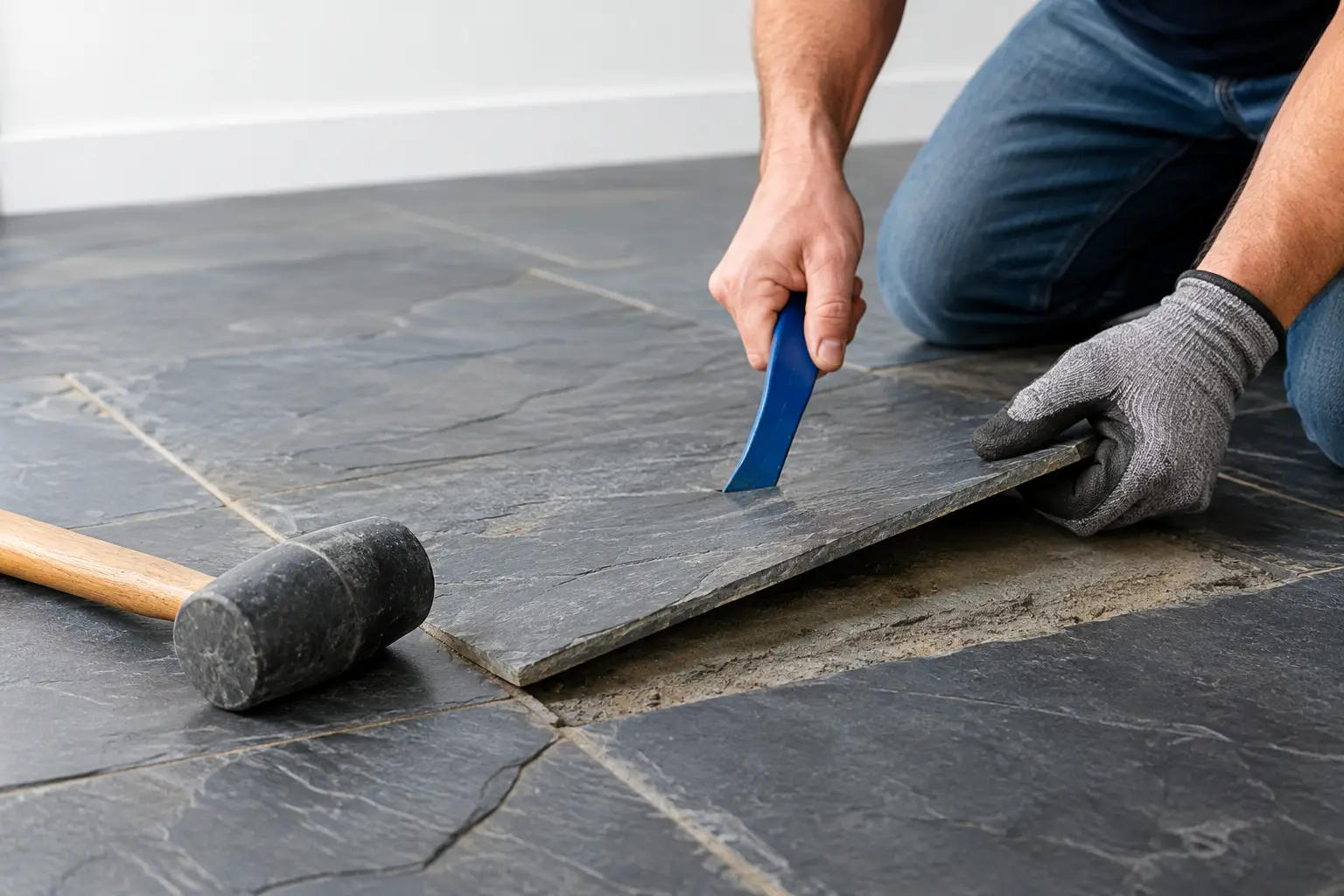
Grinding is a surface-preparation process. It removes material from the top of a concrete slab to create a flatter, cleaner and more suitable base. In renovation work, it commonly follows the removal of tiles and their bedding, glued timber, vinyl, carpet backing, levelling compounds or old coatings.
The most obvious reason to grind is to remove raised sections. High spots can prevent large-format tiles from sitting correctly, cause floating floors to move or click, and make it difficult for a floor coating to achieve a consistent finish. Even small ridges left from tile bedding or adhesive can become a major problem once the new flooring is installed.
Grinding may also be needed where stubborn residues remain after stripping. Adhesives, paint, epoxy and waterproofing-related materials can interfere with the bond of new products. A clean-looking slab is not automatically a suitable slab. If residue is still attached to the concrete, it can affect adhesion, moisture behaviour and floor height.
There is a limit to what grinding should be asked to solve. It can reduce high points and remove surface contamination, but it will not correct every structural issue. Deep cracks, soft or damaged concrete, major slab movement and significant low areas may need repair, patching or a levelling system after grinding. A capable contractor identifies those issues early rather than grinding blindly and leaving the next trade to discover them.
The finish needs to match the next floor
There is no single “perfect” ground finish. The right finish is determined by what is going over the slab.
For tiles, the goal is generally a clean, reasonably flat surface without leftover tile adhesive, bedding ridges or loose material. The tiler may still use adhesive to take up minor variations, but they should not be forced to compensate for a slab that has been poorly prepared.
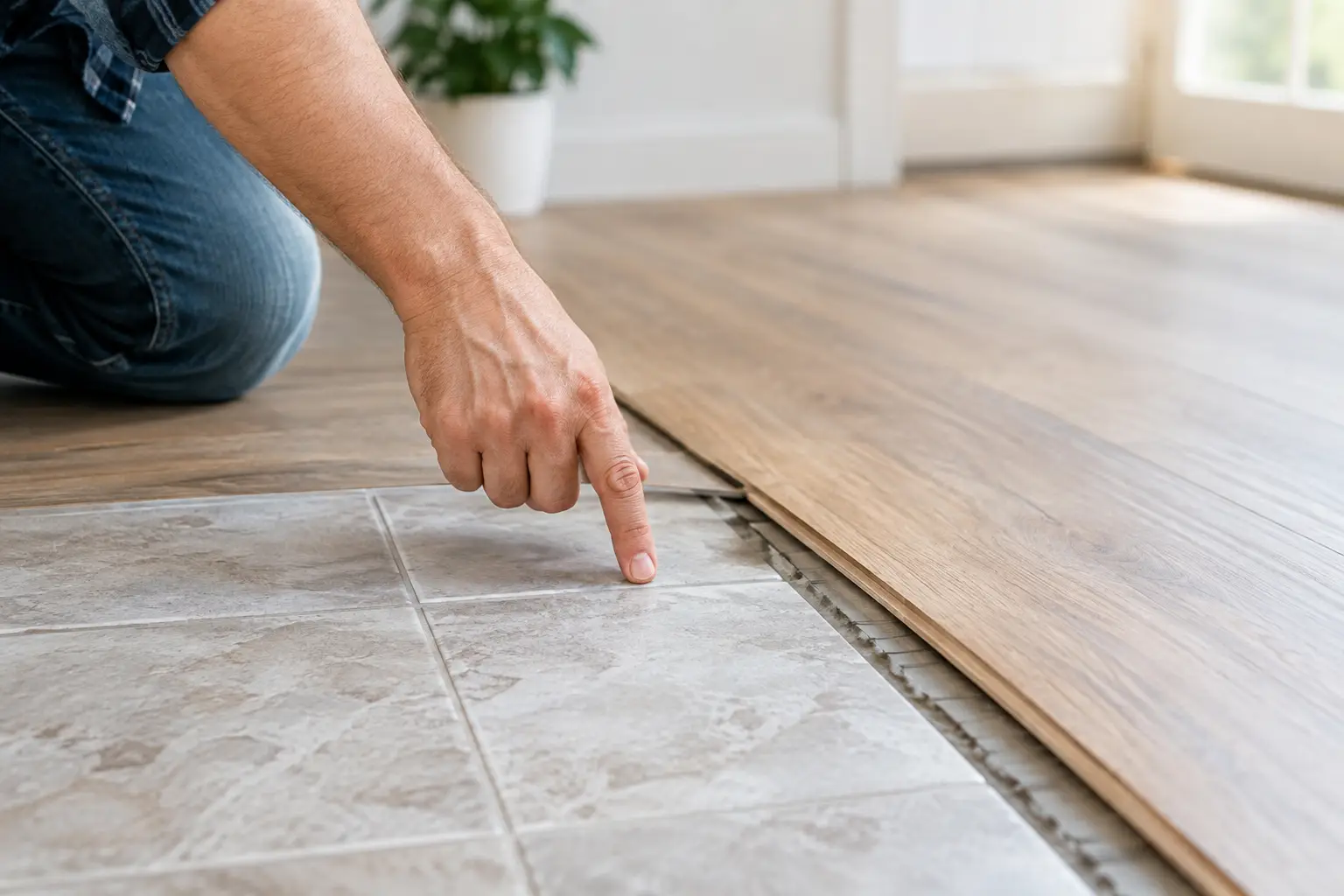
For hybrid, vinyl, laminate and engineered timber floors, flatness matters even more. These systems can telegraph imperfections, develop movement or fail at joins if the slab has pronounced humps and hollows. Grinding removes the high areas, while low spots may need to be filled separately to meet the flooring manufacturer’s requirements.
Polished concrete and decorative coatings need a more controlled process. The concrete may require progressive grinding stages, crack repairs, edge work and a specified surface profile. This is specialist finishing work, not just removal work, and the expected result should be agreed before the machinery arrives.
Epoxy and other protective coatings have their own requirements. The slab must be free of contaminants and prepared with the right texture for the coating to bond. Over-grinding can be unnecessary, while under-preparing the surface can lead to coating failure. The detail matters.
Dust control is part of the job, not an add-on
Concrete grinding creates fine silica dust. In an occupied home, office, shop or unit complex, uncontrolled dust can spread well beyond the work area and create a difficult clean-up job. It also presents a serious health risk for workers and anyone nearby.
Professional grinding should use suitable dust-extraction equipment connected directly to the grinder. The work zone should be managed to limit dust migration, with practical protection for nearby finishes, access paths and adjoining rooms. The exact containment required depends on the site, but a contractor should have a clear plan before starting.
Dust control does not mean the site will be spotless while active removal is underway. Grinding is physical, noisy work, and some residue is unavoidable. What matters is whether the team contains the work properly, keeps the area organised and removes the resulting debris instead of leaving a rough site for the client or the next trade.
Noise, vibration and access also need consideration. In apartments, medical suites, retail tenancies and occupied commercial spaces, work may need to be scheduled around building rules, neighbours, staff or trading hours. A contractor who asks about lifts, stairs, parking, power access and disposal arrangements before the job is usually preparing to avoid delays on the day.
What good slab grinding work looks like
The best result is not judged by whether the slab looks uniformly pale or freshly sanded. It is judged by whether the surface is properly prepared for its intended use.
A well-managed grinding job usually delivers four things:
- High spots, bonded residues and loose material have been removed where required.
- The slab is checked for defects, cracks and low areas that need separate treatment.
- Edges, doorways and tight sections are addressed rather than ignored because large machinery cannot reach them.
- The area is left clear of grinding dust and rubbish, ready for inspection or the next stage of renovation.
Edge work deserves particular attention. Large floor grinders cover open areas efficiently, but walls, corners, cupboards, bathroom perimeters and door jambs need hand-held equipment. Leaving raised edges around the room can create problems for skirtings, cabinetry, waterproofing or floor installation. It may take more effort, but it is where clean preparation separates a professional result from a rushed one.
The contractor should also understand floor heights. Removing old tile bedding can lower one room relative to another. Grinding a threshold can affect door clearance. In bathrooms and laundries, falls towards drains must be protected or restored as required. These are practical details that need to be considered before material comes off the slab.
Choosing slab grinding contractors for a renovation
Start by being clear about the job outcome. Tell the contractor what was removed, what remains on the slab and what flooring or finish is planned next. Photos help, but an on-site inspection is often the best way to identify bonded material, access constraints and likely preparation requirements.
Ask whether the scope includes both removal and grinding. Many projects need tile removal first, followed by grinding to remove bedding and adhesive. If these stages are not coordinated, the site can sit unfinished while the next contractor is arranged. A specialist team that handles difficult floor removal and surface preparation can keep the work moving and reduce disruption.
It is also worth confirming how the contractor will manage dust, edges and rubbish removal. These are not minor details. They affect the condition of the property, the readiness of the site and whether following trades can start on time.
Experience with the specific material matters. Thick tile bedding, black adhesive, old vinyl glue, epoxy coatings and natural stone residues do not respond the same way. The wrong tooling can be slow, ineffective or unnecessarily aggressive on the concrete. Skilled operators assess the material and adjust the method rather than treating every slab as identical.
For homeowners, the practical question is simple: will the room be ready for the next step when the team leaves? For builders and property managers, the question is broader: can the work be completed safely, cleanly and to programme without creating a handover issue? Rapid Stripped approaches slab grinding with both outcomes in mind – preparing difficult surfaces properly so renovations can move forward.
Get the next trade involved early
The floor installer, tiler, waterproofer or coating applicator should state their preparation requirements before grinding begins. This avoids the common problem of preparing a slab to one standard, then finding the next product needs a different level of flatness, texture or moisture treatment.
Grinding is often the point where hidden substrate issues become visible. That is useful information, not bad news. Finding old cracks, weak patches, uneven transitions or moisture concerns before new flooring goes down gives the project a chance to address them properly.
A slab does not need to look perfect to be ready. It needs to be clean, stable, correctly prepared and suited to the finish going over it. Get that foundation right, and every trade that follows has a better chance of delivering work that lasts.