
If you’re weighing up tile removal vs tile overlay, you’re probably already in the middle of a renovation decision that affects more than just looks. The wrong call can create height problems at doorways, poor adhesion, cracked finishes, or extra work for the next trade. The right one gives you a clean, durable surface that is ready for what comes next.
Overlaying tiles sounds quicker because it avoids full demolition. In some cases, it is. But speed only helps if the existing surface is solid enough to build over. If the original tiles are drummy, cracked, lifting, poorly laid, or hiding moisture issues, tiling over them can turn a short-term shortcut into a long-term defect.
Tile removal vs tile overlay – the real difference
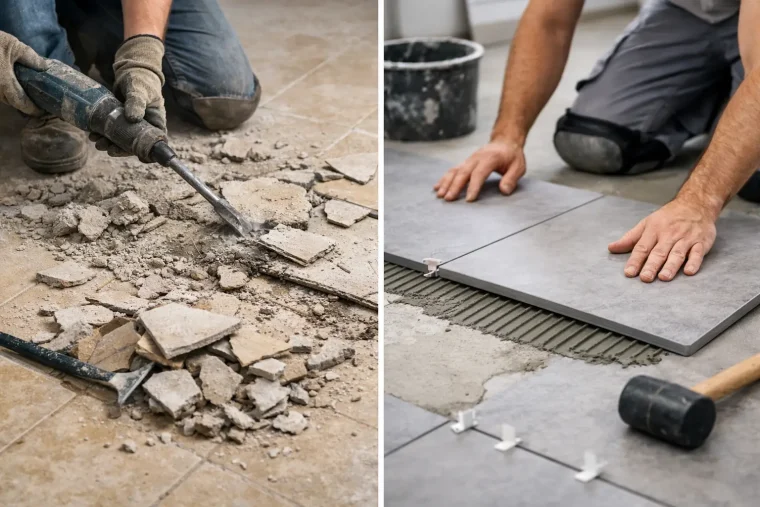
Tile overlay means installing new tiles directly over existing ones after cleaning, priming and preparing the surface. Tile removal means taking up the old tiles, removing the bedding or adhesive where required, and preparing the substrate so the new finish goes onto a proper base.
On paper, overlay looks less disruptive. There is usually less noise, less rubble and a shorter path to retiling. But that only tells part of the story. Overlay relies entirely on the condition of the layer underneath. Removal takes more work upfront, but it gives you certainty about the slab or substrate, exposes hidden issues, and leaves the site properly ready for the next stage.
That difference matters in bathrooms, kitchens, laundries, entries and commercial spaces where falls, clearances and waterproofing all have to line up. A neat-looking overlay job can still cause trouble if floor heights change too much or if the old surface was never stable to begin with.
When tile overlay can make sense
Overlay can be a workable option when the existing tiles are firmly bonded, level enough, and free from significant cracking. If you’re dealing with a sound floor or wall surface and you need to limit disruption, overlay may suit the job.
This tends to apply in straightforward cosmetic updates where the current tiles are dated but structurally fine. In some residential settings, that can save time and reduce demolition mess. It can also help in occupied spaces where keeping dust and noise down is a priority.
Even then, the surface needs proper assessment. Hollow sounding tiles, movement underfoot, old adhesive failures, poor falls or signs of moisture are all warning signs. If one layer is compromised, putting another layer on top does not fix the problem. It just buries it.
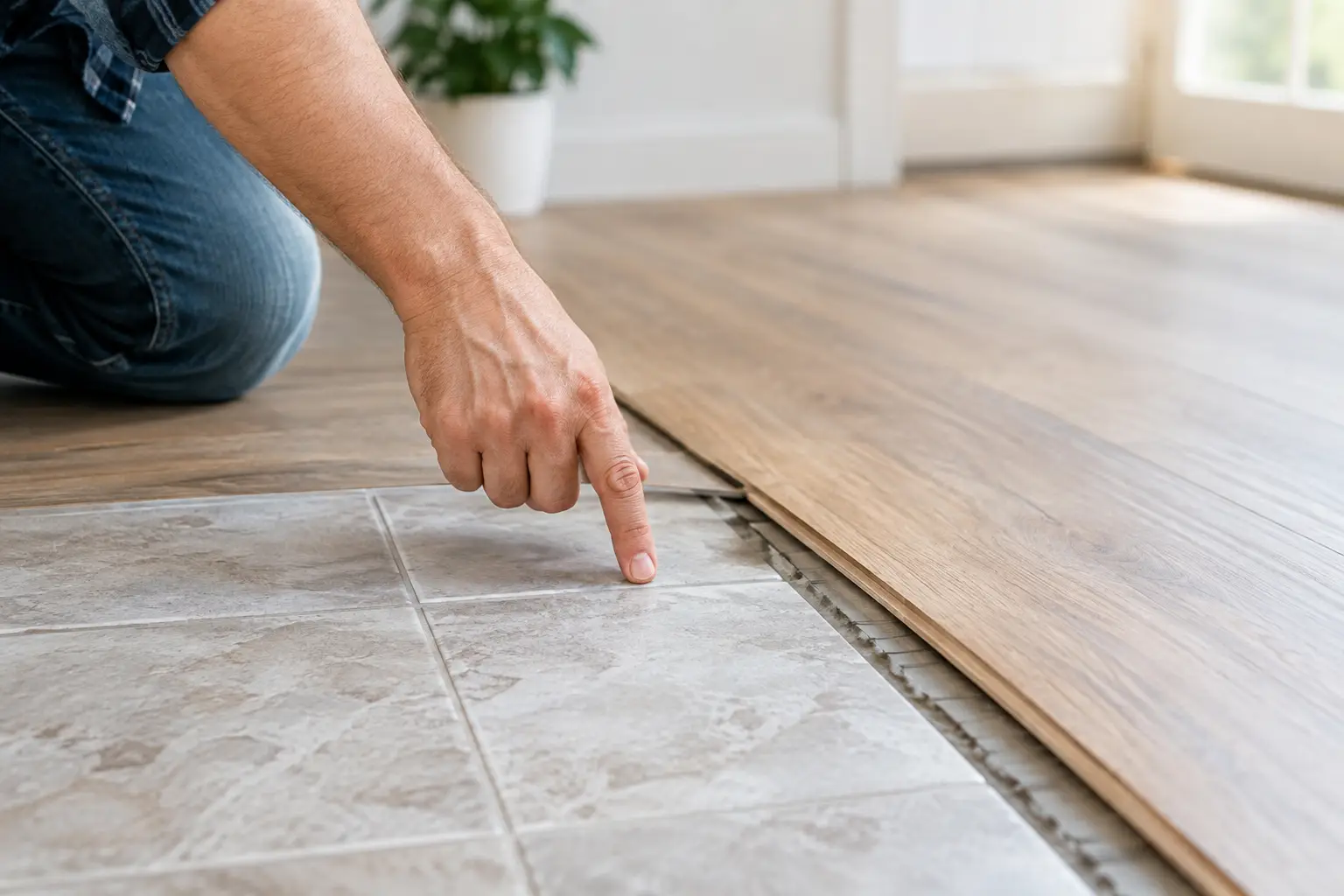
Overlay also needs enough clearance. Extra tile height affects skirting, door swings, thresholds, transition strips, cabinetry and appliances. In wet areas, it can interfere with drainage and waterproofing details. What looks minor on site can become a headache once other trades arrive.
When tile removal is the better choice
In a lot of renovations, full removal is the safer and smarter option. If the original tile bed is failing, if there are multiple layers, or if the substrate needs correction, removal gives you control over the result.
This is especially true when tiles are cracked, loose, uneven, or have been installed over a poor base. It is also the right path when you need to inspect the slab, deal with stubborn adhesive, re-establish levels, or prepare for a different floor finish altogether.
Removal is often the better choice in older homes and hard-worked commercial sites. You do not always know what sits under the surface until the floor is opened up. There may be damaged screed, contaminated adhesive, patch repairs, moisture issues or substrate movement. If you tile over that, you’re taking on all of those risks.
A proper strip-out also makes sense when you need the site genuinely renovation-ready. Builders, tilers and waterproofers work better from a clean, prepared base than from an existing finish with unknowns underneath.
The hidden issues that overlay can miss
The biggest risk with overlay is not what you can see. It is what you cannot.
Old tiled surfaces can hide drummy spots, weak bedding, cracked screeds and moisture intrusion. Bathrooms are a common example. A floor might still look serviceable, but the waterproofing may be compromised or the tile bond may already be failing in isolated sections. Overlaying over that does not remove the defect.
There is also the issue of height build-up. A few extra millimetres can affect compliance, especially around wet area transitions and drainage falls. If a floor no longer falls correctly to waste, or a doorway becomes too tight, those are not cosmetic problems. They are practical ones that cost time to rectify.
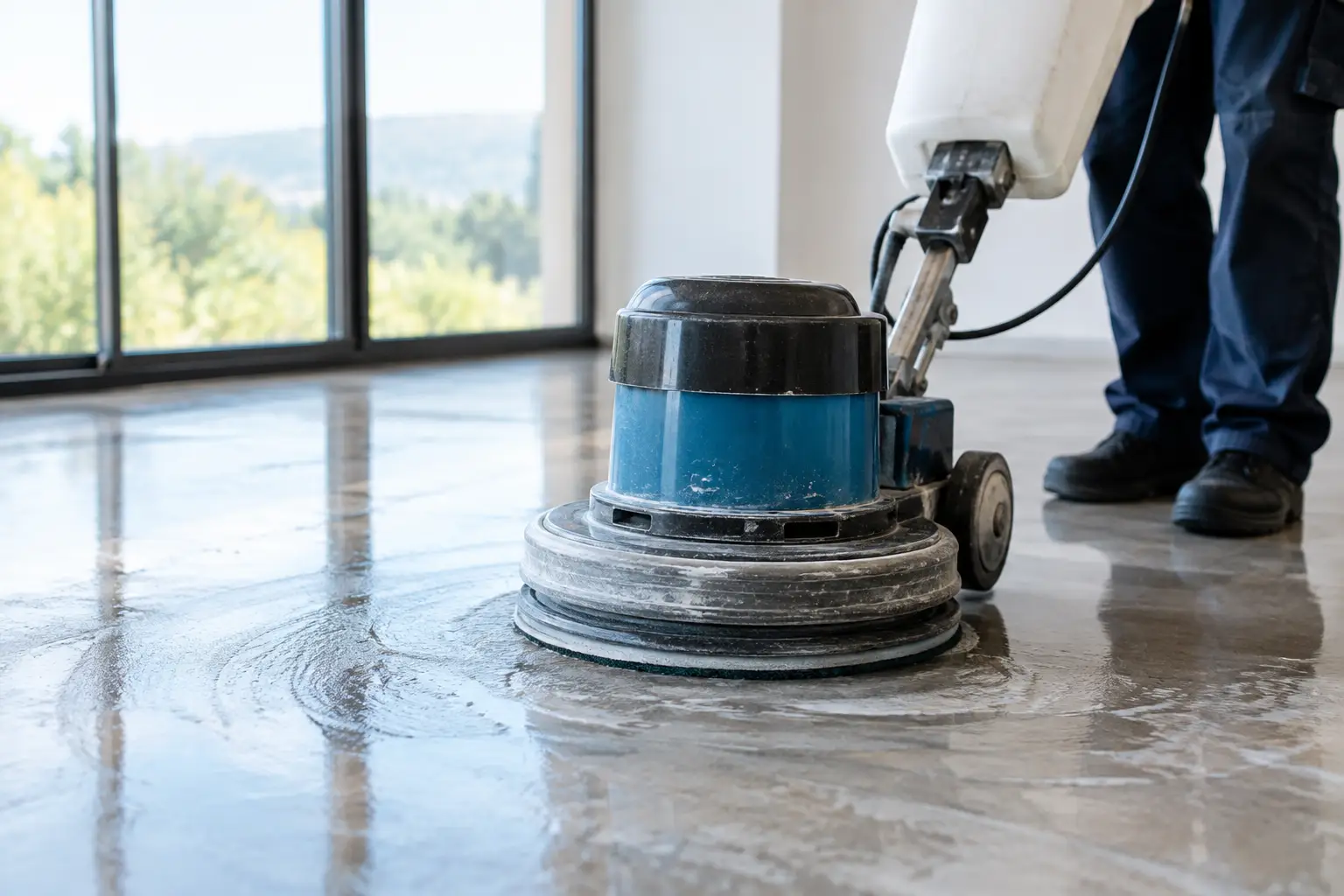
Then there is adhesion. Existing tiles need to be cleaned and mechanically prepared properly before any new system goes over them. If the old glaze, contaminants or residue are not dealt with, the new finish may not bond as expected.
Why removal often delivers a better renovation result
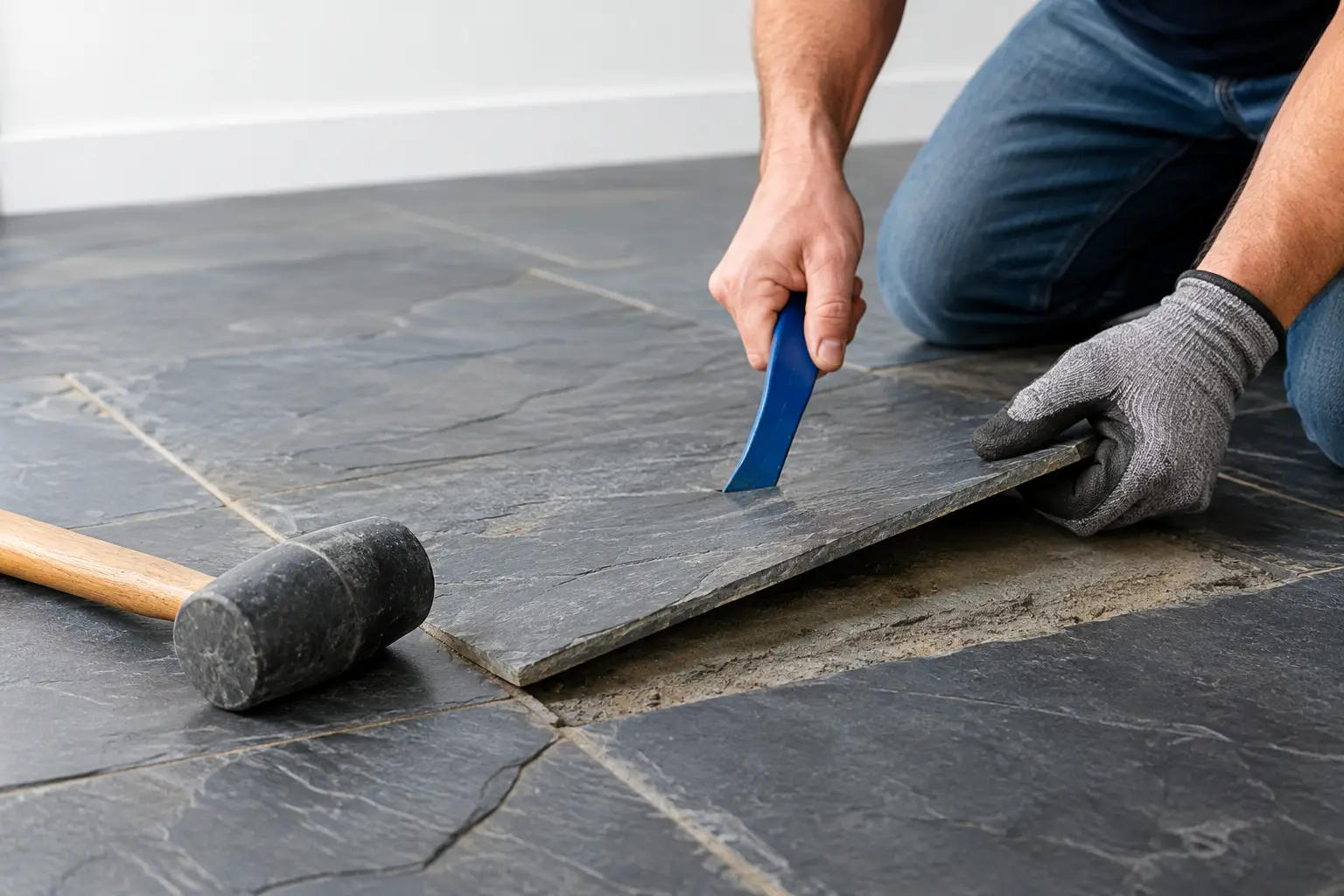
Removal is more than getting rid of old tiles. Done properly, it resets the job.
Once the existing tiles and residues are removed, the substrate can be assessed honestly. High spots can be ground down, damaged sections repaired, adhesive stripped back and the surface left ready for the new installation. That means fewer surprises for the next trade and a better chance of a finish that lasts.
It also helps with planning. You know your floor heights, you know the condition of the base, and you can make proper decisions about levelling, waterproofing and finish selection. That is hard to do when an old tile layer stays in place.
For clients who want the job done right the first time, removal usually provides the cleaner path. It is more labour upfront, but it avoids stacking one uncertainty on top of another.
Tile removal vs tile overlay in bathrooms and kitchens
Bathrooms and kitchens deserve extra caution because they are high-use, high-moisture areas with less room for error.
In bathrooms, overlay can affect waterproofing integrity, floor-to-waste falls and hob or threshold heights. If there is any doubt about the condition of the existing tiled surface, removal is normally the more dependable route. A bathroom renovation has too many interconnected elements to gamble on a weak base.
In kitchens, overlay may be possible in some cases, but appliance clearances and cabinetry heights need to be checked carefully. Dishwashers, fridges and kickboards do not leave much tolerance. A small increase in floor height can create fitting issues that hold up the install.
Where a renovation involves changing layouts, strip-outs or broader surface preparation, removal generally fits the process better. It gives the whole project a cleaner start.
What to consider before choosing
The decision comes down to condition, not convenience alone. If the existing tiles are sound, the levels work, and the area is suitable, overlay may be worth considering. But if there is cracking, movement, moisture, unevenness, or any question around substrate integrity, removal is usually the stronger option.
You also need to think beyond the tiling stage. Will added height affect doors or transitions? Is the floor going to support the new finish properly? Do other trades need a clean slab or prepared substrate? Is this a quick cosmetic update, or do you want a renovation result that will hold up under daily use?
That is where specialist removal matters. A proper removal crew does more than break tiles. They strip difficult materials, manage dust, remove adhesives, grind slabs where needed and leave the site ready for the next step. For many projects, that saves time overall because the job moves forward on a sound base instead of stopping for rework.
Rapid Stripped handles this kind of preparation work every day across residential and commercial jobs, particularly where difficult removal, clean execution and fast turnaround matter.
The practical answer
If you want the blunt answer on tile removal vs tile overlay, here it is: overlay can work when the existing surface is genuinely solid and the build-up will not cause problems. Removal is the better choice when you want certainty, proper substrate access and a floor or wall that is ready for a lasting finish.
The best renovations are not built on guesswork. They start with an honest look at what is already there, then the right preparation to support what comes next. If you are unsure, do not just ask what is faster. Ask what gives you the better base.