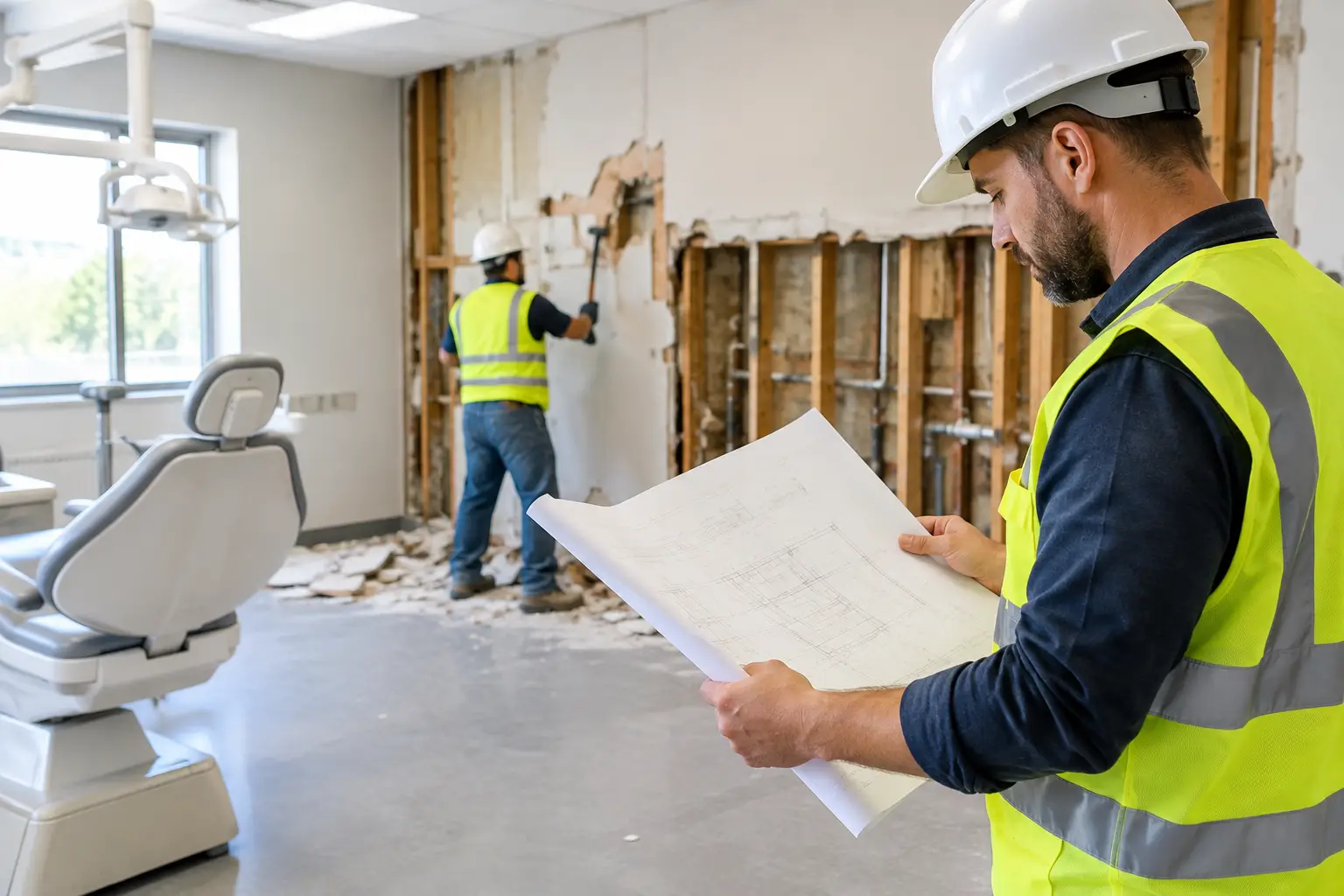

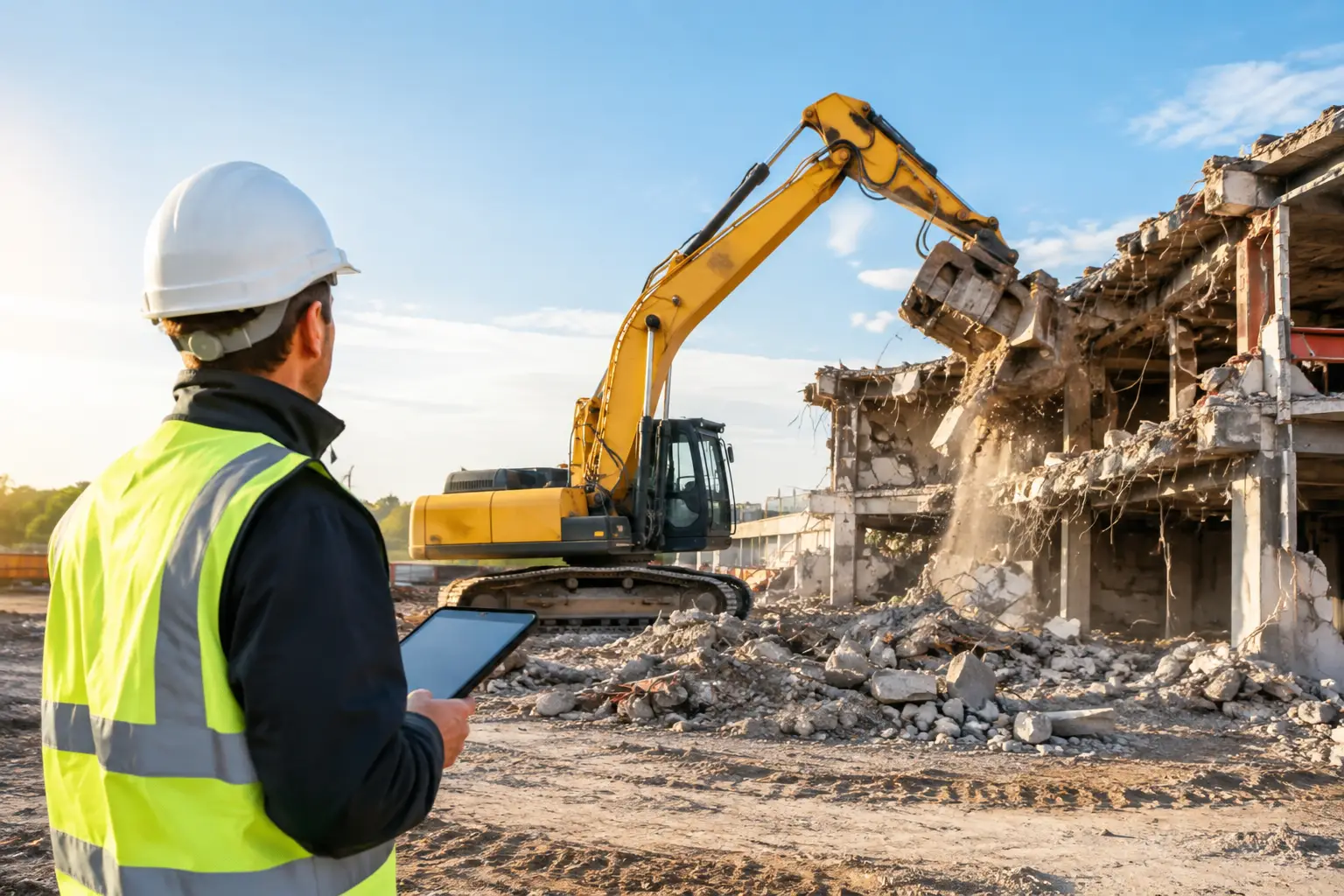
A commercial strip-out can look straightforward until the first floor covering comes up and exposes failed adhesive, uneven slab repairs, live services or materials that cannot simply go into a skip bin. The best commercial demolition practices start well before tools hit the floor. They come down to planning the sequence, controlling risk and leaving a clean, workable site for the next trade.
For office managers, builders, retail operators and property owners, demolition is not the finished product. It is the critical handover point between an outdated space and a profitable renovation, fit-out or lease-ready property. A rushed removal job can delay every trade that follows. A well-managed one clears the way.
Start with a proper site inspection
Commercial demolition should never be priced, planned or scheduled from a few photos alone. An experienced contractor needs to inspect the site and identify exactly what is being removed, what sits underneath it and what must remain protected.
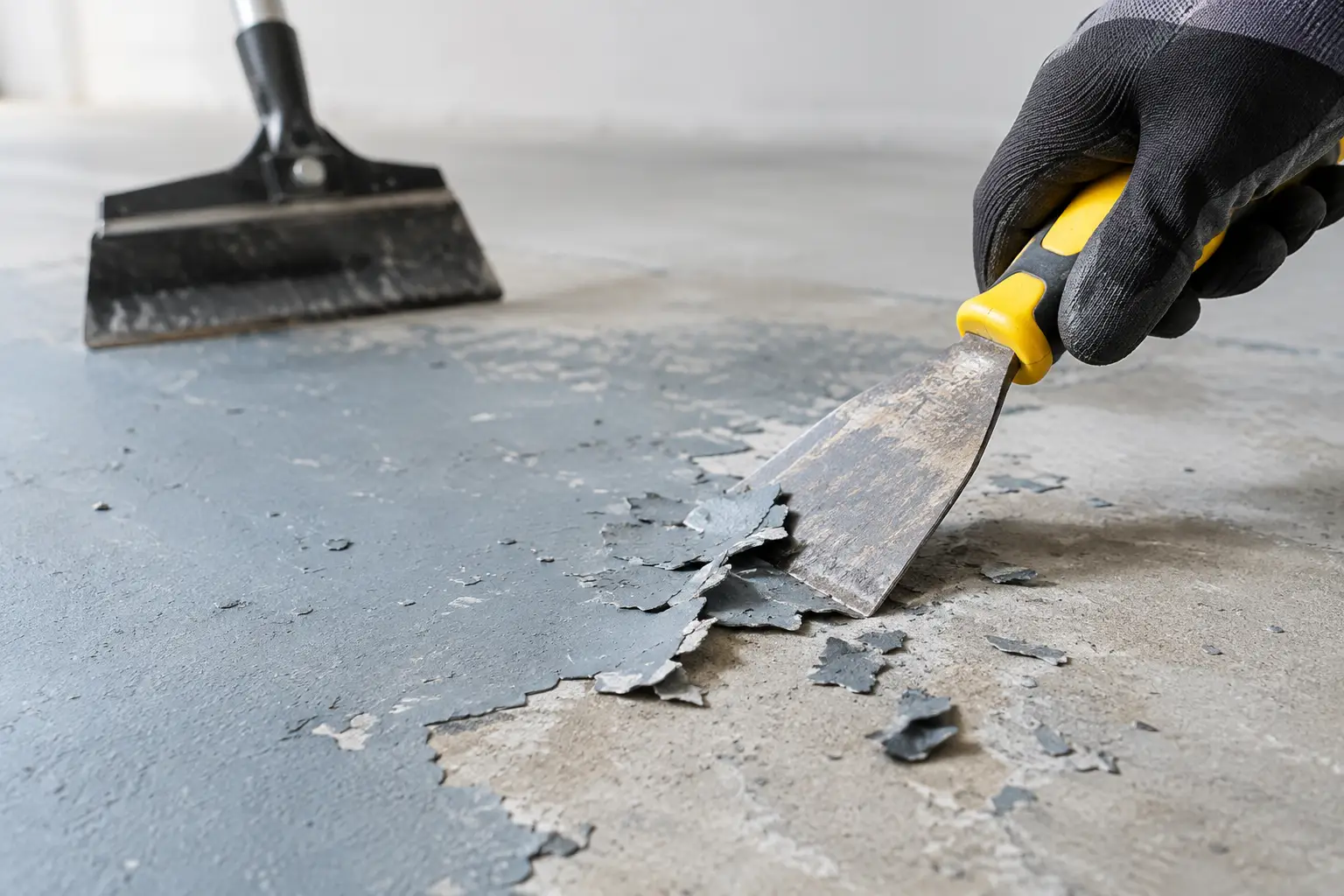
Flooring is a good example. Carpet tiles, vinyl, timber, epoxy, ceramic tiles and natural stone all require different removal methods. The same goes for adhesives, screeds, tile bedding and levelling compounds. Removing the visible finish is only part of the work. If adhesive residue, high spots or loose material remain on the slab, the next floor system may fail or require extra preparation.
The inspection should also confirm access conditions. Consider loading dock availability, lift use, stair access, work hours, parking, waste removal routes and shared areas. In an occupied office tower, for example, a noisy jackhammer operation may be restricted to certain hours. In a ground-floor retail tenancy, the priority may be keeping public access safe and presenting a tidy frontage every day.
A clear scope avoids surprises. It should spell out which finishes, fixtures, walls, joinery, services and rubbish are included, as well as the required condition of the floor or substrate at handover.
Plan demolition around the next trade
The fastest demolition job is not always the one completed with the biggest machinery. The right approach depends on what the site needs next.
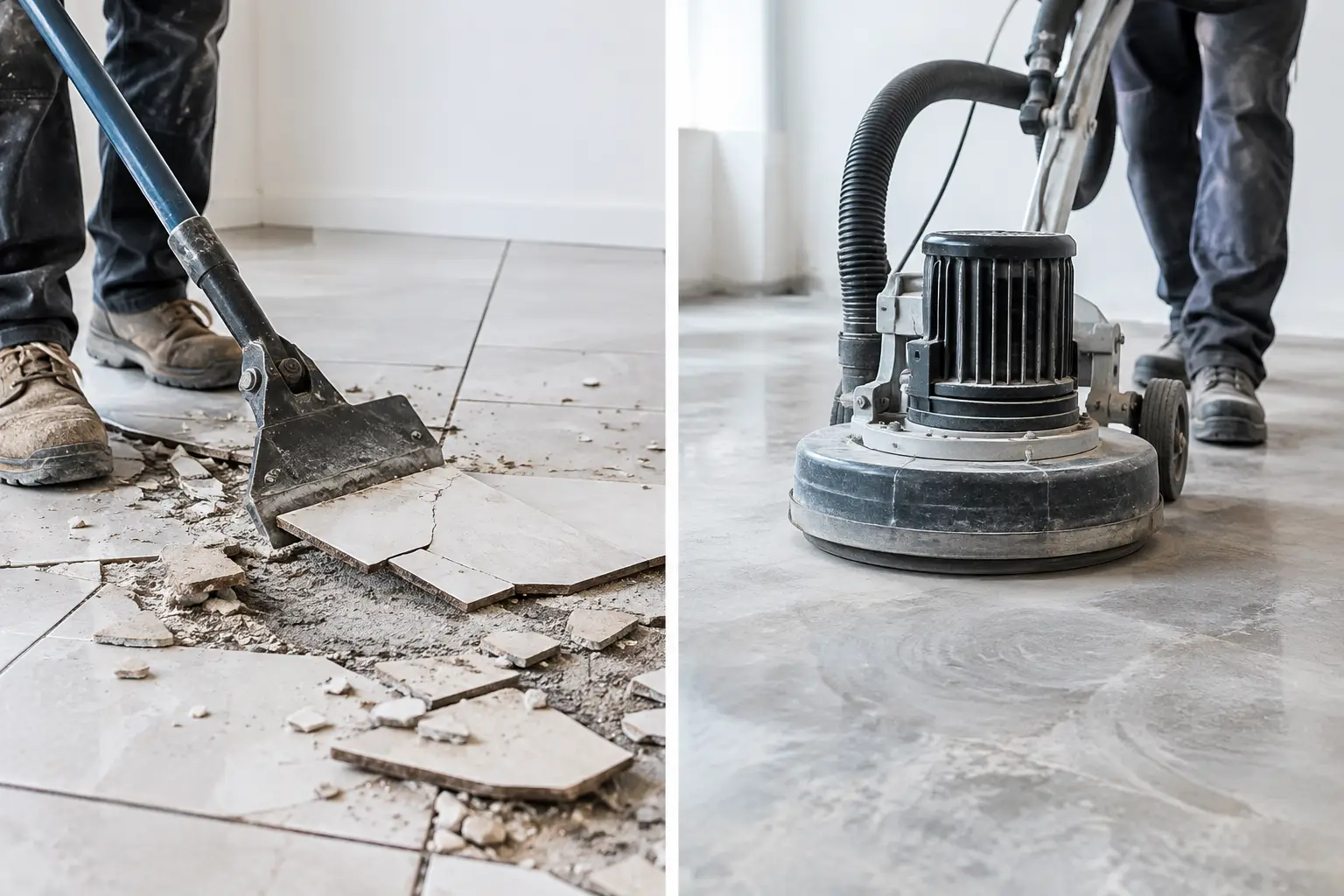
If a builder is installing new partitions, certain walls may be removed back to a nominated line while adjacent finishes are protected. If a flooring contractor is laying vinyl or polished concrete, the slab may need grinding after tile and adhesive removal. If the property is being returned to base building condition, the required finish may be different again.
This is where commercial experience matters. A strip-out contractor should ask what is being installed next and coordinate the removal method accordingly. There is no value in damaging a concrete slab with aggressive equipment if the specification calls for a smooth surface. Equally, light scraping is not enough when heavy adhesive needs to be removed before a new coating can bond properly.
A practical demolition sequence typically deals with loose furniture and non-structural fixtures first, then floor coverings and joinery, followed by detailed removal, slab preparation and final clean-up. Services must be identified and isolated before any work begins in affected areas. That order reduces obstruction, keeps the team moving efficiently and prevents needless rework.
Control dust, noise and debris from the first cut
Dust control is one of the most visible measures of a professional commercial demolition crew. Cutting, grinding, tile lifting and adhesive removal can produce fine dust that migrates through air-conditioning returns, hallways, neighbouring tenancies and common areas. It can also contaminate finished surfaces that are not part of the demolition scope.
The right controls depend on the work, but they often include localised extraction, HEPA-rated vacuum systems, physical containment, sealed access points and regular cleaning throughout the shift. Dry sweeping fine demolition dust is not a substitute for proper extraction. It simply moves the problem around the site.
Noise and vibration also need active management. Heavy tile removal may be unavoidable, but work can be scheduled around building requirements and handled with equipment suited to the material. A commercial site manager should know when loud work will occur, how access will be controlled and what parts of the building may be affected.
Debris should be removed progressively rather than allowed to pile up. Clear walkways improve safety, make inspection easier and reduce the chance of damage to retained finishes. Segregating waste where practical also supports more orderly disposal and keeps recyclable materials separate from general demolition rubbish.
Treat services and hazardous materials as critical risks
Commercial spaces often contain more hidden services than people expect. Electrical cables, data lines, plumbing, fire services, hydraulic lines and air-conditioning components may run behind walls, below floors or above suspended ceilings. Assumptions are expensive. Before removal starts, services need to be identified, isolated by the appropriate qualified people where required, and clearly communicated to the demolition team.
Older buildings may also contain hazardous materials or unknown finishes. Suspect materials should be assessed before they are disturbed. This is not an area for shortcuts, guesswork or pressure to keep a programme moving. If testing, specialist removal or additional controls are needed, that work must happen before standard demolition continues.
Site safety is more than personal protective equipment. It includes exclusion zones, controlled access, safe manual handling, stable work areas, clear waste paths and daily communication. On a busy project, conditions can change quickly as walls come down, flooring is removed and other trades move in. A disciplined team reassesses the work area rather than relying on yesterday’s plan.
Protect what is staying
Most commercial demolition projects are selective, not total. Lift lobbies, glazed shopfronts, fire doors, ceiling systems, services, adjoining tenancies and recently completed work may all need protection.
Before removal begins, retained elements should be documented and protected with suitable coverings or barriers. This includes surfaces near waste routes, not just the immediate work zone. A metal trolley, rubble bin or tile-removal machine can cause expensive damage in a narrow corridor if there is no protection in place.
Protection also applies to building operations. Where a tenancy remains partly occupied, the crew needs a clear separation between workers and staff or customers. Dust barriers, signed access routes and a planned work schedule help keep business disruption to a minimum. In some cases, completing disruptive works outside trading hours is the sensible option. In others, staged work allows an operator to keep part of the premises running. The right choice depends on the lease requirements, building rules and programme.
Get floor removal and slab preparation right
Commercial floor removal is often the make-or-break stage of a strip-out. Tiles may be bonded to thick bedding. Vinyl can leave stubborn adhesive. Timber floors may hide underlay, nails or levelling products. Epoxy and coatings can require mechanical grinding rather than scraping.
The goal is not just to expose concrete. It is to produce the condition required for the next installation. That might mean removing loose material only, taking adhesive back to a sound substrate, or mechanically preparing the slab for a coating, glue-down floor or levelling compound.
There is a trade-off here. More aggressive grinding can achieve a cleaner profile, but it may add time, noise and dust-control requirements. Less preparation may be acceptable where a thick new screed is planned, but it can be inadequate for thin vinyl, polished concrete or direct-stick finishes. The specification, substrate condition and next floor system should drive the decision.
For demanding jobs across the Gold Coast, Brisbane, Northern NSW and the Sunshine Coast, Rapid Stripped focuses on the detail that follows removal: difficult coverings, stubborn adhesive and slab preparation that leaves the site ready for the next stage.
Keep communication short, clear and regular
Commercial projects move quickly, and demolition can uncover conditions that were impossible to see during quoting. Hidden floor layers, damaged slabs, unexpected services and extra adhesive are common examples. The issue is not whether a surprise appears. The issue is how quickly it is identified, explained and resolved.
The best contractors provide clear updates when site conditions change. They explain what has been found, how it affects the scope and what needs to happen next. This allows the builder, property manager or business owner to make a decision before the programme is affected.
At completion, the handover should be just as clear. The site should be free of demolition debris, access routes should be clean, and the condition of the remaining surfaces should match the agreed scope. If the next trade needs a prepared slab, that should be evident when they arrive, not discovered after their materials are on site.
A clean handover keeps the project moving
Good commercial demolition is measured by what happens after the crew leaves. Can the electrician access the walls? Can the plasterer start without clearing debris? Can the flooring installer assess a clean, properly prepared slab? Can the business owner see a site that is under control rather than another problem to manage?
Choose a demolition team that inspects properly, works to the next trade’s requirements and treats dust, protection and clean-up as part of the job. That approach gives your renovation the clear start it needs.