
A tile saw can turn one small cut into a cloud of fine silica dust. A grinder can spread it through an occupied home, office or retail space before anyone has time to shut a door. That is why dust suppression versus wet cutting is not just a question of which method looks cleaner. It affects worker safety, adjacent areas, the condition of the slab and how quickly the next trade can start.
For floor removal and surface preparation, the right answer depends on the material, the tool, the site conditions and the finish required. Wet cutting is useful on many jobs, but it is not a replacement for a proper dust-control plan. Likewise, extraction-based dust suppression is highly effective, but it is not suitable for every cutting or grinding task.
Dust suppression versus wet cutting: the real difference
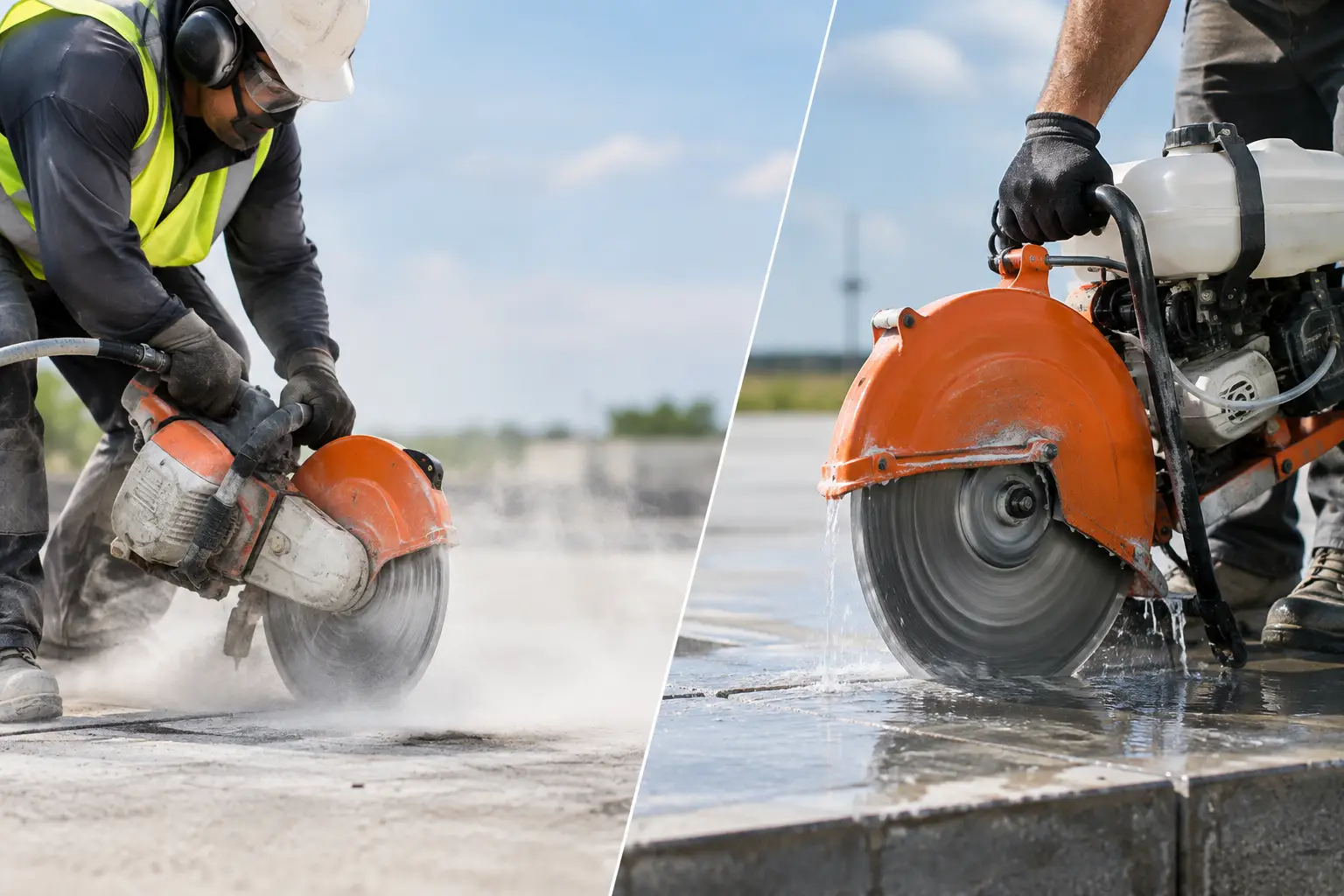
Wet cutting controls dust at the point where it is created by applying water directly to the blade, wheel or work surface. The water captures airborne particles before they can become airborne, turning them into slurry. It is commonly used when cutting tiles, concrete, stone and masonry.
Dust suppression is the broader site-control approach. It can include tool-mounted HEPA extraction, industrial vacuums, local containment, sealed doorways, negative-air equipment, controlled removal techniques and, where appropriate, a light water mist. Its purpose is to keep dust out of the air and stop it travelling through the property.
The distinction matters because wet cutting deals mainly with the cutting process. Dust suppression manages the entire work area. On a full floor strip-out, both methods may be used at different stages.
Why floor removal creates a dust problem
Old floor coverings rarely come up cleanly. Tile bedding, epoxy, levelling compounds, cement-based adhesives and damaged screed can all require mechanical removal. Grinding a slab after tile removal may expose residual adhesive, high spots or uneven patches that need to be corrected before new flooring goes down.
Much of that work can generate respirable crystalline silica dust when concrete, mortar, engineered stone or masonry products are disturbed. These particles are extremely fine. They can remain suspended in the air, settle on finished surfaces and move through open doorways, air-conditioning returns and service penetrations.
For homeowners, that means more cleaning and a greater risk of dust reaching rooms that are not part of the renovation. For builders and commercial managers, it can mean delays, complaints from tenants and a site that is not ready for follow-on trades. Effective control starts before the first machine is switched on.
When wet cutting is the better option
Wet cutting is often the practical choice when a clean, accurate cut is needed through hard material. A water-fed saw can reduce dust substantially while helping to keep a blade cooler. This is particularly useful for porcelain, ceramic, terracotta, stone and concrete pavers where dry cutting would create a large amount of fine dust very quickly.
It also makes sense outdoors or in contained areas where water can be managed without affecting finished surfaces, electrical equipment or access paths. On a bathroom strip-out, for example, wet cutting may be suitable for selected masonry cuts before removal work begins.
There are limits. Wet cutting creates slurry, and slurry cannot simply be washed into garden beds, stormwater drains or onto a footpath. It needs to be contained, collected and disposed of correctly. The floor also needs time to dry before some adhesives, coatings, moisture-sensitive levelling products or floor coverings can be installed.
Water can create its own site risks. It may make smooth tiles slippery, affect nearby cabinetry or plasterboard, and complicate work around electrical services. In occupied properties, uncontrolled water is just as disruptive as uncontrolled dust.
When extraction-based dust suppression is the better option
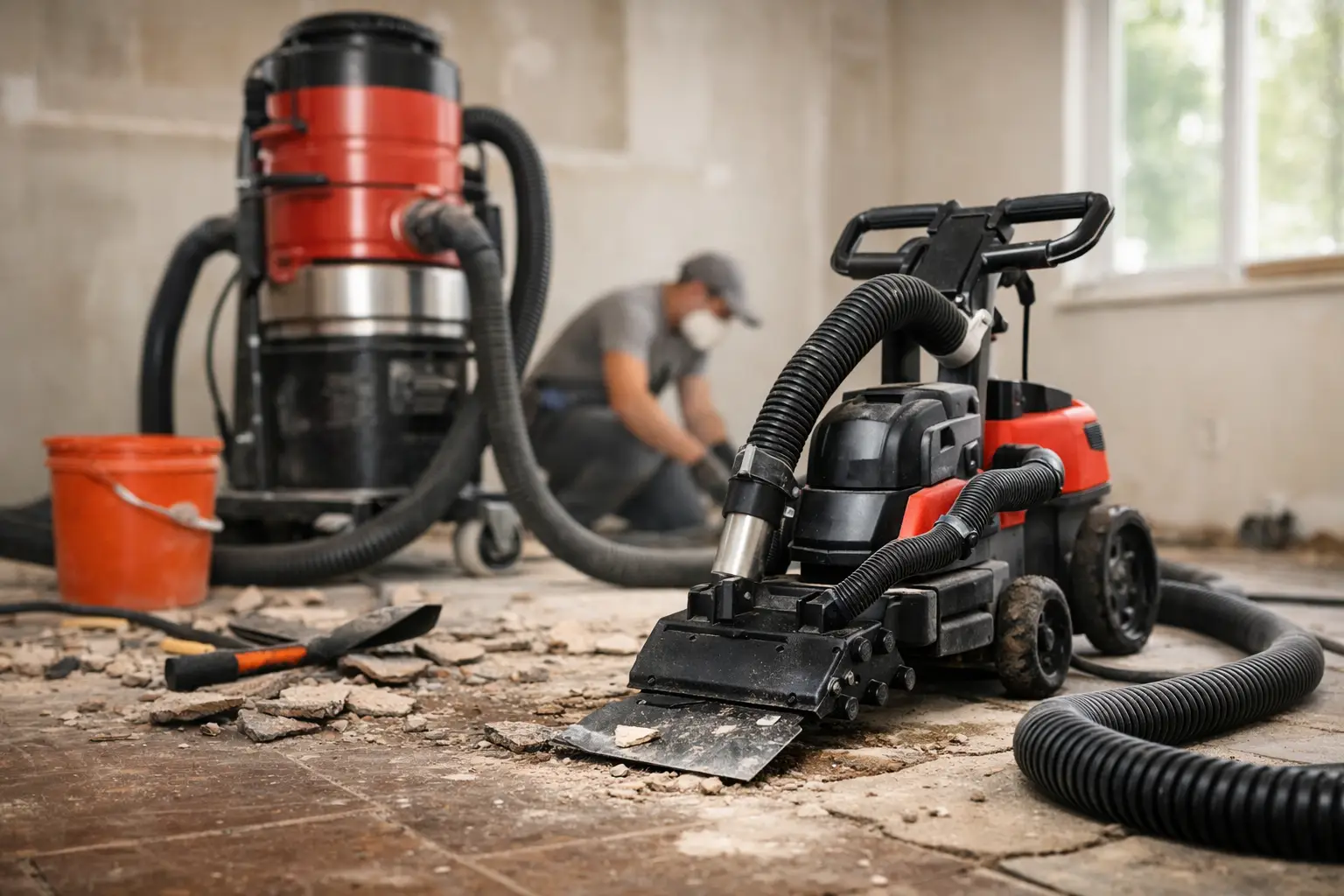
For mechanical floor stripping and slab grinding, dust extraction is often the preferred control method. A professional grinder or floor scraper connected to a correctly sized industrial vacuum captures dust as it is released. This keeps the surface comparatively dry and allows the crew to monitor the slab as work progresses.
Dry extraction is especially valuable when the floor needs to be ready for assessment, patching or new installation soon after removal. It avoids adding unnecessary moisture to concrete and reduces the mess associated with slurry. It is also generally more practical for large internal areas, upper-level units, offices and retail spaces where water management is difficult.
The key word is correctly. A domestic vacuum or a poorly fitted hose will not provide reliable control. The machine, shroud, vacuum capacity, filters and operator technique all need to suit the task. Fine dust will find gaps quickly, particularly around edges, corners and areas where a large machine cannot reach.
This is why detailed hand work, edge grinding and clean-up matter. A floor can look clear while fine dust is still sitting in skirting gaps, service voids or adjoining rooms.
The trade-off: slurry versus airborne dust
The choice is not simply wet equals safe and dry equals dusty. Each method controls one risk while creating another that must be managed.
Wet cutting can dramatically reduce airborne dust at the blade, but it creates slurry and moisture. Dry cutting or grinding with proper extraction keeps the site drier and is often cleaner for interior renovation work, but it relies on well-maintained equipment and strict containment to prevent dust escape.
A mixed approach is common on demanding jobs. A crew may use wet cutting for a limited number of hard-material cuts, then use HEPA extraction for tile lifting, adhesive removal and slab grinding. Doorways may be sealed, air-conditioning protected and work zones isolated so dust does not migrate into finished areas.
The best method is the one that controls the specific hazard without compromising the building, the programme or the finished result.
Match the method to the material and the site
Material type is the first consideration. Ceramic and porcelain tiles can often be wet cut effectively. Thick stone, concrete and masonry may need water-fed equipment for certain cuts. Adhesive removal, epoxy grinding and floor levelling work are more commonly handled with extraction-connected grinding equipment.
Site conditions come next. An empty ground-floor home with direct external access gives a crew more options than an occupied apartment on an upper level. In offices, medical spaces, hospitality venues and retail tenancies, the need to protect stock, fixtures and neighbouring areas may make full containment and high-performance extraction essential.
The required finish also matters. If the slab is being prepared for polished concrete, vinyl, hybrid flooring, carpet tiles or a new coating system, the condition of the substrate must be visible and dry enough for the next stage. Leaving slurry residue, loose adhesive or dust contamination behind creates problems that cost time later.
Containment is not optional on internal work
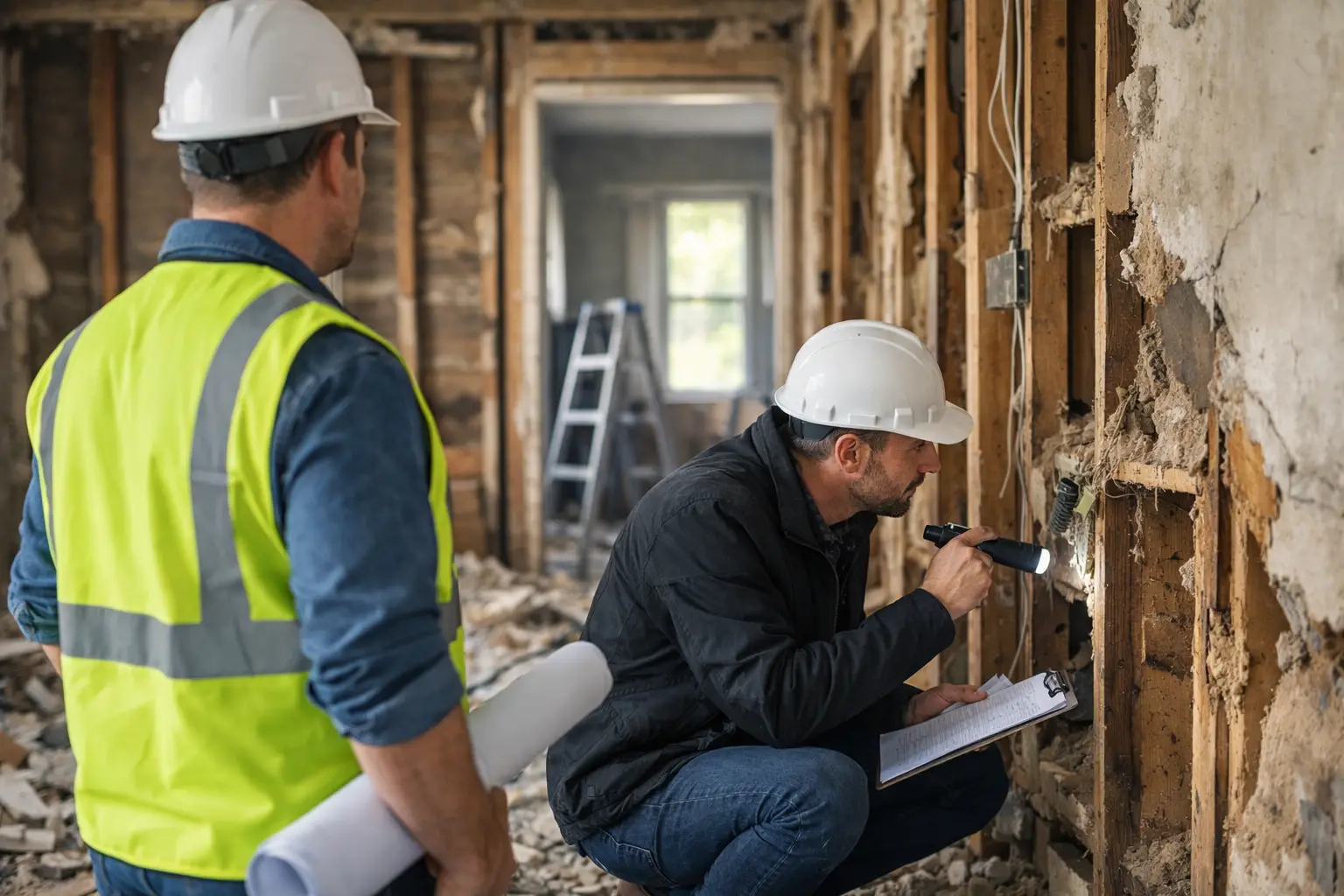
Even the best tool-mounted extraction does not eliminate the need for site protection. Before floor removal begins, nearby rooms, cabinetry, joinery, vents and access routes should be assessed. The crew should establish how materials will leave the property, where rubbish will be loaded and how clean areas will remain separated from the work zone.
Containment may involve temporary barriers, sealed openings and controlled entry points. In sensitive or occupied spaces, air-management measures can add another layer of protection. The goal is straightforward: keep demolition debris and fine dust where the work is happening, not in the rest of the building.
This planning is particularly important during kitchen and bathroom strip-outs. A floor can be removed quickly, but fixing dust damage to appliances, cupboards, soft furnishings or neighbouring tenancies is never quick.
Safety requirements do not stop at dust control
Dust is only one part of safe removal work. Tile removal can expose sharp fragments, unstable screed, hidden services and moisture-damaged areas. Older properties may also contain materials that require assessment before disturbance. If there is any concern about asbestos-containing material, lead-based coatings or an unknown substrate, work should pause until the material is properly identified and handled under the appropriate requirements.
A professional crew also considers manual handling, electrical safety, slip hazards from water or slurry, noise, ventilation and access for other people on site. Fast work is valuable only when it remains controlled.
What to ask before approving floor removal
A capable removal contractor should be able to explain how they will manage dust and waste for your particular site, rather than promising a one-size-fits-all method. Ask whether the work will be wet cut, extraction controlled or a combination of both. Confirm how adjoining rooms, air-conditioning and finished surfaces will be protected.
It is also worth asking what condition the slab will be left in. Removal and preparation are closely connected. If new flooring is being installed, the next trade needs a surface that is clean, sound and suitable for their system, not simply a room with the old covering gone.
At Rapid Stripped, the focus is on selecting the method that gets difficult flooring out, contains the mess and leaves the area ready for what comes next. The right dust-control plan keeps a renovation moving without creating a clean-up job for everyone else.