
A slab can look solid enough until the old flooring comes up. Then the real condition shows itself – adhesive ridges, paint overspray, tile bedding, minor lippage, surface contamination, and low spots that will cause trouble for whatever goes down next. That is where a proper guide to concrete floor grinding matters. Done well, grinding turns a rough, uneven, contaminated surface into one that is clean, level enough for purpose, and ready for the next trade.
What concrete floor grinding actually does
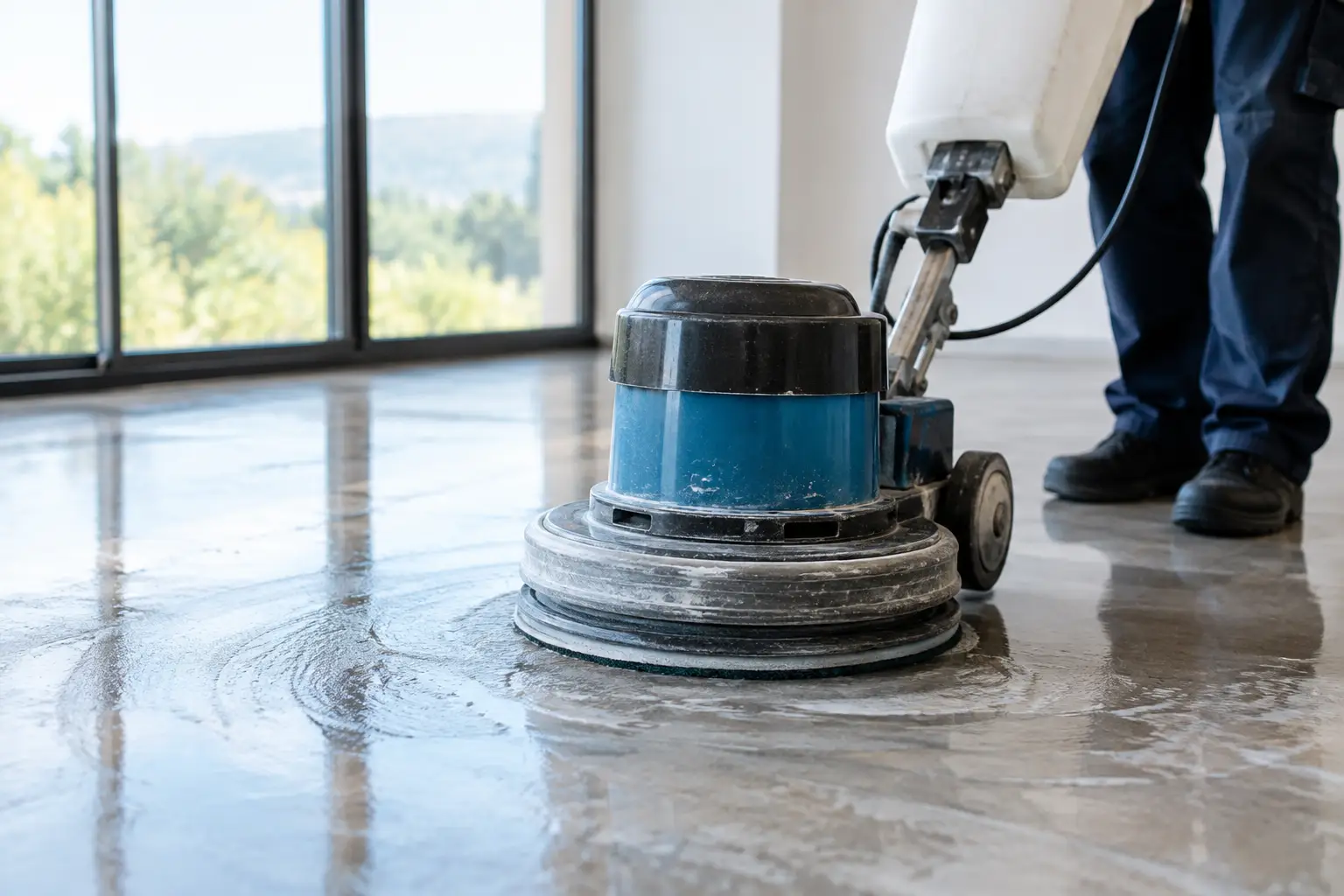
Concrete floor grinding is a mechanical surface preparation process. Specialised grinders fitted with diamond tooling cut into the top layer of the slab to remove coatings, smooth high spots, reduce surface imperfections, and expose clean concrete.
That sounds straightforward, but the result depends on the slab, the previous floor covering, and the finish required. Grinding a garage slab before a basic recoat is one job. Grinding a home or commercial site after tile removal so it is ready for vinyl, timber, epoxy, or polished concrete is another. The equipment, tooling sequence, dust control and level of cut all change depending on the outcome you need.
In practical terms, grinding is often the step that stops the next stage of a renovation from going sideways. If the slab is not properly prepared, adhesives may not bond, boards can telegraph imperfections, coatings can fail, and installers lose time trying to patch around avoidable defects.
When floor grinding is needed
A good guide to concrete floor grinding starts with knowing when grinding is the right fix and when it is only part of the job.
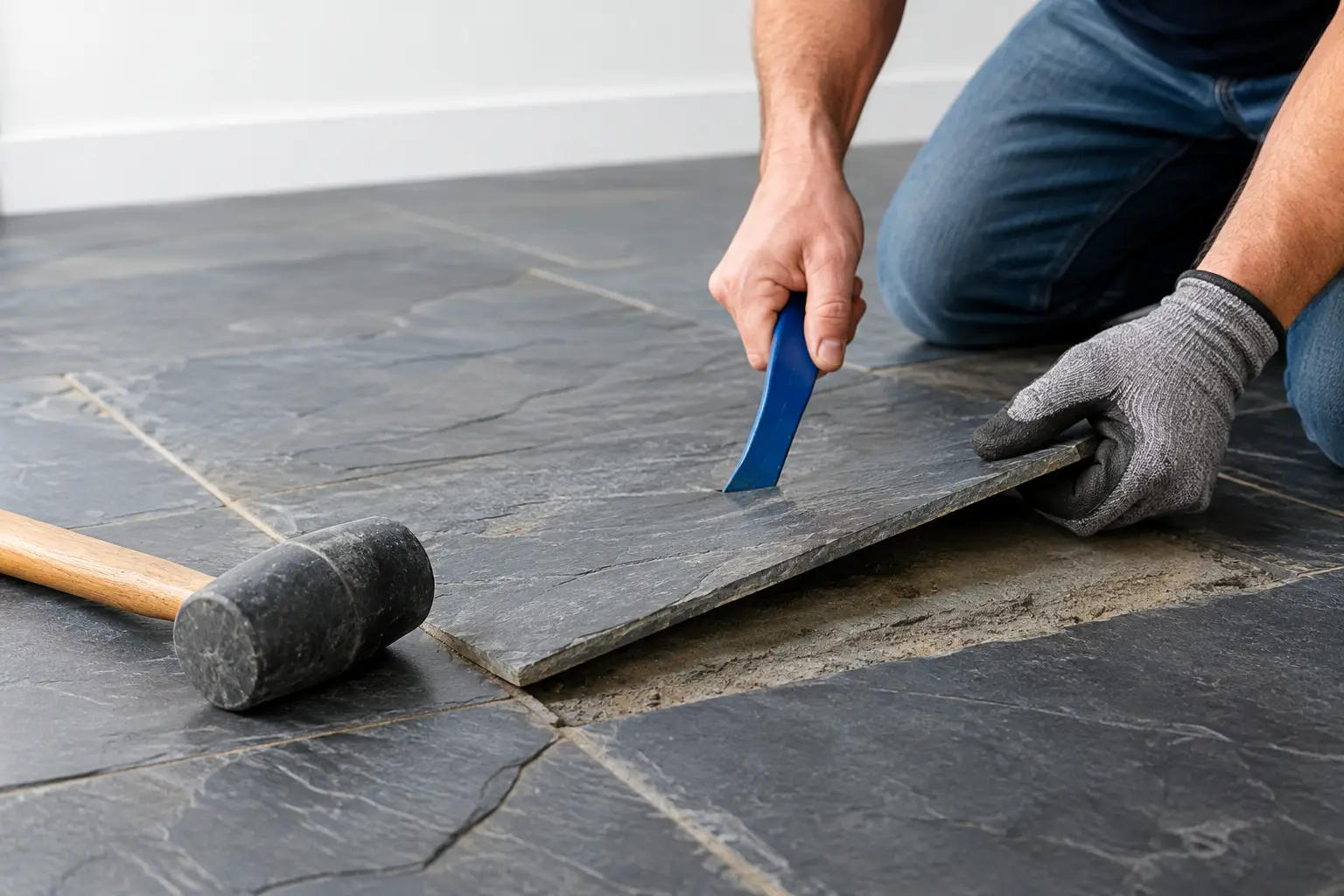
Grinding is commonly needed after tile, vinyl, carpet, timber, cork or epoxy removal where adhesive residue or bedding remains stuck to the slab. It is also used to remove paint, thin coatings, surface sealers, patchy contamination, and small high points that prevent a flat finish.
It can also help when a slab has minor imperfections from previous work. Old patching compounds, feathering failures, uneven tile glue, and rough demolition marks can all leave the floor unfit for reinstallation. In these cases, grinding brings the surface back to a usable standard without unnecessary guesswork.
That said, grinding is not a miracle cure for every slab problem. If the concrete has major structural cracking, severe moisture issues, large movement, or deep hollows, further rectification may be required. Surface prep is critical, but it still has to match the condition of the substrate.
The main outcomes clients ask for
Most jobs fall into one of three categories.
The first is removal grinding. This is about taking off adhesives, coatings, paint, tile bedding, or other bonded materials left after floor stripping. The priority here is clean removal and a surface ready for the next system.
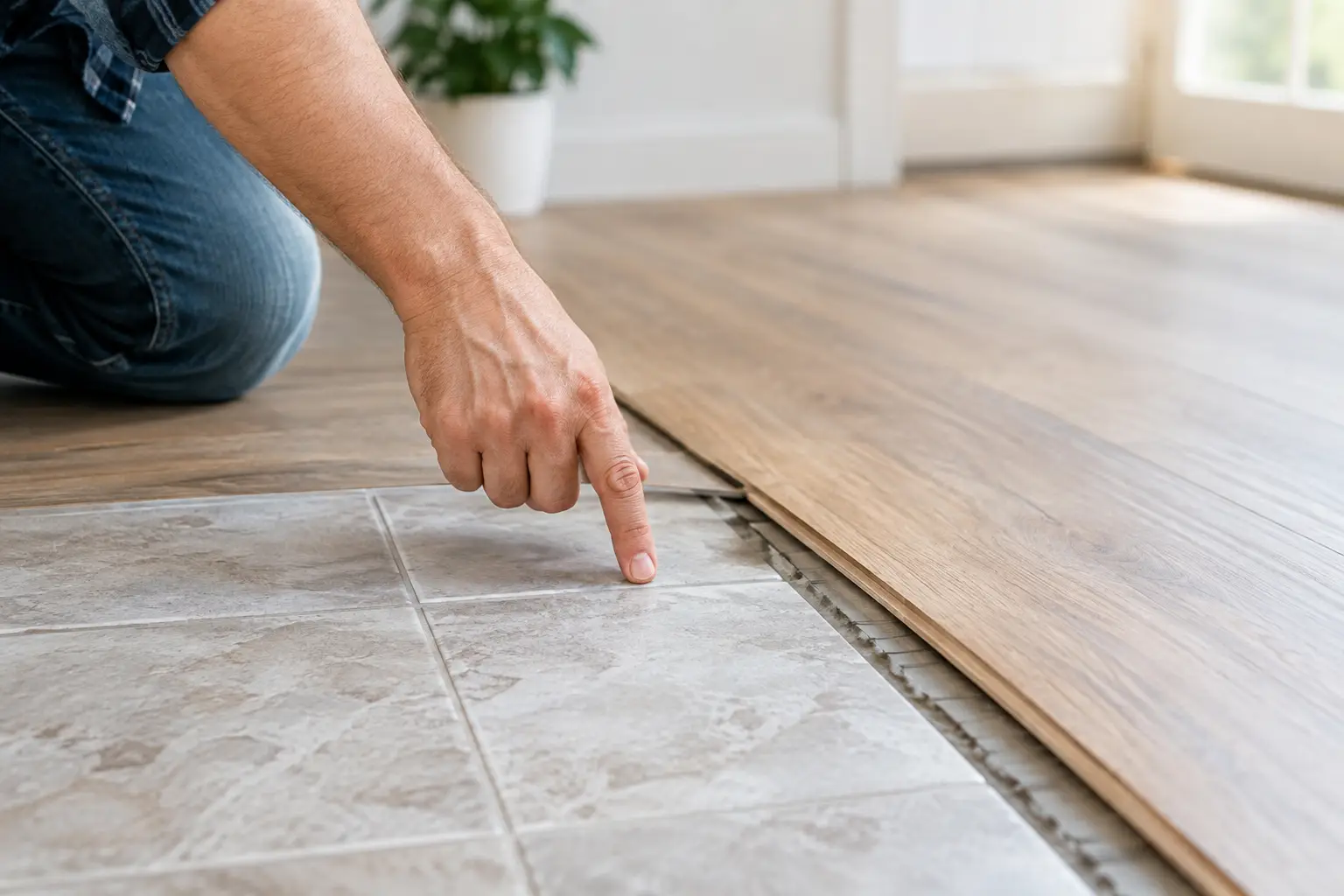
The second is corrective grinding. This focuses on smoothing ridges, knocking down lips between slab sections, reducing trip points, and improving general floor uniformity. It is common in renovations where old and new work meet.
The third is finish grinding. This is used where the slab itself will remain exposed or move toward a polished concrete finish. That process generally involves multiple stages and a tighter standard of refinement than basic prep grinding.
Knowing which outcome you need matters because it affects both the method and the final appearance. A floor prepared for glue-down vinyl does not need the same finish as one intended to be left exposed.
How the grinding process works on site
The process usually starts after the existing floor covering has been removed. Before grinding begins, the slab needs to be assessed for contamination, softness, previous coatings, cracks, embedded adhesives, and access constraints.
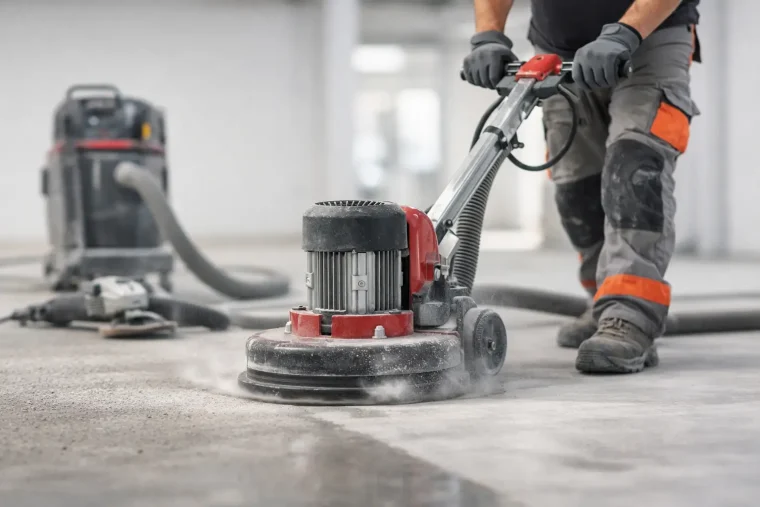
Diamond grinders are then selected to suit the area and task. Larger planetary machines cover open spaces efficiently, while edge grinders and hand tools are used along walls, in corners, and around fixtures where big machines cannot reach. This matters because floor preparation is only as good as the detail work. A neat centre of the room means little if the perimeter is left rough.
The tooling sequence is what really drives the result. Coarser diamonds are used for aggressive removal and levelling. Finer diamonds refine the surface and reduce scratch patterns. On some jobs, a single pass is enough to remove residue and leave a surface suitable for the next layer. On others, several passes are needed to get the slab to the required condition.
Dust control is a non-negotiable part of the job. Professional grinding should be paired with proper extraction equipment to keep airborne dust down and maintain a safer, cleaner site. That is especially important in occupied homes, tenancies, offices, retail spaces, and renovation environments where disruption needs to be controlled.
What affects the final finish
Two slabs can sit side by side and grind very differently. That is why experienced operators assess first and grind second.
Concrete hardness is a major factor. Hard concrete can require different diamonds and more time to achieve a consistent cut. Softer concrete can wear tooling faster and may need a more controlled approach to avoid tearing the surface.
Previous floor coverings also change the job. Old black adhesive, epoxy, waterproofing remnants, self-levelling compounds, paint build-up and tile bedding all respond differently under a grinder. Some come off cleanly. Others smear, gum up, or need a combination of stripping and grinding.
Then there is the issue of flatness versus appearance. If the goal is to prepare for a new covering, the floor needs to meet the installation requirements of that product. That does not always mean a decorative finish. If the goal is an exposed concrete surface, scratch pattern consistency, edge work and aggregate exposure become much more important.
Why floor grinding is not a DIY shortcut
On paper, hiring a grinder might seem like a way to save time. On site, it often creates more delay.
Concrete grinding is heavy, technical work. Tooling choice, machine control, cut depth and dust extraction all matter. Use the wrong diamonds and progress slows to a crawl. Stay in one spot too long and you can gouge the slab. Miss adhesive contamination and the next installer will find it straight away.
There is also the simple reality of clean-up and readiness. Renovation schedules move faster when the slab is stripped, ground and handed over in a condition that the next trade can actually work with. That is where specialist operators earn their place. They know how to remove hard residues, deal with difficult substrates, and leave the floor ready for the next stage without unnecessary rework.
Where problems usually show up
The most common issues appear around the edges of the job. Doorways, bathrooms, kitchen perimeters, under old cabinetry lines, around toilet flanges, and transition points between rooms often hold thicker adhesive, uneven bedding, or mixed substrates.
Commercial jobs bring their own complications. Tight access windows, occupied areas, fixed shelving, tenanted spaces and after-hours requirements all affect how grinding needs to be carried out. In these environments, speed matters, but control matters more. The site still needs to be safe, clean and fit for handover.
This is also why one-pass promises should be treated carefully. Some floors clean up quickly. Others need more than one stage to get the result right. A straight answer up front is better than a rushed job that leaves patchy prep behind.
Choosing the right standard for your project
Not every project needs showroom-level refinement. What it needs is the right preparation for what comes next.
If you are laying new tiles, the priority may be removing old adhesive and creating a sound bondable surface. If you are installing vinyl or hybrid flooring, flatter and smoother prep becomes more critical because imperfections can show through. If you are coating the slab, contamination removal and profile consistency are key. If you want polished concrete, the whole approach changes again, because the slab itself becomes the finished surface.
That is why the best outcomes come from matching the grinding scope to the actual installation plan. Over-grinding wastes time. Under-preparing causes failures.
For homeowners, renovators, builders and property managers, the practical question is simple – will the slab be ready for the next trade, or will someone be fixing it later? A disciplined grinding crew helps keep that answer straightforward.
A concrete floor does not need to be perfect to be usable, but it does need to be properly prepared. If the slab is holding up your renovation, grinding is often the step that gets the job moving again and keeps the rest of the project on track.