
A tiled floor can look straightforward until the tiles come up and reveal a thick, uneven bed of old adhesive, mortar or cement underneath. Tile bedding removal versus grinding is the decision that determines whether the next trade inherits a clean, workable slab or loses time dealing with surface defects, dust and leftover material.
For homeowners and builders, the right approach is not about choosing the fastest-looking method. It is about matching the removal process to the bedding thickness, slab condition and the floor finish planned next. A slab being prepared for large-format tiles needs a different result from one receiving hybrid flooring, polished concrete or a waterproofed bathroom system.
Tile Bedding Removal Versus Grinding: The Key Difference
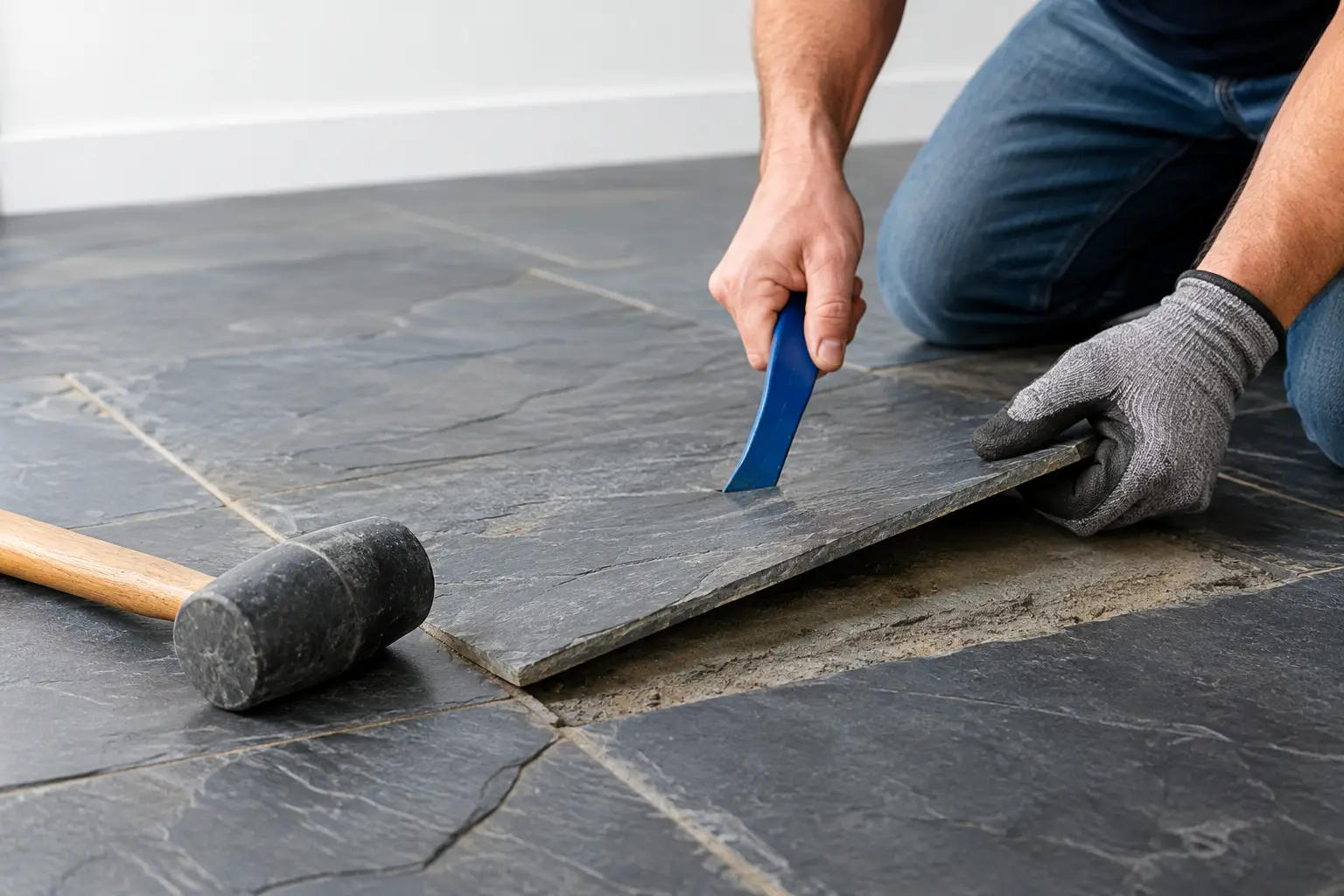
Tile bedding removal means mechanically breaking up and lifting the material beneath the tiles. Depending on the floor, this may involve heavy-duty jackhammers, demolition hammers, floor strippers and hand tools around edges, doorways and services. The aim is to remove the bedding layer in bulk and expose the concrete slab below.
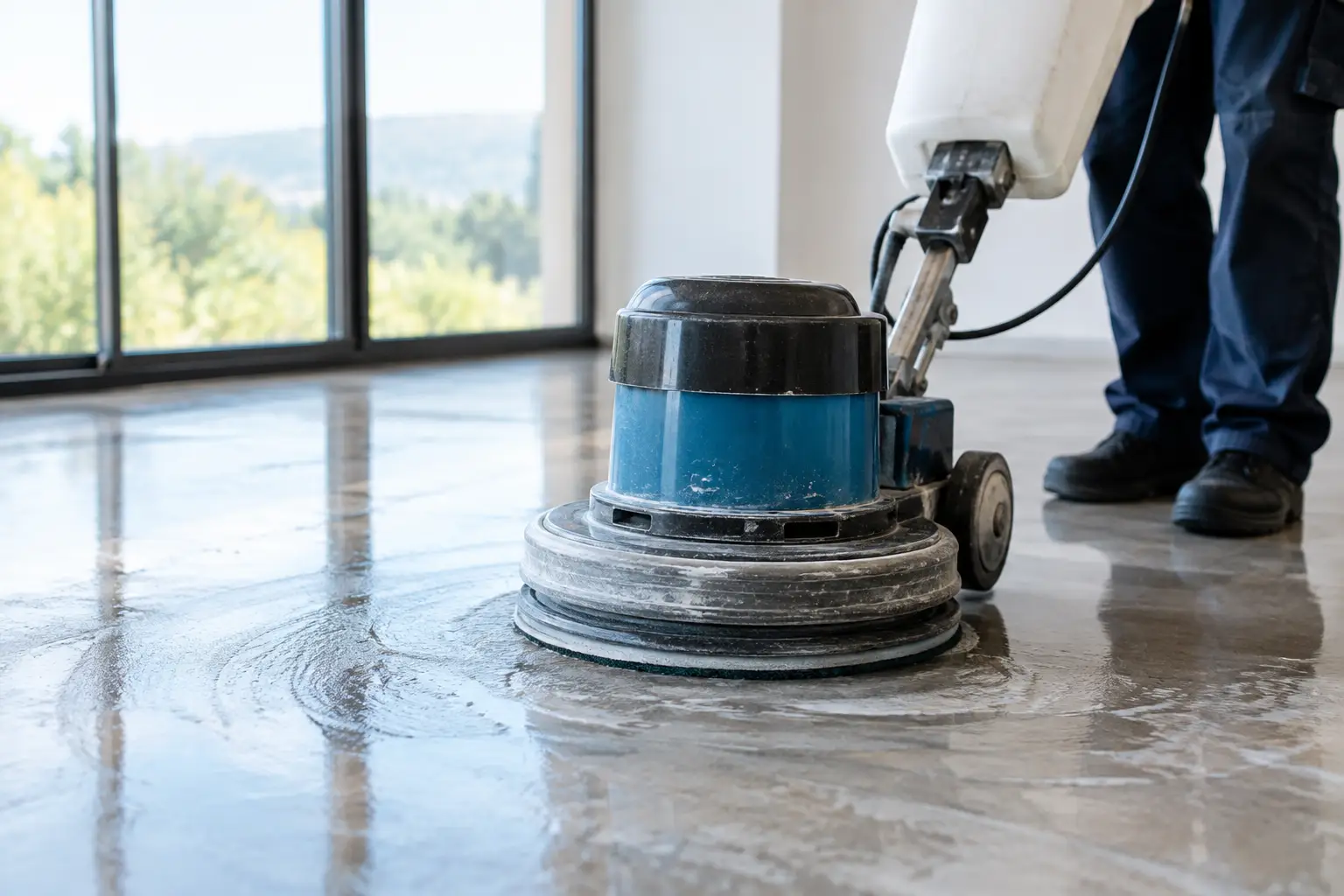
Grinding is a surface-preparation process. Diamond grinding equipment cuts down high spots, residual adhesive, thin mortar and rough concrete to create a flatter, cleaner profile. It is highly effective for controlled refinement, but it is not always the right first method for thick bedding.
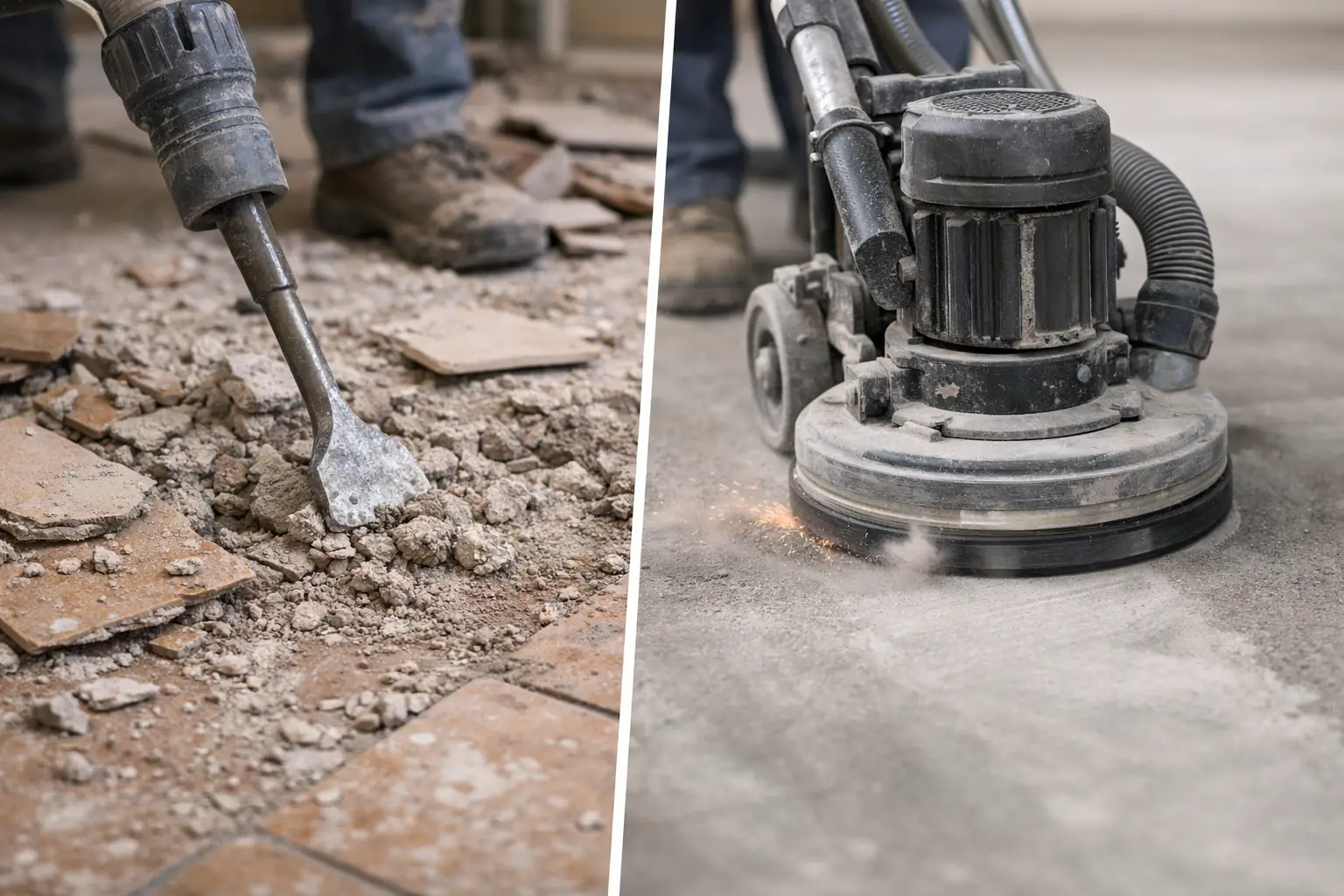
Put simply, removal deals with volume. Grinding deals with accuracy. On many jobs, the best result comes from both: remove the bulk of the tile bed first, then grind the remaining residue and level inconsistencies. Trying to grind through a thick cement bed from the start can be slow, hard on equipment and unnecessarily disruptive.
When Full Bedding Removal Is the Better Option
Full removal is usually the practical choice where the old tile bed is thick, poorly bonded, cracked or uneven. It is also necessary when the finished floor height needs to come down, such as at external doors, transitions between rooms or existing stair landings.
Older homes and commercial spaces often have tile beds built up over several renovations. There may be layers of adhesive, screed, patching compound and tiles sitting above the original slab. Leaving these layers in place can create height issues and make it difficult for a tiler or flooring installer to achieve a sound finish.
Removal is also preferred when the bedding is hollow, drummy or already failing. Grinding a weak layer may make it look flatter temporarily, but it does not turn an unsound substrate into a reliable one. If the material beneath the tile is breaking down, it needs to come out.
Bathrooms are a good example. Waterproofing, falls to wastes, threshold heights and fixture clearances all depend on the floor build-up being correct. Where old bedding has been installed inconsistently, removing it back to a stable base gives the renovation team a proper starting point.
The trade-off with removal
Bedding removal is physical work and can produce substantial rubble. It also requires care around plumbing penetrations, floor wastes, slab edges and areas where concrete may be thinner. A specialist crew plans the work zone, controls dust, removes rubbish progressively and checks the slab as it is exposed.
The surface left after removal will not always be ready for new flooring immediately. Mechanical removal can leave small ridges, adhesive remnants or impact marks. That is where a final grinding pass often earns its place.
When Grinding Is the Smarter Choice
Grinding works best when the tile bedding has already been removed, when only a thin layer of adhesive remains, or when the slab is structurally sound but needs correction before the new finish goes down.
A diamond grinder can remove hard adhesive residue that would interfere with tile glue, levelling compounds, epoxy coatings or vinyl installation. It can also reduce high spots, feather rough areas and open the concrete surface so new products bond properly.
This controlled approach is particularly useful where floor height must stay close to existing levels. In an office fit-out, retail tenancy or unit renovation, removing an entire screed bed may create more work than the project requires. If the existing substrate is sound and the new covering allows it, grinding may deliver the preparation standard needed without taking the floor back further than necessary.
Grinding is also commonly used before polished concrete or concrete coatings. Those finishes expose the slab rather than conceal it, so surface consistency matters. Adhesive shadows, old paint, patch repairs and uneven texture need to be assessed honestly before selecting the final finish.
Grinding has limits
Grinding is not a cure-all. It will not efficiently remove a deep, heavily bonded sand-and-cement bed, and it cannot fix major slab movement, extensive cracking or moisture problems. It also cannot make a severely uneven floor perfectly level without additional levelling work.
The other consideration is dust. Concrete grinding can generate fine silica dust, which needs proper controls. Professional operators use suitable dust extraction, well-maintained equipment and safe work practices to keep the work area cleaner and protect people on site. This matters in occupied homes, strata buildings, live retail spaces and commercial properties operating nearby.
The Condition of the Slab Decides the Method
The visible surface tells only part of the story. Before deciding between removal and grinding, the floor should be inspected for bedding thickness, hollow areas, moisture signs, cracks, old repairs and changes in level. The planned floor covering matters just as much.
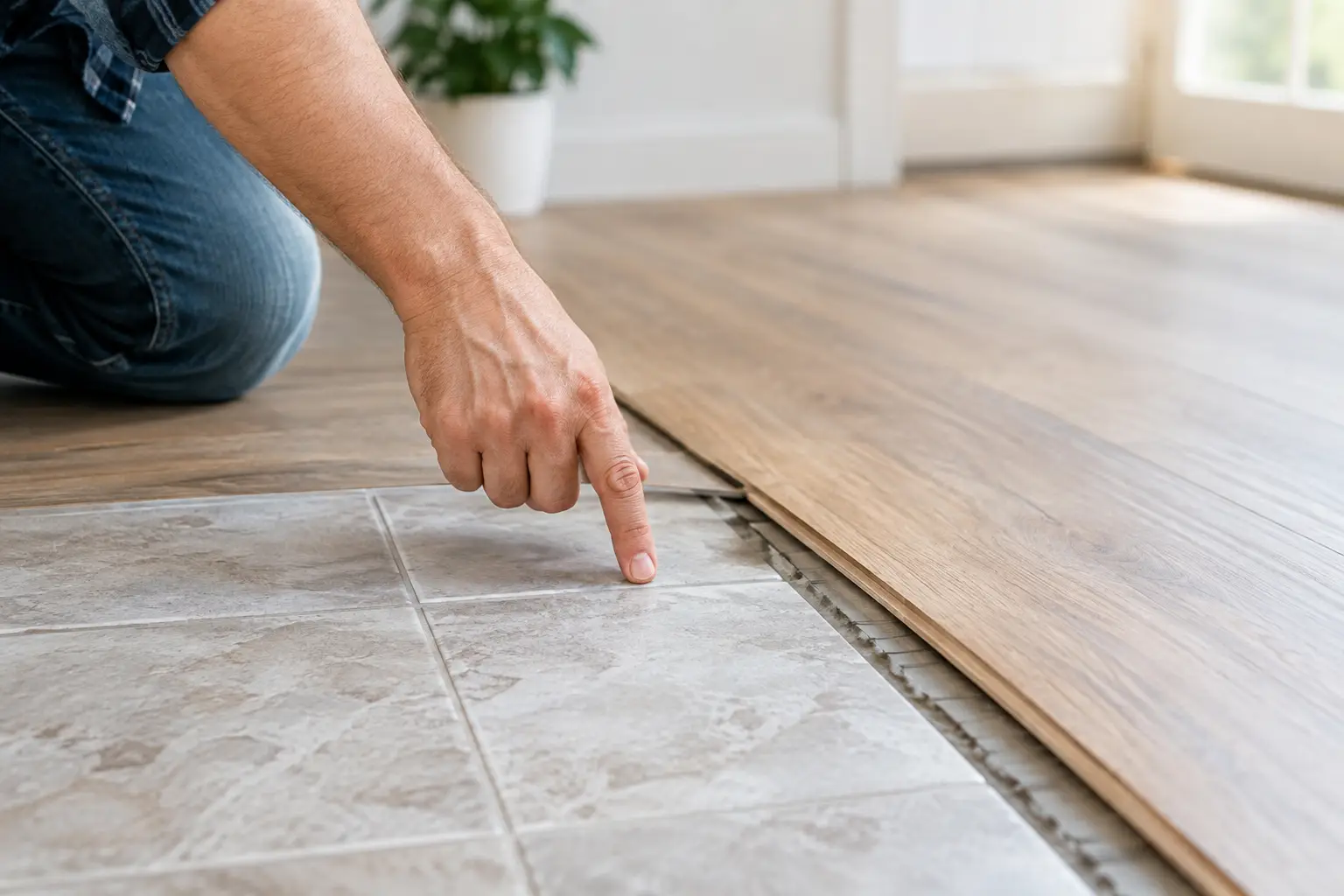
New tiles can tolerate some minor slab variation because adhesive can be used to make controlled adjustments. Hybrid, vinyl and timber products generally require tighter flatness tolerances. A floor that looks acceptable after tile removal may still be unsuitable for a floating floor without grinding and levelling.
The age and construction of the building can also affect the plan. Ground-floor concrete slabs, suspended slabs, balconies and upper-level units each need a different level of caution. On upper levels, noise, vibration, access, waste removal and building rules all need to be managed before work begins.
Why a Combined Approach Often Produces the Best Result
On demanding floor removal jobs, it is rarely a straight choice between one method and the other. The efficient sequence is often to lift tiles, mechanically remove the thick bedding, then use grinding equipment to clean and refine the exposed slab.
This approach avoids wasting time trying to grind away material that is better broken out. It also avoids handing the next trade a rough demolition finish when the project needs a prepared substrate. The result is a floor that is cleaner, flatter and more predictable for waterproofers, tilers, flooring installers and builders.
For example, a kitchen renovation may have old ceramic tiles set on a thick cement bed, with adhesive residue around the perimeter and several high points near the old island bench. Bulk removal clears the build-up efficiently. Grinding then removes the remaining residue and reduces the high spots so the new flooring system can be installed to the correct level.
What a Site-Ready Finish Should Look Like
A proper floor preparation job is not judged by whether the old tiles are gone. It is judged by whether the area is ready for the next stage without avoidable patching, delays or surprises.
A site-ready result means the loose material has been removed, rubbish is cleared, obvious adhesive and bedding remnants have been addressed, and the slab condition is visible for assessment. It does not mean every slab will be perfectly level, because some floors require a separate levelling compound or screed specified by the installer. It does mean the existing surface has been prepared honestly and professionally.
Rapid Stripped assesses the floor as a whole, not just the top layer. That includes access, substrate condition, surrounding finishes and the requirements of the renovation ahead. Most straightforward removal and preparation work can be completed quickly, but the right method is always determined by what is actually under the tiles.
If you are planning new flooring, ask the installer what substrate tolerance and finish they require before removal starts. That one conversation helps determine whether full bedding removal, grinding or a combined process will leave your project ready to move forward.