
Glue left behind after floor removal is where a straightforward renovation can turn into a drawn-out mess. The best methods for glue removal depend on three things – the type of adhesive, the surface underneath, and how clean the substrate needs to be for the next stage. Get that call wrong, and you can damage the slab, gouge the timber, or waste days chasing residue that should have been removed properly the first time.
In renovation work, adhesive removal is rarely just about appearance. Old glue can stop new flooring from bonding, create uneven finishes, trap moisture, and hold dust and contaminants in the surface. Whether you are lifting vinyl in a shop, pulling up carpet in a rental, or preparing a house slab for new tiles, the right removal method matters because the next trade is relying on a clean, sound base.
Best methods for glue removal start with the adhesive type
Not all glue behaves the same. Pressure-sensitive adhesives, tile glues, epoxy residues, carpet backing glues, contact adhesives and old black mastics each respond differently to scraping, heat, grinding or solvents. That is why guessing is usually where the trouble starts.
If the adhesive is soft, tacky or rubbery, mechanical scraping often works well as a first pass. If it has hardened and bonded tightly into porous concrete, grinding is usually the more effective option. If it sits on top of a sealed surface, a controlled solvent or heat approach may help loosen it without major surface damage. The method has to match the job.
Age also changes the equation. Older adhesives often become brittle, while some soften again with heat. Others, especially on concrete, soak into the pores and need more than surface scraping. What looks like a thin residue can still be enough to cause failure under new coatings or floor coverings.
Mechanical removal is often the fastest option
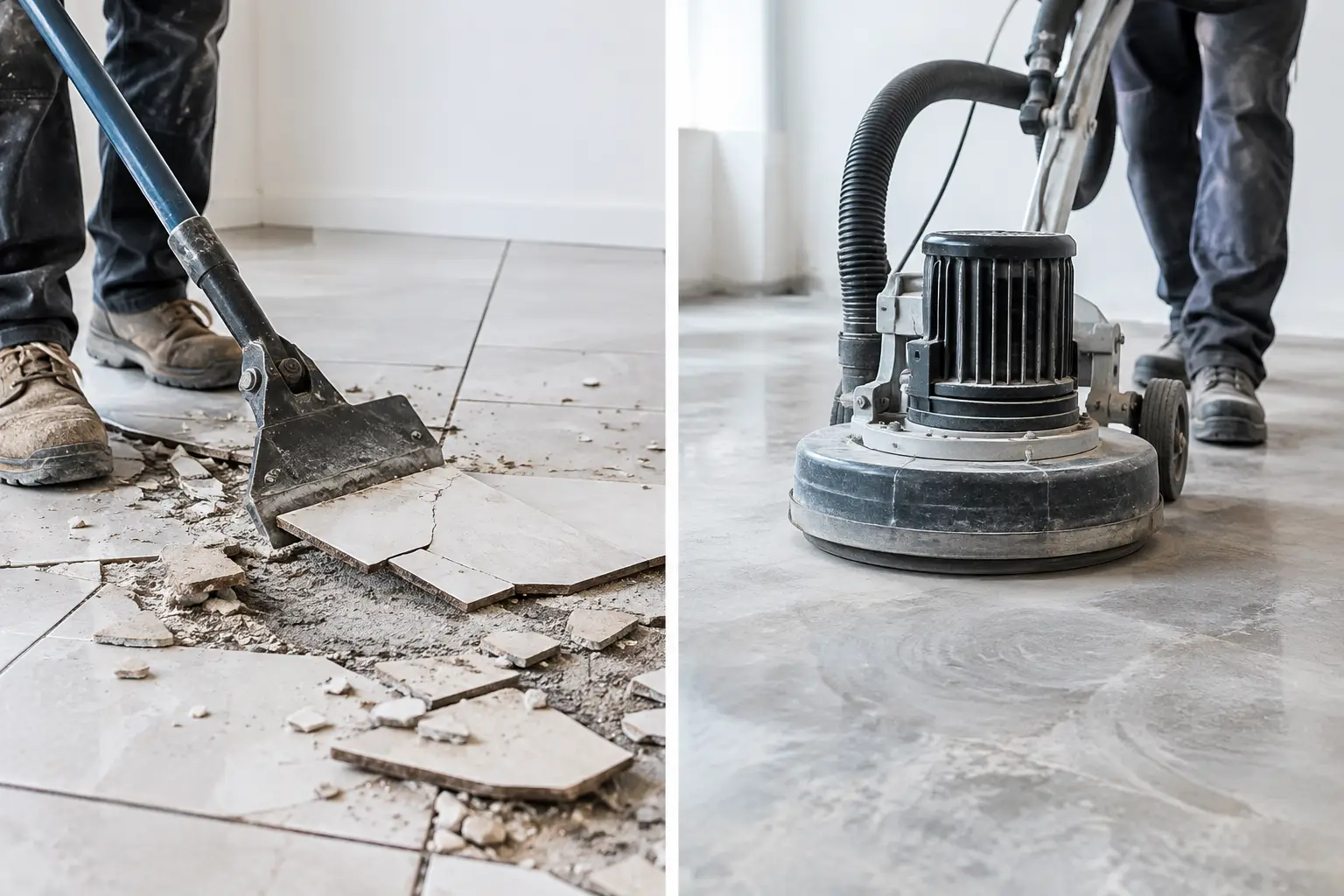
For large floor areas, mechanical removal is generally the most reliable starting point. Floor scrapers, ride-on removers, jackhammer-style stripping tools and diamond grinders can remove adhesive far more efficiently than hand tools alone. On commercial and renovation sites, speed matters, but so does consistency. A machine gives a more even result across the slab.
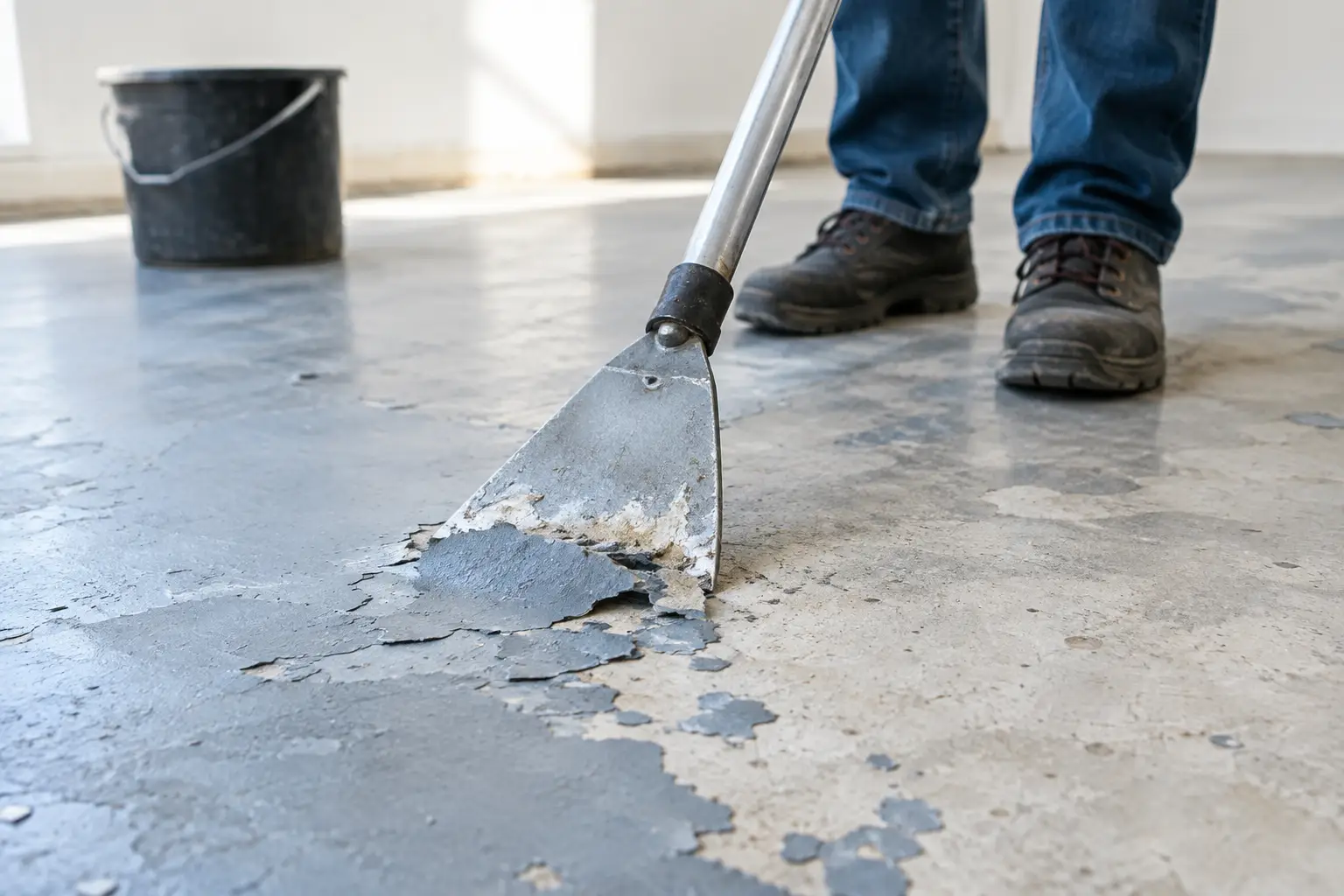
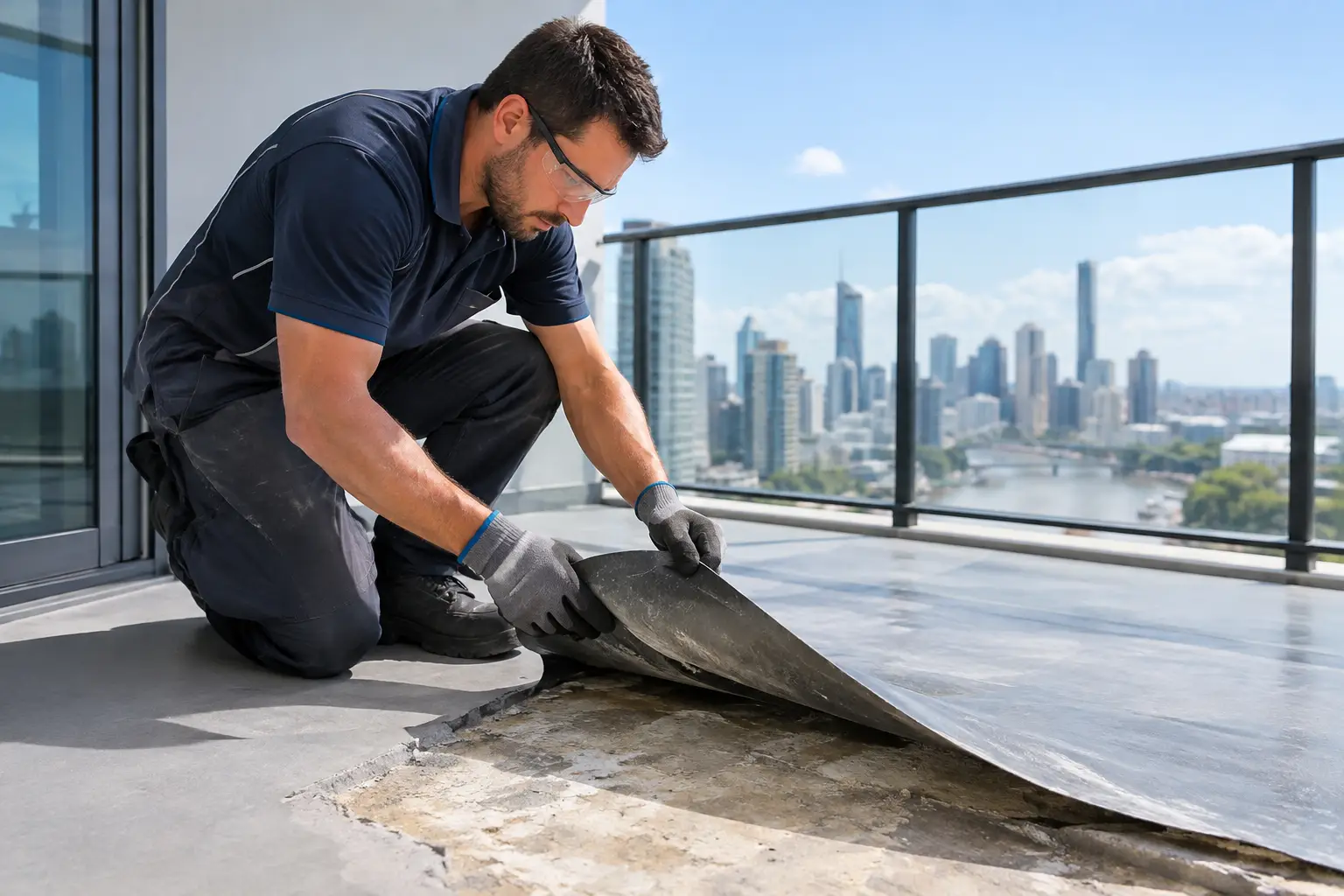
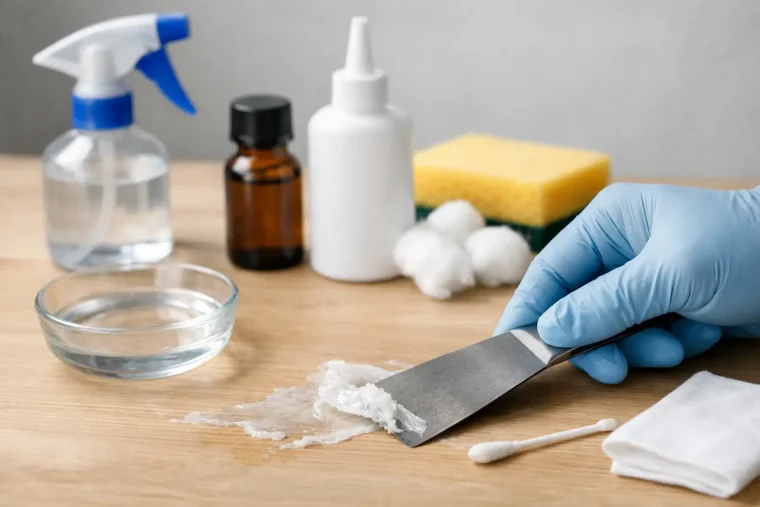
Scraping works best where the glue is sitting proud of the surface. It is common after vinyl, cork, carpet and some tile underlays are removed. The upside is straightforward – no chemical residue, less waiting time, and immediate visibility of the substrate condition. The downside is that scraping alone often leaves a film behind, especially on porous concrete.
Grinding is the next step when the slab needs to be properly prepared for new finishes. It removes residual glue and helps create a cleaner, more uniform surface. The trade-off is that grinding needs the right equipment, proper dust control and an operator who knows how not to overwork the slab. Done poorly, it can leave swirl marks, gouges or an uneven profile that creates fresh problems.
On timber, extra care is needed. Aggressive grinding or scraping can tear fibres, dish boards and make refinishing harder. In those cases, a gentler approach is usually better, and sometimes the real answer is that full glue removal without affecting the timber finish is not realistic.
When heat helps – and when it does not
Heat can be one of the best methods for glue removal in small, targeted areas. A heat gun softens certain adhesives so they can be lifted with a scraper rather than chipped away. This can be useful on stair treads, skirting residues, spot repairs or smaller sections where machine access is limited.
The catch is that heat is not a universal fix. Some adhesives smear when warmed, which actually spreads the problem. Others release unpleasant fumes or become sticky enough to clog tools. On old floors, excessive heat can also affect coatings, scorch timber, or soften nearby materials you did not intend to disturb.
That is why heat works best as a controlled method, not a default one. It has its place, especially for detail work, but it is rarely the answer for full-floor preparation.
Solvents have a role, but they are not always the clean solution
Many people assume glue remover in a tin is the easy path. Sometimes it is useful, particularly for contact adhesives, tape residues or stubborn patches that resist scraping. But solvents bring their own set of issues, especially on active renovation sites.
First, not every solvent is compatible with every substrate. Concrete can absorb chemical residues. Timber can stain or swell. Some products leave an oily film that must be removed before the next flooring system goes down. That means you may solve one problem and create another.
Second, there is the worksite side of it. Ventilation, odour, handling requirements and clean-up all matter. In occupied homes, retail spaces or offices, chemical methods can be more disruptive than expected. They also tend to slow the process because you are waiting for dwell time, reworking softened adhesive, then cleaning the surface afterwards.
In practice, solvents are usually a support method rather than the main strategy. They can help with edges, corners and isolated residues, but for broad-area floor prep, mechanical removal is often the more dependable route.
The best methods for glue removal on concrete
Concrete is where most adhesive problems end up, and it is also where poor removal causes the biggest setbacks. New flooring systems need a clean, stable surface. If glue residue remains, it can interfere with levelling compounds, waterproofing, epoxy coatings and adhesive bond performance.
For concrete, the best result usually comes from a staged approach. Start with stripping or scraping to remove the bulk adhesive. Then assess the slab. If there is still a bonded film, grinding is typically the right move to expose clean concrete and produce a surface ready for the next trade.
This is also where experience matters. Some slabs are soft and can be marked easily. Others have previous patching, curing compounds, paint overspray or moisture issues hiding under the glue. If you attack the whole floor the same way, you can end up with an inconsistent finish. A proper operator adjusts tooling and pressure based on what the slab is doing, not what the machine can do at full force.
Glue removal from tiles, timber and finished surfaces
When the surface is staying, caution becomes more important than speed. Removing glue from tiles may be possible without major damage if the adhesive sits on the face rather than being embedded in grout lines or texture. On smooth surfaces, careful scraping and product-specific removers can work. On textured or porous tiles, results are less predictable.
Timber is less forgiving. Adhesive on raw boards may be sanded back as part of refinishing, but adhesive on finished timber or engineered boards is another matter. Strong solvents can mark the coating, and aggressive scraping can leave permanent damage. If the goal is preservation rather than demolition, test areas are essential.
Finished surfaces always come with a trade-off. The more completely you want the glue gone, the higher the risk of changing the appearance of the substrate. That does not mean the job cannot be done. It means expectations need to match the material.
Why DIY glue removal often drags on
Small adhesive patches can be tackled by a capable DIY renovator. Once it becomes a whole-floor job, though, time and equipment start to separate a weekend effort from a professional result. Hand scrapers, hardware-store chemicals and hire-shop tools can get some glue up, but often not to the standard needed for new flooring.
The usual issue is not effort. It is that the residue left behind still matters. A slab might look clean until levelling compound fails to bond. A room might seem ready until the new vinyl telegraphs every ridge. By then, the floor has to be reworked, and the delay costs more than the original removal would have.
There is also the clean-up factor. Adhesive removal creates dust, debris and sometimes sticky waste that spreads quickly through a site if containment is not handled properly. On homes, offices and tenanted spaces, that can be a bigger problem than the glue itself.
When to bring in a specialist
If the job involves a large area, bonded adhesive on concrete, tight timeframes, difficult access, or a site that needs to stay clean and safe, a specialist is usually the right call. The same applies if you are preparing for new tiles, epoxy, polished concrete, timber or vinyl and cannot afford substrate issues.
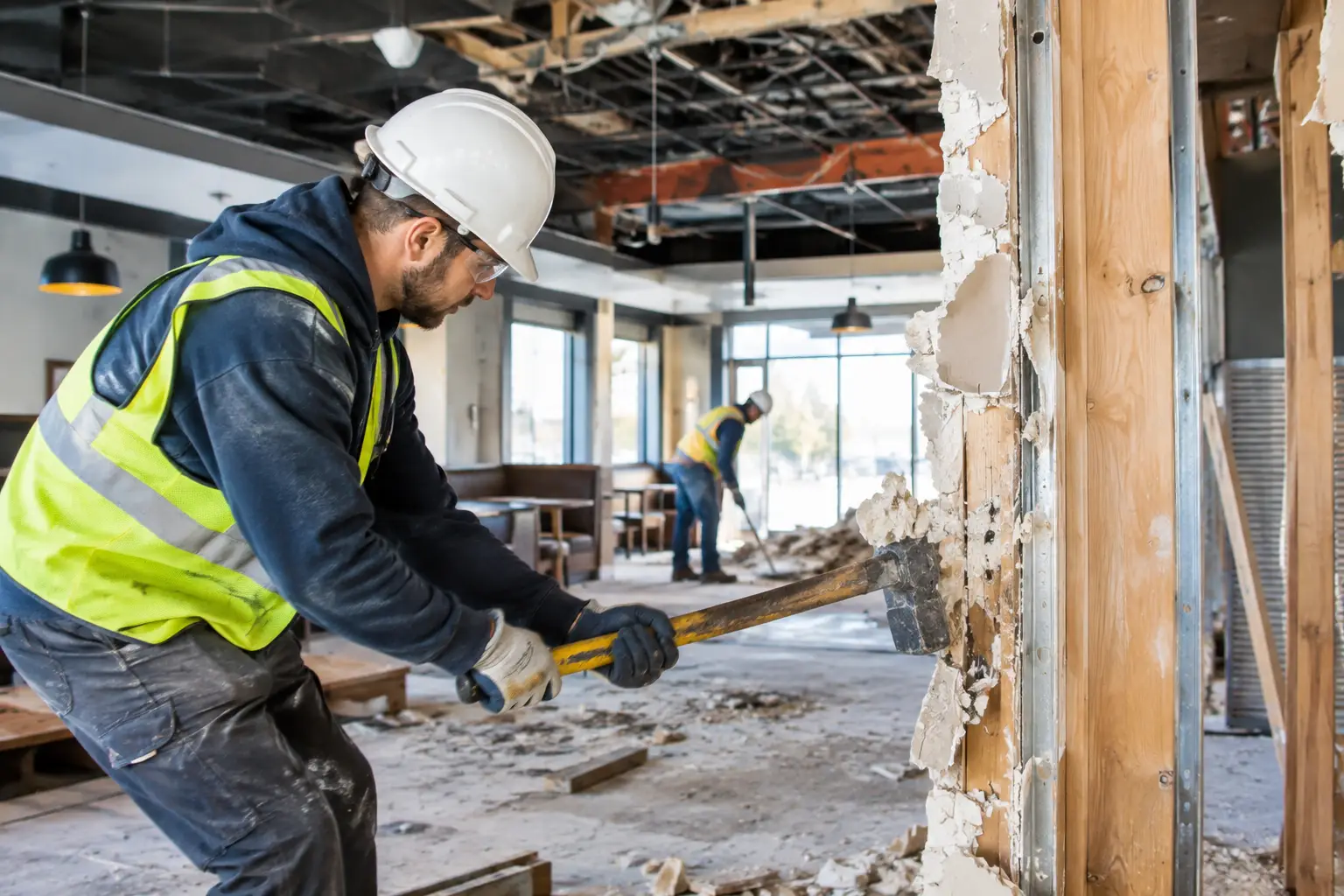
A proper removal crew is not just there to strip the floor. They are there to leave the surface ready for what comes next. That means using the right removal method, controlling dust, managing waste, and recognising when the slab needs grinding rather than more scraping. For builders, renovators and property owners, that readiness is what keeps the rest of the project moving.
At Rapid Stripped, that is the standard we work to on residential and commercial jobs across Northern NSW, the Gold Coast, Brisbane and the Sunshine Coast – fast turnaround, clean execution and a substrate prepared properly, not just made to look better.
If you are staring at glue residue and wondering which method is worth your time, start with the surface and the finish you need at the end. The right removal method is the one that gets the floor ready for the next stage without creating another problem to fix.