

Removing old tiles, grinding adhesive or breaking up a bathroom floor can create more than a mess. It can release respirable crystalline silica, a fine dust that is not always obvious in the air but can remain a serious risk long after the tools stop. That is why silica safety technology is not an optional add-on for professional floor removal. It is part of how a job is planned, contained and completed properly.
For homeowners, builders and property managers, the practical outcome is simple: less dust moving through the property, safer working conditions and a cleaner slab ready for the next trade. For the removal crew, it means using the right equipment, controls and work methods instead of relying on a broom and an open window once the damage is done.
Why silica dust needs a serious approach
Silica is found in many common construction materials, including concrete, mortar, engineered stone, tiles, grout, render and some adhesives. When these materials are cut, drilled, chased, ground or demolished, they can release dust small enough to be breathed deep into the lungs.
The risk is highest where work is dry, enclosed or prolonged. A small bathroom strip-out, for example, may look straightforward, but removing wall and floor tiles can involve breaking tile, bedding and mortar in a confined room with limited ventilation. Grinding a concrete slab to remove adhesive residue can create a similar issue if dust is not captured at the source.
A professional approach does not treat visible dust as the only problem. The finest particles are often the ones that matter most. Good control starts before tools are switched on, with an assessment of the materials, work area, access points and the next stage of the renovation.
What silica safety technology looks like on a real job
Silica control is not one machine or one mask. It is a system of equipment and site practices that work together. The exact setup depends on the substrate, the type of covering being removed, the size of the area and whether the property is occupied.
Source capture at the tool
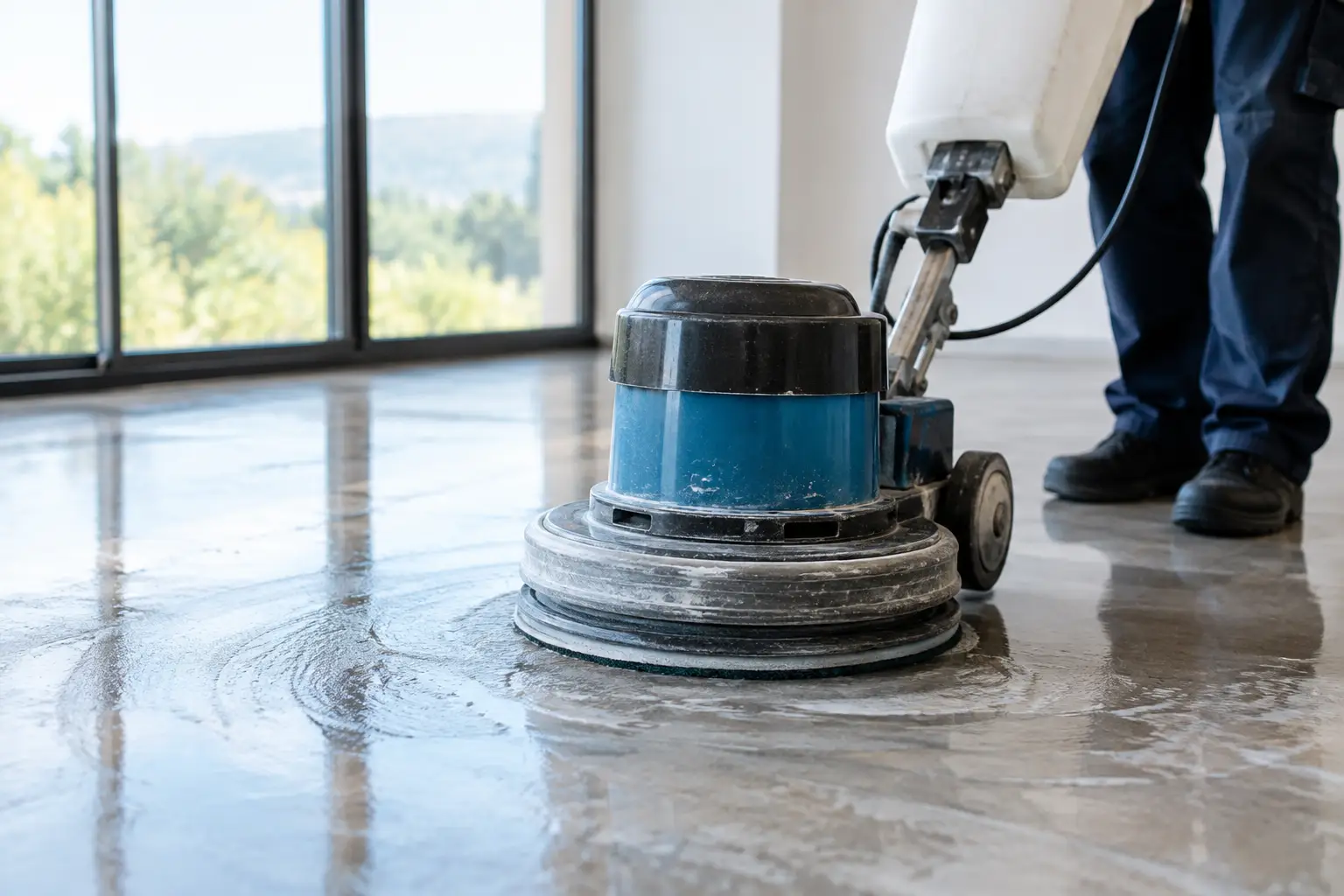
The best place to control dust is where it is created. Purpose-built floor grinders, scarifiers and demolition tools can be connected to suitable dust extraction equipment so particles are captured at the point of work rather than allowed to spread across the room.
This matters when removing tough tile adhesive, levelling compounds, epoxy coatings or residual bedding from a slab. Grinding may be the right method for achieving a clean, level surface, but only when the machine is matched with effective extraction. A poorly connected vacuum, worn shroud or overloaded collection system can undermine the whole process.
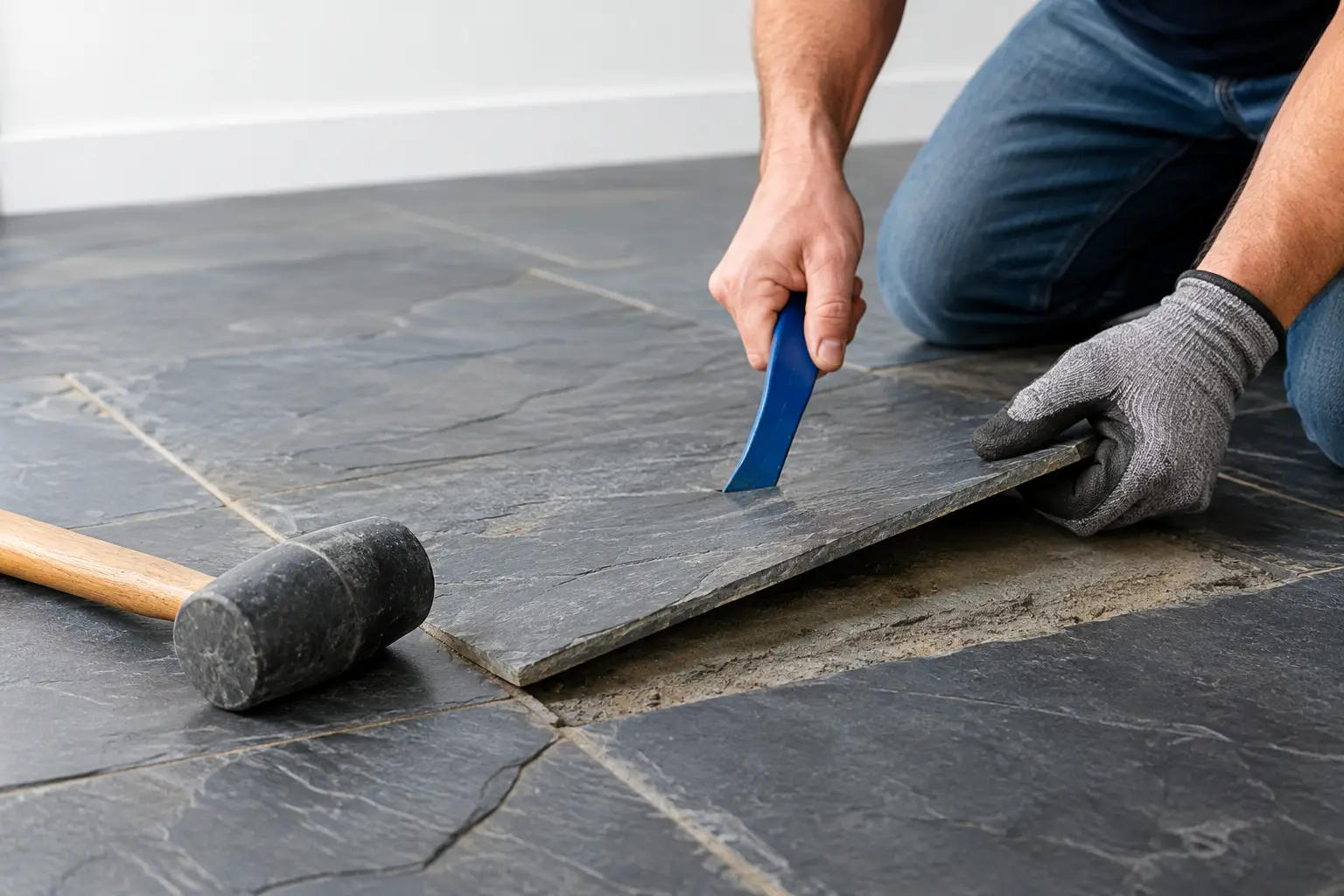
For tile removal, tool selection also makes a difference. Efficient stripping equipment reduces unnecessary breakage and limits the amount of time spent aggressively chipping at the substrate. Less uncontrolled impact generally means less dust, less damage to the slab and a faster path to a renovation-ready surface.
Industrial dust extraction
A household vacuum is not designed for construction dust. Professional extraction systems are built to manage fine particulate, maintain airflow under load and contain collected dust for controlled disposal. Filtration, hose condition and correct fitment are all part of performance.
Extraction equipment must also be sized for the task. A compact room may need a different arrangement to a large commercial floor removal project. Long hose runs, multiple operators and heavy grinding loads can affect suction. The right system is the one that keeps capture effective throughout the shift, not simply the one that starts the job with impressive suction.
Wet methods where they suit the work
Water can suppress dust during certain cutting, drilling and grinding tasks. It is useful, but it is not a catch-all solution. Wet work creates slurry that must be managed properly, particularly inside homes, units and commercial premises where drains, finished surfaces and access paths need protection.
There is also a trade-off between dust suppression and site cleanliness. Excess water can spread contaminated slurry, delay follow-on trades or create slip hazards. On a well-managed job, wet methods are used where they make sense, while extraction, containment and cleaning controls deal with the rest.
Containment and clean access paths
Dust does not stay politely inside the work zone. It travels under doors, through air-conditioning pathways and along foot traffic routes. In occupied homes, medical facilities, offices, retail sites and multi-unit buildings, isolating the work area is often as important as the removal itself.
Temporary barriers, sealed openings and controlled entry points help keep dust out of adjoining rooms. Floor protection and designated travel paths reduce the chance of workers carrying debris through the property on boots, trolleys or equipment. Where the job calls for it, negative air arrangements can help manage airborne dust within the contained area.
Containment takes time to install, but it saves time later. It reduces clean-up, protects finished areas and helps prevent an otherwise contained strip-out from turning into a whole-property dust problem.
The process matters as much as the equipment
Even the best silica safety technology cannot compensate for poor work habits. Dust control depends on the crew checking equipment before use, keeping shrouds close to the surface, emptying collection systems safely and cleaning as they go.
Dry sweeping is a common example of what not to do. It puts fine dust straight back into the air. The better approach is to use suitable vacuum cleaning methods and controlled removal of debris. Rubbish should be bagged or contained before it leaves the work area, not dragged through a home or commercial space uncovered.
Site sequencing also matters. If demolition, tile removal and slab grinding are organised in the right order, the crew can contain dust once rather than repeatedly setting up and pulling down barriers. It also gives other trades a cleaner, safer area to inspect and begin work.
For clients, this planning reduces disruption. It means fewer delays caused by avoidable cleaning, less risk to nearby finishes and a more predictable handover to the builder, tiler, floor layer or painter.
When the level of control needs to change
Not every strip-out carries the same silica exposure risk. Pulling up carpet or floating timber flooring generally presents a different dust profile to grinding concrete or demolishing tiled bathrooms. But mixed-material projects can change quickly.
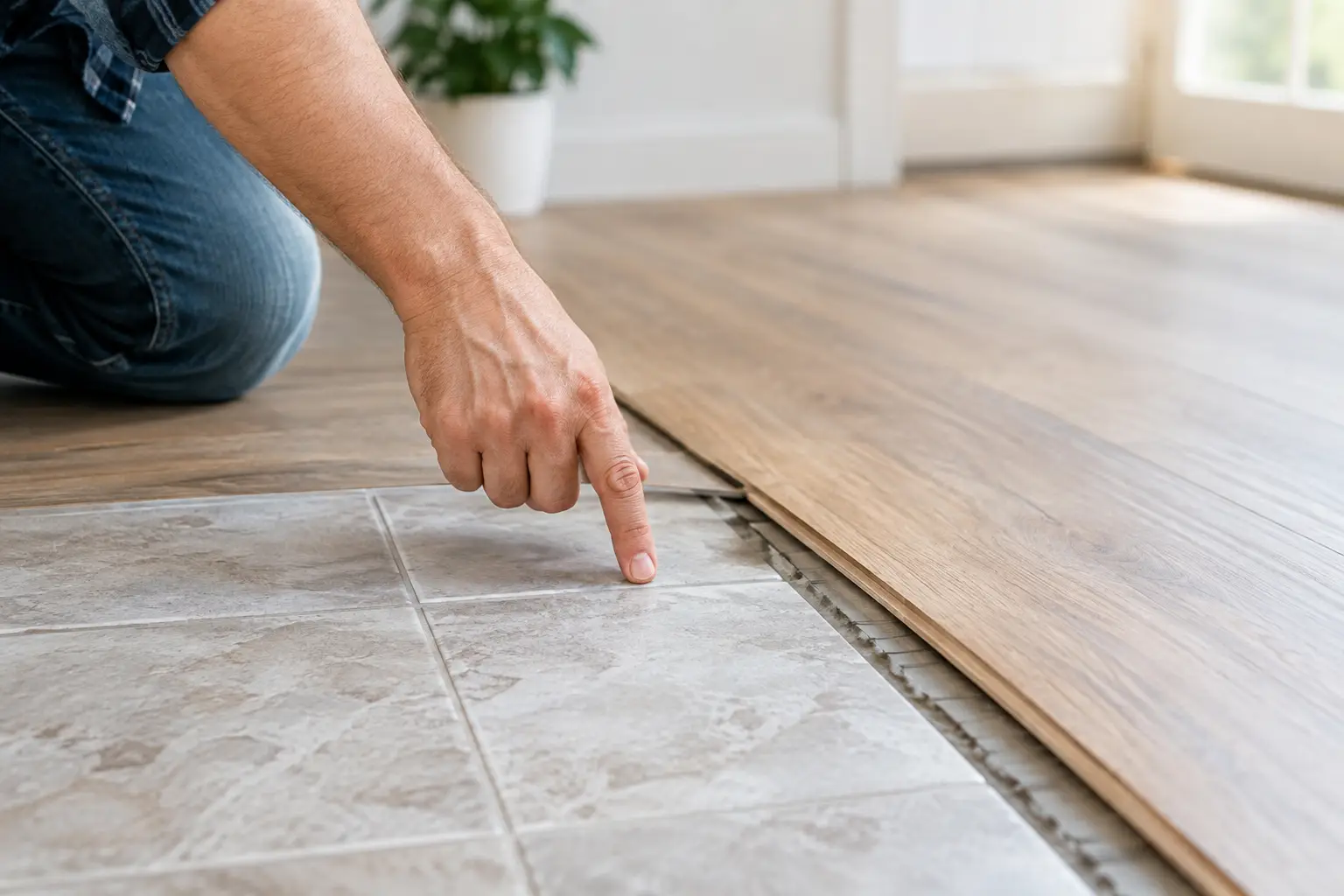
A vinyl removal job may uncover hard adhesive requiring mechanical grinding. An old tile floor may have a thick mortar bed that needs controlled removal. A commercial kitchen strip-out can involve tiled walls, epoxy-coated floors and concrete repairs underneath. The control measures need to follow the actual work, not the original assumption made at quote stage.
Occupied properties deserve extra attention. Families may be living in adjoining rooms, a business may need to reopen promptly, or a strata building may have shared corridors and lifts to protect. In these situations, dust control is directly connected to the quality of the customer experience. Fast work is valuable, but fast and contained work is what keeps the project moving.
Choosing a contractor for dust-controlled removal
If you are arranging floor removal or a renovation strip-out, ask practical questions. What equipment will be used to remove dust at the source? How will nearby rooms and access areas be protected? Is slab grinding included, and how will the residue be captured? What is the plan for cleaning and removing debris at the end of the job?
Clear answers are a good sign. So is a contractor who explains where the risks are likely to be rather than promising that every job is identical. Some floors release cleanly. Others need grinding, scraping or heavier demolition to achieve the required result. A specialist should be able to adjust the method without sacrificing site control.
At Rapid Stripped, dust management is treated as part of delivering a clean, usable site, not as an afterthought once the floor is gone. That approach is especially valuable across busy renovations and commercial projects where the next trade needs a properly prepared surface without unnecessary hold-ups.
The best result is not simply an old floor removed quickly. It is a controlled job where the work area is protected, the slab is ready for what comes next and everyone can get on with the renovation with confidence.