
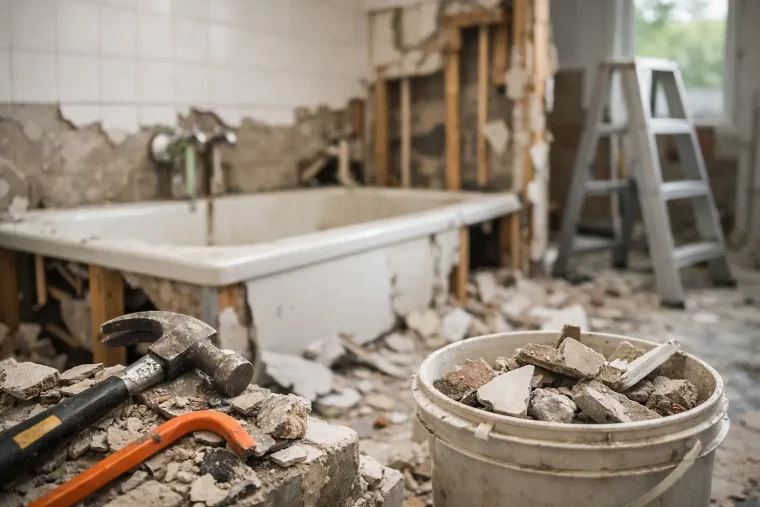
A bathroom reno can stall before it even starts if the strip-out is done badly. Cracked pipes, damaged slabs, hidden moisture left behind, and a site full of rubble all create delays that ripple through the rest of the job. If you need a bathroom strip out northern NSW property owners can rely on, the goal is simple – clear the room properly, protect what matters, and leave it ready for the next trade.
That sounds straightforward, but bathrooms are one of the most technical spaces to strip. You are not just removing tiles and fittings. You are dealing with waterproofing, bedding, adhesives, wall linings, fixtures, drainage points, and often tight access. Get too aggressive and you can damage the substrate or surrounding rooms. Go too slow or too messy and the renovation loses momentum before the waterproofers or tilers even arrive.
What a proper bathroom strip out actually involves
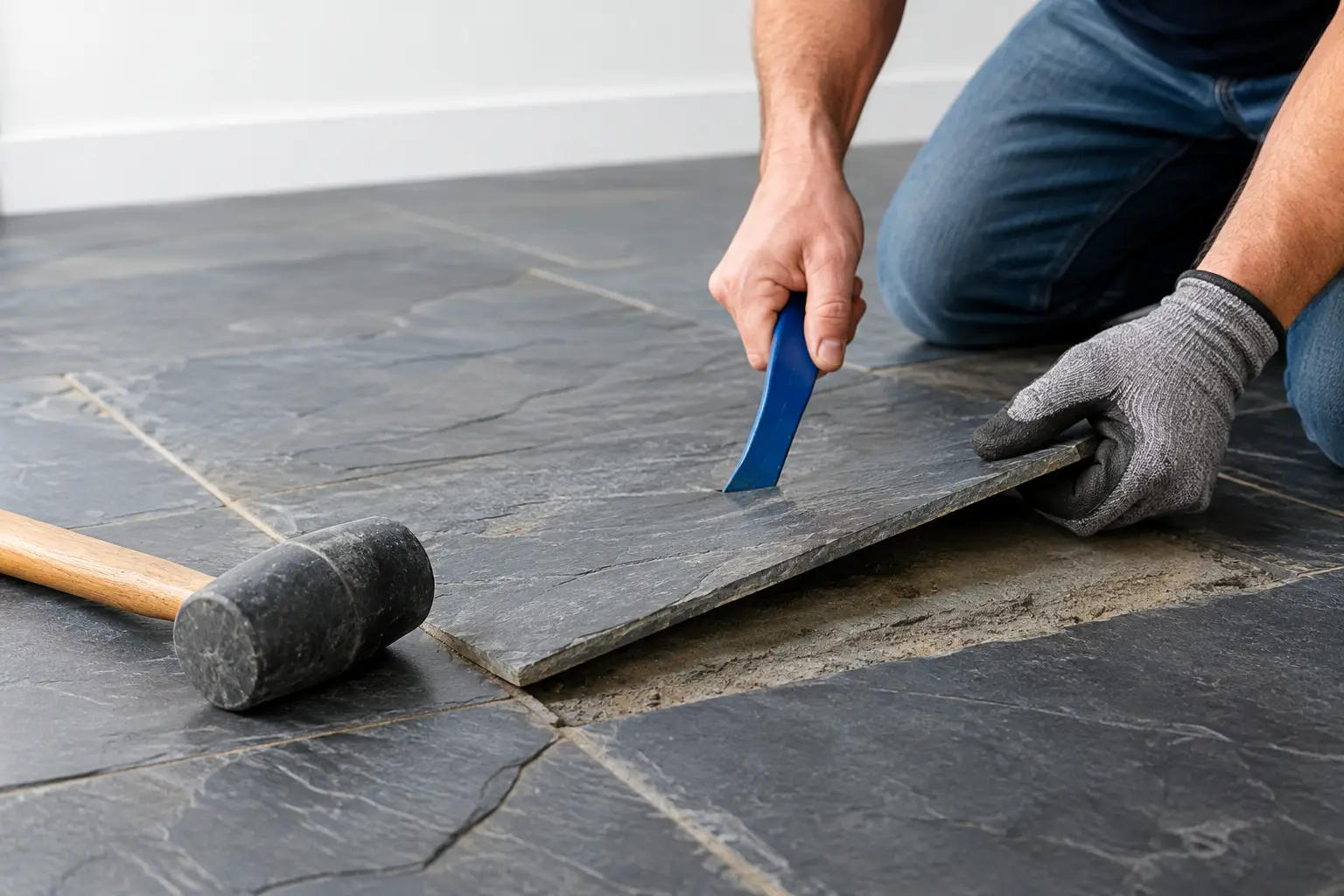
A professional bathroom strip-out is more than demolition for demolition’s sake. The real job is controlled removal. That means taking out floor and wall tiles, screed or tile bedding, vanities, shower screens, baths, toilets, tapware, cupboards and other unwanted fittings while keeping the work area safe and manageable.
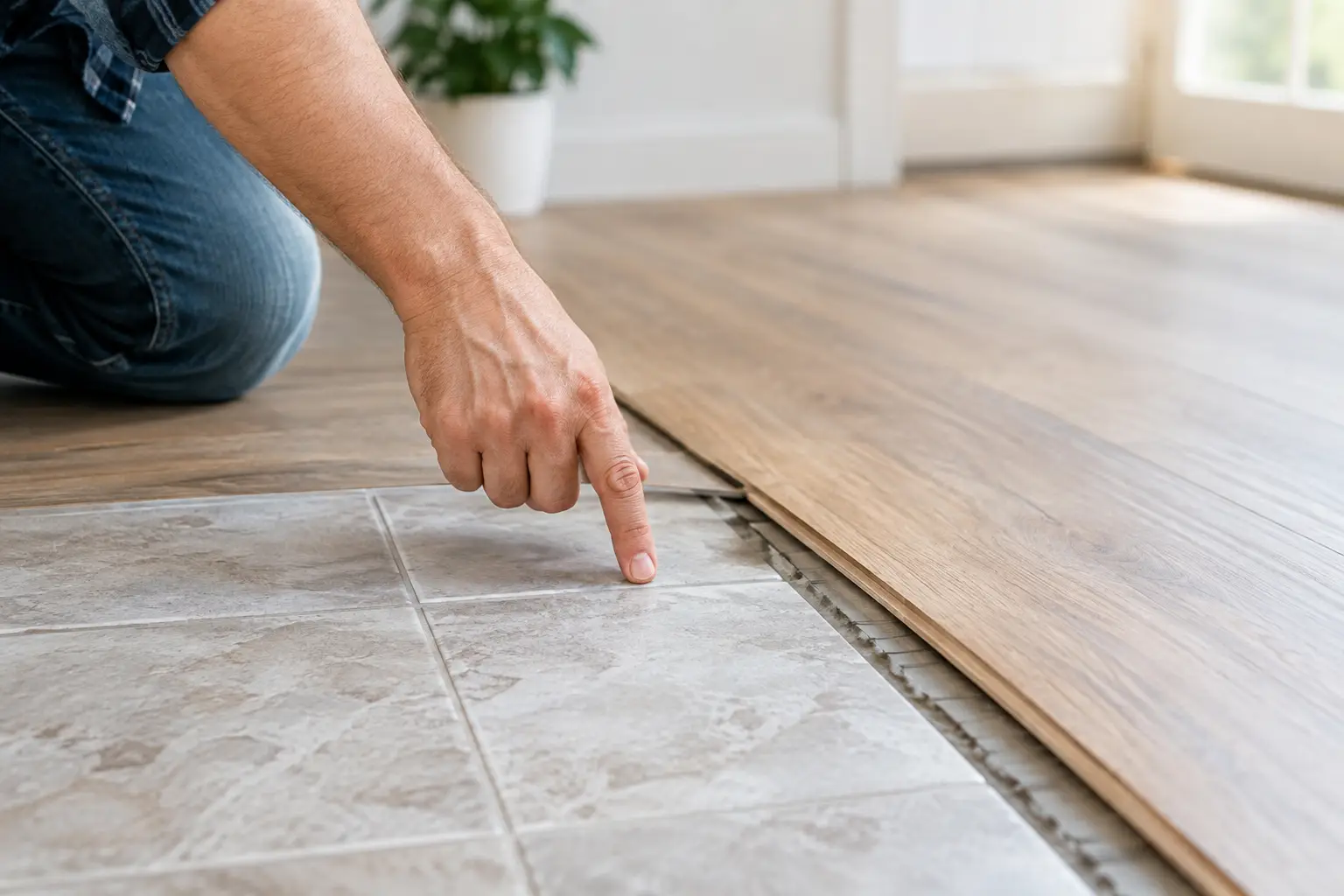
In many bathrooms, the hard part is not lifting visible materials. It is dealing with what is underneath them. Old adhesives can be stubborn. Bedding can be bonded hard to concrete. Some bathrooms have multiple layers from previous renovations, and each layer changes how removal should be handled. The end result should not be a rough shell with trip hazards and debris everywhere. It should be a clean, stripped space ready for the next stage.
That is especially important when builders, tilers, plumbers and waterproofers are booked in close sequence. If the strip-out team leaves uneven surfaces, excessive dust, or hidden damage, someone else wears the delay.
Why bathroom strip out in Northern NSW needs a specialist approach
Not every bathroom strip out in Northern NSW is the same. Coastal conditions, older homes, units with noise and access limits, and renovation-heavy suburbs all create different site demands. A fibro-lined bathroom in an older property is not handled the same way as a newer concrete-slab ensuite in a duplex. Likewise, a unit bathroom with shared walls and stair access calls for a more disciplined approach than a freestanding home with easy entry.
This is where specialist removal matters. Bathrooms are compact, but they are high-risk for damage if the crew treats them like a general knockdown. Controlled removal protects surrounding finishes, helps contain dust, and reduces the chance of avoidable repairs. It also gives you a clearer view of the real condition of the room once materials are out.
For renovators and investors, that clarity matters. You want to know early if there is water damage, substrate failure, cracked sheeting, or levelling issues. Finding those problems after reinstallation starts is where budgets and timelines get hit.
The biggest mistakes made during bathroom demolition
The most common mistake is rushing with the wrong gear. Heavy-handed demolition can shatter more than the tile surface. It can gouge slabs, crack wall sheeting that was meant to stay, and damage penetrations around plumbing. In a bathroom, there is very little margin for careless work.
Another issue is poor dust and rubbish control. Bathrooms generate fine dust, broken ceramics, sharp metal edges and heavy waste. If that is not managed properly, the mess spreads through the property and creates extra clean-up for everyone else. In occupied homes, units, hotels or commercial amenities, that disruption becomes a real problem fast.
Then there is the finish of the strip-out itself. Some crews remove the obvious fixtures and leave behind adhesive build-up, tile bedding residue or uneven concrete. Technically the room is stripped, but it is not actually ready. The next trade still has to spend time correcting the surface before moving forward.
That is why proper strip-out work is not measured by how fast the room gets smashed apart. It is measured by how ready the room is when the demolition is over.
What to expect from a professional bathroom strip out
A well-run strip-out starts with assessing the room, access, materials and what needs to stay. Some jobs are full removals back to the shell. Others are partial strip-outs where certain walls, ceilings or service locations remain. The right approach depends on the renovation plan, not a one-size-fits-all method.
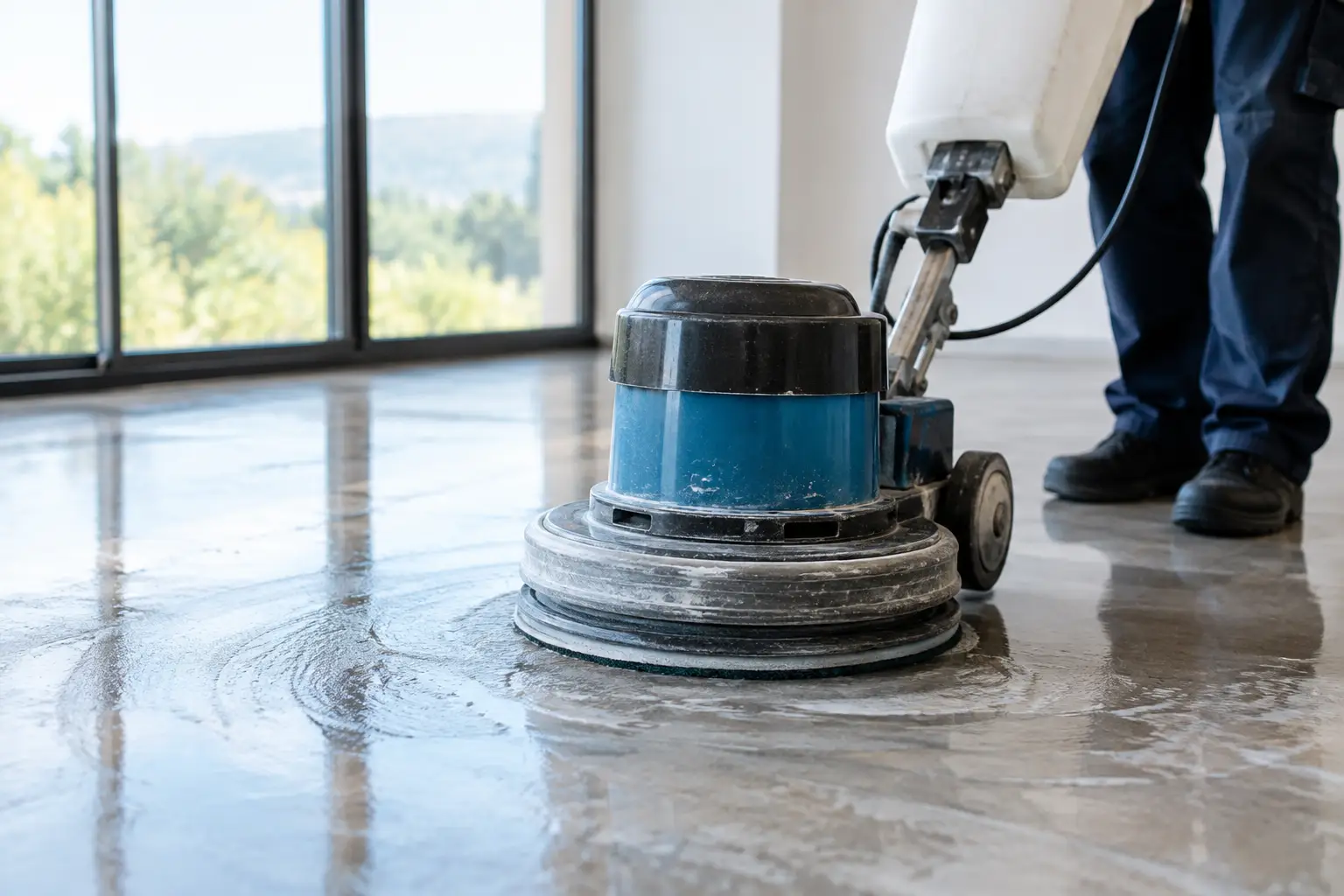
From there, the focus shifts to safe disconnection, controlled removal and substrate preparation. Tiles may come up easily, or they may require more intensive mechanical removal depending on the bond and bedding. Adhesive residue may also need grinding or further surface prep so the area is ready for waterproofing and reinstallation.
Cleanliness is a big part of the job. Dust control, organised waste removal and keeping adjacent areas protected all make a difference, especially when the property is still occupied or part of a larger active site. Good operators understand that demolition is the first trade in the chain. If they create unnecessary mess or damage, every trade after them pays for it in time.
Speed matters, but only when the finish is right
Most clients want the bathroom stripped quickly, and fair enough. The sooner the room is cleared, the sooner the renovation can move. But speed only helps if the work is complete. A fast strip-out that leaves rough surfaces, loose debris or hidden issues is not efficient. It just pushes the problem onto the next stage.
The better standard is fast and ready. That means removing the materials, clearing the waste, and leaving a site that gives the next trade a clean start. In many cases, a specialist crew can complete the removal within a day, depending on the bathroom size, construction type, access and complexity. That kind of turnaround is valuable for homeowners trying to minimise disruption and for builders managing a tight schedule.
Residential, unit and commercial bathrooms all have different demands
Home bathrooms usually involve access through finished living areas, so cleanliness and protection matter. Nobody wants broken tile dust tracked through the house. In investment properties, the pressure is often around turnaround time. The faster the bathroom is stripped and made ready, the faster the renovation can continue.
Units and apartments bring another layer of difficulty. You may have body corporate rules, lift access, limited parking, shared hallways and neighbour sensitivity around noise and dust. A crew needs to work efficiently without turning common areas into a demolition zone.
Commercial bathrooms can be even more time-sensitive. Whether it is a retail tenancy, hospitality site, office amenities or another active workplace, downtime costs more than inconvenience. The strip-out has to be organised, contained and completed with as little disruption as possible.
Why substrate condition matters after the strip-out
This is one of the most overlooked parts of bathroom demolition. Once the tiles and fixtures are gone, what is left underneath determines how smoothly the renovation proceeds. If the slab is damaged, the walls are compromised, or adhesive and bedding remain in poor condition, the next trade has extra work before they can begin.
A specialist team looks beyond removal and pays attention to the condition of the surface underneath. That might mean reducing adhesive residue, grinding problem areas, or making sure the slab is properly exposed for the next phase. It is not glamorous work, but it is the difference between a site that is truly renovation-ready and one that still needs rescue work.
Choosing the right team for a bathroom strip out northern NSW
If you are comparing operators for a bathroom strip out northern NSW, ask practical questions. Do they specialise in strip-outs and surface removal, or is demolition just a side service? Do they understand how to remove difficult tile systems and adhesives without creating avoidable damage? Can they manage dust, waste and site cleanliness properly? And most importantly, will they leave the bathroom ready for the next trade rather than half-finished?
Experience counts here because bathrooms can hide plenty of surprises. Older waterproofing systems, thick mortar beds, uneven concrete, tight access and mixed materials all change the method. A specialist crew knows when to adjust technique, when to protect surrounding finishes, and when additional surface preparation is worth doing straight away.
That is the value of using a team built for removal work, not just general demolition. Rapid Stripped approaches bathroom strip-outs with the same priority every good renovation needs – get in, do it properly, control the mess, and leave the site ready to move.
A bathroom strip-out is the first real step of the renovation, and it sets the tone for everything after it. If the room is cleared cleanly, safely and properly, the rest of the job has a far better chance of running on time. That is what you should expect from the start.