
A tenancy can look empty and still be nowhere near ready for handover. Old carpet glue on the slab, drilled walls, redundant cabling, signage, partition tracks and a damaged shopfront floor can all hold up a final inspection. A proper commercial makegood deals with those details before they become a dispute, a delay or an obstacle to the next tenant moving in.
For business owners, property managers and builders, the job is not simply to clear out furniture. It is to return the premises to the condition required under the lease, agreed scope and building rules. That calls for a planned strip-out, capable operators and a site left clean, safe and ready for inspection or refurbishment.
What commercial makegood usually involves
Commercial makegood is the reinstatement work completed when a tenant leaves an office, retail space, hospitality venue, warehouse or other commercial premises. The exact requirements depend on the lease and the fit-out that was installed, but the goal is straightforward: remove the outgoing tenant’s alterations and return the space to an agreed condition.
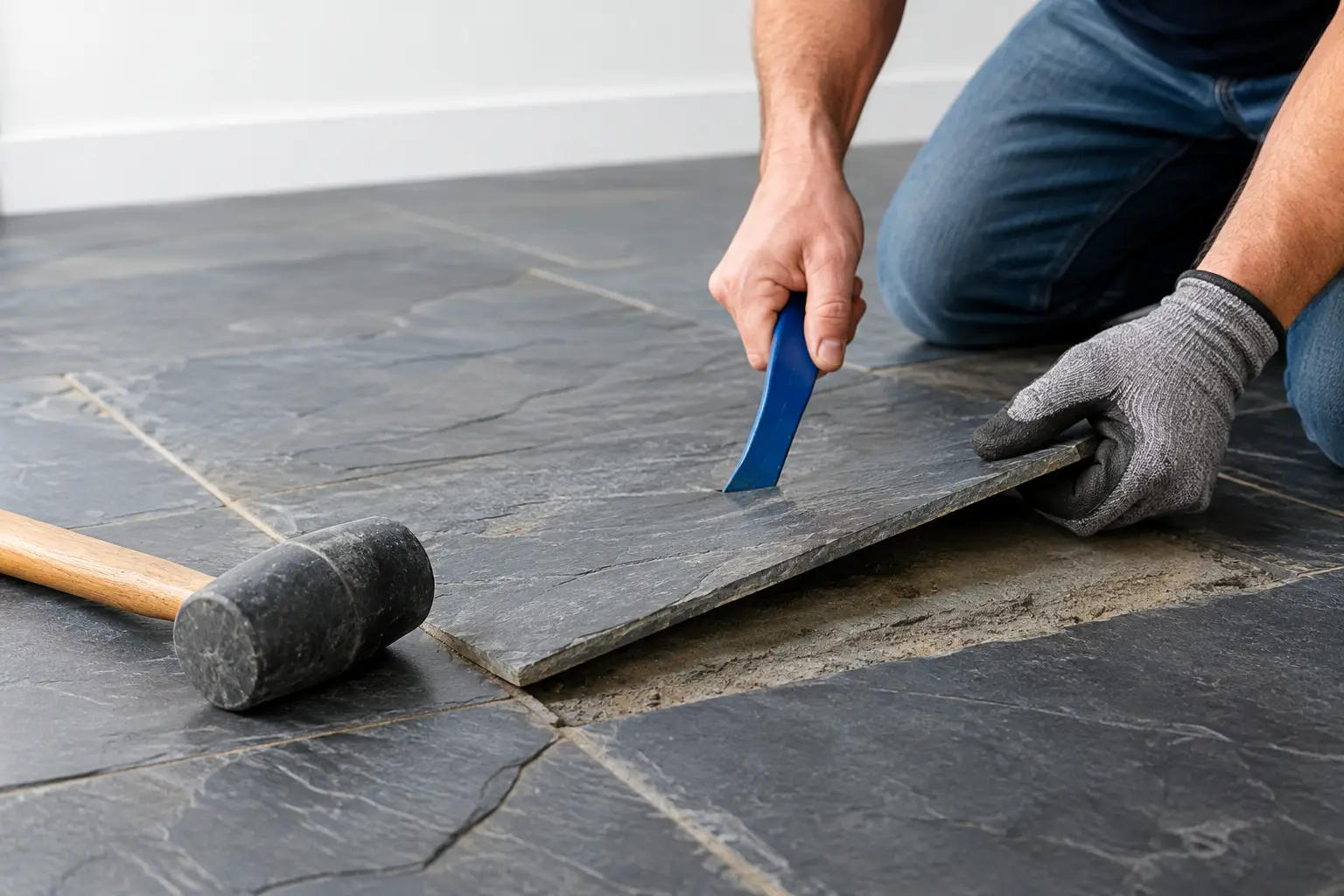
This may include removing internal partitions, counters, shelving, joinery, display units, kitchenettes, vinyl, carpet, tiles, timber flooring, wall coverings and signage. It can also involve lifting adhesive residue, grinding a concrete slab, removing floor levellers, patching damaged areas and taking out unwanted fixtures.
The condition expected at handover varies. Some leases require a bare shell. Others require a clean, functional space with selected services, ceilings or fixtures retained. That is why the lease should be checked before any demolition starts. Removing an item that the landlord expects to remain creates unnecessary rework. Leaving behind a fixture that should have been removed does the same.
The floor is often where makegood work gets difficult
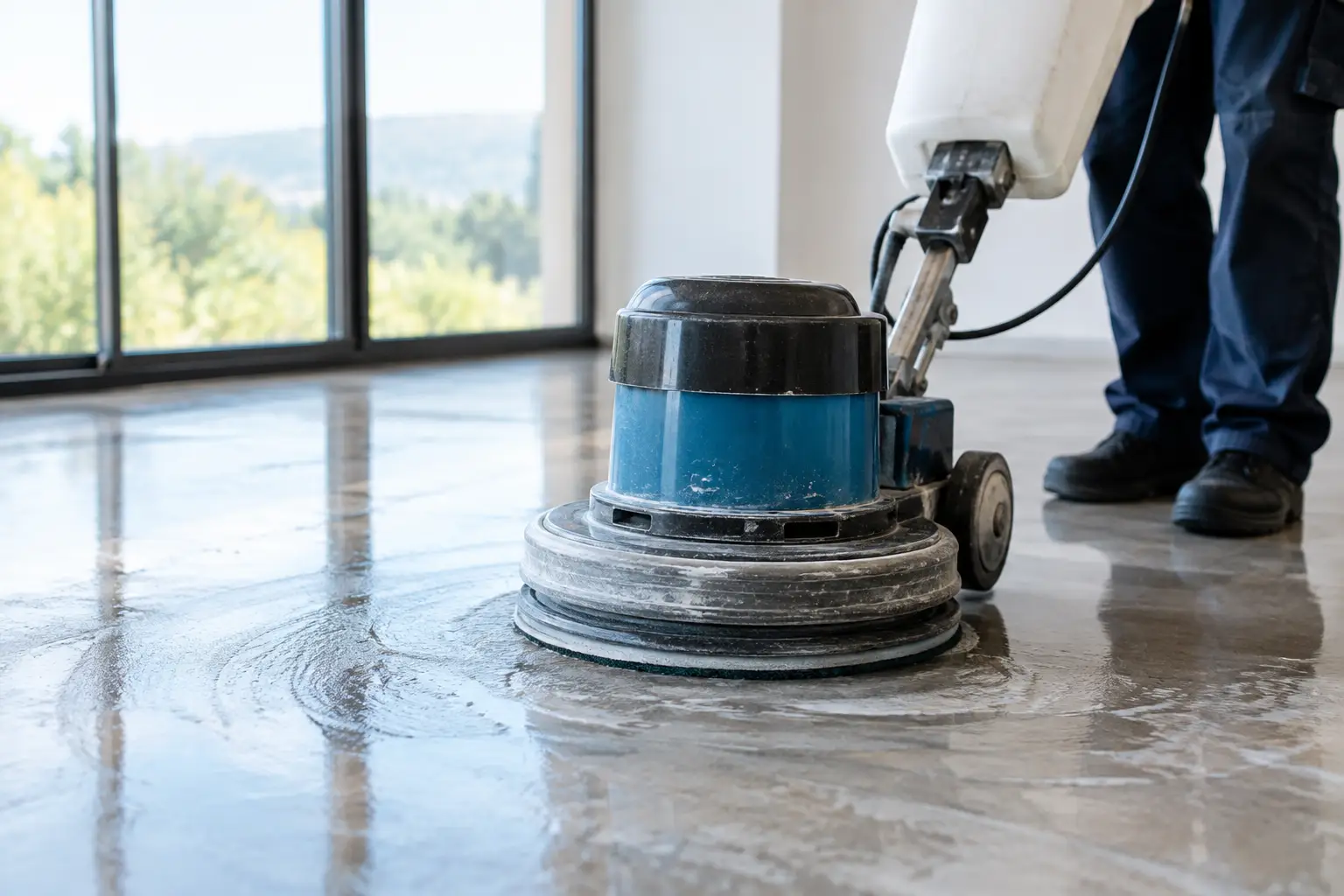
Floors are a major part of commercial makegood because they carry the evidence of every previous fit-out. Carpet may come up quickly, but its backing and adhesive can remain bonded to the slab. Vinyl can leave black glue, tiles can pull up bedding material, and epoxy coatings may need mechanical removal before a new finish can be installed.
A floor that appears clear is not always ready for the next trade. High spots, adhesive smears, loose compound, tile bedding and uneven patches can affect new flooring, painting, cabinetry installation and access equipment. A slab may need to be stripped back and ground to achieve a sound, even substrate.
This is where specialist equipment and technique matter. Aggressive removal can gouge concrete, damage edges and create more repair work. A careful approach removes the covering and residue while protecting the substrate wherever possible. Dust control is equally important, particularly in occupied buildings, shared centres and multi-level offices where nearby businesses are still operating.
At Rapid Stripped, the focus is on getting difficult floor coverings, adhesives and substrates removed properly so the next stage can begin without a patch-up exercise.
Start with the lease, site rules and a clear scope
The quickest way for a makegood project to go off track is to assume that “return to original condition” means the same thing on every tenancy. It does not. The original condition may be documented in an entry report, fit-out plan, photos or correspondence. The landlord may also have specific requirements for services, penetrations, fire safety items, base building finishes and after-hours access.
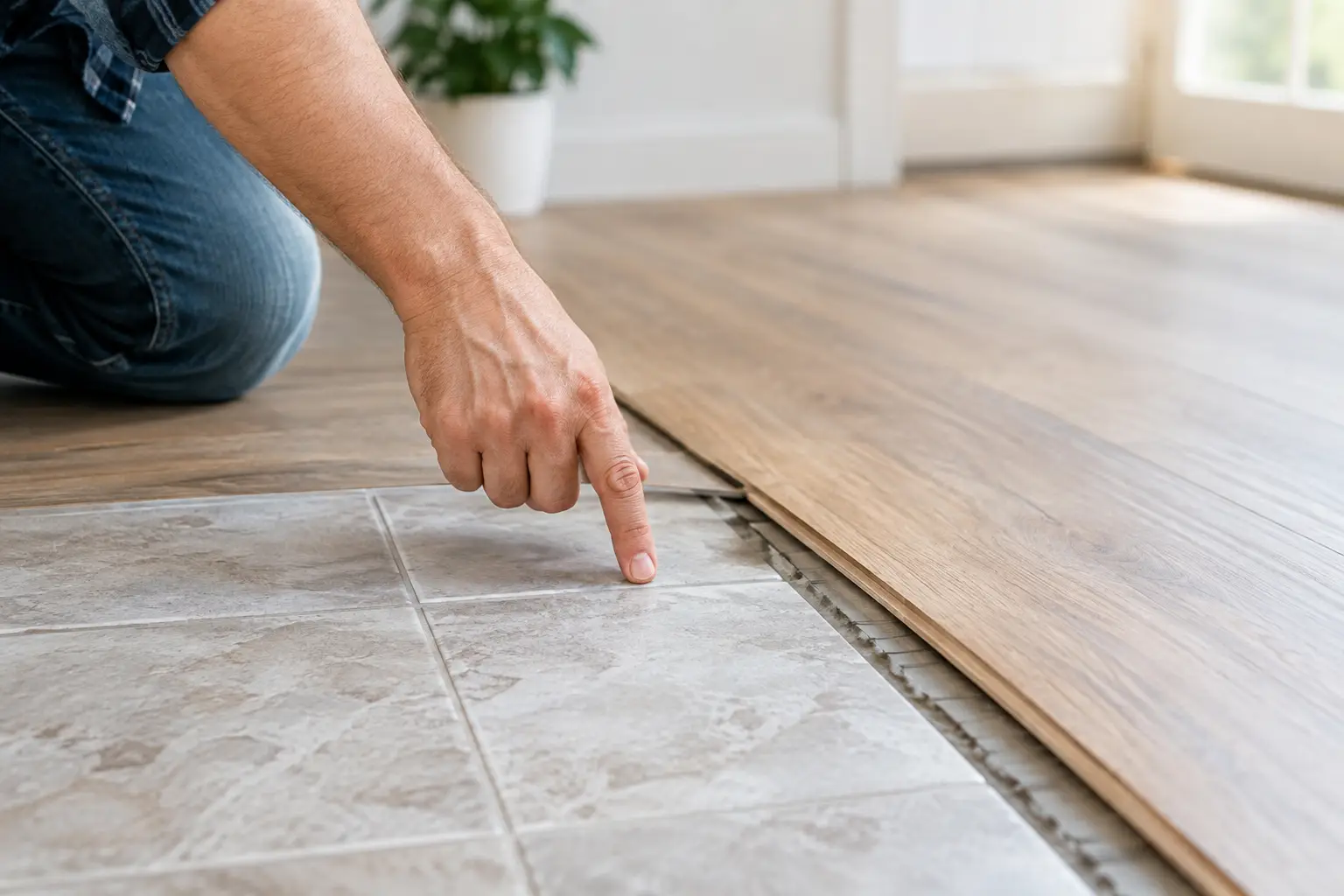
Before work is booked, confirm what is being removed, what is staying and what standard applies to each area. Pay particular attention to flooring transitions, wall penetrations, ceiling grid, air-conditioning grilles, plumbing, electrical work and external signage. These areas often involve other trades or building approvals.
Commercial buildings can also have strict rules around loading docks, lift bookings, waste removal, noise, work hours, site induction and dust containment. Retail centres and office towers commonly require works outside trading hours. A contractor who arrives ready to work but cannot access the goods lift or remove waste from site loses valuable time.
A written scope is worth the effort. It gives the tenant, property manager and contractors a shared reference point and makes final inspection far more straightforward.
Plan the work in the right order
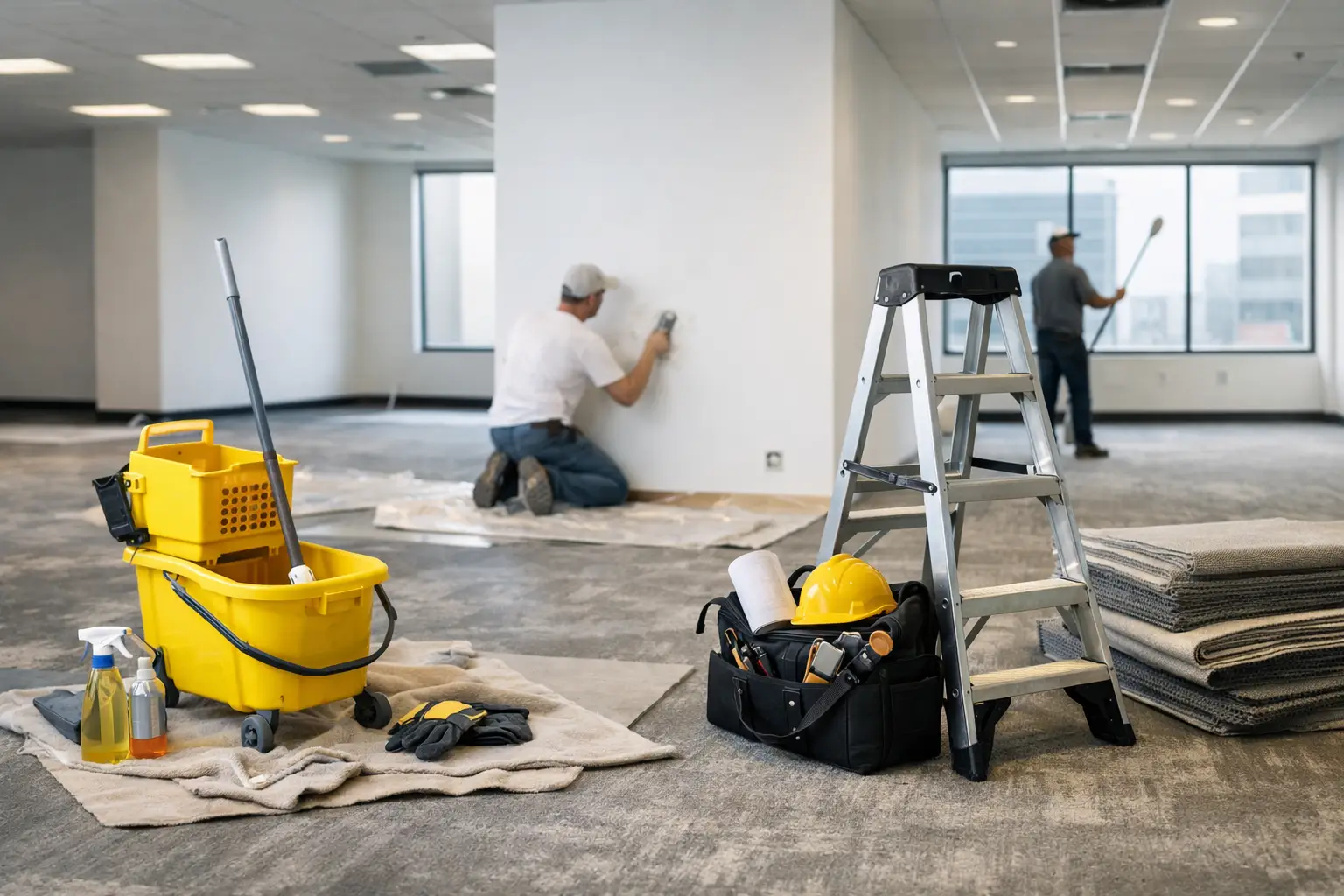
Commercial makegood is usually faster and cleaner when the sequence is planned around access, safety and waste removal. Loose contents and reusable items should be removed first. After that, the strip-out can progress from fixtures and walls through to flooring, adhesives and final surface preparation.
Floor removal is normally best completed after large fixtures, joinery and partitions are out of the way. This gives machinery clear access and avoids leaving strips of old flooring beneath items that were not removed until later. If a concrete slab is being prepared for new finishes, the final grind and clean should happen once the demolition stage is complete, not while other trades are still creating debris.
Waste needs the same level of planning. Commercial strip-outs generate bulky, heavy material quickly, from cabinetry and plasterboard through to tile bedding, carpet and timber. Segregating materials where practical keeps the site controlled and prevents piles of rubbish blocking exits, corridors or fire paths.
There are exceptions. In a small tenancy with a tight deadline, teams may work across separate areas at the same time. In a live environment, staged works may be necessary to keep part of the premises operational. The right approach depends on the building, the scope and the handover date.
Protect the building while the work is underway
A commercial makegood should improve the condition of a tenancy, not create damage in common areas on the way out. Lift interiors, lobbies, corridors, loading areas and door frames all need protection when heavy materials and machinery are being moved.
Inside the tenancy, dust barriers and suitable extraction help contain fine concrete dust, adhesive particles and demolition debris. This is particularly important where adjacent tenants are trading or where the building has shared air movement. Clean work practices are not only about appearances. They reduce clean-up time, limit disruption and help maintain safe access around the site.
Safety also needs to be active rather than assumed. Flooring removal can expose sharp materials, uneven surfaces, trip hazards and concealed fixings. Demolition work may involve services that need isolation before removal begins. A competent crew identifies these issues early and works to the approved site requirements.
Do not leave surface repairs until final inspection
Most makegood delays are caused by minor-looking issues that become obvious only when a space is empty. Holes behind removed signage, damaged skirting lines, exposed floor anchors, wall marks, glue shadows and unfinished transitions are easy to overlook during demolition. They are also exactly the details a property manager will see during a handover walkthrough.
Build a final defects check into the programme before the inspection date. Walk the tenancy with the agreed scope in hand and inspect from the entry through to back-of-house areas, storage rooms, amenities and external zones. Look down as well as up. Slab condition, floor edges and leftover adhesive often become visible only in natural light or when the area has been swept clean.
If a repair or retained item is unclear, clarify it before the final day. It is far easier to resolve a question while trades and equipment are still available than after access has ended and the keys are due back.
Choosing the right makegood contractor
The right contractor understands that a commercial exit is a deadline-driven project. They should be able to assess the materials on site, identify difficult removal areas, coordinate work around building requirements and leave the premises orderly at completion.
Look for specific experience in floor stripping, slab grinding, adhesive removal and commercial demolition, not just general labour capacity. The tools used matter, but so does the judgement behind them. Different floor coverings and substrates need different removal methods, especially where the slab must be retained in good condition for the incoming fit-out.
Clear communication matters just as much. You need to know what will be removed, how dust and waste will be managed, whether access restrictions affect the schedule and what the site will look like at completion. A reliable makegood team does not create surprises in the final days of a lease.
Before the handover date gets close, arrange a site assessment, confirm the scope against the lease and allow enough time for proper removal and final surface preparation. A clean, well-prepared tenancy gives the landlord confidence and gives you a far better chance of handing back the keys without unfinished work following you out the door.