
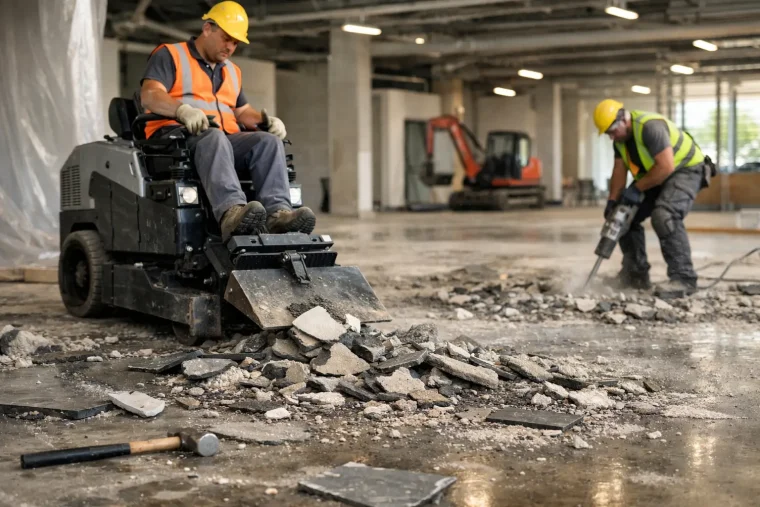
A commercial fit-out can stall for days before the new work even starts, and the usual culprit is the floor. Old tiles refuse to lift cleanly, vinyl leaves stubborn adhesive behind, and what looked simple on inspection turns into a hard, labour-heavy strip-out. That is why commercial floor demolition needs to be treated as a specialist trade, not a quick add-on.
In commercial spaces, flooring removal is rarely just about taking up the surface. The real job is getting the site clean, safe and properly prepared for whatever comes next. That might mean removing ceramic tiles and thick bedding, stripping glue from concrete, grinding high spots, or dealing with multiple floor layers built up over years of tenancy changes. If the demolition is rushed or handled poorly, every trade that follows pays for it.
What commercial floor demolition actually involves
Commercial floor demolition covers far more than breaking up floor coverings and carting them out. In practice, it is controlled removal of the existing floor system so the substrate is ready for reinstallation, refurbishment or a complete strip-out.
That can include tile removal, timber uplift, vinyl and carpet stripping, epoxy removal, adhesive removal, floor grinding and demolition of underlays or bedding compounds. In older shops, offices, hospitality venues and tenancy spaces, there is often a mix of materials across the one site. A tiled front entry might lead into vinyl in the back-of-house area, with carpet tiles in offices and heavy glue residue throughout. Each section needs a different method, different machinery and the right level of care.
This is where experience counts. The goal is not to make a mess quickly. The goal is to remove what needs removing without damaging what needs to stay, while keeping the job moving.
Why commercial sites are different from residential jobs
A commercial site usually comes with tighter timeframes, stricter safety requirements and higher disruption costs. When a business is waiting on a re-open date, or a builder is trying to keep a programme on track, lost days matter.
Commercial floor demolition also tends to involve larger areas, tougher substrates and more wear. Retail floors may have deep-set tile beds and patch repairs from previous tenancies. Office spaces can hide layers of adhesive under old vinyl. Hospitality venues often bring grease contamination, moisture issues and difficult transitions between service zones and public areas.
Access is another factor. Some sites are easy walk-ins. Others require after-hours work, lift access, staged removal, noise controls or careful rubbish handling through common areas. A good operator plans for those conditions early, because the method that works in a suburban home does not always suit a shopping strip, office block or occupied commercial building.
The biggest issues that slow jobs down
The floor itself is only part of the challenge. Delays usually come from what sits underneath or around it.
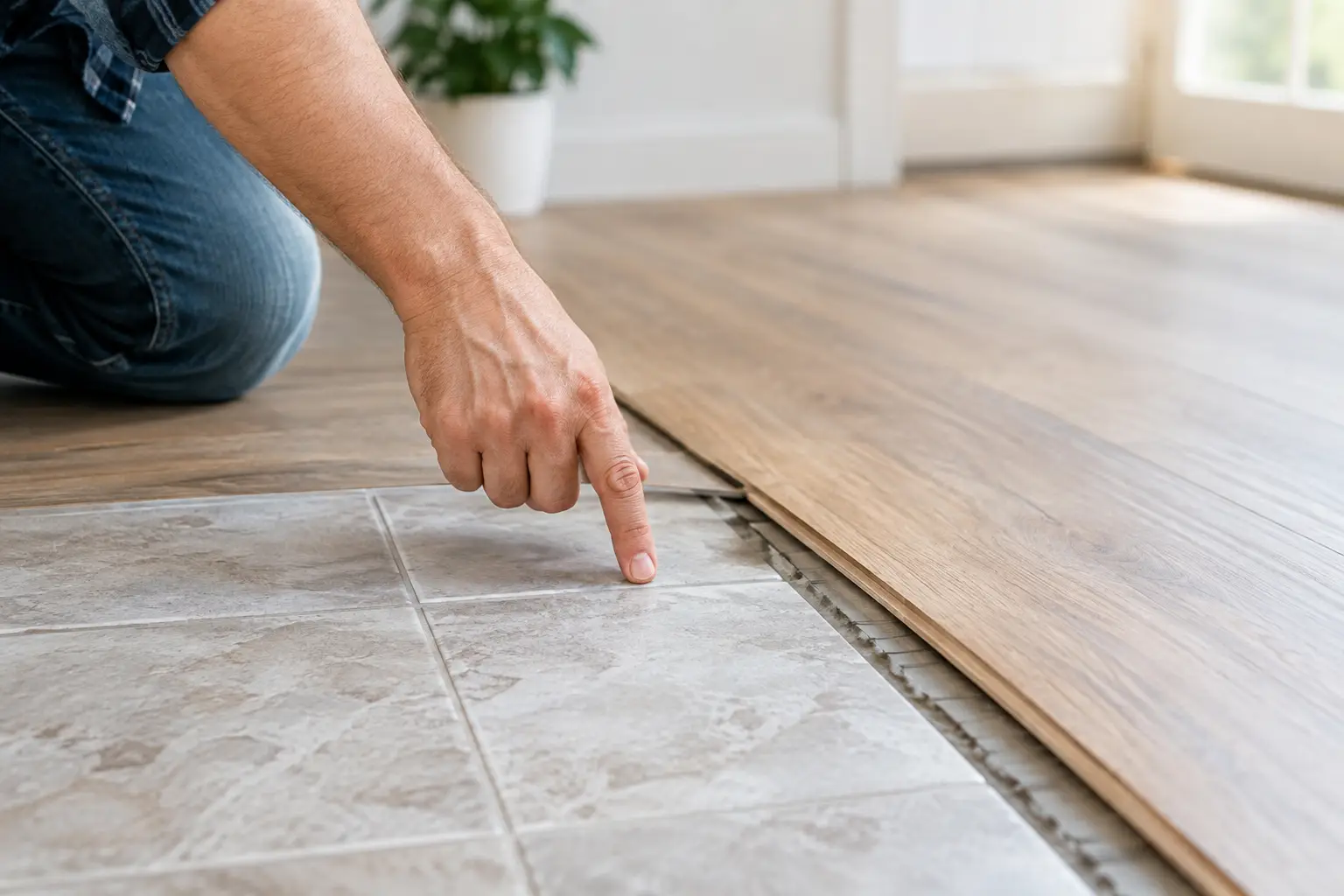
Adhesives are a common problem. Many floor coverings lift fast enough, but the glue left behind can take serious time to remove properly. If the next installer needs a clean, level slab, adhesive residue cannot be ignored. Bedding under tiles can be just as stubborn, especially when it is well bonded to concrete.
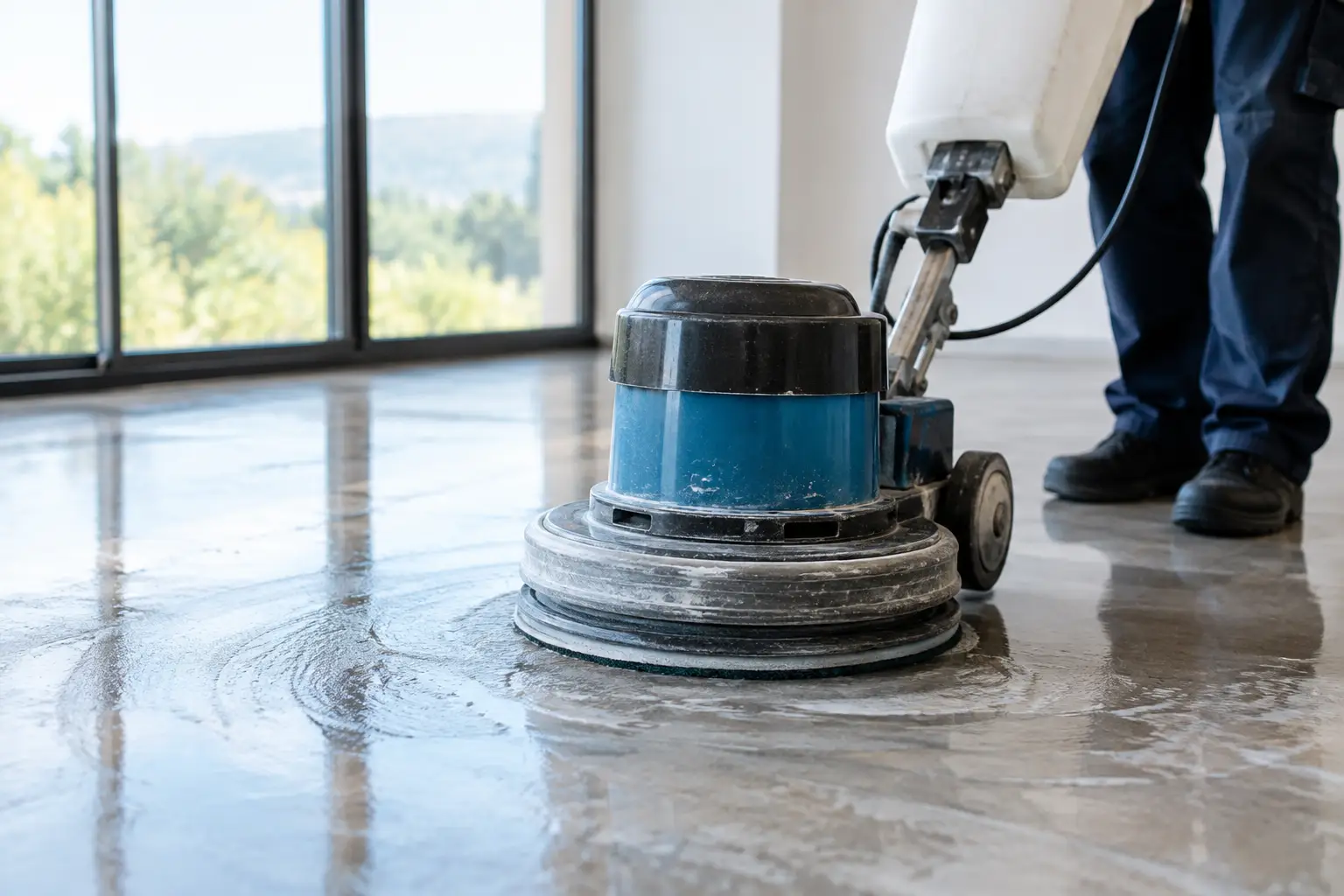
Uneven slabs also create trouble. Once the old floor is gone, the substrate often reveals cracks, old patching, high spots or damage from previous removals. This is why grinding and surface preparation often sit hand in hand with demolition. There is no point stripping the floor if the site is still not ready for the next trade.
Dust control is another major issue. On commercial jobs, dust does not just create a cleaning problem. It affects neighbouring tenancies, shared air systems, stock, equipment and workplace safety. Proper extraction, containment and clean work practices are part of the job, not an optional extra.
How the right team approaches commercial floor demolition
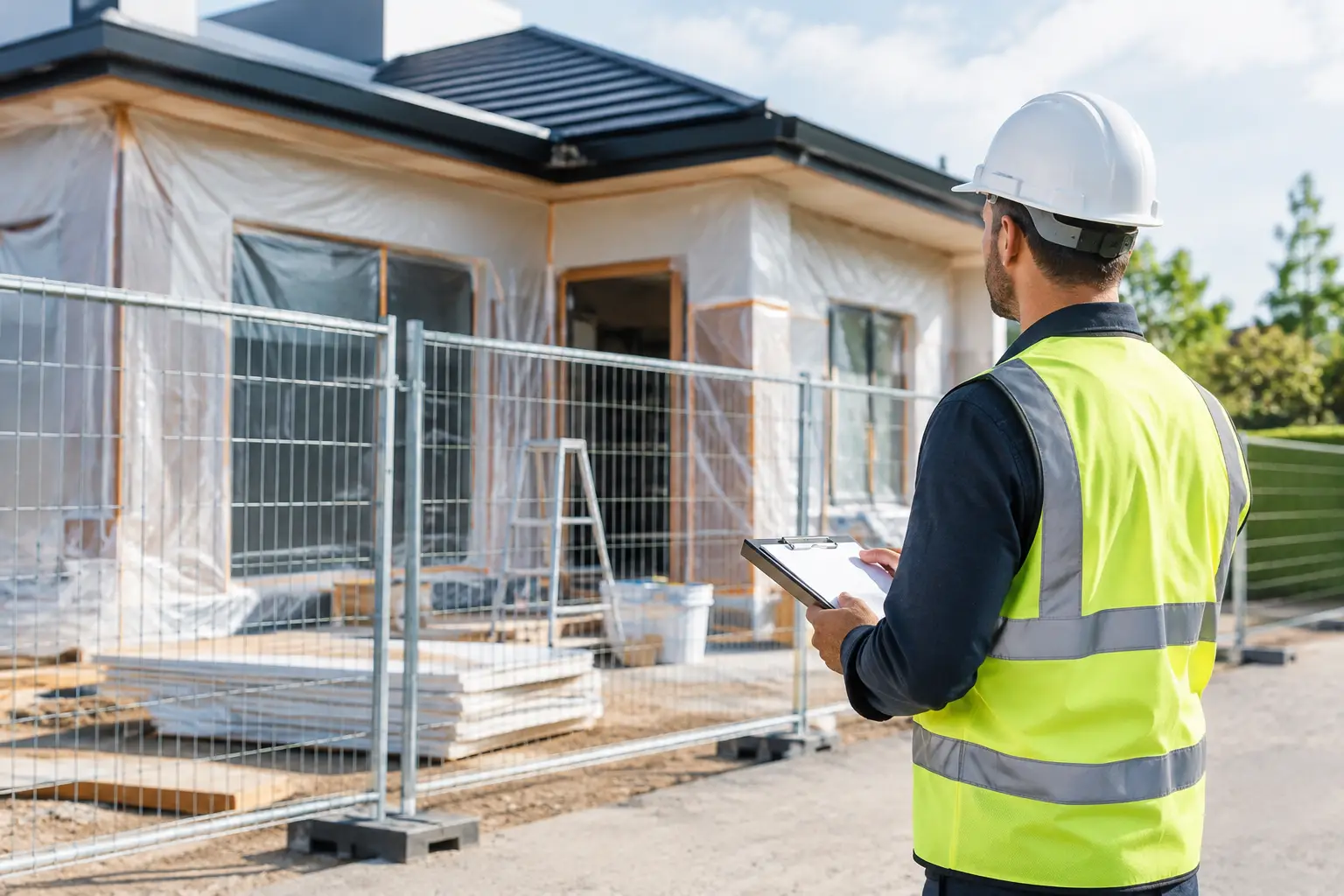
A proper commercial floor demolition job starts with the site assessment. The removal method depends on the floor type, the substrate, access, waste handling requirements and the finish required at handover. A site being cleared for a rough strip-out has different expectations from a site that needs to be floor-layer ready within the same day.
From there, the work should be planned around speed and control. That means using the right machines for the material, matching removal technique to the slab condition, and keeping the site organised as the job progresses. It also means knowing when brute force is the wrong move. Aggressive removal can gouge concrete, damage retained areas and create more rectification work than the original floor was worth.
The best operators work with the end result in mind. They are not simply removing material. They are preparing a workable site for the next stage. That mindset makes a difference on commercial projects where every handover matters.
Floor types and removal methods
Different materials fail in different ways, so they need different treatment.
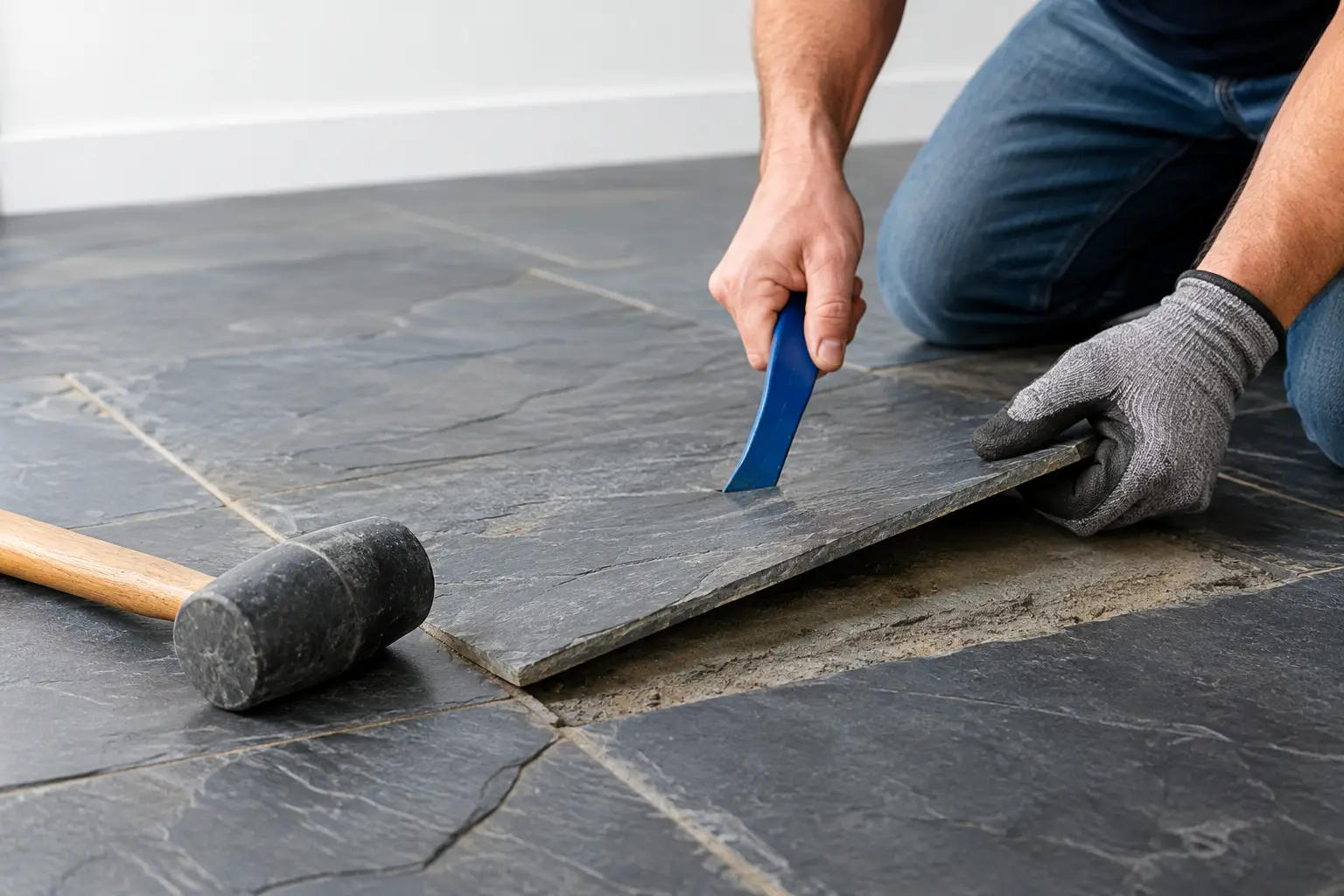
Tiles and stone can be labour-intensive if the bedding is hard and heavily bonded. Removing the finish is one step. Getting the slab back to a usable standard is often the bigger part of the job. Vinyl and sheet flooring may come up quickly in some areas, then hold fast in others where adhesive has cured hard over time. Timber can involve secret fixings, levelling compounds and stubborn glue lines. Epoxy coatings usually need mechanical removal, not guesswork.
Carpet tiles, cork, terracotta, slate and painted surfaces all bring their own issues. On many commercial jobs, the challenge is not one material but several. That is where specialist floor removal earns its keep. One crew, one coordinated process, and a site that does not get held up while different problems are figured out one by one.
Safety, dust and keeping disruption down
Commercial work has to be efficient, but speed without control is a poor result. Safe demolition protects workers, other trades, site occupants and the asset itself.
Noise, vibration, airborne dust and trip hazards all need active management. In occupied buildings, this matters even more. You may have neighbouring tenancies trading next door, staff in adjacent offices or shared access points that cannot be blocked with debris and loose material. Clean execution is part of professionalism.
This is also why communication matters. Site managers and business operators want to know what is happening, when access is needed and what condition the area will be left in. Straight answers and reliable timing are not a bonus on commercial jobs. They are part of getting the work done properly.
What a renovation-ready handover looks like
The best measure of commercial floor demolition is simple: can the next trade get started without delay?
A proper handover means the old coverings are removed, waste is cleared, the slab is stripped back as required, and the surface is left in a condition that suits the next scope of work. Depending on the project, that may mean adhesive removed, bedding taken down, rough edges addressed and the slab ground or cleaned for reinstallation.
This is where cheap shortcuts show up quickly. If demolition stops at surface removal and leaves glue, ridges, debris or damaged substrate behind, the site is not ready. Someone else has to fix it, and the programme slips.
For builders, property managers and business owners, that readiness matters more than flashy language. They want a team that turns up, strips the floor efficiently, manages the mess and leaves the area ready for action. That is what keeps a fit-out moving.
When timing matters most
Some commercial jobs can be staged over several days. Others need to happen in a tight shutdown window, after hours or between tenancy changeovers. In those situations, experience and job discipline are critical.
A specialist team knows how to move fast without losing control of the finish. They know which materials can be removed quickly, where hidden delays usually sit, and how to keep machines, labour and rubbish removal working together. For clients across Northern NSW, the Gold Coast, Brisbane and the Sunshine Coast, that practical reliability is often what separates a smooth handover from a drawn-out headache.
Commercial floor demolition is not glamorous work, but it is one of the jobs that sets the tone for everything after it. Get it right, and the site moves forward cleanly. Get it wrong, and every delay gets more expensive from there. If your project needs the floor gone, the slab cleaned up and the space ready for the next trade, choose a crew that treats preparation as seriously as demolition itself.